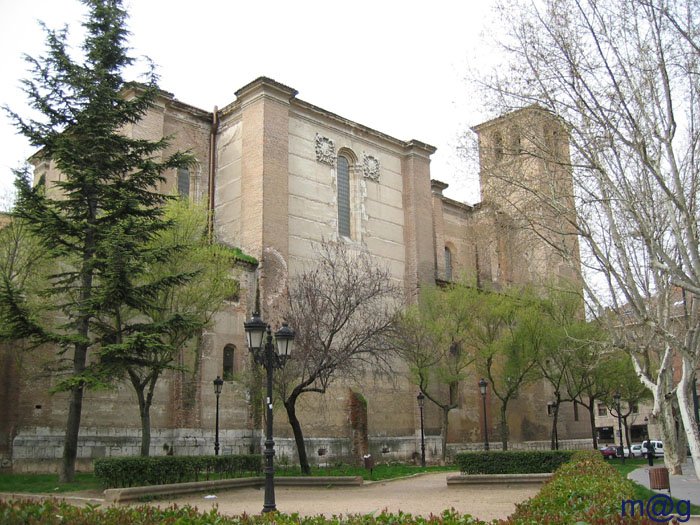

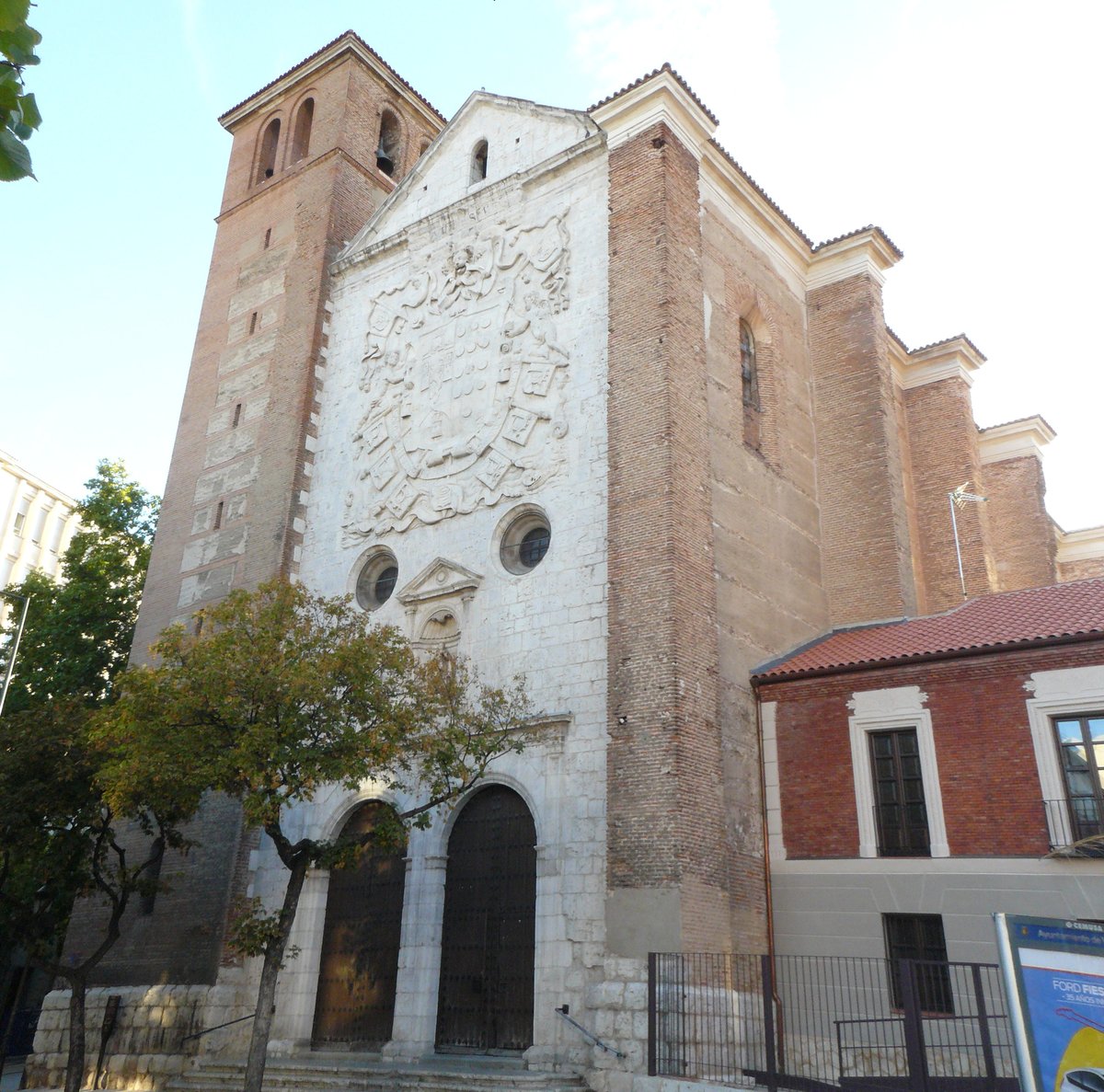
The Iglesia de Santa María Magdalena features a stone crest so oversized it is the largest coat of arms sculpted in stone in the world. Pedro de la Gasca rebuilt the parish church starting in 1566 with the idea that it would serve as his burial place and proclaim his greatness. He served as the bishop of Palencia and Sigüenza before his death in 1567.
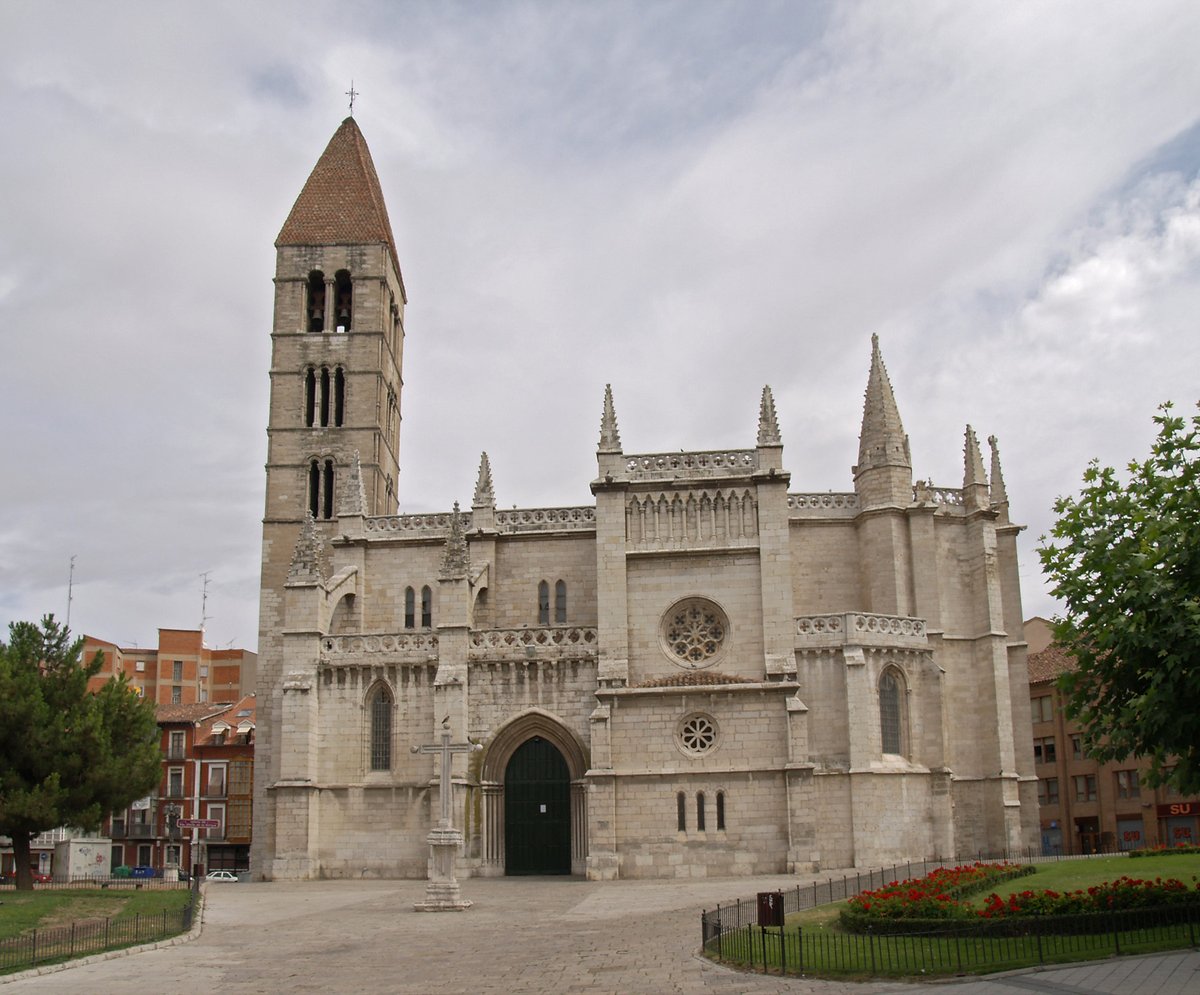
Construction began with the main chapel, where Rodrigo Gil de Hontañón and other artists worked to create a great crypt for the patron and his family. While De la Gasca envisioned a temple in the shape of a Latin cross, the design could not be completed as planned. The chapel of Doctor Corral stood in the way of the Epistle transept. Because the descendants of Doctor Corral refused to relocate their chapel, the current church shows a notable asymmetry, missing that arm of the cross. The exterior even shows the starts of the vaults that would have covered the missing section.
Inside, the temple features a tomb of alabaster and jasper for Pedro de la Gasca, created by the sculptor Esteban Jordán. The tomb shows the bishop with his episcopal attributes, including a mitre and crozier. The interior also houses a magnificent Plateresque altarpiece from the middle of the 16th century and a notable iron grille.
Visitors can still see the Cristo de las Batallas and an 18th-century organ in the high choir, which has lost its pipes. The church remains a functional parish, housing various works of art and religious history built of brick, rubble, and stone.
Sources: Wikipedia, OpenStreetMap, Wikidata, Wikimedia Commons
Written by Nicolo Ciampini
Discuss this with the author and others
No comments yet. Be the first to start the conversation.