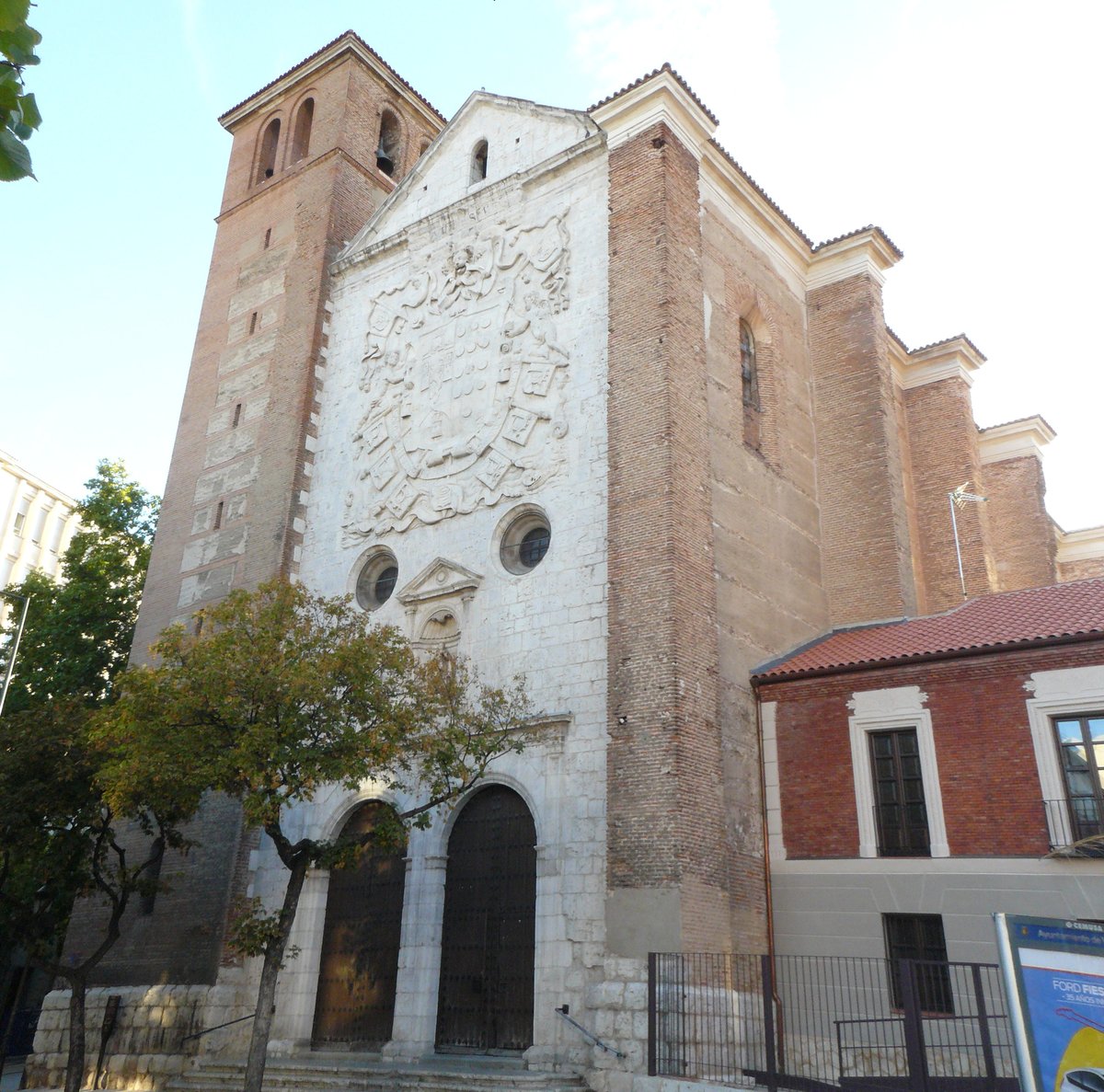

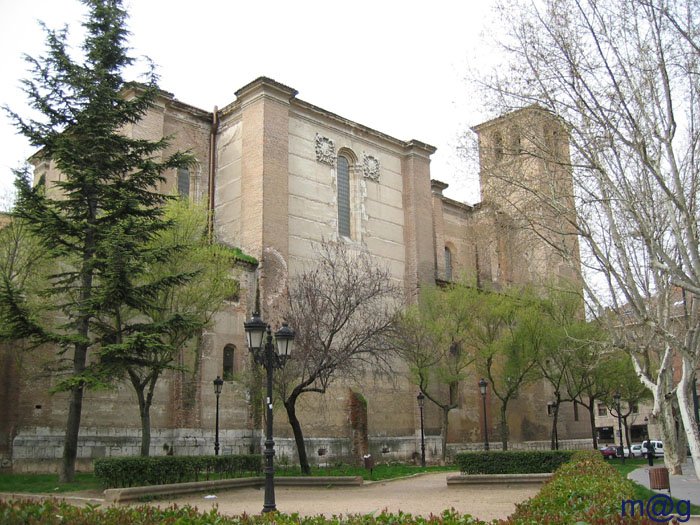
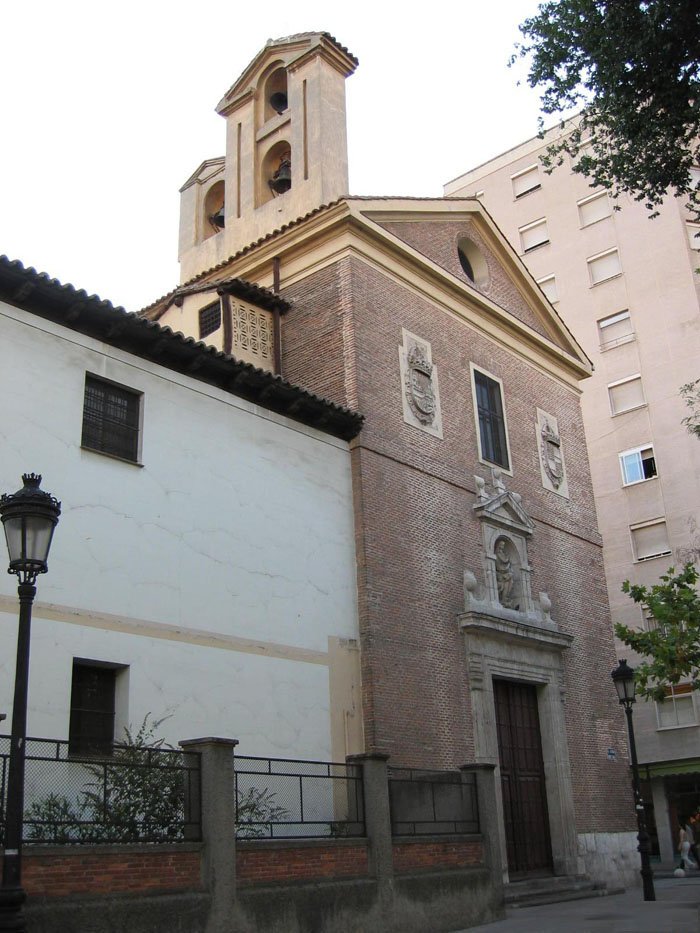
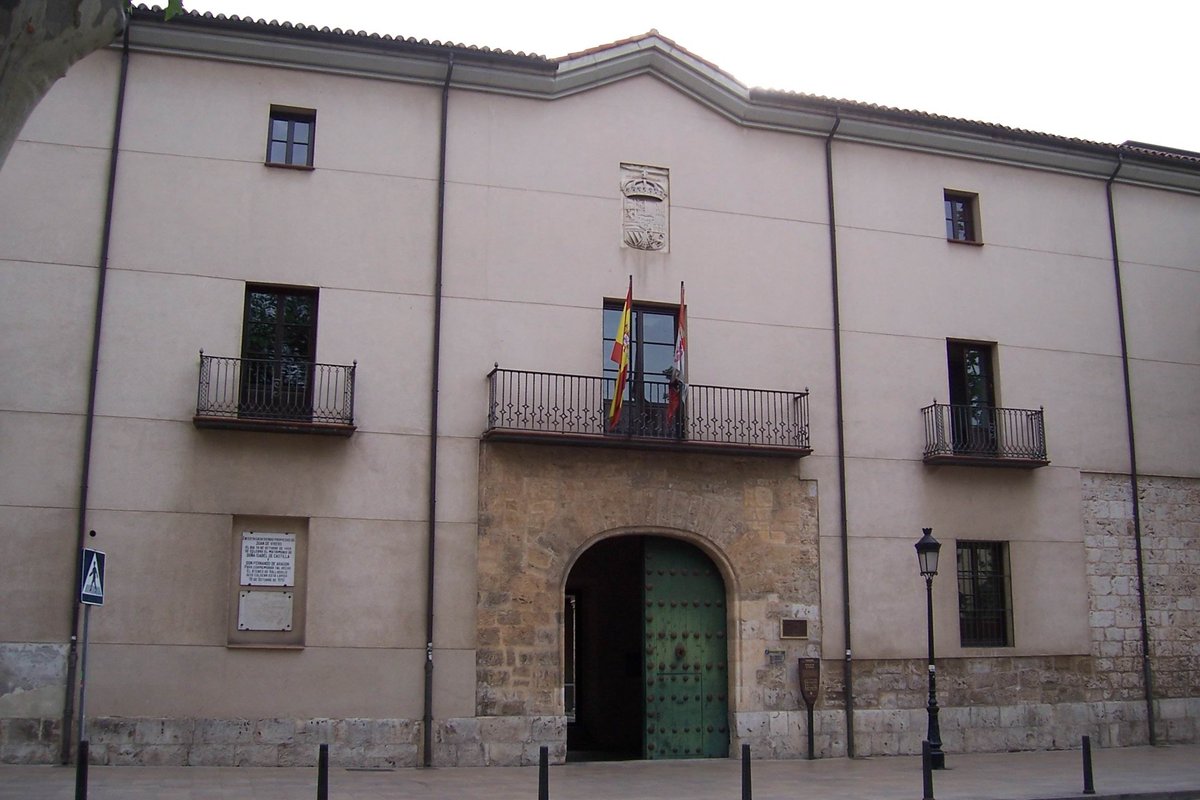
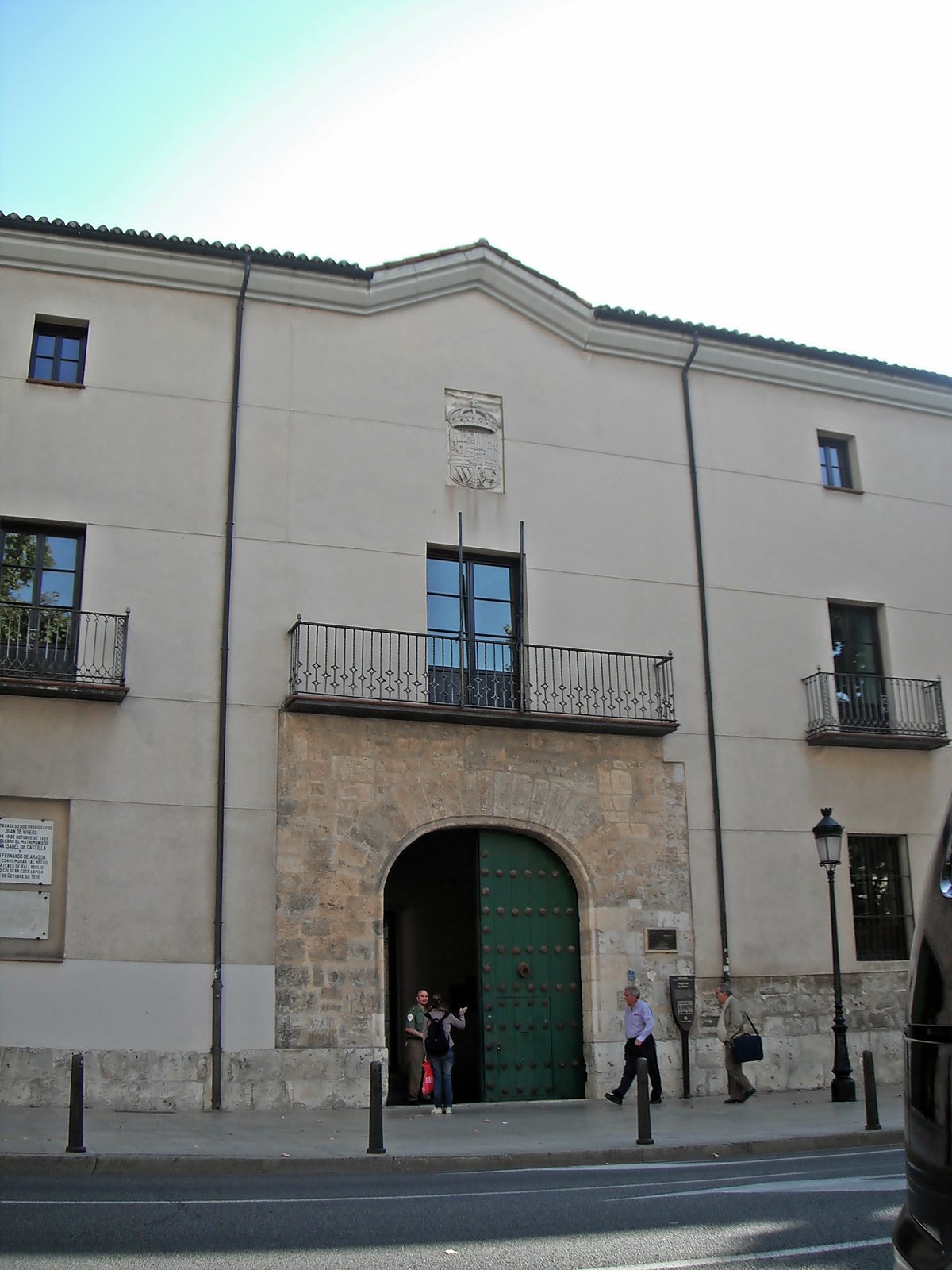
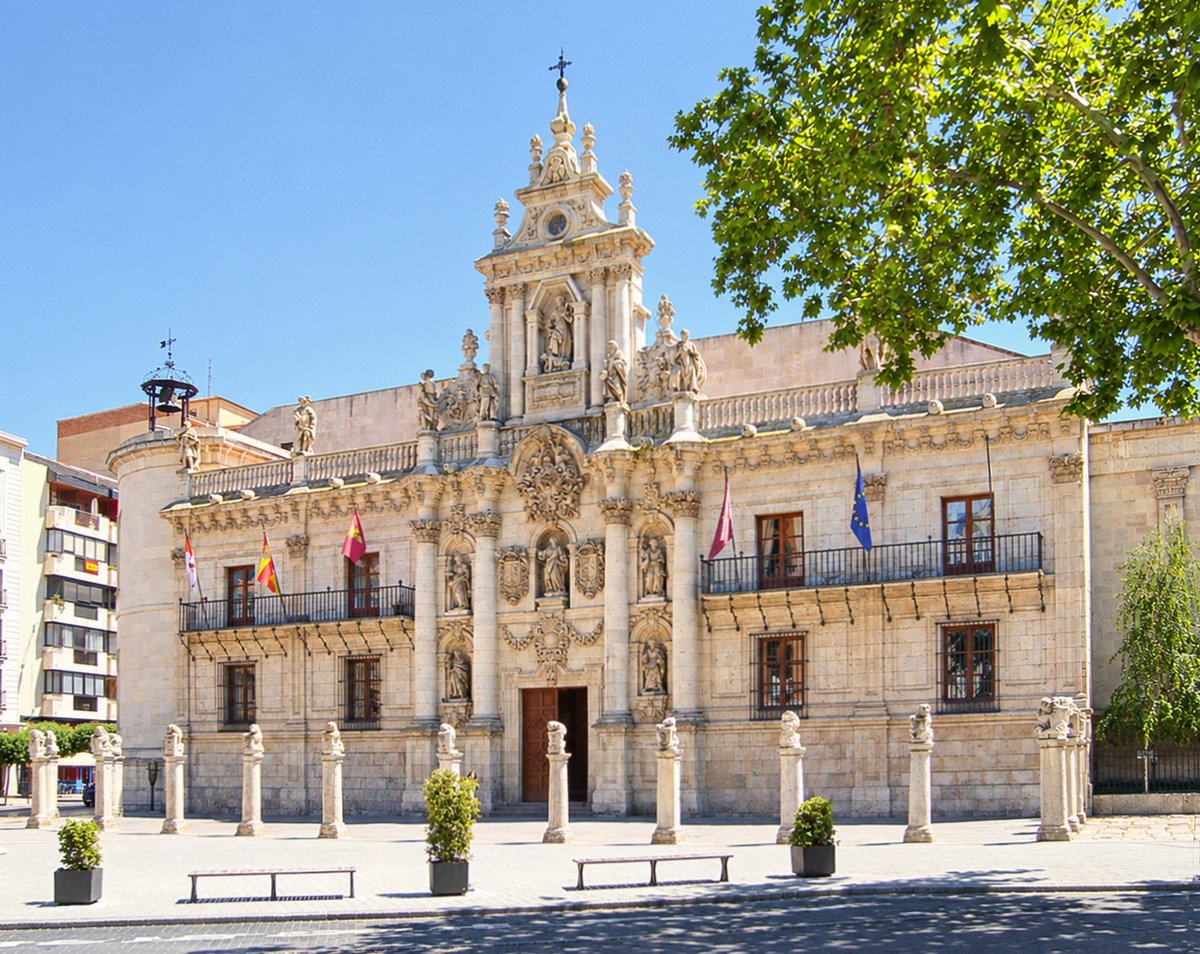
The Monastery of Santa María la Real de las Huelgas is one of the original monasteries of Cistercian nuns in Spain. It is located within the city of Valladolid in the Duero region.
The name 'Santa María la Real de las Huelgas' implies that it was founded by some member of the ruling family. The early history of the monastery is obscure, primarily due to a fatal fire in 1282 which destroyed the entire monastery and its archives. After the fire, Queen María de Molina gave the community a palace used as a place of rest - thus the title "of the Fallows" (Spanish: las Huelgas) - for their home, to which the community relocated.
Of this building, only a gateway survives, which is Valladolid's sole example of Mudéjar art. One later historian attributed the original foundation to doña Sancha, the sister of the Emperor of Spain Alfonso VII. He was a pious man who introduced the Cistercians to Spain, presumably knowing the Order due to his father's Burgundian origins. He was the nephew of Pope Callixtus II and the founder of the military Order of the Knights of Calatrava, who were a part of the Cistercian Order.
Sources: Wikipedia, OpenStreetMap, Wikidata, Wikimedia Commons
Written by Nik Frost
Discuss this with the author and others
No comments yet. Be the first to start the conversation.