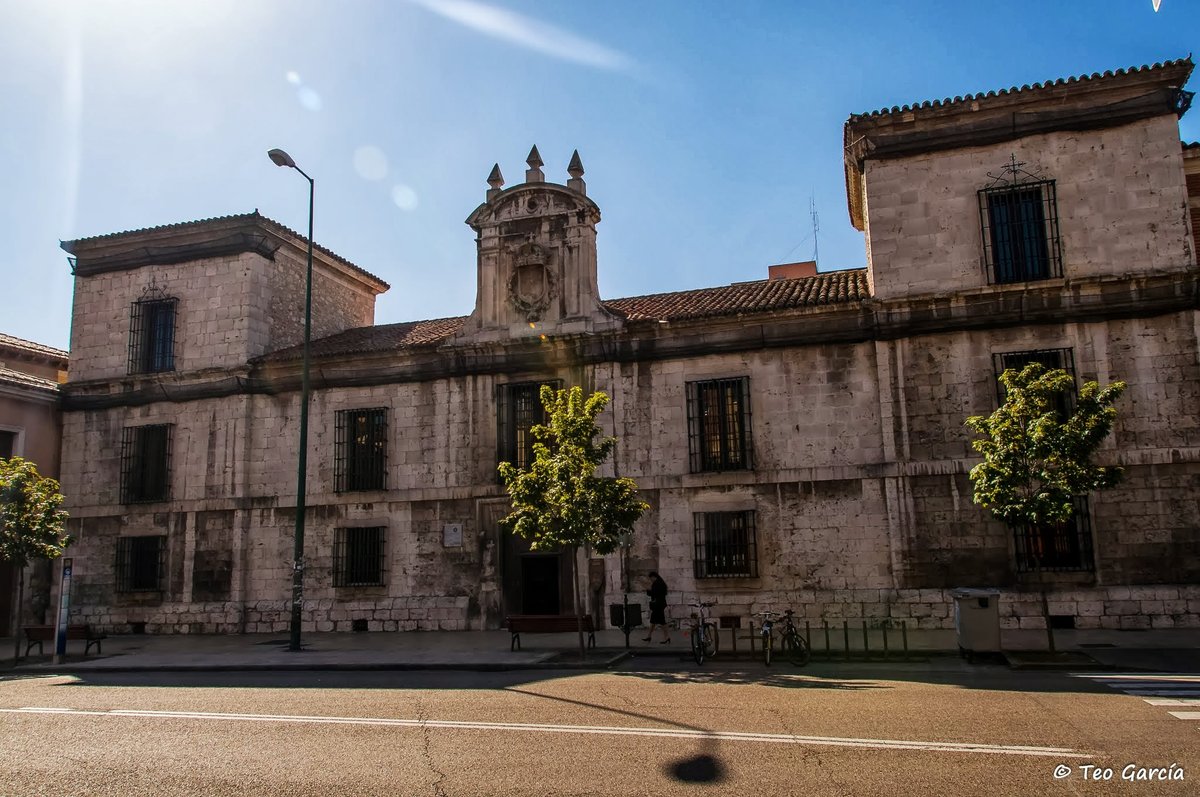

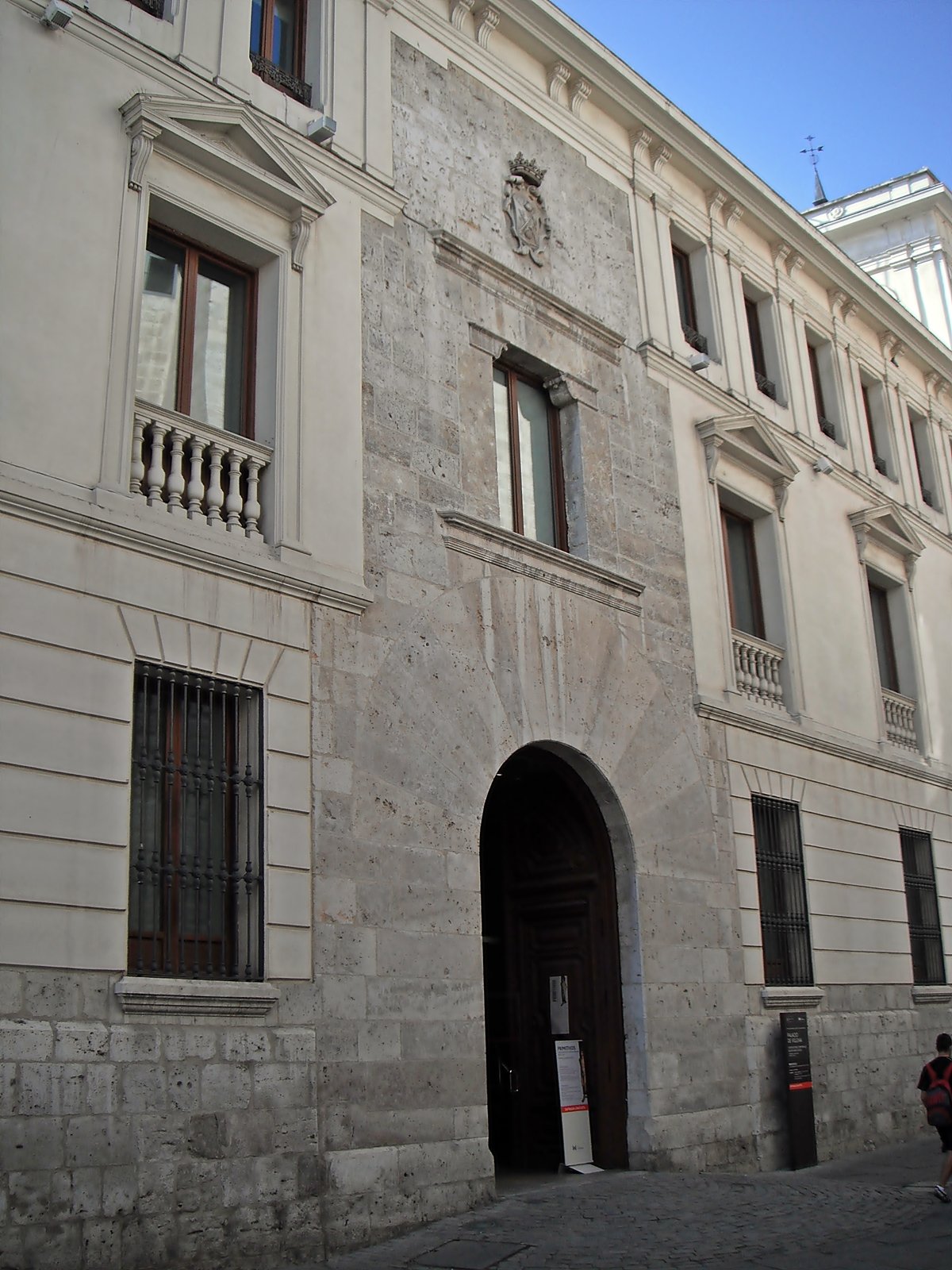
The Biblioteca Reina Sofía occupies a structure born of a much more severe intent. Between 1675 and 1679, the architect Nicolás Bueno designed the building to serve as the Cárcel de la Chancillería. During that era, it functioned as a site of judicial confinement for those under the jurisdiction of the Tribunal de la Real Audiencia.
The origins of this reconstruction are rooted in a pressing need for reform. Because previous prison houses had fallen into such decay that inmates could not safely step into the courtyards, local authorities sought a total overhaul. Although Felipe IV initially declined to provide funds from the justice budget, Nicolás Bueno eventually secured approval for a new design. The old structures were demolished to make way for this new edifice, though the available resources permitted construction only to the first floor.
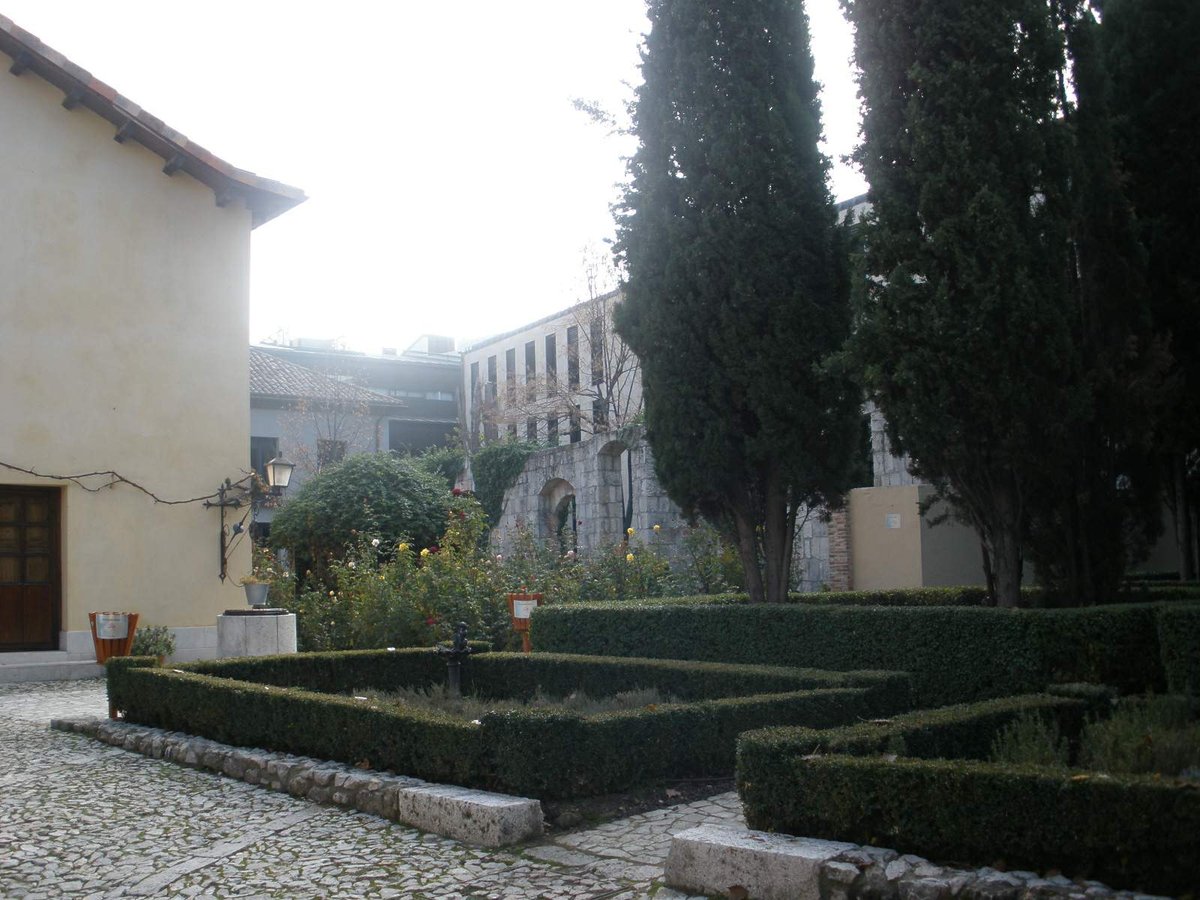
One can still sense the deliberate order of the original design within the walls. The building reflects a palace-like symmetry characterized by the Herrerian tradition, which favors restraint over the exuberance of later styles. The square floor plan centers on a courtyard held up by sturdy pillars. These walls witnessed a shift in 1935 when the building fell into disuse, only to be reused during the Spanish Civil War to house repressed women coming from the Cárcel Nueva.
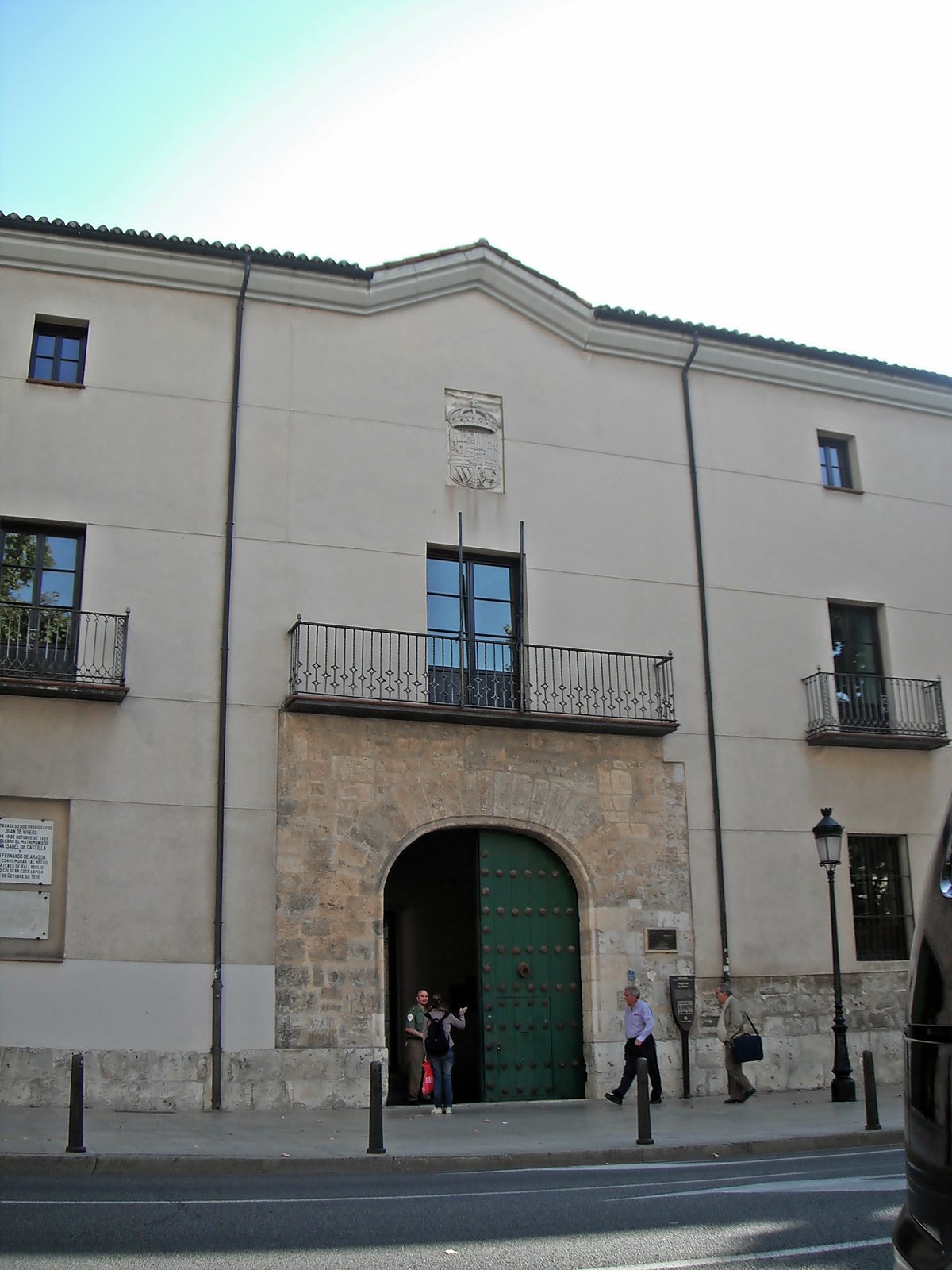
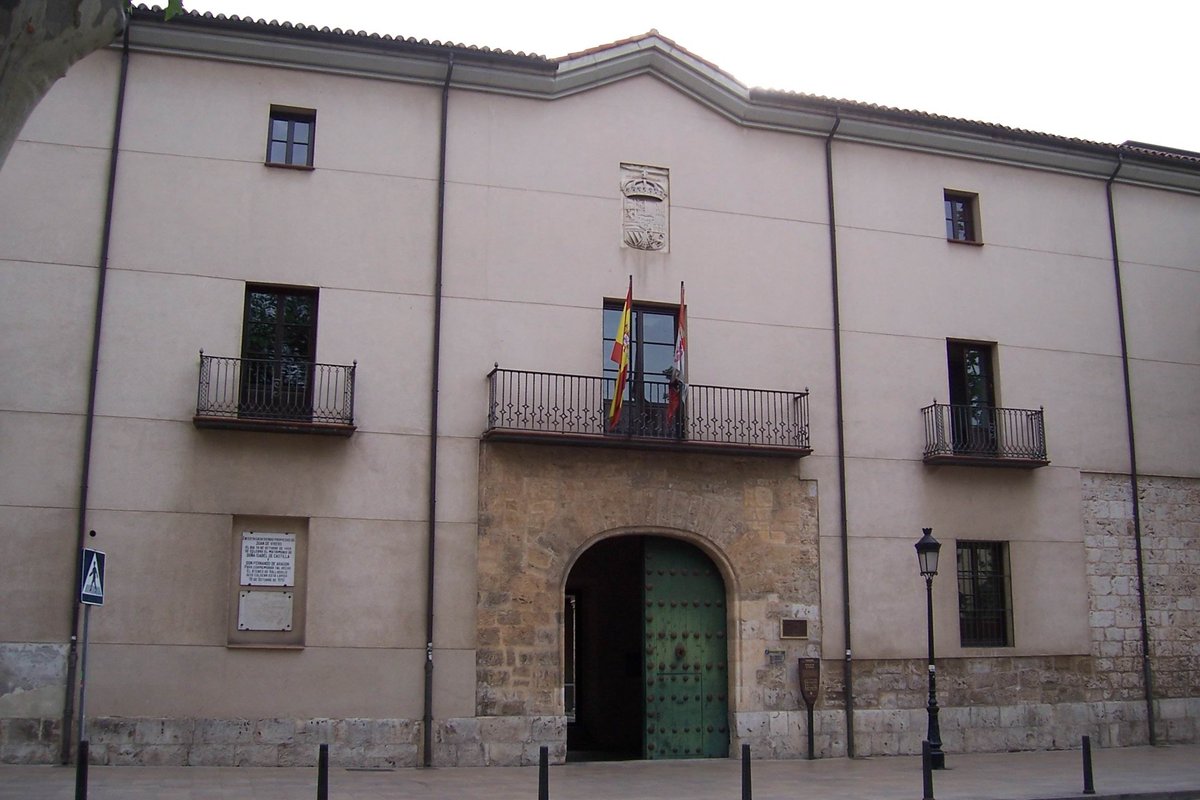
The ultimate transformation took place in 1988 when the space became a university library. It now provides a home for research and study for the University of Valladolid.
Sources: Wikipedia, OpenStreetMap, Wikidata, Wikimedia Commons
Written by Nik Frost
Discuss this with the author and others
No comments yet. Be the first to start the conversation.