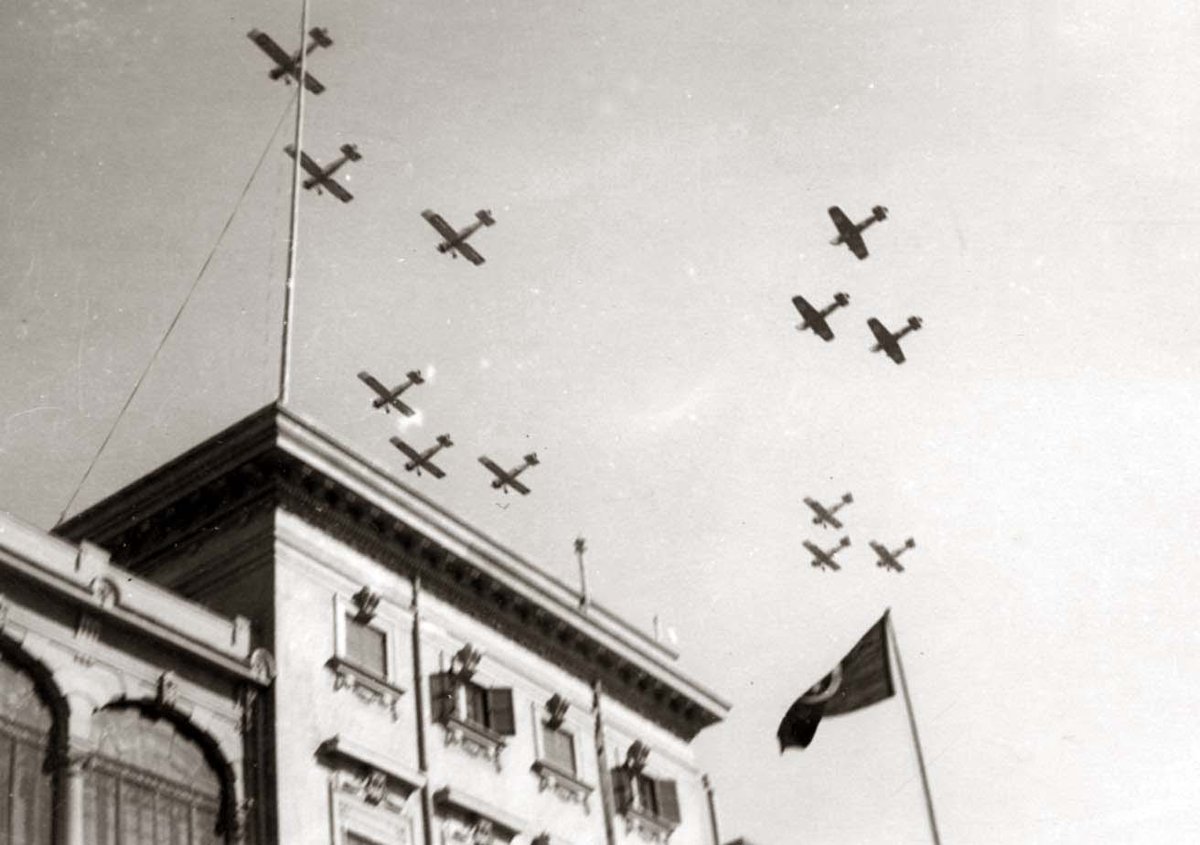

Stray through the bewitching gardens of Koubbeh Palace, nestled in the heart of the spellbound city of Cairo. This ancient abode, which has been witness to the ascension and descent of numerous esteemed Egyptian dynasties, lingers as a perpetual monument to Egypt’s appeal and cultural legacy. First created in the mid-19th century, the palace found new ownership under Khedive Ismail, who acquired it from his brother Mustafa Fazl Pasha in 1866. Under the reign of Khedive Tewfik, lavish One Thousand and One Night celebrations echoed through the halls of Koubbeh Palace, with royal weddings and forums with foreign dignitaries taking center stage.
In the latter part of the 19th century, Koubbeh Palace reflected the prestige of Cairo’s Abdin Palace in terms of officialdom. King Fouad I instigated noteworthy enhancements and extensions to Koubbeh Palace, including the construction of a six-meter wall encircling the 75-acre palace, a new entryway, and an expansive external garden. The palace was also home to a royal train station, from which visiting dignitaries would disembark directly from Alexandria or Cairo’s Main Railway Station.
Throughout history, Koubbeh Palace has been the residence of many Egyptian rulers and has been the scene of momentous events, such as the passing of King Fouad I and the funeral of President Gamal Abdel Nasser in 1970. The Shah of Iran also resided at Koubbeh Palace during his exile in Egypt. Today, Koubbeh Palace continues to be Egypt’s primary guesthouse, accommodating prestigious visitors from across the world.
Sources: Wikipedia, OpenStreetMap, Wikidata, Wikimedia Commons
Written by Mutabor
Discuss this with the author and others
No comments yet. Be the first to start the conversation.