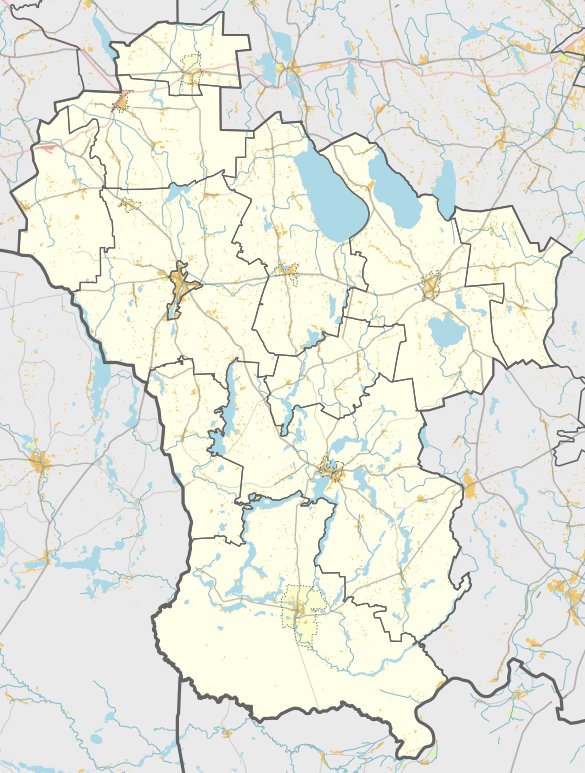
Last month, an exciting news broke about a recent archaeological expedition that took place in Lithuania's Giraitės piliakalnis, a protected archaeological site. Nine previously unrecorded fungal species, identified by the expedition's leader Dr. Reda Išėnaitė, have been discovered. These fungi include the Xerocomus ripariellus, which forms mycorrhizal associations with willows and alders, and the Parasola leiocephala, a short-lived species that digests itself after a few hours. This discovery enriches Lithuania's biodiversity and highlights the importance of preserving natural forests. Each newly discovered species is a living testament to the value of these ecosystems. The mound, named Second Moša Mound, dates back to the first millennium AD and is a testament to human settlement in the region. The territory of this cultural heritage site is protected and covers an area of 5800 m².
Sources: Wikipedia, OpenStreetMap, Wikidata, Wikimedia Commons
Written by Nicolo Ciampini
Discuss this with the author and others
No comments yet. Be the first to start the conversation.