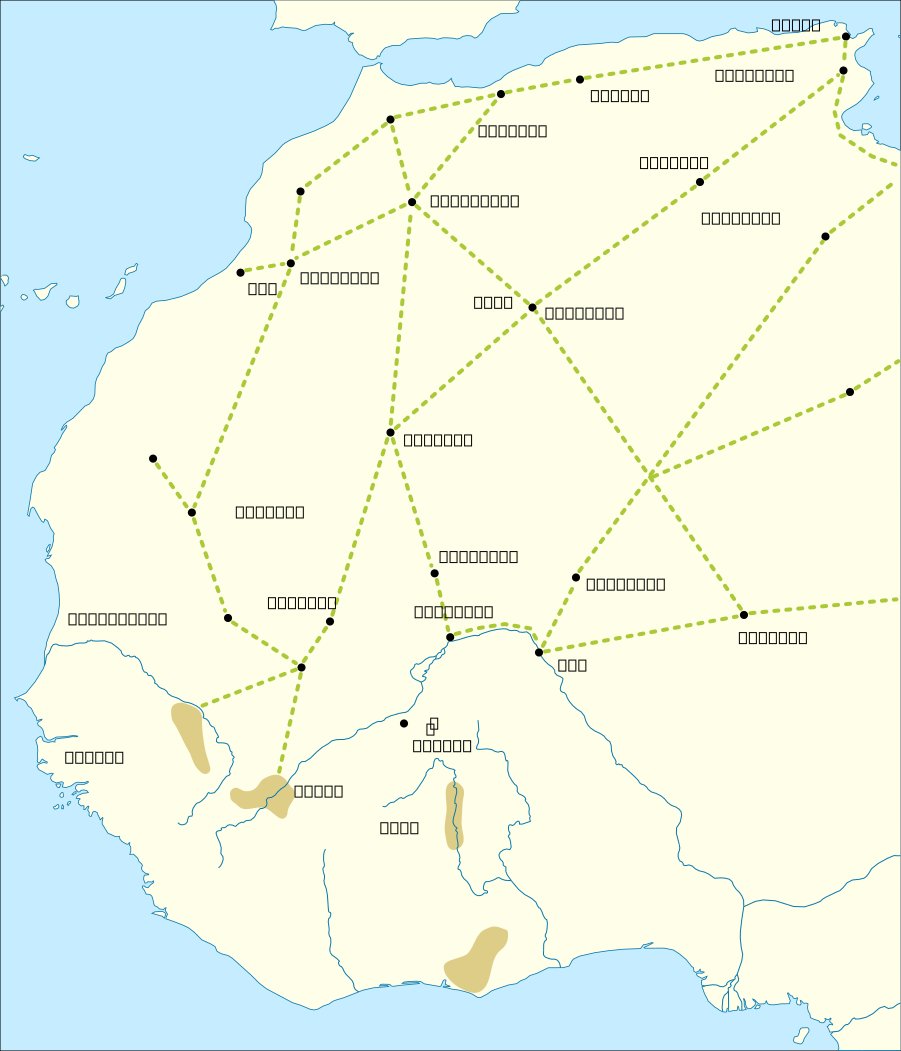

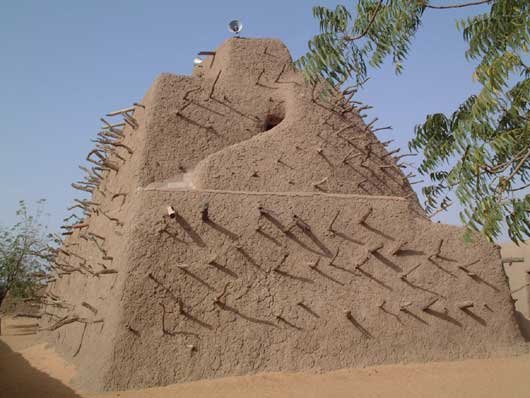
Nestled beneath the sun-kissed skies of Mali, Tadmakka stood tall for hundreds of years, a significant halt for trading caravans. Situated near the heart of the Essouk valley, it served as the last station before entering the Sudan, a vast expanse beyond. Long before modern times, this hidden gem was first mentioned in the 10th-century Arabic texts, praised for its design. As Spanish-Arab historian and geographer al-Bakri once declared, Tadmakka was better built than Ghāna or Kawkaw, home to Muslim Berbers who lived on meat and grain, with sorghum and other grains imported for them from the land of the Sūdān.
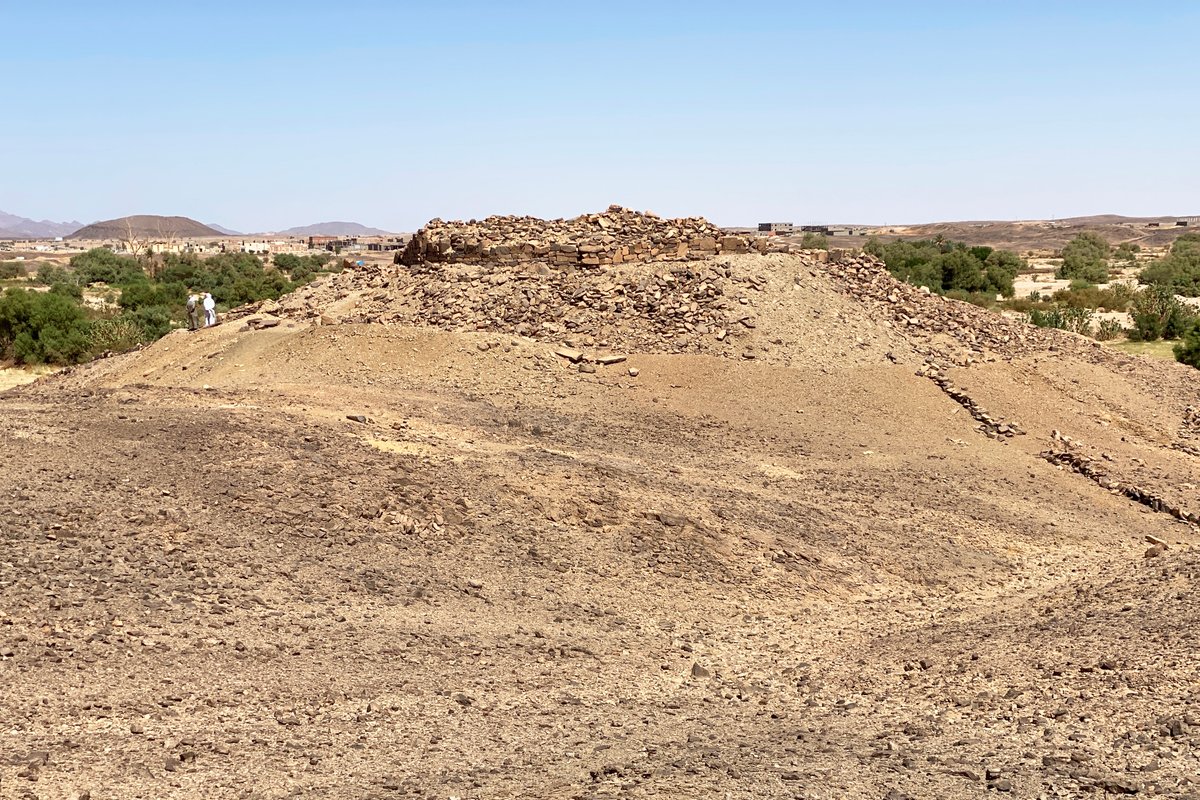
Archaeological excavations were carried out between January and March in 2005 by a team led by Sam Nixon, unveiling dates from the middle of the 8th century. Today, the remnants of Tadmakka span over a kilometre, with a central section built on a small island, and bearing tangible links to trade with Ghana and Gao, the first historically documented West African states. Tadmakka is often recognized as the 'cradle of Tuareg civilization'.
Sources: Wikipedia, OpenStreetMap, Wikidata, Wikimedia Commons
Written by Mutabor
Discuss this with the author and others
No comments yet. Be the first to start the conversation.