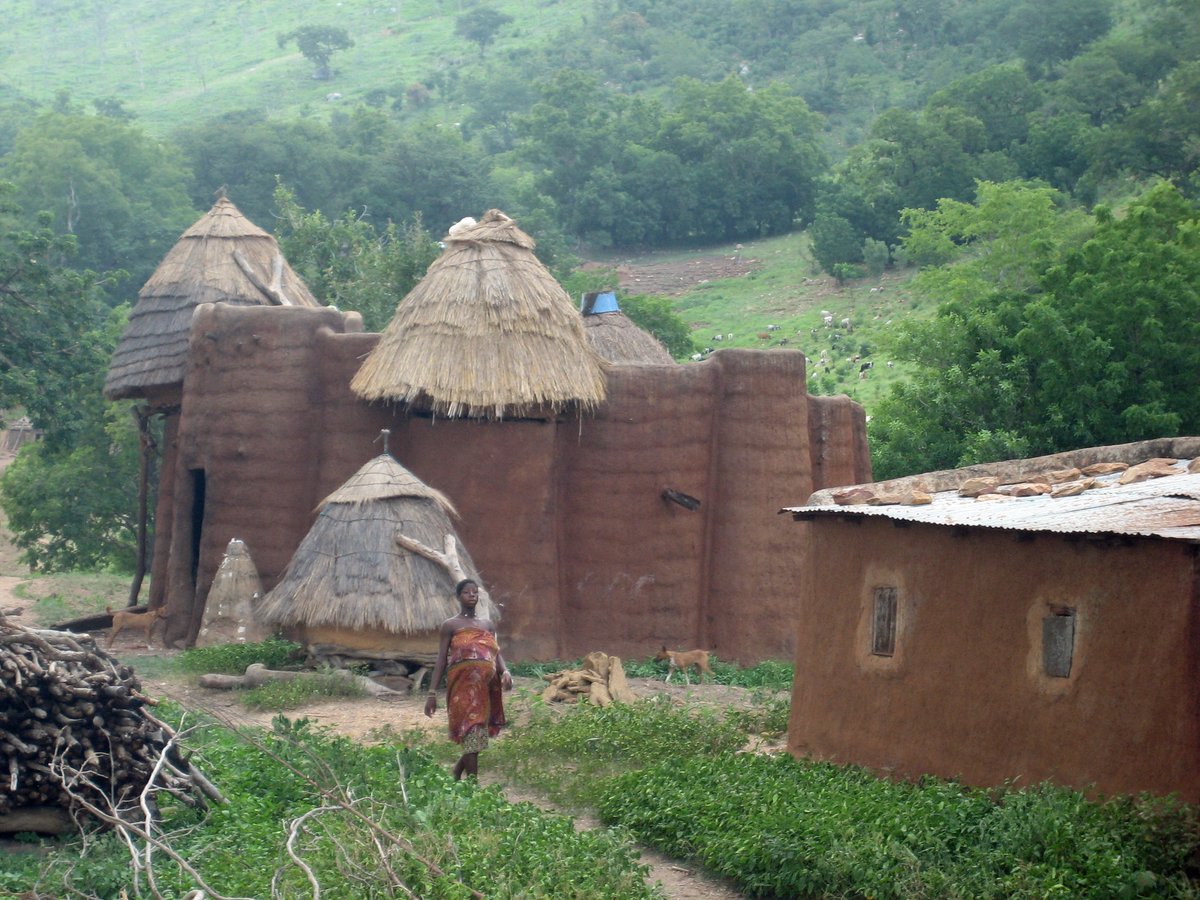

Koutammakou, the Land of the Batammariba, is a cultural landscape designated in 2004 and expanded in 2023 as a UNESCO World Heritage Site at the border between northern Togo and Benin. The area features traditional mud tower-houses which remain the preferred style of living. These houses, known as Siken, are a national symbol of Togo and many feature two floors with flat roofs.
The Tammari peoples have lived on this site for hundreds of years, migrating to the area sometime during the 17th or 18th century. The Siken homes reflect the unique animistic beliefs and traditions of the community. To ensure the preservation of these customs, a program was established in 2008 to promote the intergenerational transmission of skills and knowledge, including the manufacture of ceremonial objects, traditional healing, and oral traditions.
Dominique Sewane played an important role in the site's designation through her research and publications on the Batammaribas' ceremonial life. Her work includes reports on the safeguarding of the community's intangible cultural heritage and studies on their rites and thoughts. UNESCO also organized a mission in 2018 to assess the impact of heavy rains on the habitat and intangible heritage of the site.
Sources: Wikipedia, OpenStreetMap, Wikidata, Wikimedia Commons

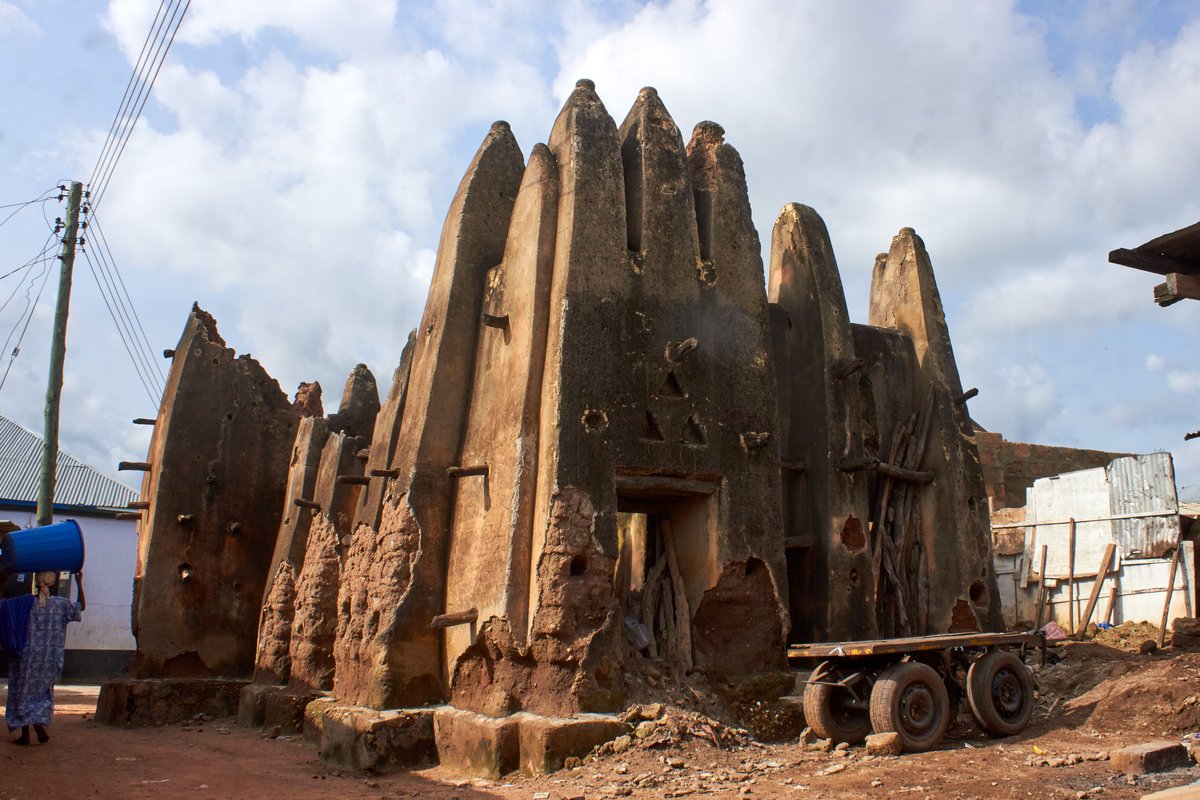
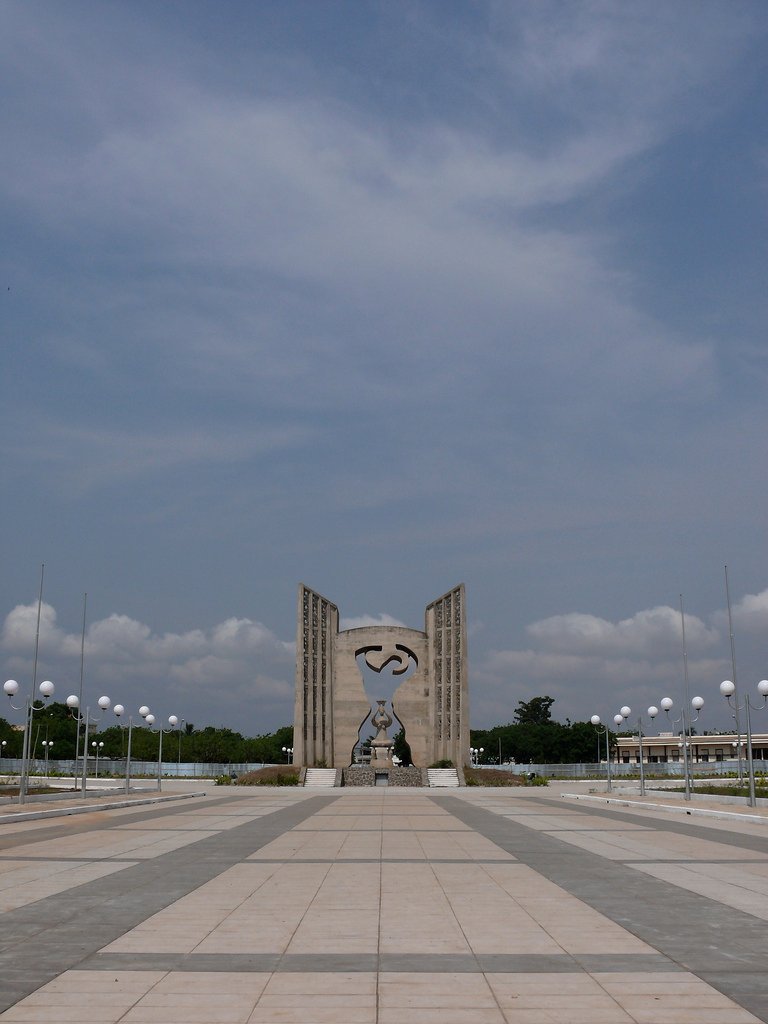
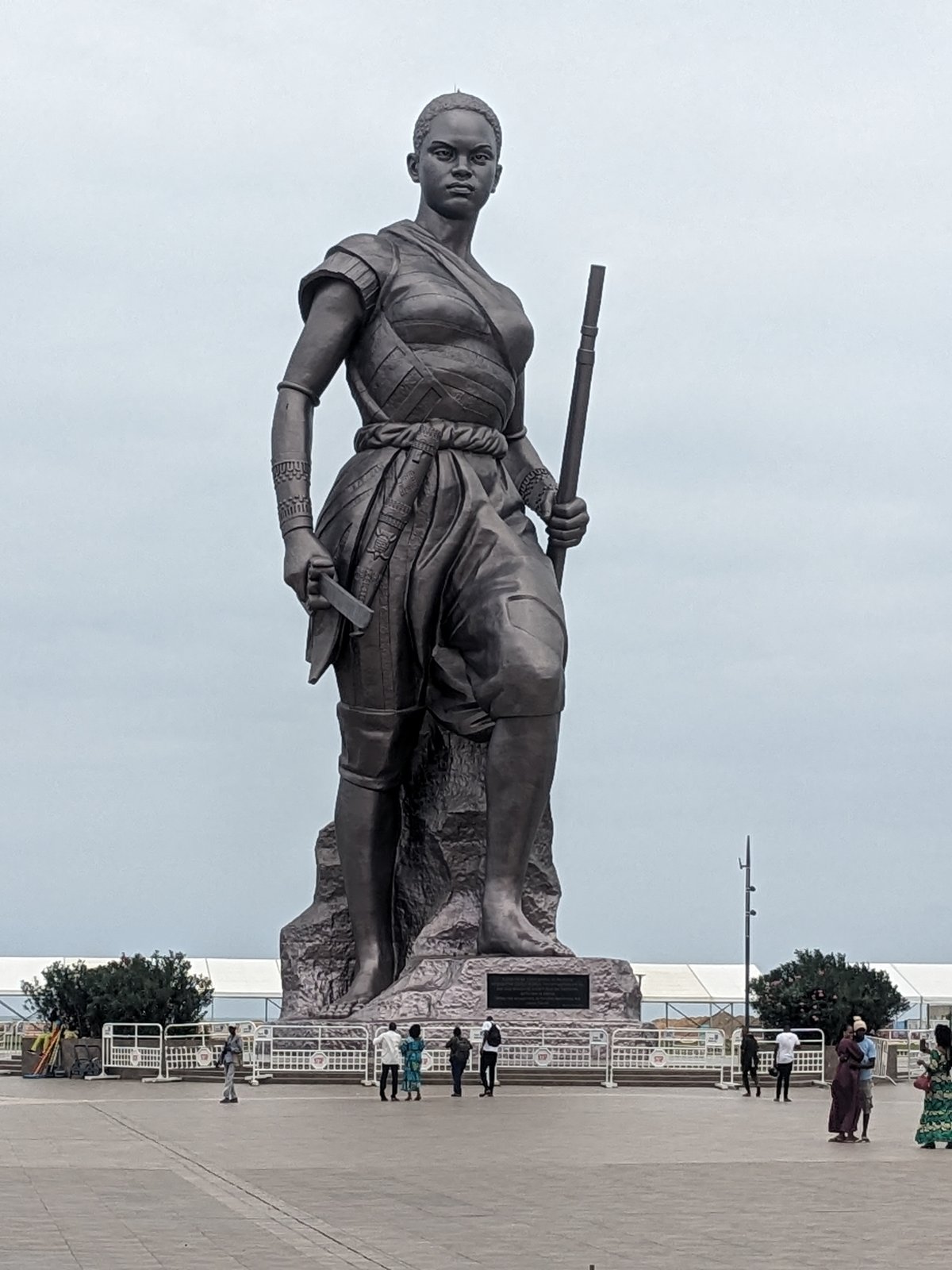

Written by Mutabor
Discuss this with the author and others
No comments yet. Be the first to start the conversation.