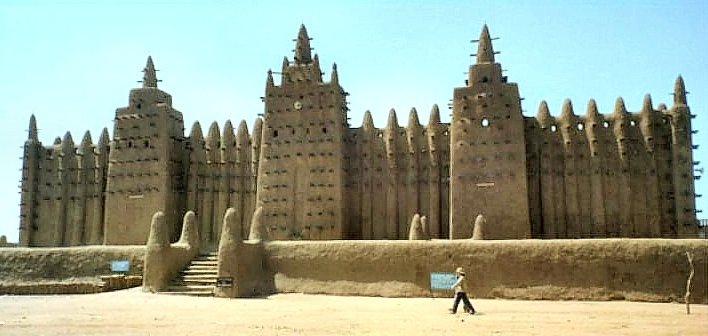

A great mound of earth rises from the Niger River Valley, a tear-shaped heap of history reaching six metres into the sky. This is Djenné-Djeno, the original site of Djenné and a place where complex societies flourished long before the desert winds brought outsiders to its gates.
Occupied from 250 BC to 1400 AD, the site is believed to have been involved in long distance trade and the domestication of African rice. These early ceramic and metallurgical attestations provide evidence that the Inland Niger Delta was integrated into trans-Saharan exchange networks well before the Arab conquests of North Africa. This site disproves old ideas that such traditions only developed after northern trade began.
Residents created terra-cotta figures of humans and animals, which may have had a ritual function. Among these treasures is a human statuette found on a house floor surrounded by small bowls of suspected offerings. The urban complex consisted of 40 mounds within a four-kilometer radius, allowing communities to specialize in trade while remaining in close proximity to exchange goods.
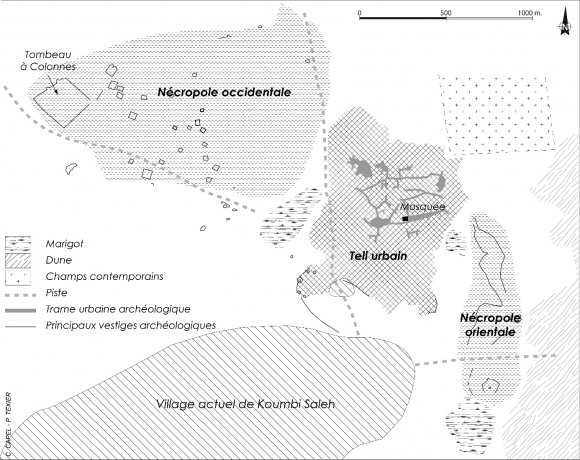
By 1000 AD, the city reached its maximum extent of over 33 hectares, but the population eventually experienced a slow decline and total abandonment. The people left behind a large tear-shaped mound, known as a tell, surrounded by 69 other occupation mounds created through the building and rebuilding of houses. Today, the site stands as a silent witness to an egalitarian world that thrived in the delta.
Sources: Wikipedia, OpenStreetMap, Wikidata, Wikimedia Commons

Written by Mutabor
Discuss this with the author and others
No comments yet. Be the first to start the conversation.