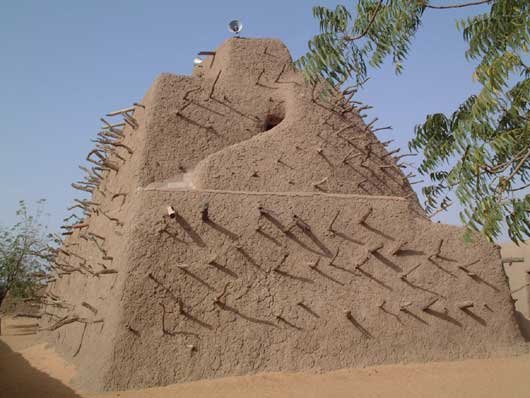

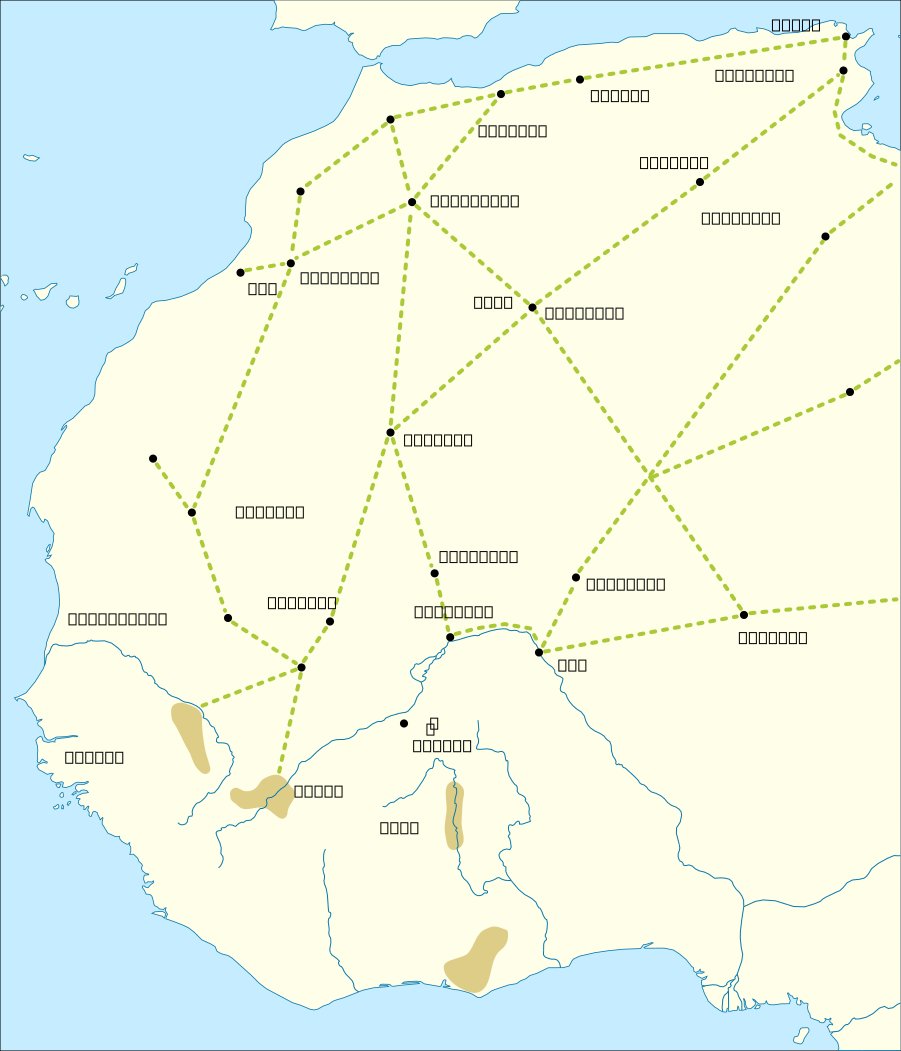
In the town of Gao, the Tomb of Askia stands as a spectacular 17-meter pyramidal structure. Built in 1495 by Askia Mohamed, Emperor of the Songhai Empire, the monument serves as a testimony to the power and wealth of an empire that flourished during the 15th and 16th centuries. This prosperity was largely driven by the empire's control of trans-Saharan trade, specifically the trade of salt and gold.
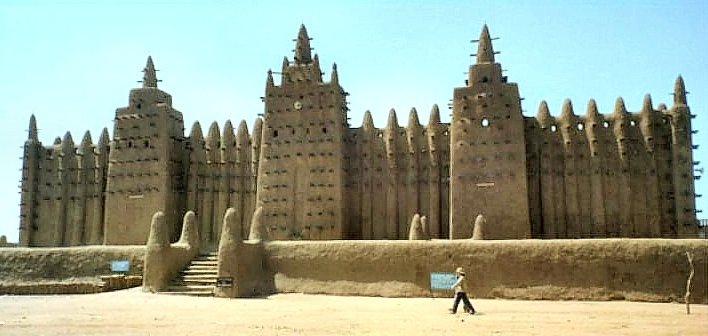
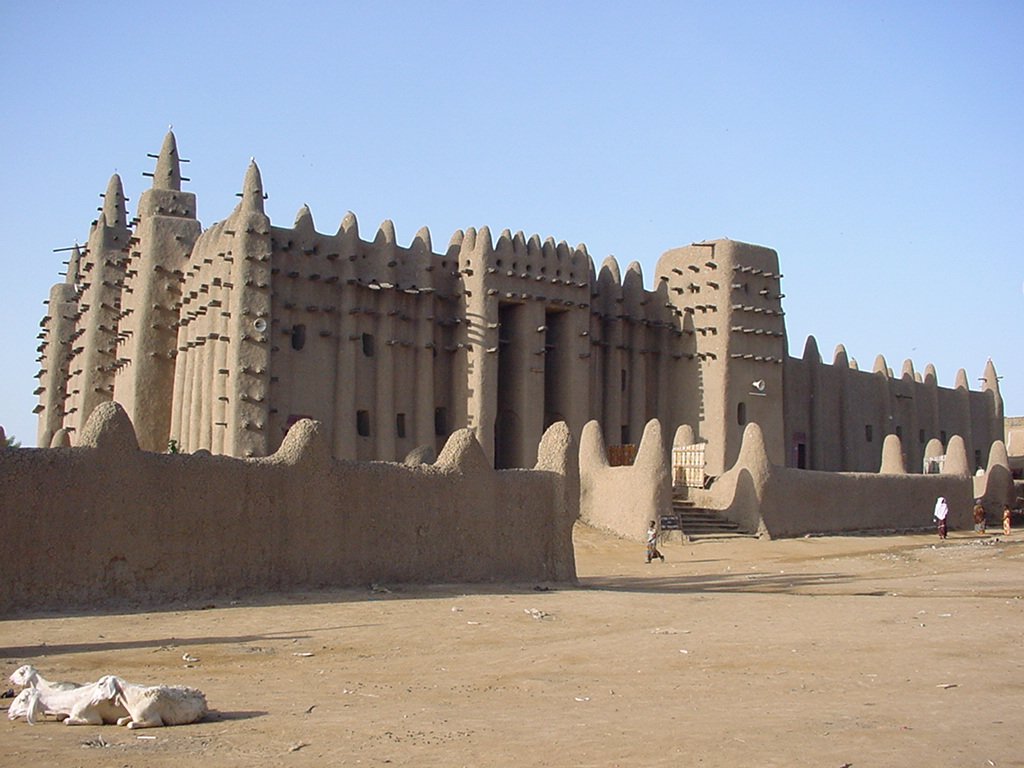
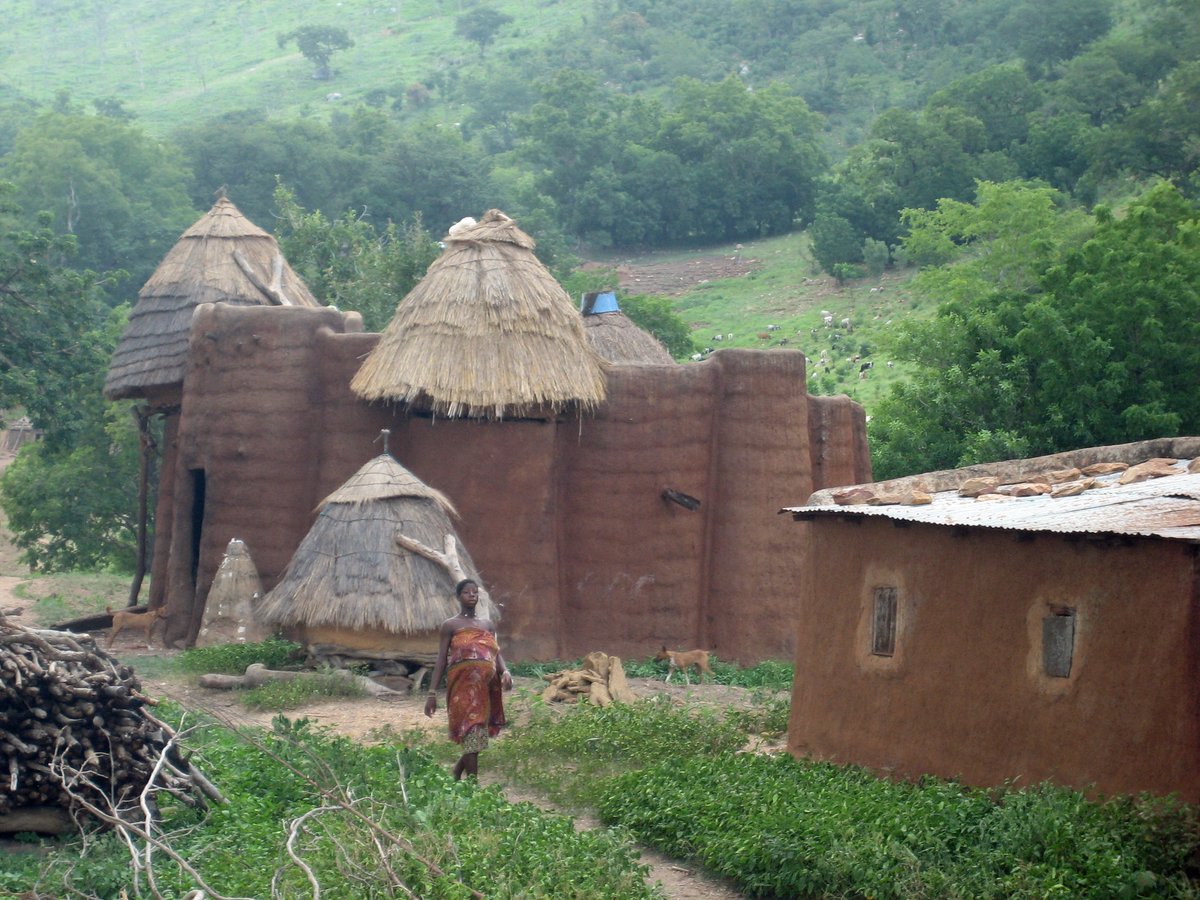
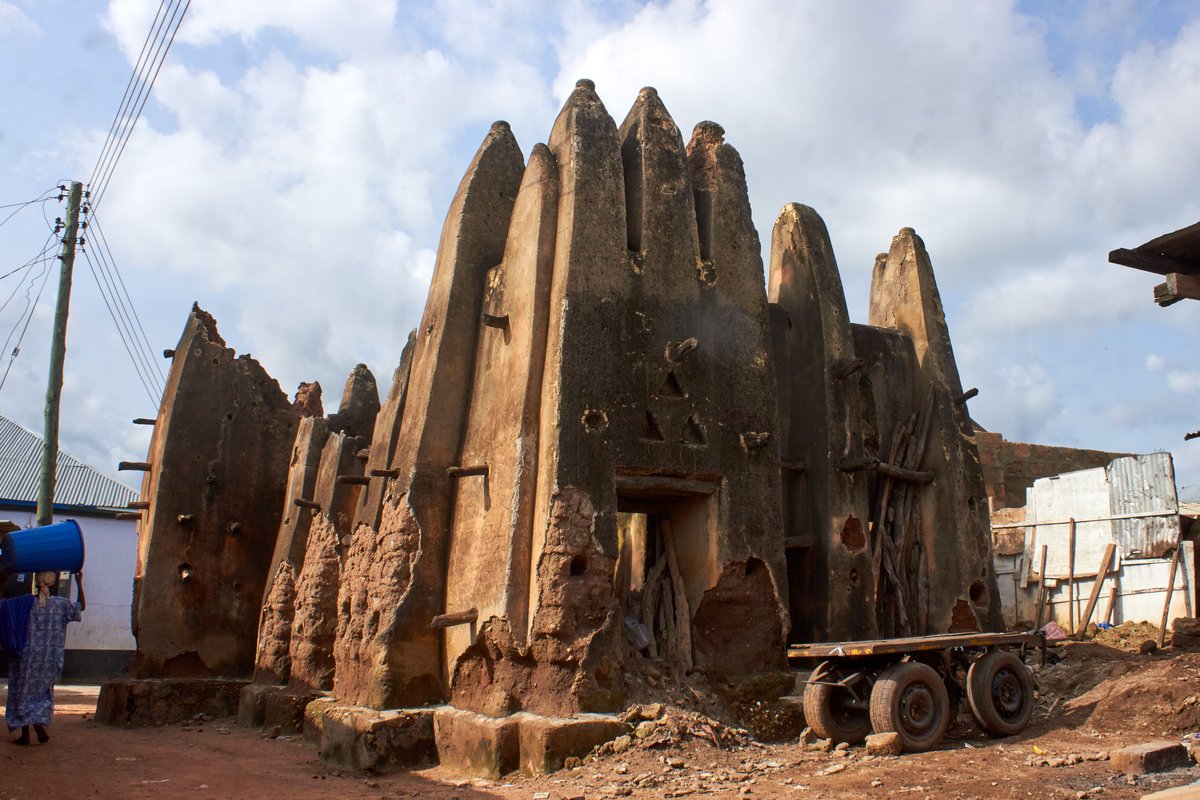
The complex was established when Gao became the capital of the Songhai Empire and Islam was declared the official religion. The site includes the pyramidal tomb, two flat-roofed mosques, a mosque cemetery for members of the Askia dynasty, and an open-air assembly ground. It serves as a primary example of the Sudano-Sahelian architectural style, which is characterized by the use of banco - a material made of clay and straw.
Because of the way rains erode the surfaces in the Sahel, the buildings require regular maintenance. A new layer of plaster must be applied periodically to preserve the structures. The pyramidal form of the tomb is sometimes compared to the pyramids of Egypt, a potential influence from Askia Mohamed's pilgrimage to Mecca, where he may have observed different architectural traditions.
Today, the site is listed as a site in peril. It faces threats from hardline groups who believe that monuments should not be beautiful or decorated, as they view art as a distraction from religious worship. These groups may destroy mosques and cemeteries that do not meet their strict interpretations of the law. Despite these threats, the tomb remains a significant vestige of the Songhai Empire's cultural and architectural heritage.
Sources: Wikipedia, OpenStreetMap, Wikimedia Commons

Written by Mutabor
Discuss this with the author and others
No comments yet. Be the first to start the conversation.