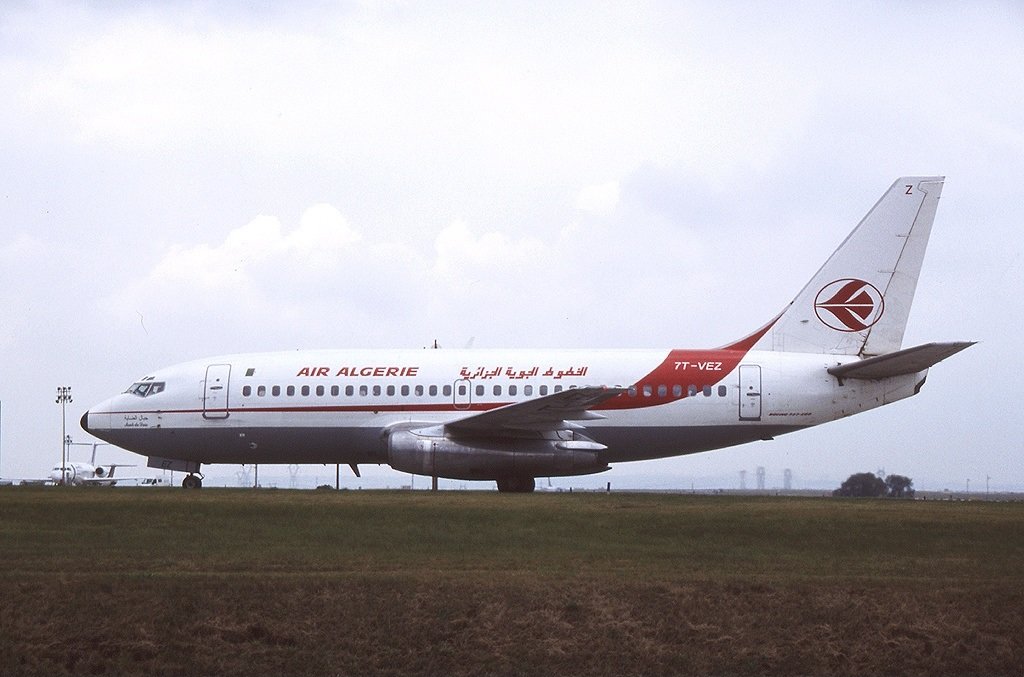

In the searing heat of the desert, a Boeing 737 ascended into the brilliant sky from Tamanrasset. This city, home to the Tuareg people and rich with ancient ruins, drew many Algerians and travelers alike. Among those seeking the horizon were 14 members of the Mouloudia football team, traveling toward Ghardaïa for a regional qualification match.
At the helm sat Fatima Yousfi, the first woman to pilot a commercial craft for Algeria. Soon after the wheels left the earth, a violent explosion tore through one of the engines. The roar of the blast reached the ears of those in the control tower while debris fell like falling stars onto the runway. The great machine swayed to the left and veered to the right as the crew struggled against the invisible tide.
Officer Yousfi spoke of a small problem as the plane climbed with its landing gear still stretched toward the ground. Yet, the captain seized the controls without truly grasping the nature of the ruin. Because he could not perceive the true source of the catastrophe, no proper path to safety was found. The speed fell until the wings gave up, and the craft plummeted into a field, striking the earth on its right side and bursting into a pyre of flame.
Of the 103 souls on board, only one remained to recount the horror. Youcef Djillali, a 28-year-old soldier seated in the final row with his belt unfastened, was cast out from the wreckage upon impact. He lay in a deep coma with many wounds but woke the next day, the lone survivor of the deadliest aviation disaster in Algerian history.
Sources: Wikipedia, OpenStreetMap, Wikidata, Wikimedia Commons
Written by Mutabor
Discuss this with the author and others
No comments yet. Be the first to start the conversation.