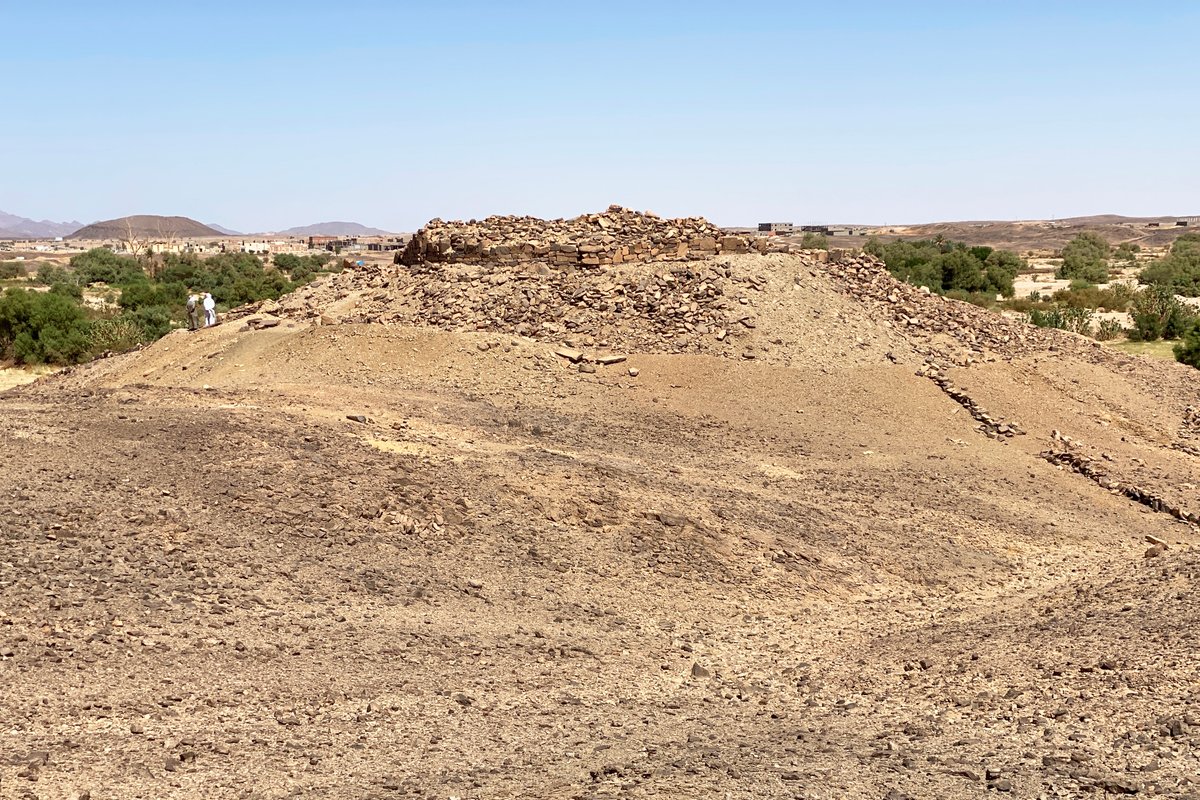

The Tin Hinan Tomb is a monumental sepulchre located at Abalessa in the Hoggar Mountains of southern Algeria. It was built for Tin Hinan, a woman of prestige whose skeleton was found in a pre-Islamic tomb in the Ahaggar Mountains. The Tuareg refer to her as Tamenokalt, which means queen, or as 'woman of the tents'. She is also known as 'Queen of the Hoggar' or 'Queen of the camp'.
Archaeologists opened the tomb in 1925 and 1933, discovering the skeleton of a woman lying on a wooden litter with her head facing east. She was buried with heavy gold and silver jewellery adorned with pearls, including seven silver bracelets on her right forearm and seven gold bracelets on her left. Other items found included a complex necklace of gold and pearls, a glass goblet, and gold foil bearing the imprint of a Roman coin of emperor Constantine I issued between 308 and 324 AD.
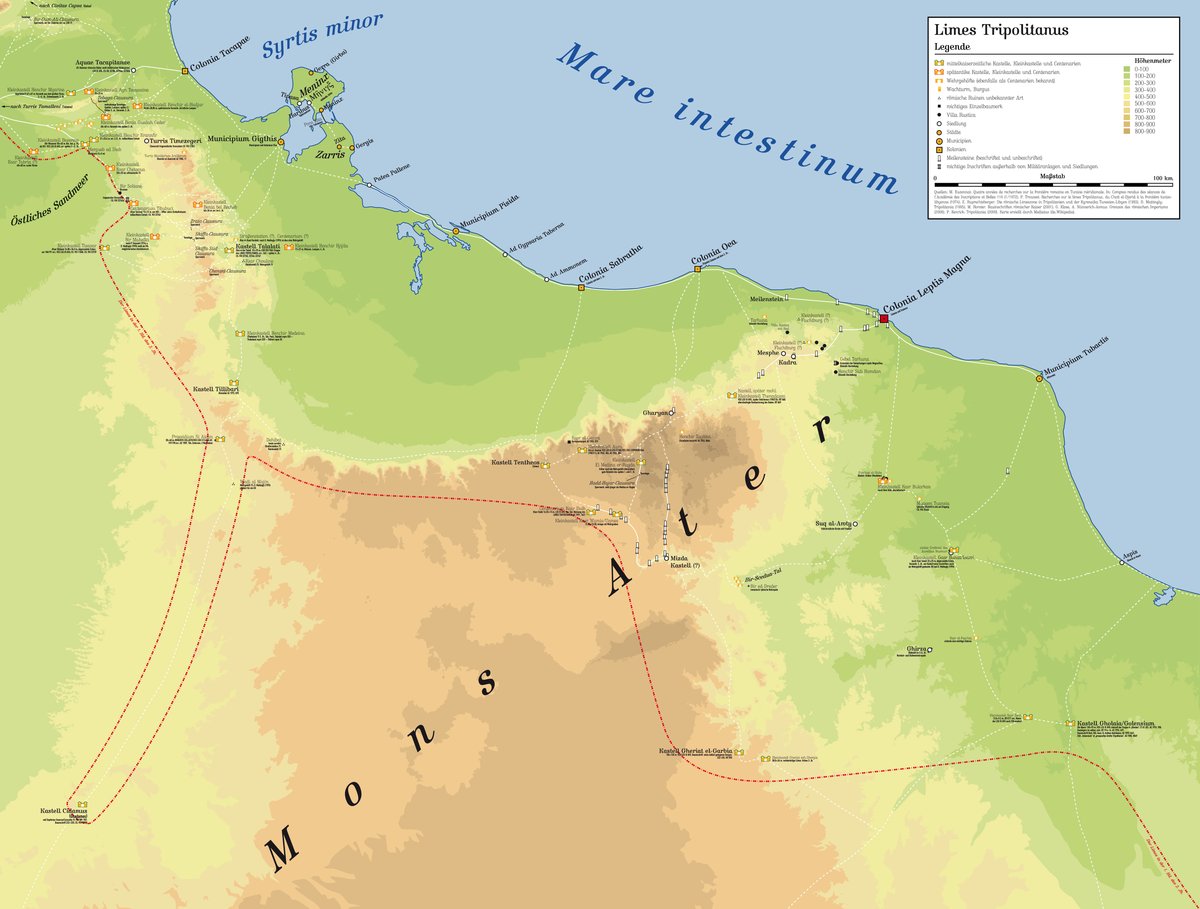
The monument is constructed in an architectural style that was widespread in the Berber Sahara during classical times. While some early explorers suggested the tomb might be built on top of an earlier Roman castrum from around 19 BC, most scholars today reject this hypothesis. The remains of the woman, which were found to be tall and lithe, are now kept in the Bardo Museum in Algiers.
Sources: Wikipedia, OpenStreetMap, Wikidata, Wikimedia Commons

Written by Mutabor
Discuss this with the author and others
No comments yet. Be the first to start the conversation.