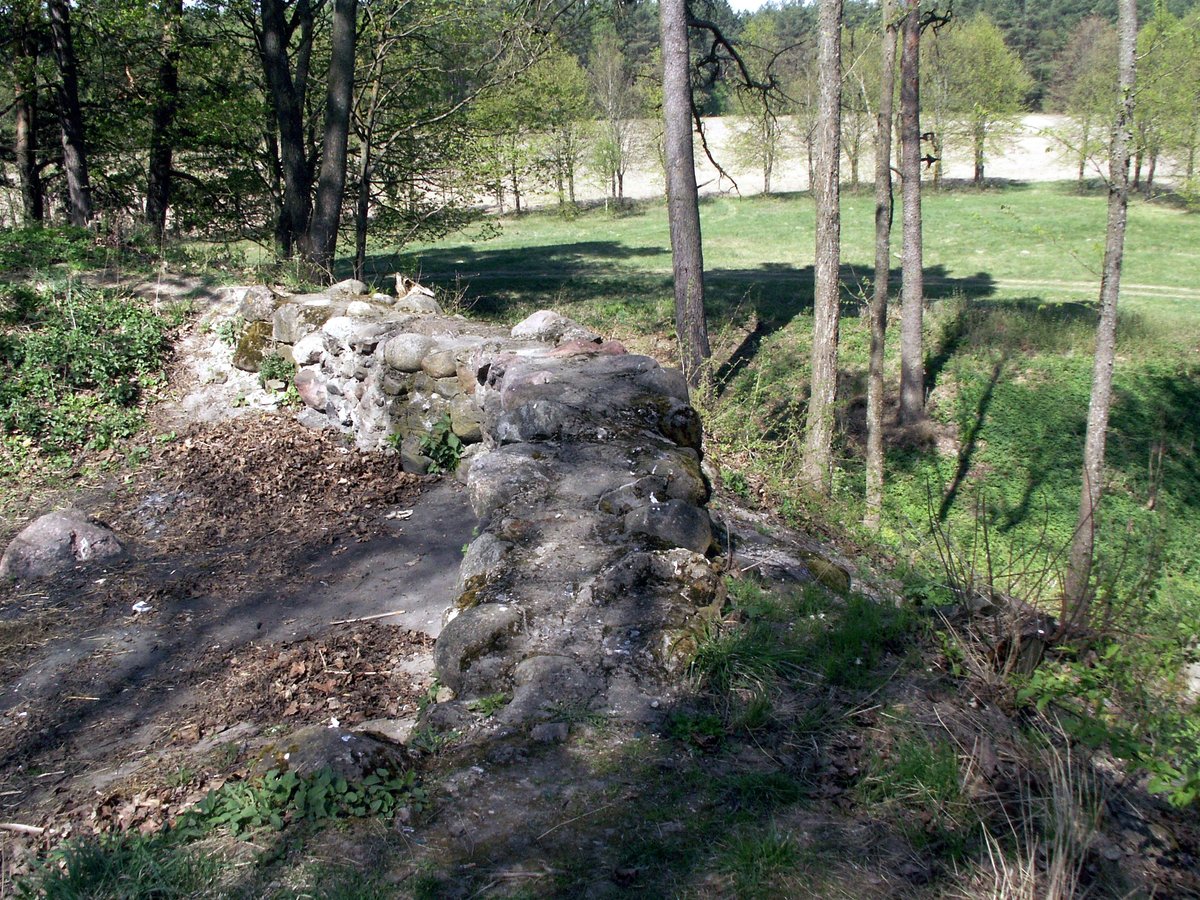

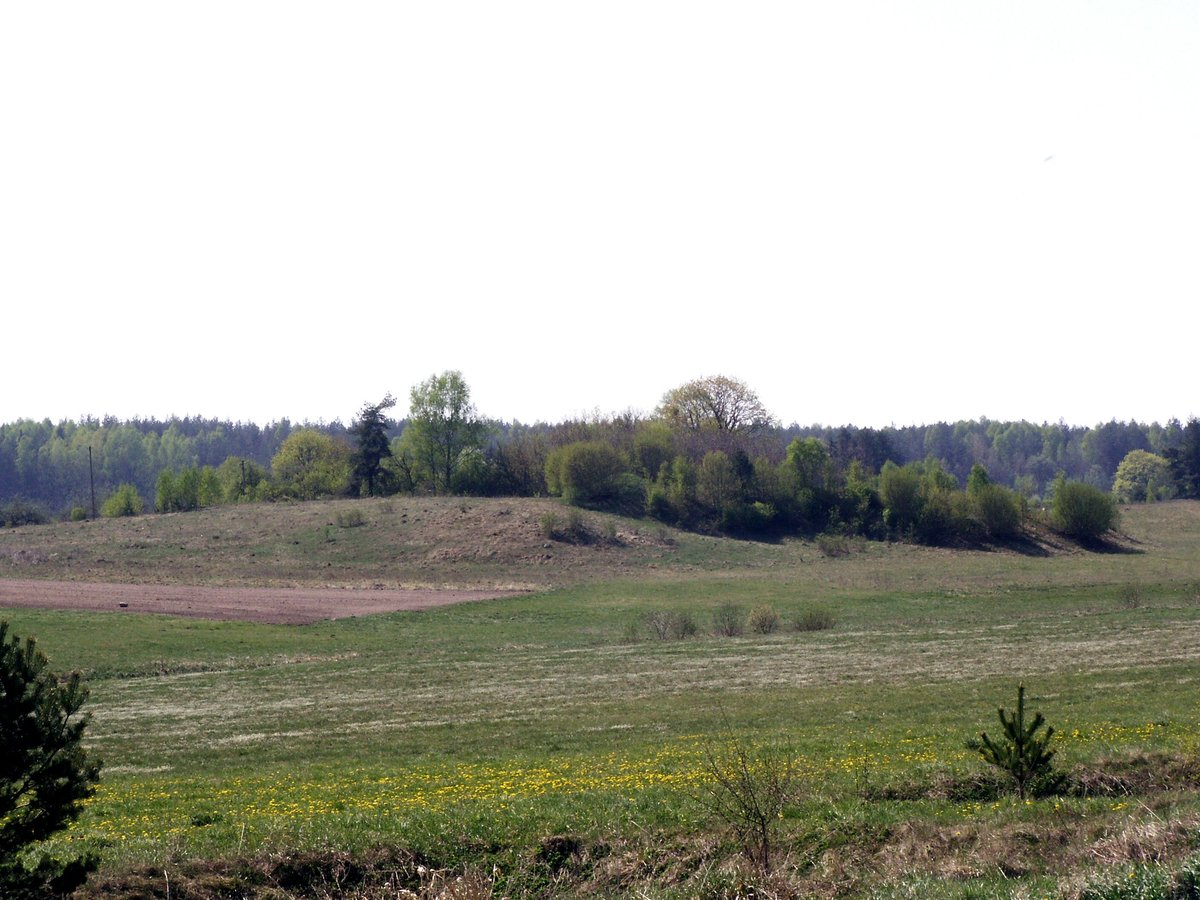
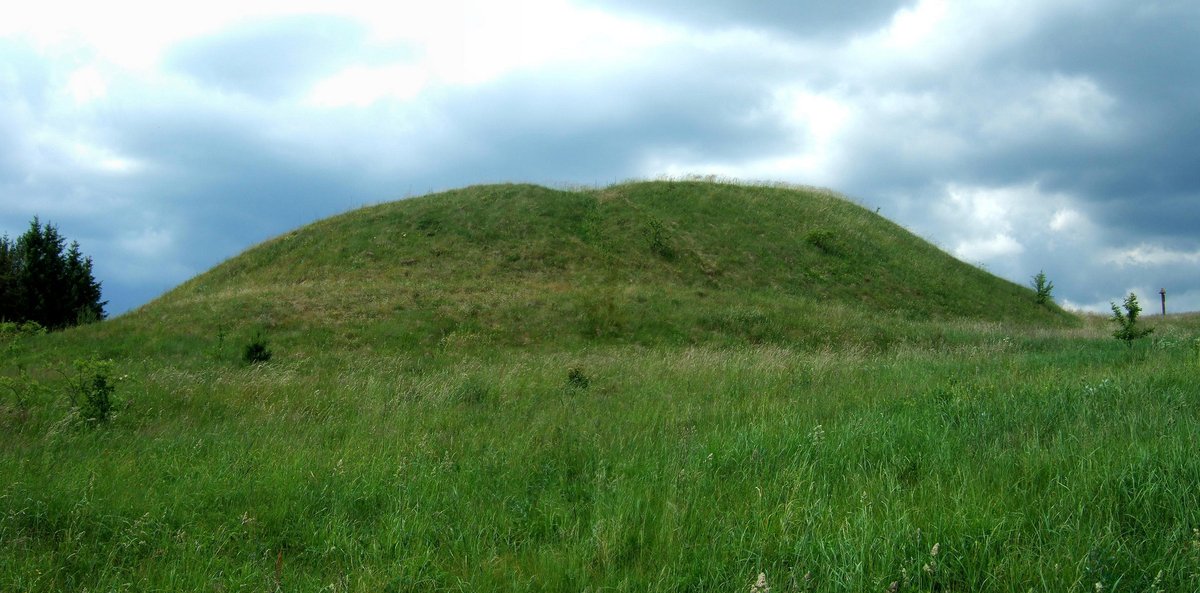
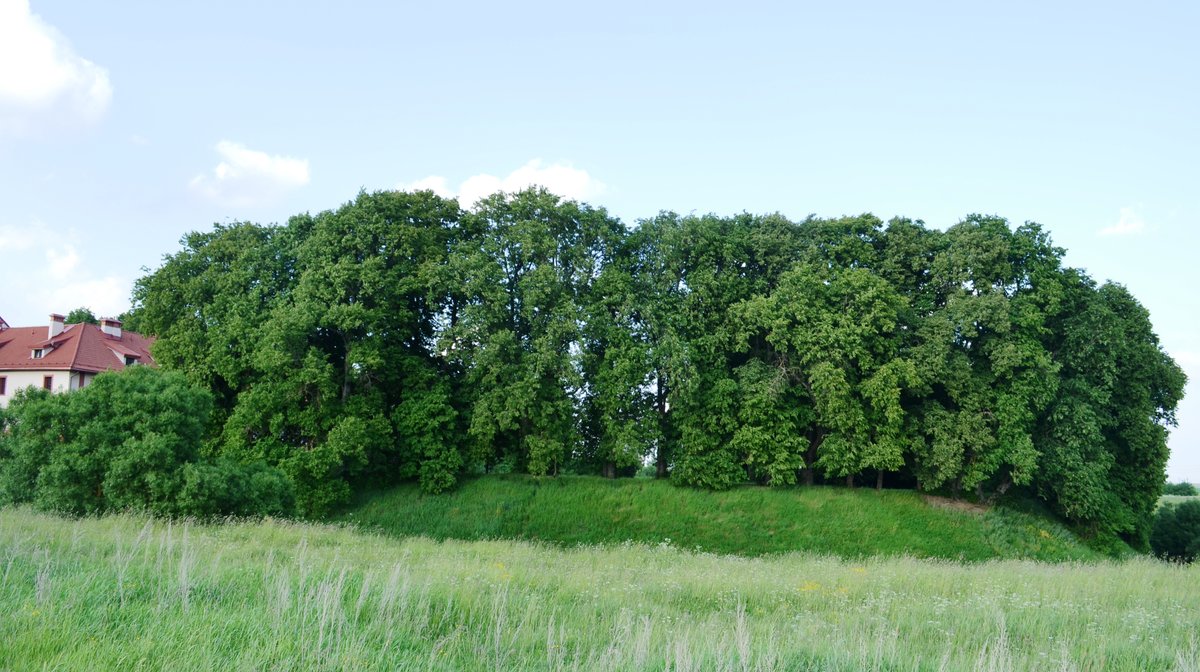
Why does Eišiškių piliavietė feel like a prototype? Some researchers believe it served as the blueprint for the massive Medininkas castle. It sits in the landscape as a hill fort with an 84 by 112 metre courtyard, guarded by a 4 metre high bank and a 26 metre wide ditch.
What does the ground actually tell us? In the northwest corner, the ruins of a multi-sided or round stone tower remain. These are likely the old gates of the fortification. There are also distinct entrances in the eastern and western parts of the bank, probably dug later to accommodate more traffic.
When was it actually built? The dates are a bit of a mess, but the records point to the second half of the 13th century or the 14th century. Legend says a man named Eišys built it in the early 1300s, while others claim it belonged to Sudimantas, the father of Grand Duke Vytautas. It is a classic example of a defensive system combining a long horizontal wall with a tall, dominant tower.
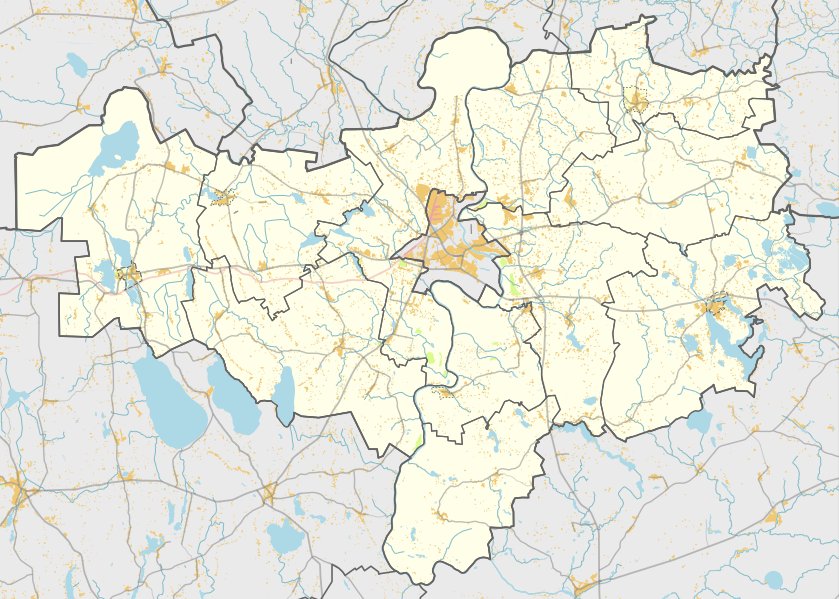
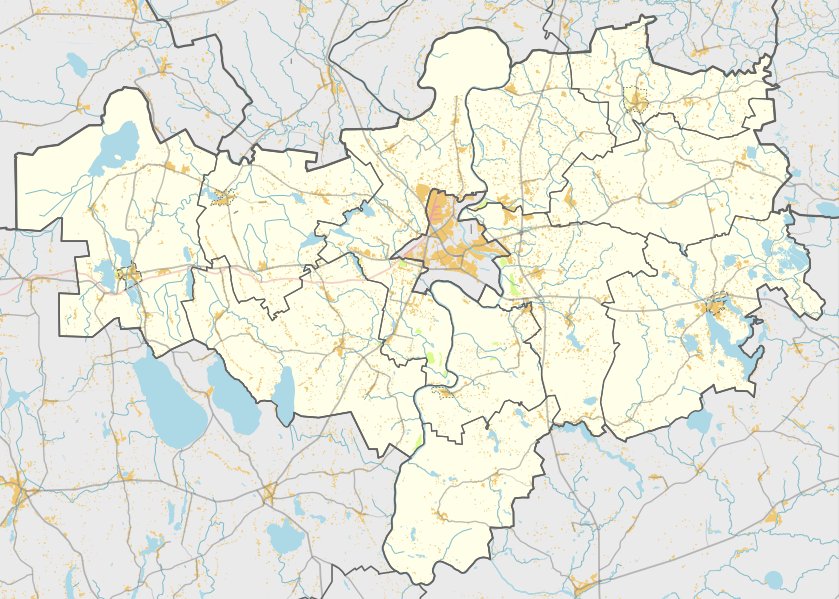
What else happened here? It wasn't all medieval warfare. In 1830, an optical telegraph station for the Petersburg-Warsaw route stood on this site. Only the foundations of that 15 by 10 metre building remain today. You can find it by heading east from Eišiškės on road 126.
Sources: Wikipedia, OpenStreetMap, Wikidata, Wikimedia Commons

Written by Nicolo Ciampini
Discuss this with the author and others
No comments yet. Be the first to start the conversation.