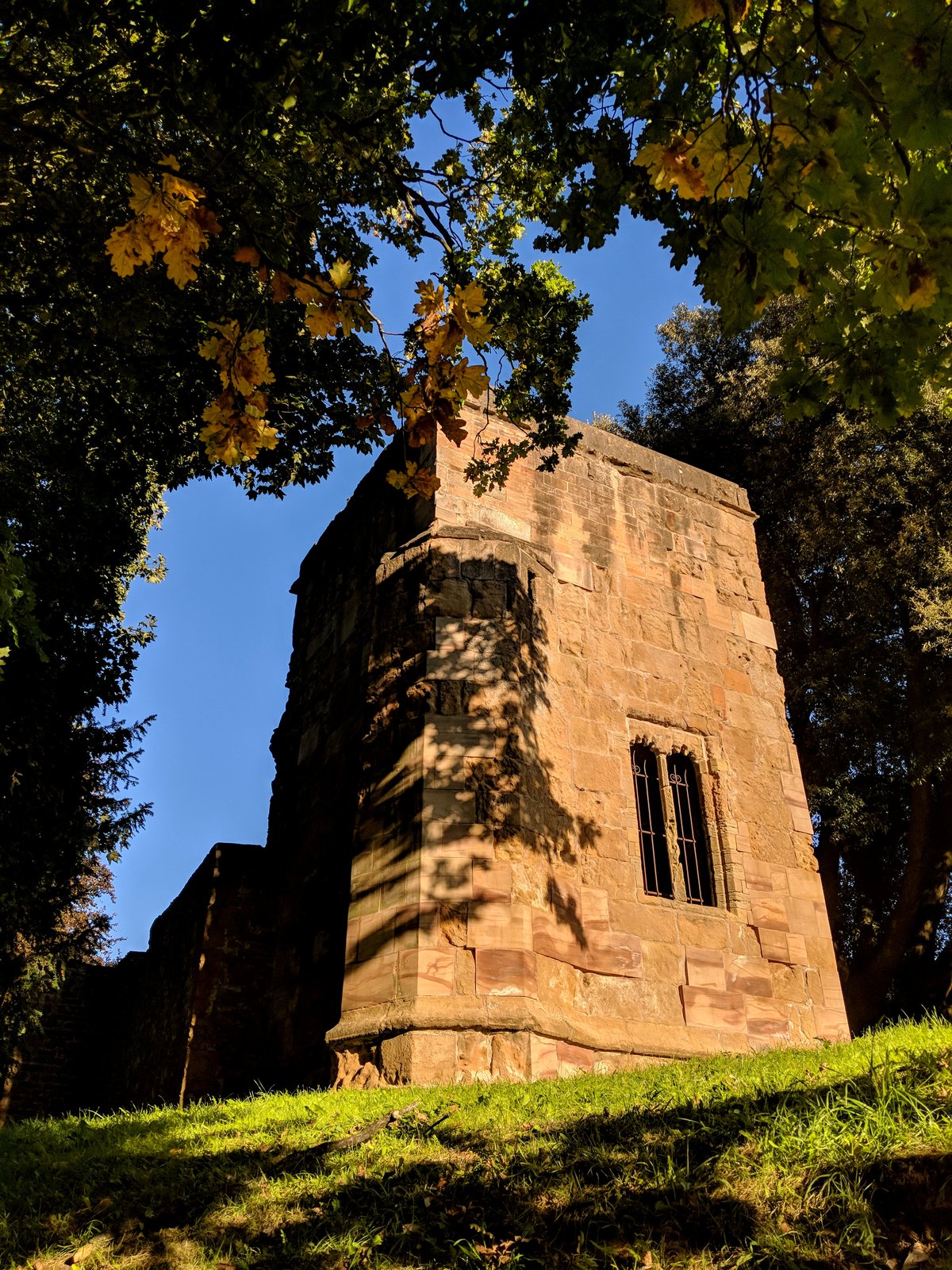

Nestled within the Nottinghamshire countryside, the Annesley Old Church is a 14th-century relic that replaced a previous Norman building on the same site in 1356. Built by the Annesley family, the church has been a site of historical significance, featuring a roofless west tower, nave, chancel, and a large 14th-century lady chapel to the south. This chapel, known as the Felley Chantry, once belonged to the patronage of the priory at Felley and contains three fine sedilia and a piscina.
The site underwent various changes, including the construction of a flight of steps and a coat of arms carving by Patrick Chaworth, 3rd Viscount Chaworth, in 1686. While a new church was consecrated in 1874 to serve a growing mining community, occasional services continued at the old church until 1942. Following this, the building fell into disrepair until Ashfield District Council completed a restoration and preservation program in 2012 to make the site safe and accessible to visitors.
The church remains a notable landmark, measuring approximately 35 metres by 14.5 metres and surrounded by a graveyard containing 17th- and 18th-century grave markers. Its historical importance is recognized by its Grade I listing and status as a Scheduled monument. The church also holds a place in literary history, appearing in the writings of both Lord Byron and D. H. Lawrence.
Sources: Wikipedia, OpenStreetMap, Wikidata, Wikimedia Commons


Written by Nicolo Ciampini
Discuss this with the author and others
No comments yet. Be the first to start the conversation.