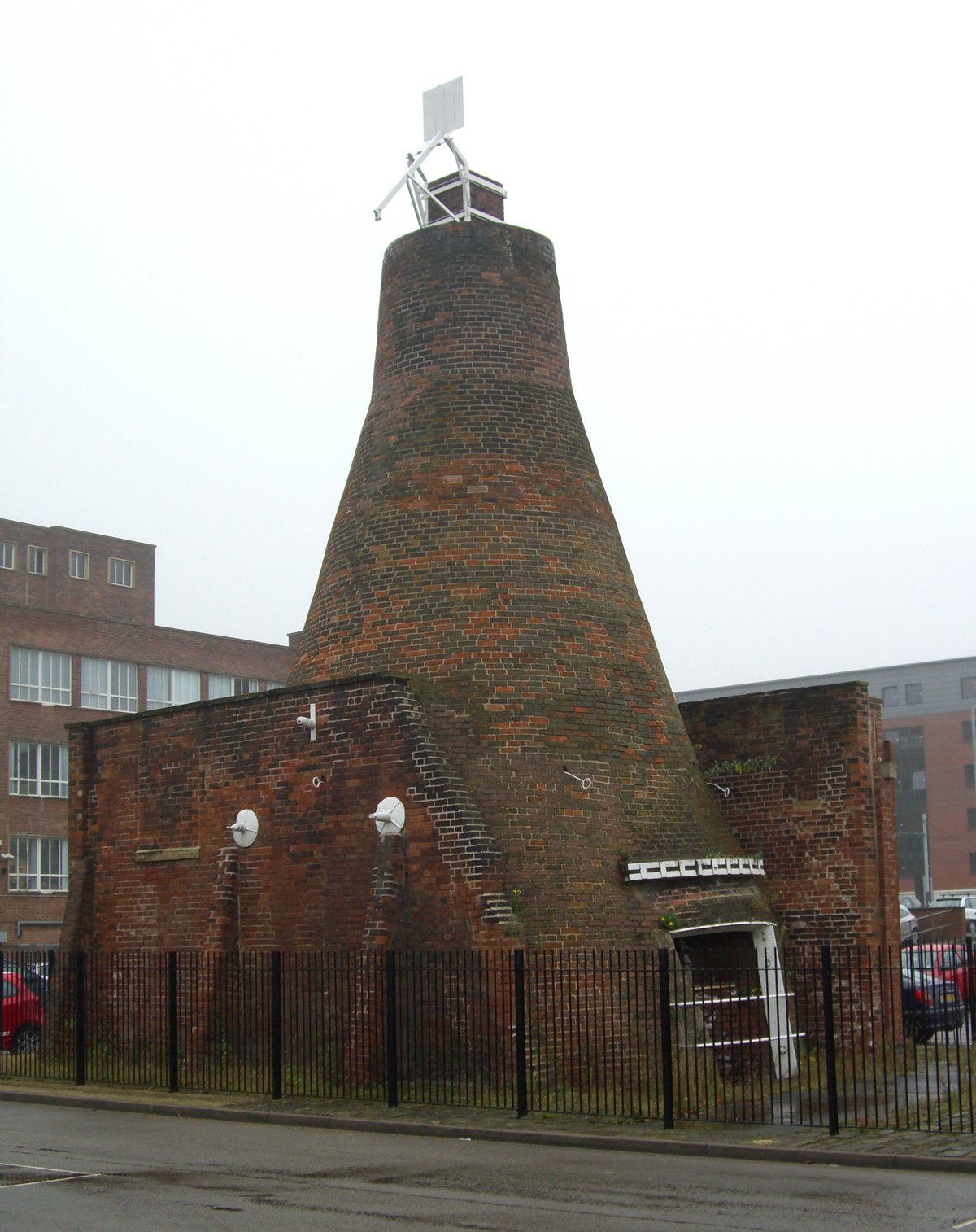
In 1848, a new kind of blast shook the streets of Sheffield. Not a shell, but something altogether different: a furnace. This conical concrete structure, standing at 18 feet, was part of a significant advancement in the steel industry. It's called a cementation furnace, and it was built by Daniel Doncasters and Sons on Doncaster Street. By 1860, there were 250 such cementation furnaces in Sheffield, and by 1900, steel was being made on a massive scale. The Doncaster Street furnace is the only one to survive intact, and today it's a Grade II Listed Building. It's still surrounded by low fencing and a locked gate, but the key to the gate is available from the curator at the nearby Kelham Island Museum. It's a testament to a time when steel was made differently, and to the man who brought that change to Sheffield.
Sources: Wikipedia, OpenStreetMap, Wikidata, Wikimedia Commons
Written by Nicolo Ciampini
Discuss this with the author and others
No comments yet. Be the first to start the conversation.