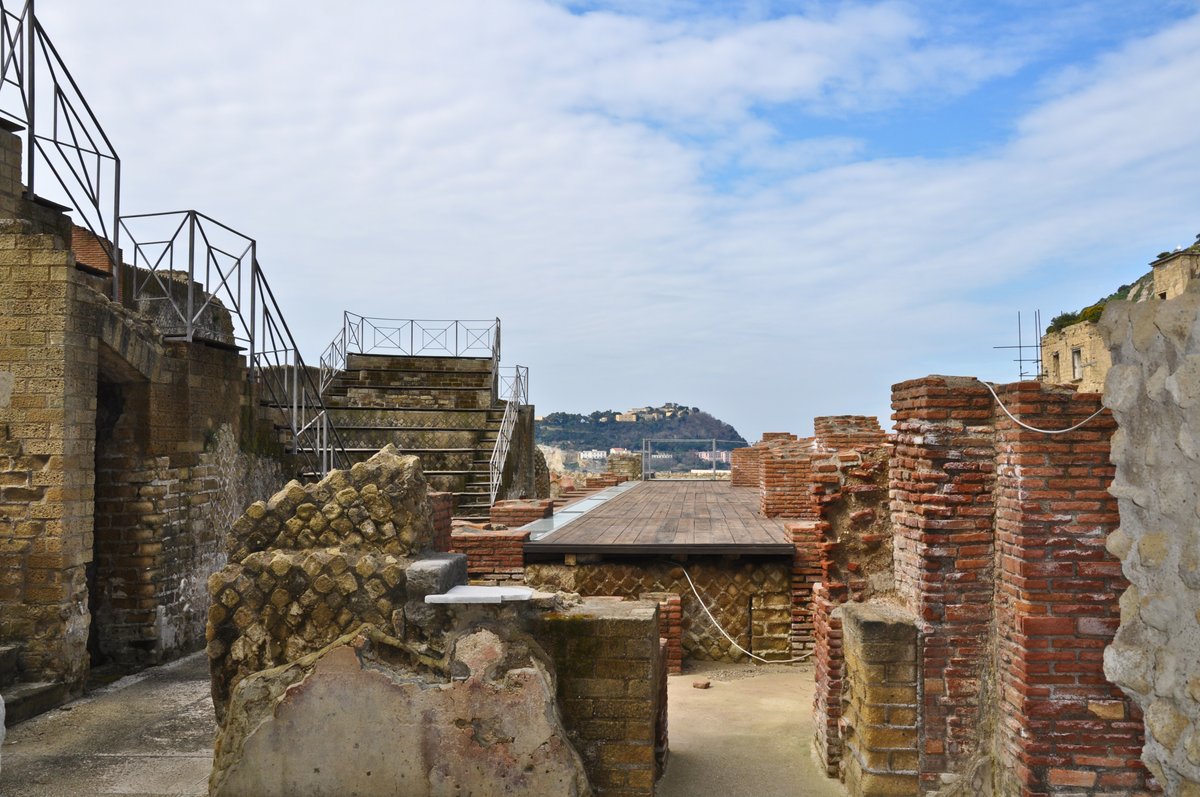

Publio Vedio Pollione decided to spend his final days in a beautiful setting between the Gaiola and the bay of Trentaremi, an area called Pausilypon, which means "sollievo dal dolore" (relief from pain). He built an imposing villa of such extreme luxury that upon his death in 15 BC, it became the imperial residence of Augustus and all his successors. This included a theater capable of 2,000 seats, an odeon, a nymphaeum, and a thermal complex.
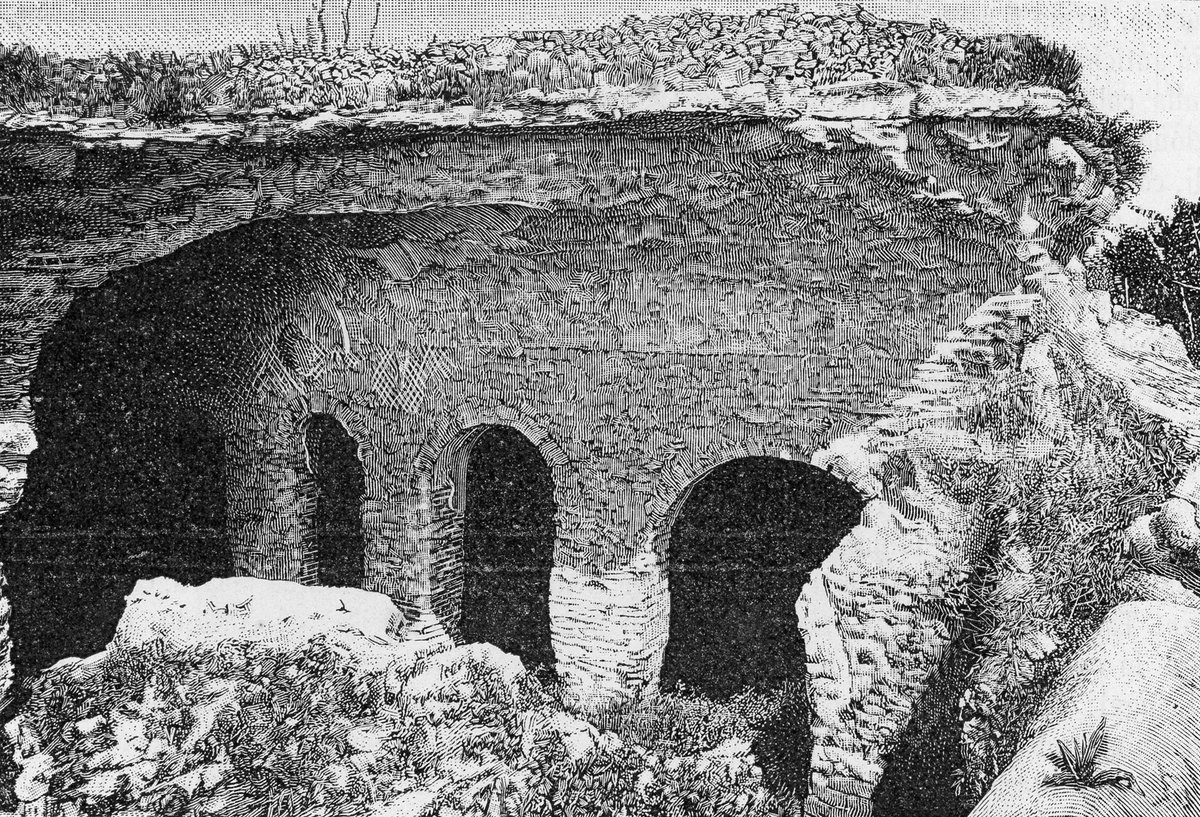
To reach the complex today, one passes through the Grotta di Seiano. This is a 770-metre tunnel carved into the tufa rock of the Posillipo hill, connecting the plain of Bagnoli with the valley of the Gaiola. It originally served to connect the villa of Publio Vedio Pollione to the ports of Puteoli and Cumae. After falling into disuse for centuries, it was rediscovered in 1841 and reopened to the public by Ferdinando II of Bourbon.
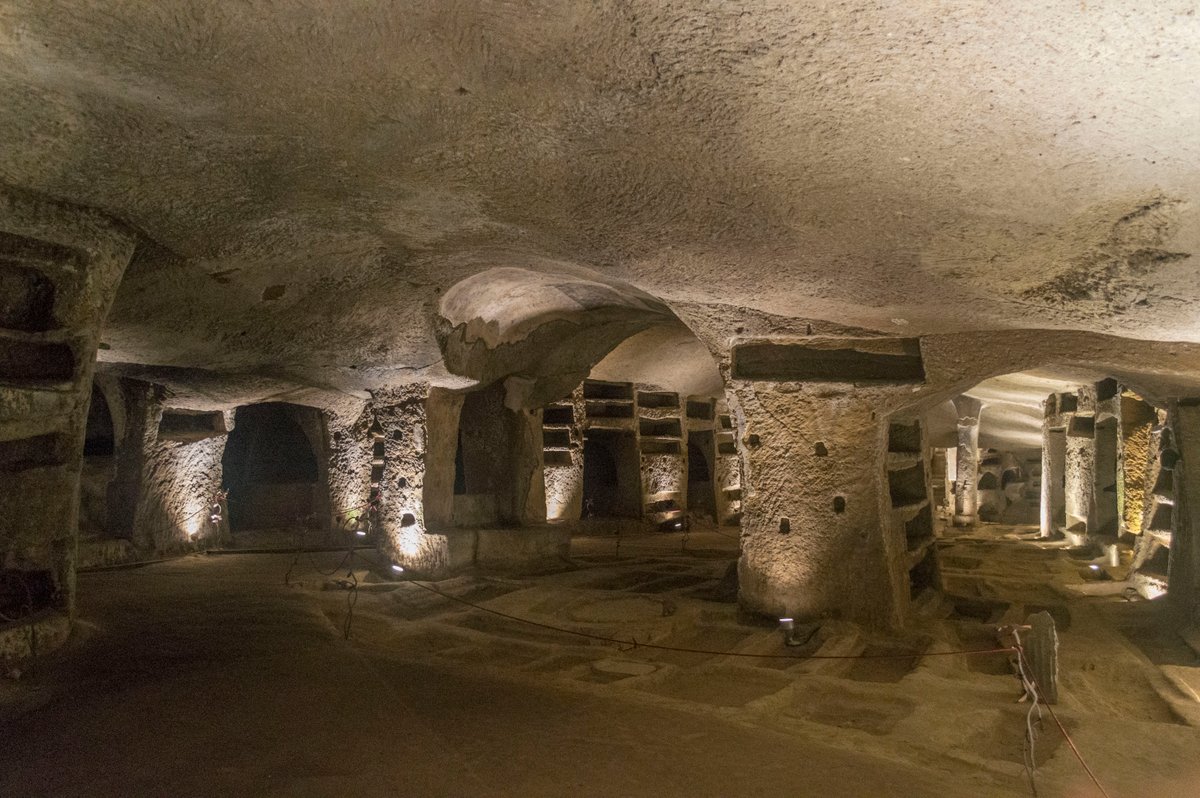
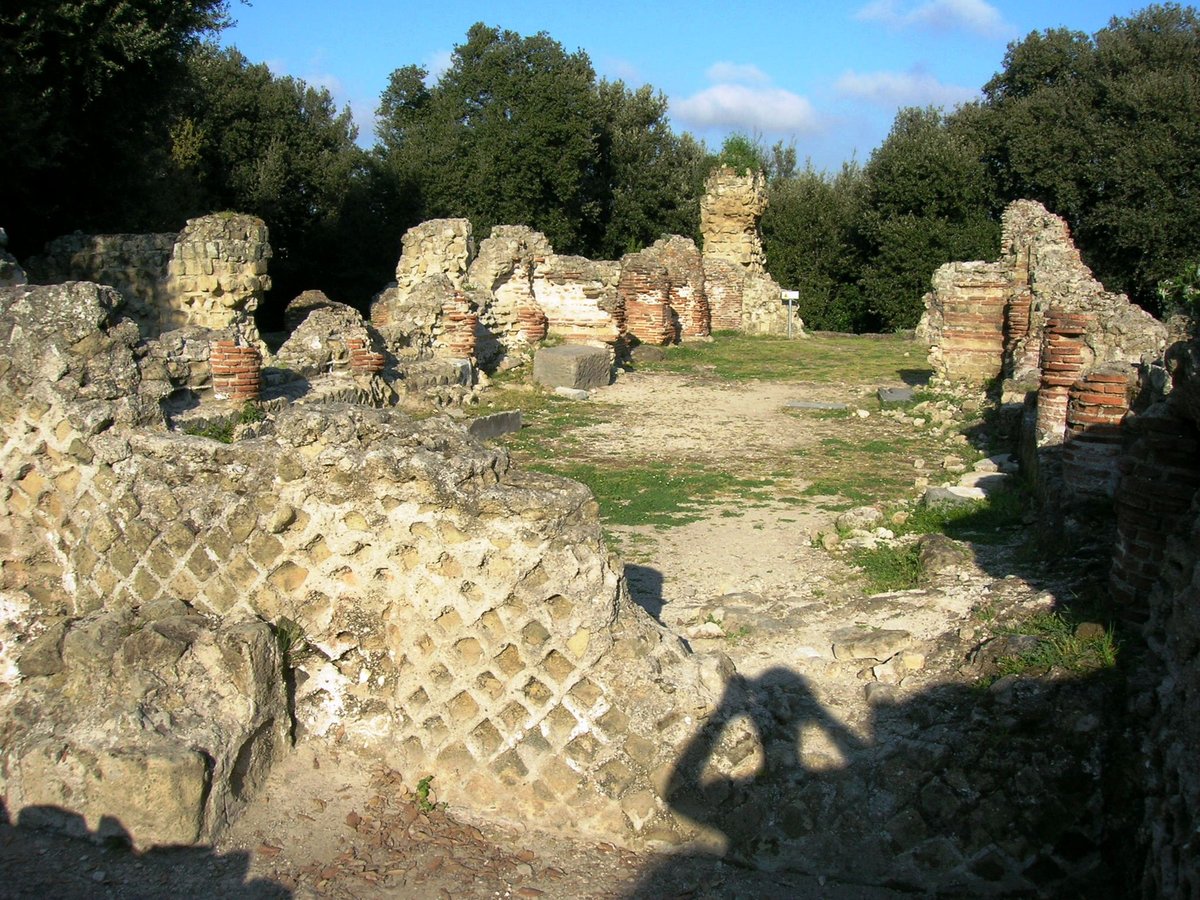
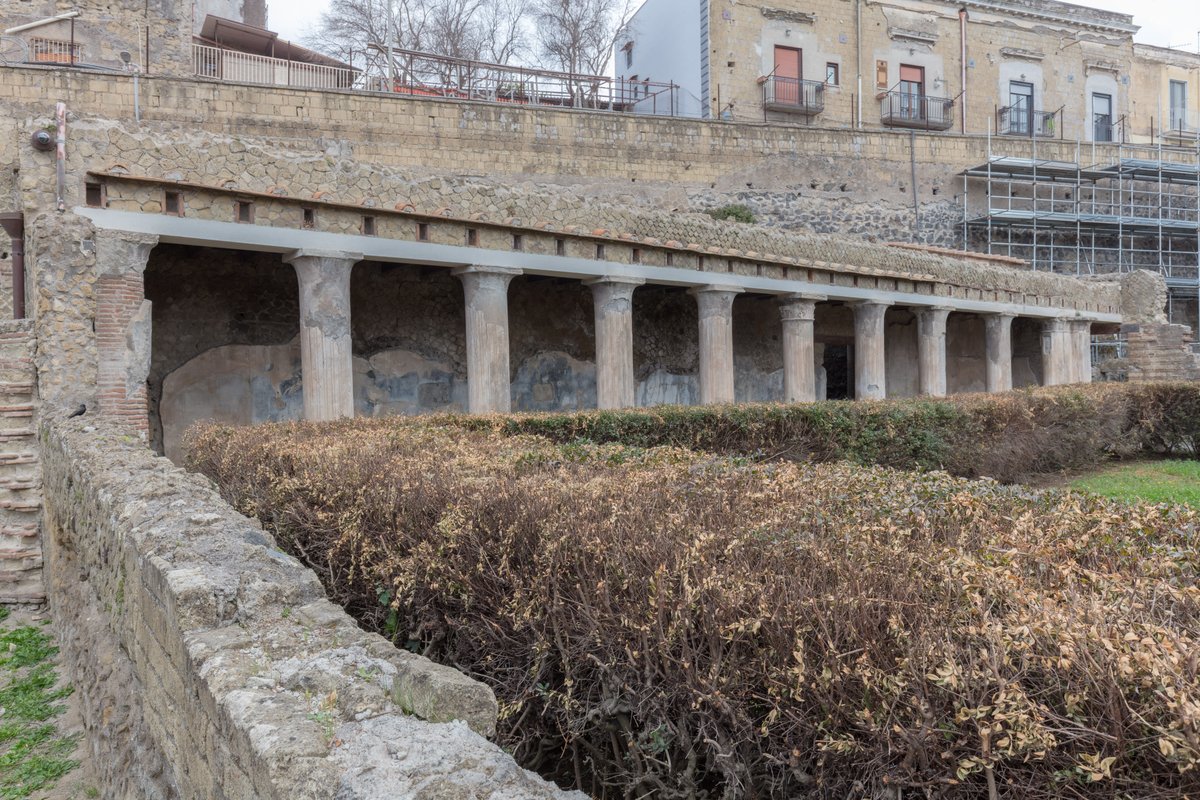
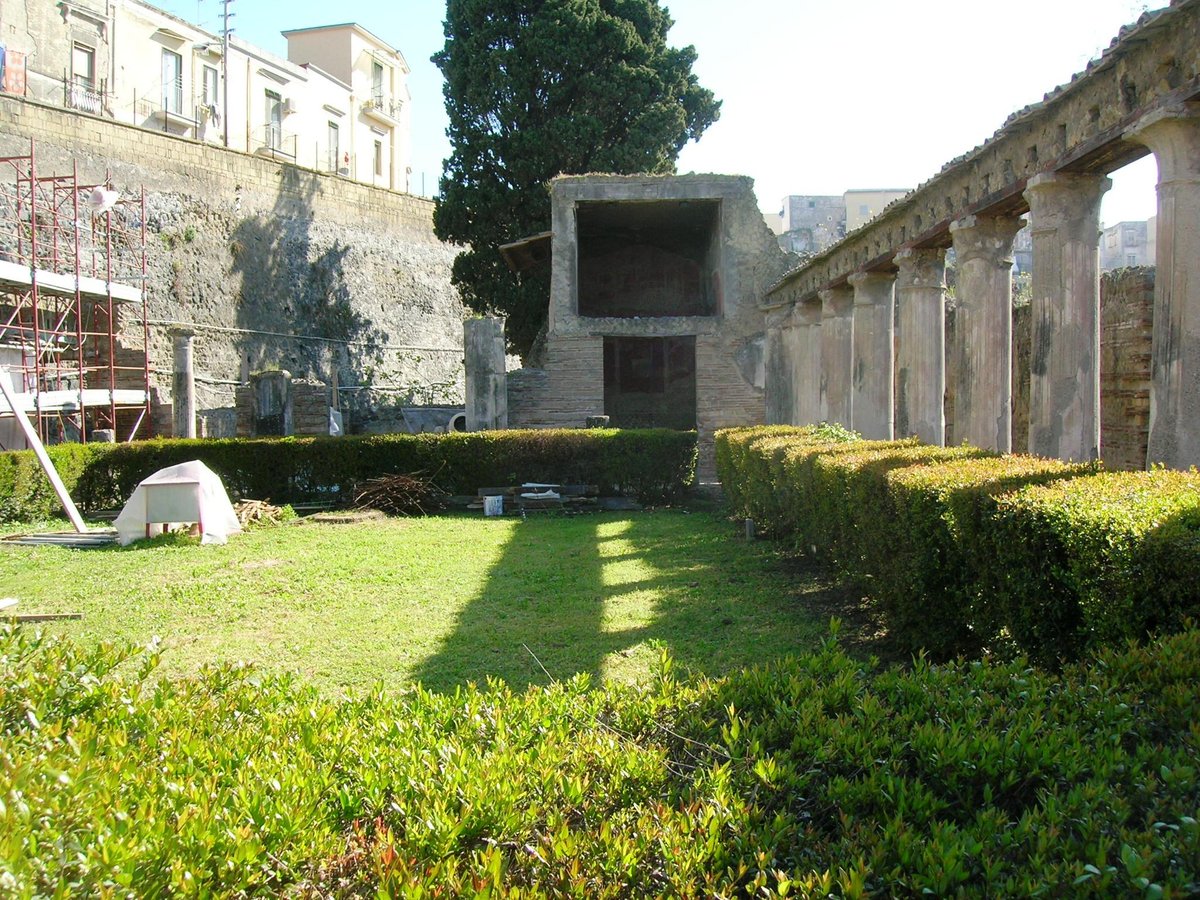
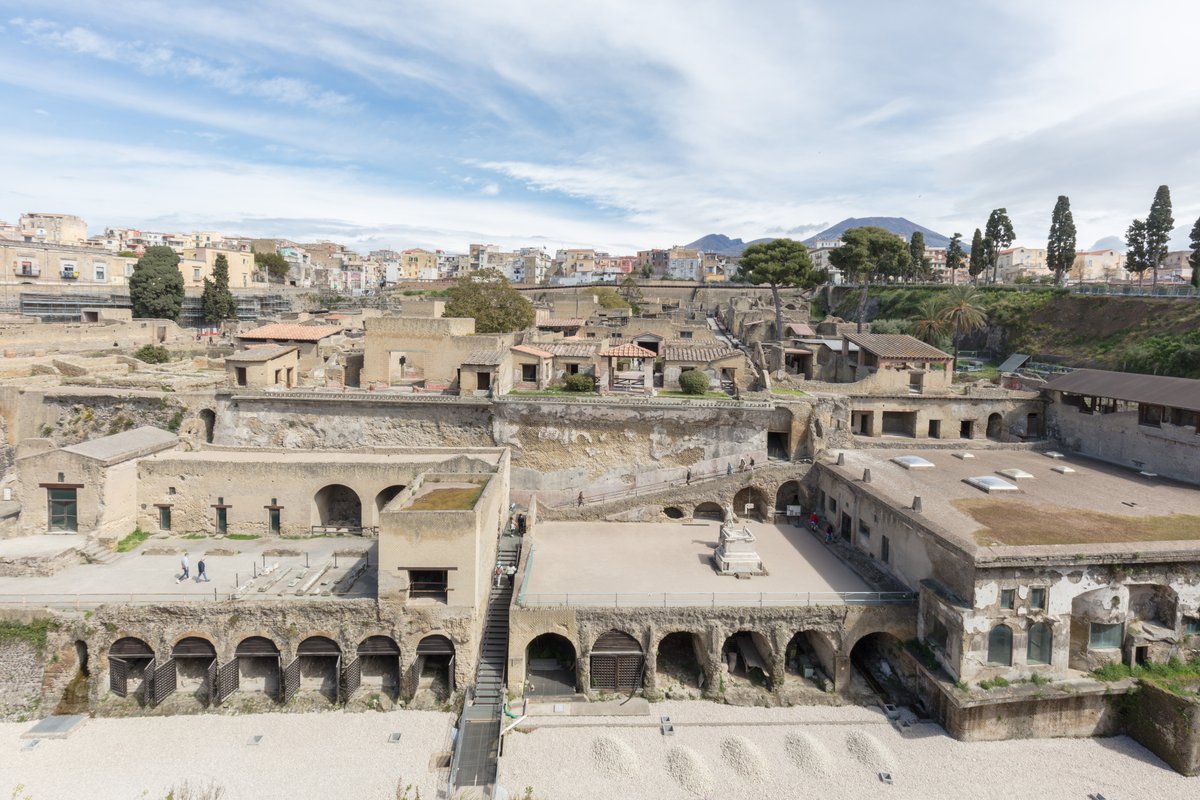
Upon exiting the tunnel, visitors find the archaeological and environmental park of Pausilypon. The ruins include the theater, the Odeon, and various rooms of the villa where traces of wall decorations are still visible. Some of the maritime structures of the villa are now part of the neighboring submerged park of Gaiola. The site is located at Discesa Coroglio 36 and was reopened in 2009 following restoration work.
Sources: Wikipedia, OpenStreetMap, Wikidata, Wikimedia Commons
Written by Nicolo Ciampini
Discuss this with the author and others
No comments yet. Be the first to start the conversation.