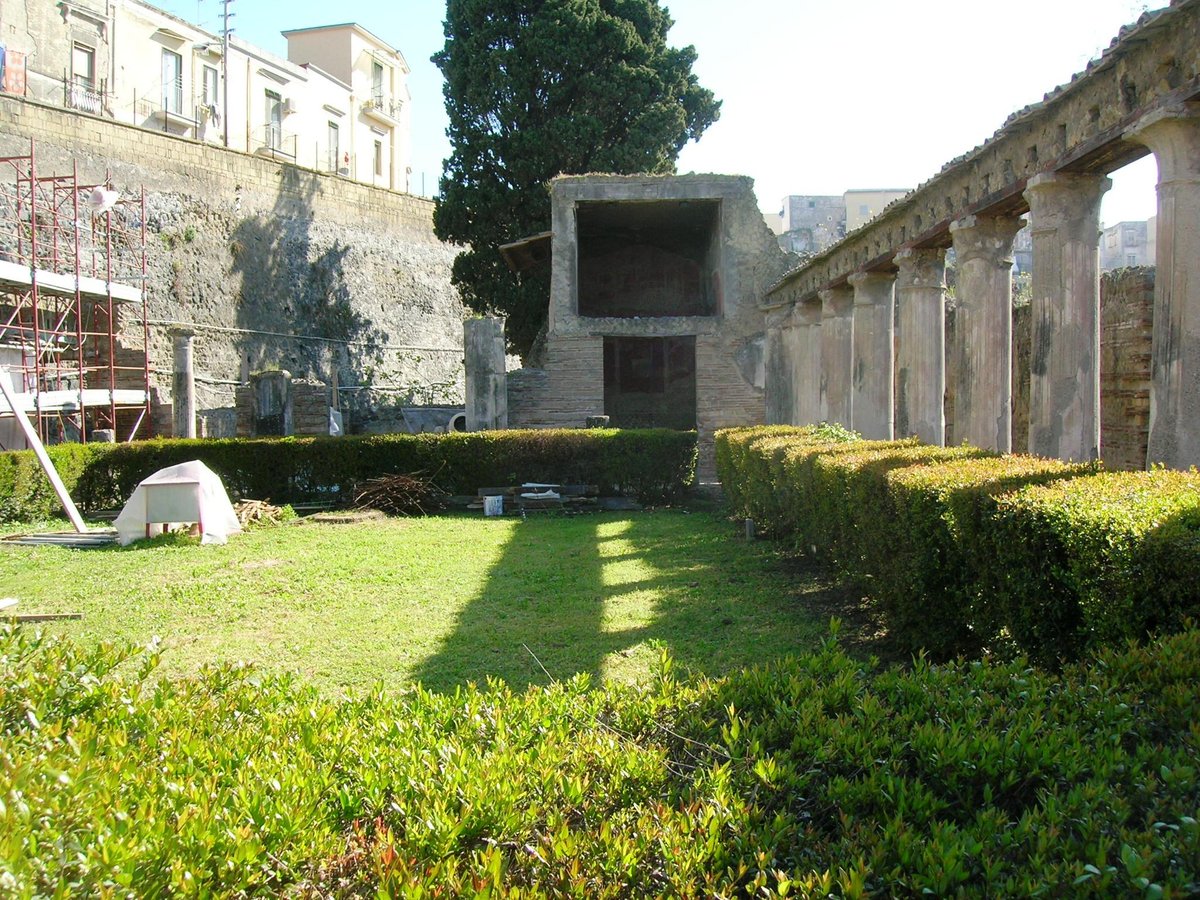

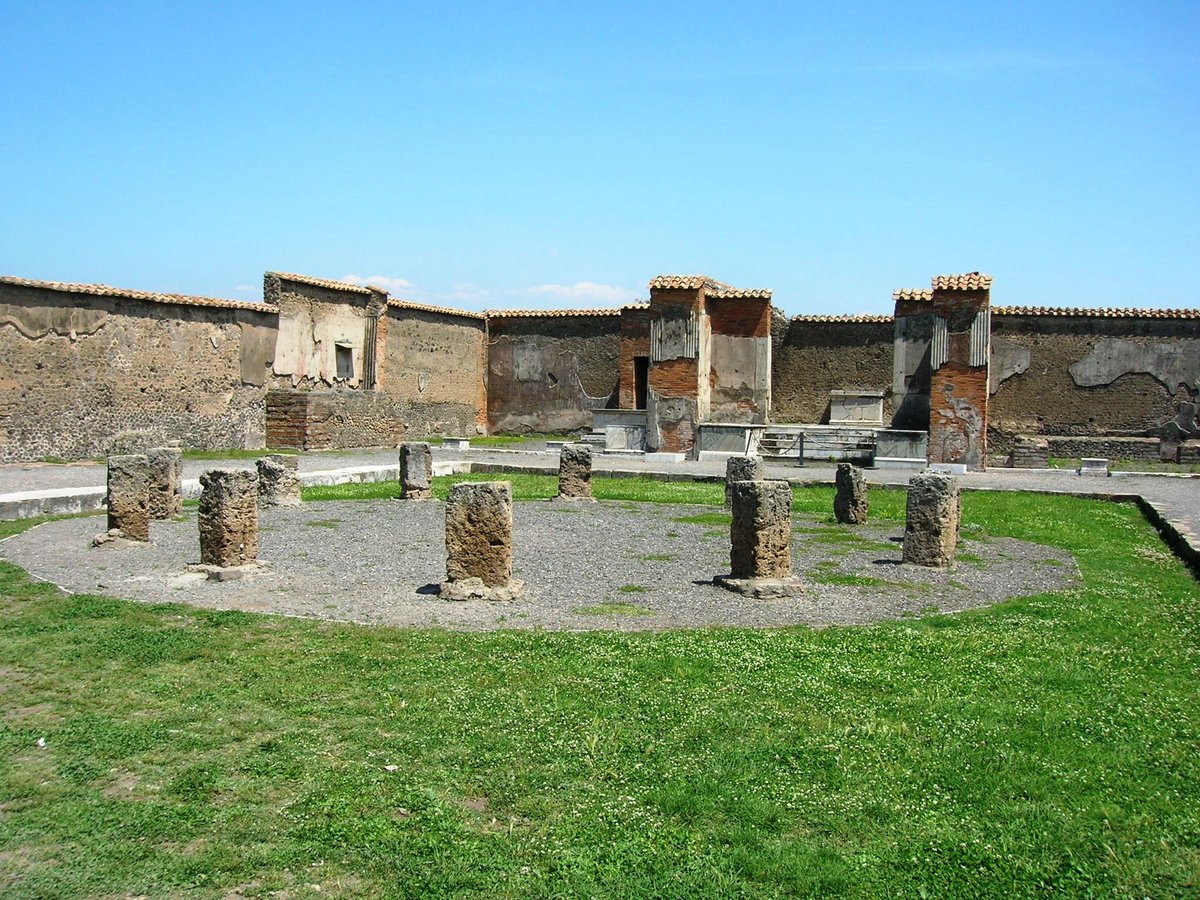
Deep beneath layers of earth and ages, Casa d'Argo, entombed by the cataclysmic eruption of Vesuvius in 79, was brought to light following archaeological excavations. Known as the House of Argus, it was a house of the Roman era, its existence brought to light during Bourbon investigations and partially excavated in the mid-19th century and later at the beginning of the 20th century by Amedeo Maiuri.
The house's name derives from a lost fresco in the peristyle, which once depicted Argo in the act of looking at the nymph Io. The main entrance of Casa d'Argo is located on Cardo II, which is still to be excavated. Access is permitted along Cardo III, where there is a secondary entrance, or through an opening created during Bourbon investigations from the demolition of a wall of the neighboring house of Aristide.
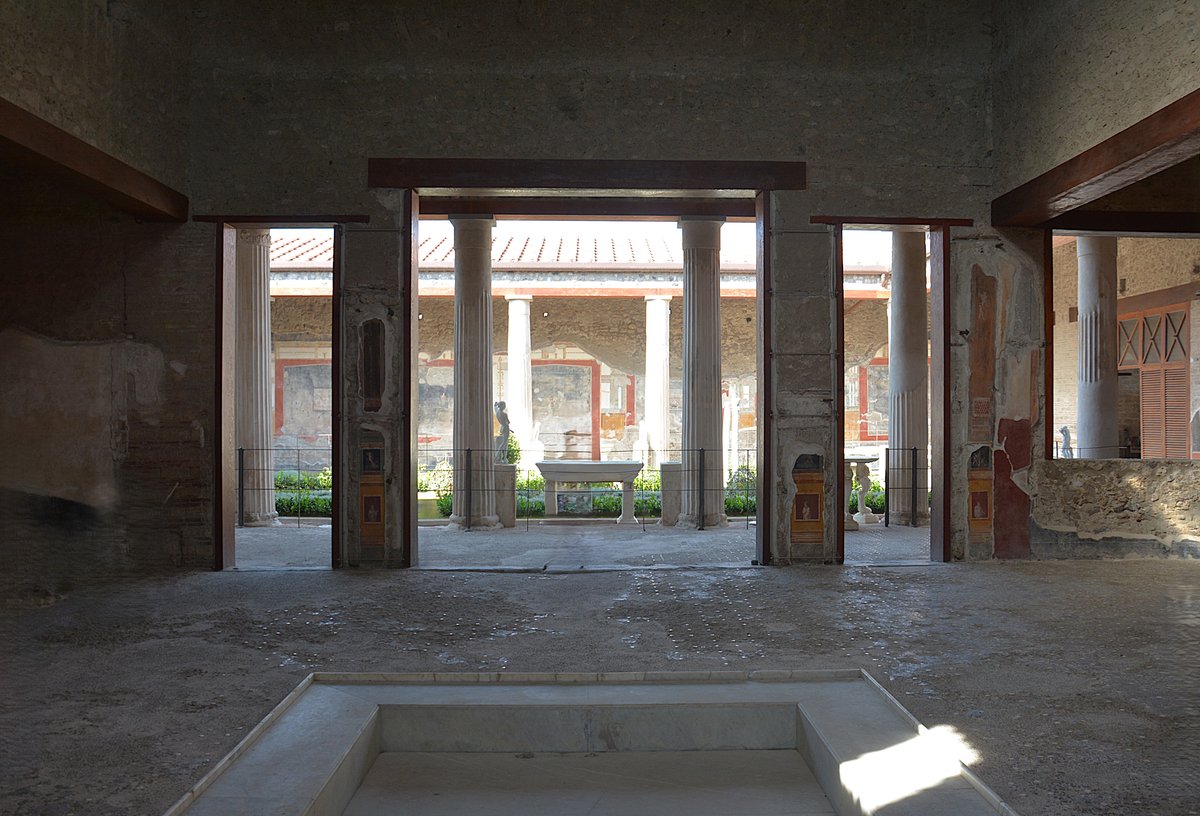
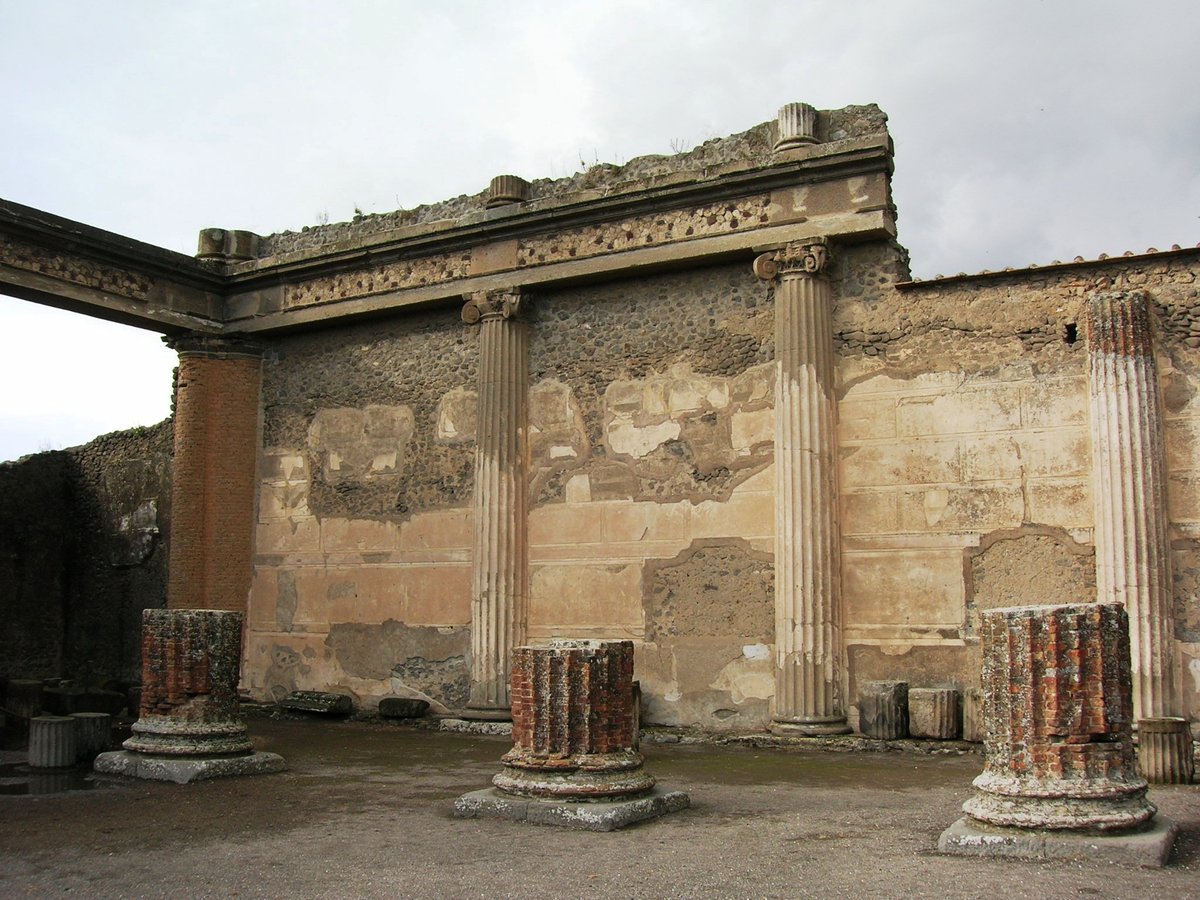
Casa d'Argo features a peristyle, a portico on three sides with stuccoed columns, along which several rooms open, including a triclinium and various residential environments. A small door leads to a second, smaller peristyle, whose columns can be glimpsed through tunnels excavated during the Bourbon period. The house remains partially unexplored, preserved under a flow of mud that solidified into tuff over the years.
Sources: Wikipedia, OpenStreetMap, Wikidata, Wikimedia Commons
Written by Nicolo Ciampini
Discuss this with the author and others
No comments yet. Be the first to start the conversation.