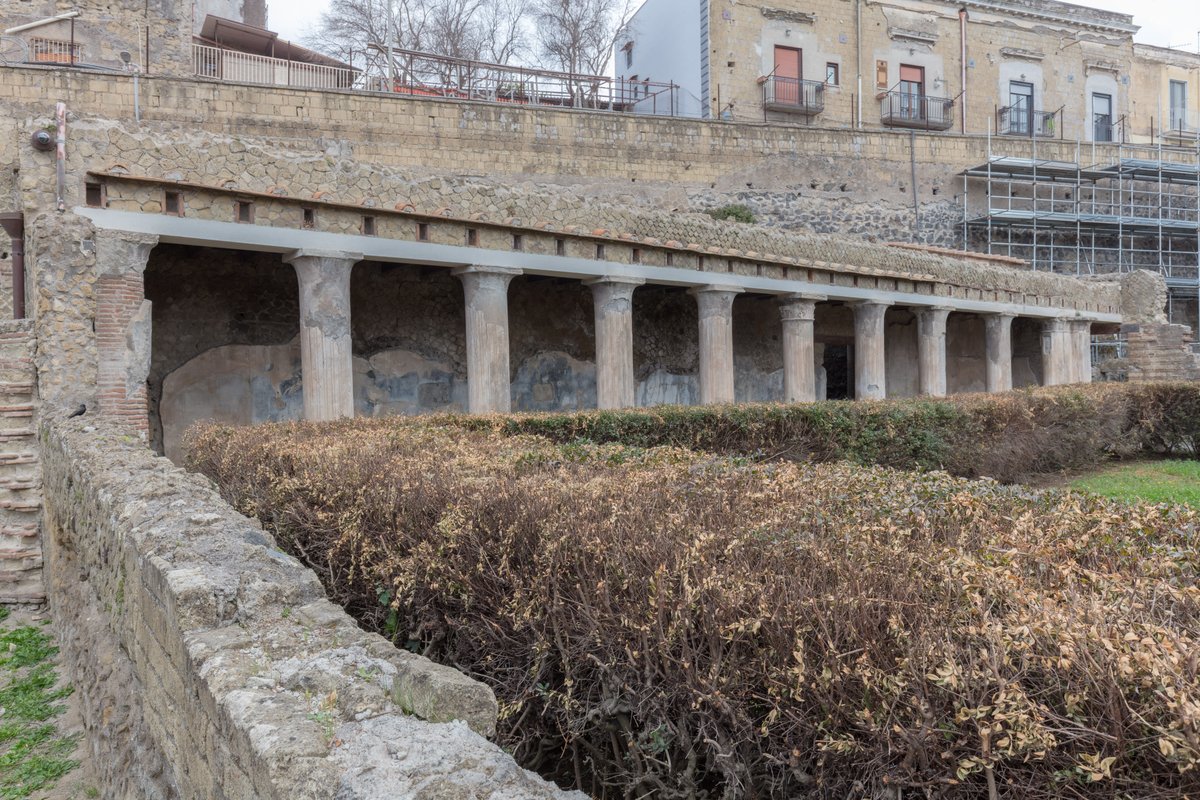

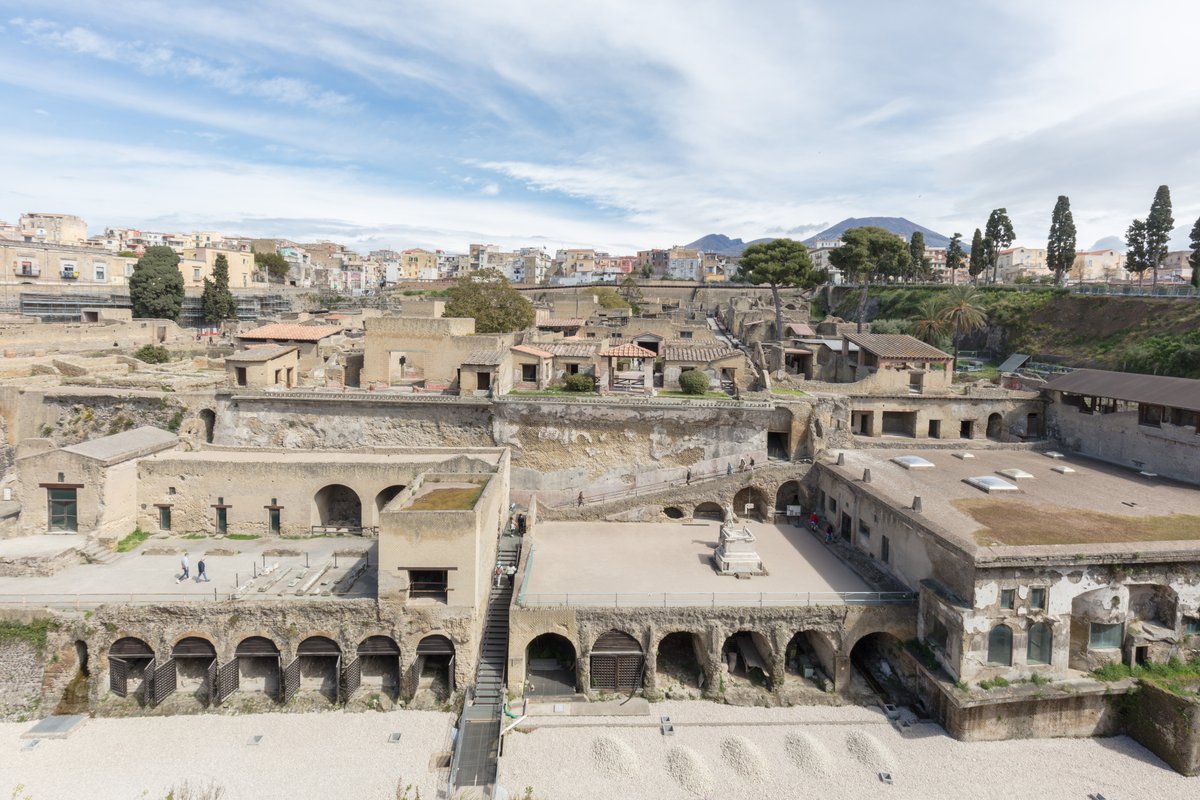
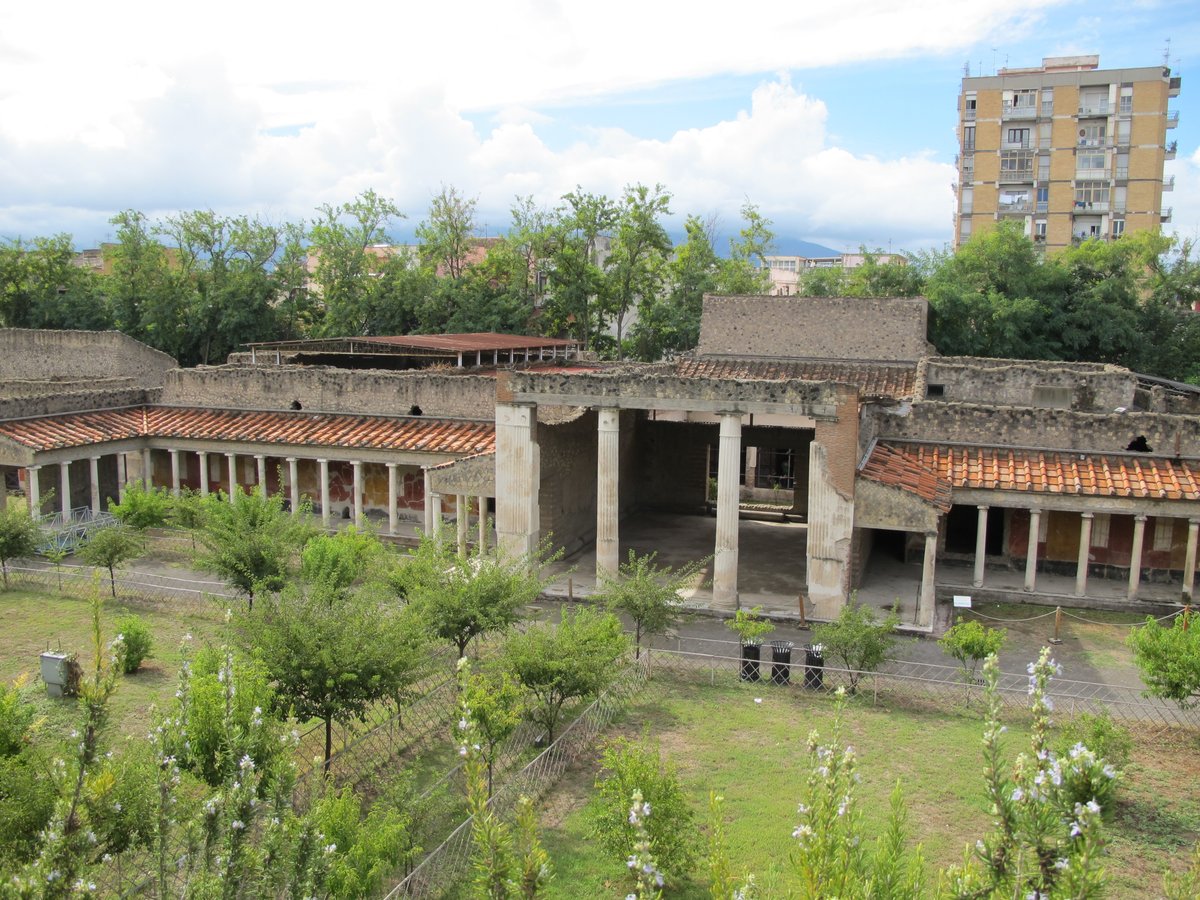
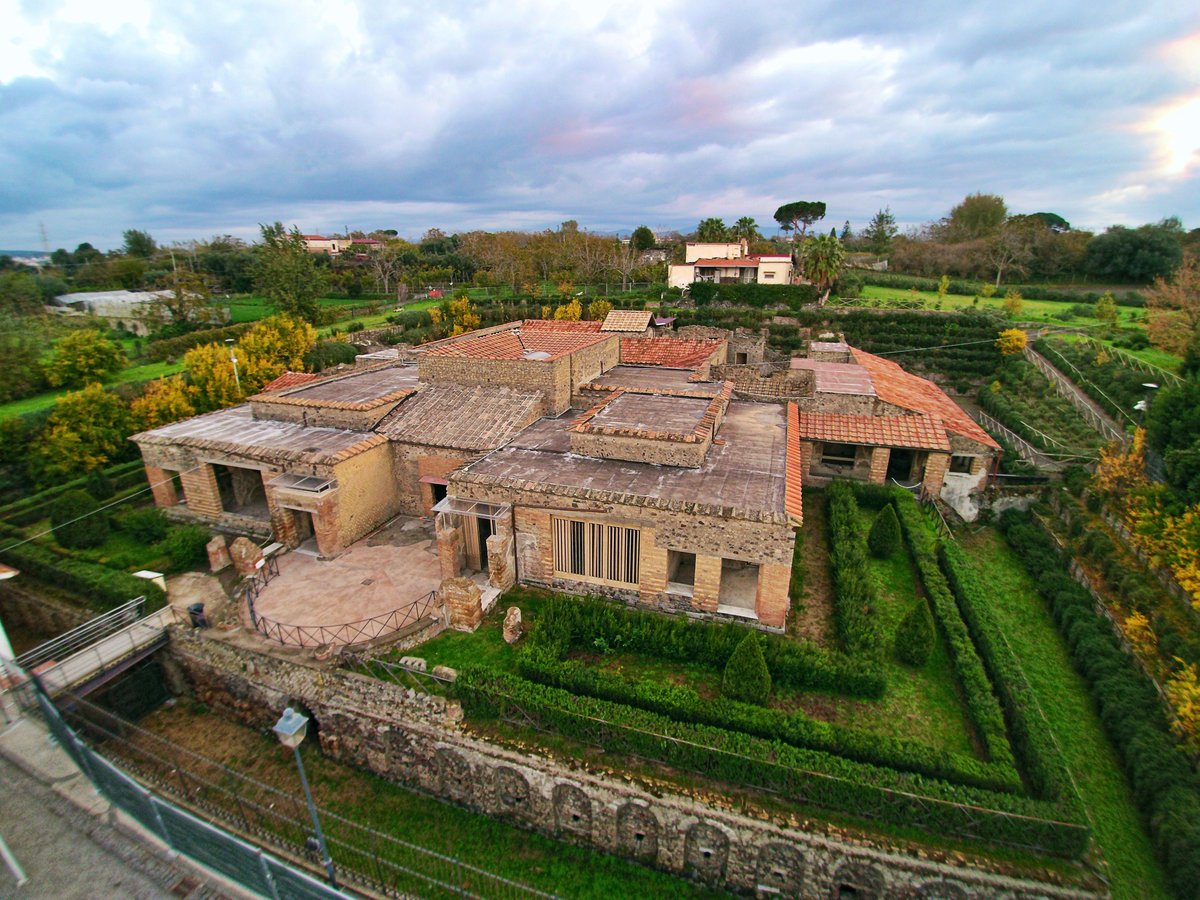
The House of Aristide is a Roman-era residence that was buried under a layer of mud during the eruption of Vesuvius in 79 AD. It was rediscovered during the Bourbon explorations when it was used as a route to reach the nearby Villa dei Papiri. Unfortunately, the tunnels dug during that time destroyed most of the rooms, making it difficult to interpret the layout. It was later brought to light through open-air excavations at the beginning of the 20th century by Amedeo Maiuri, though much of it remains unexplored.
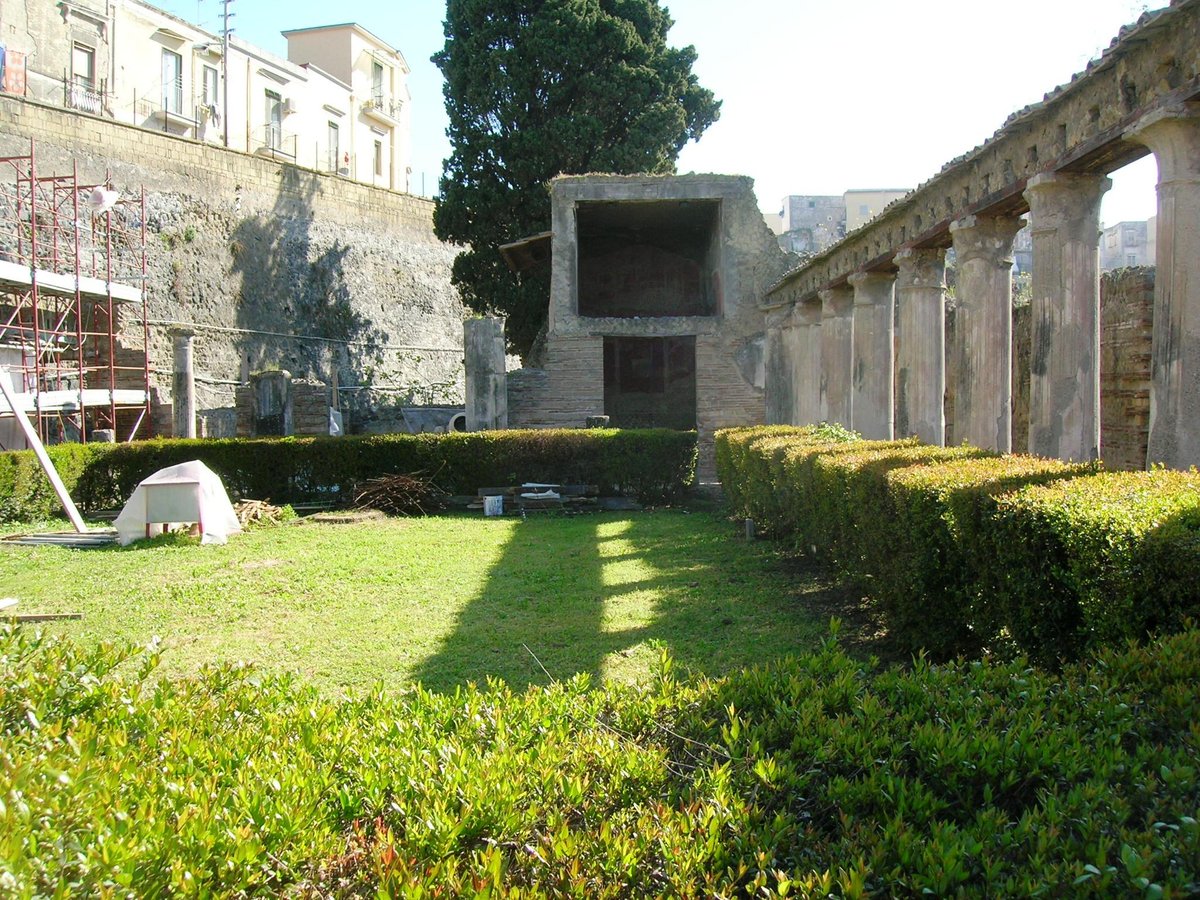
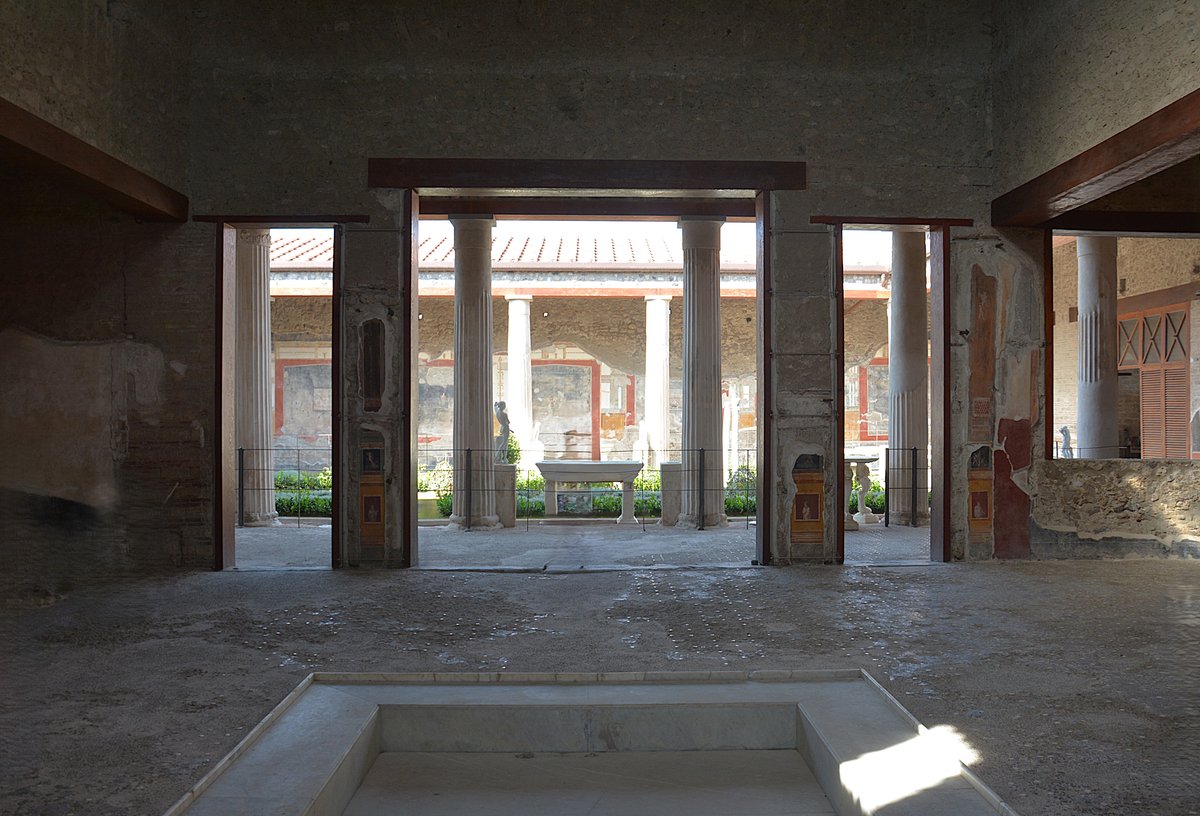
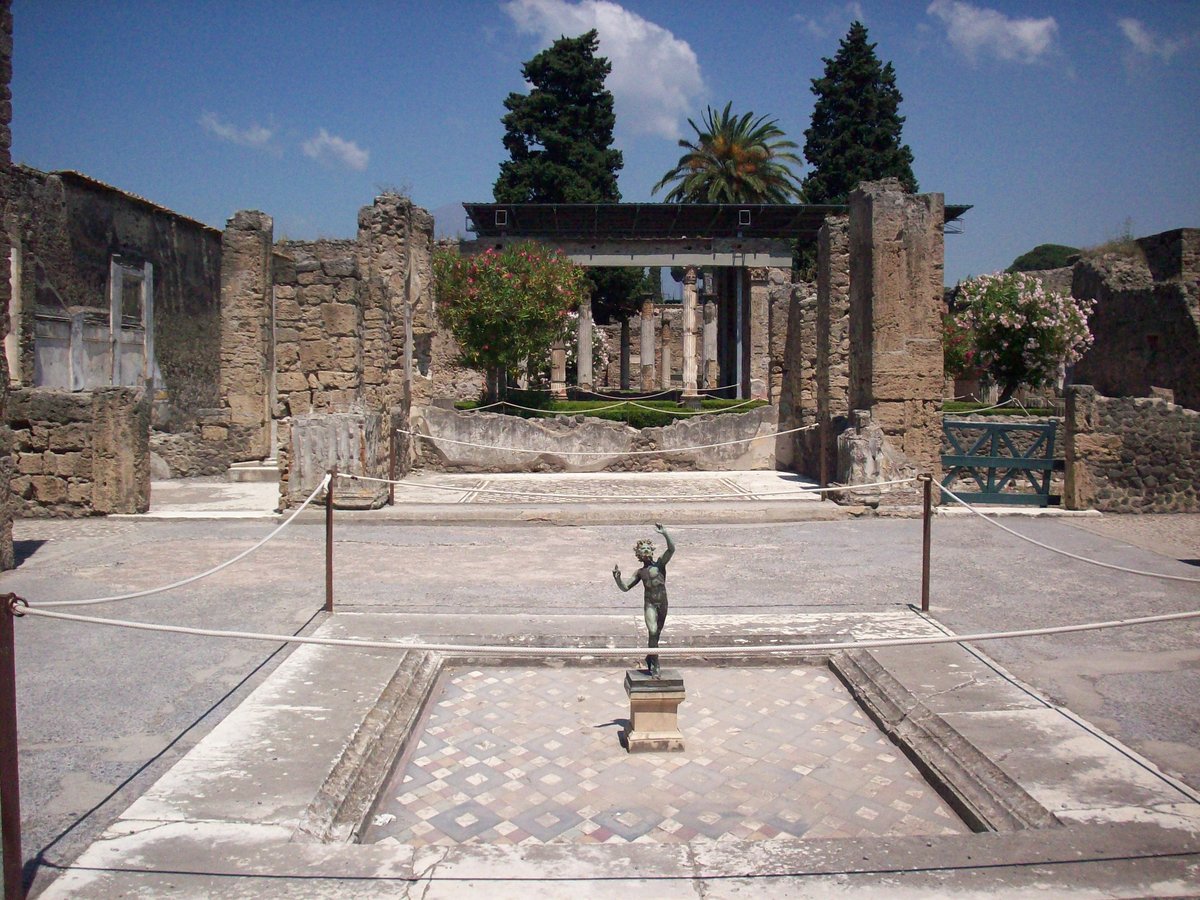
Named after a statue found inside that was initially misidentified as the Athenian politician Aristides, the statue is now known to belong to the orator Eschine. Located in a panoramic area on the edge of a hill directly by the sea, the house features an atrium with an impluvium and several doors leading to the rest of the residence. Due to the destruction of part of the perimeter wall by early explorers, the house is now joined with the House of Argo.
All rooms are constructed in opus reticulatum, featuring characteristic concrete substructures that support the residential rooms. The site also includes a lower level used as a cellar. On the beach, which was located beneath the house at the time of the eruption, archaeologists found debris such as brick fragments, stucco, and plaster, indicating recent renovations to repair damage from frequent earthquakes.
Sources: Wikipedia, OpenStreetMap, Wikidata, Wikimedia Commons
Written by Nicolo Ciampini
Discuss this with the author and others
No comments yet. Be the first to start the conversation.