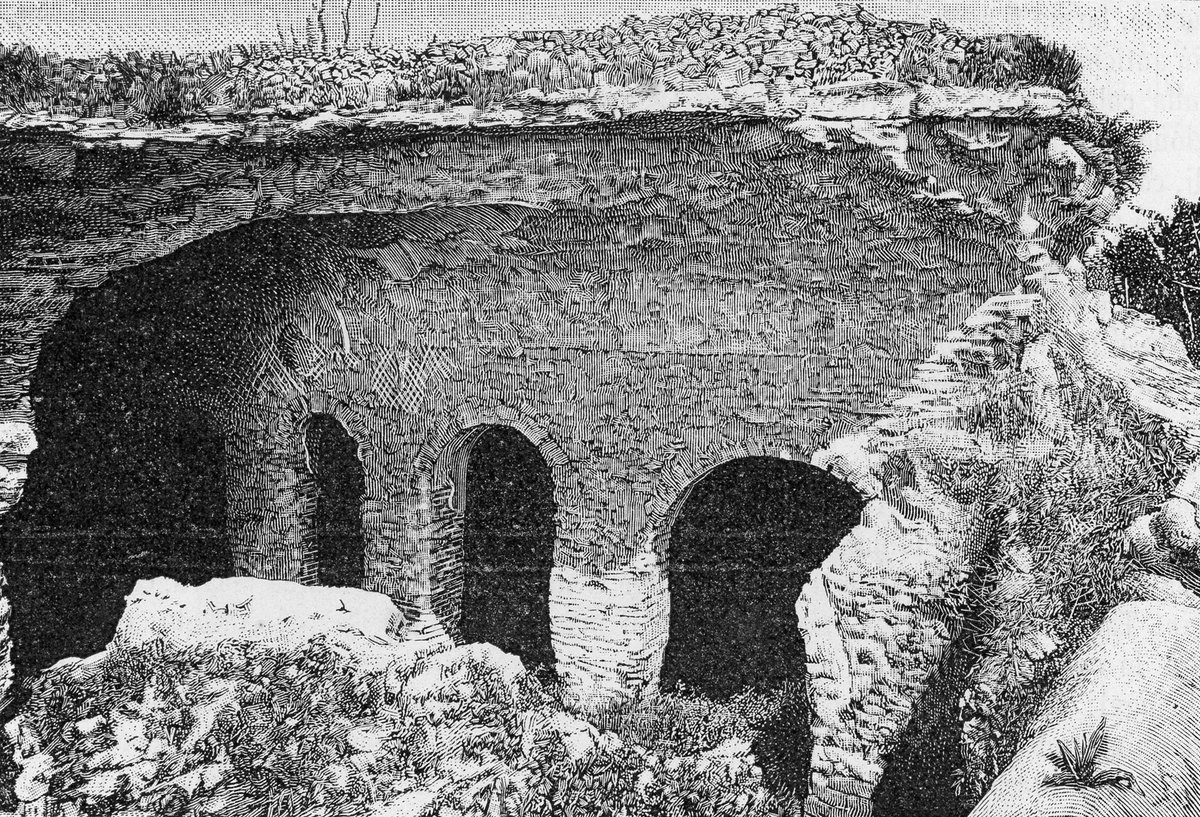

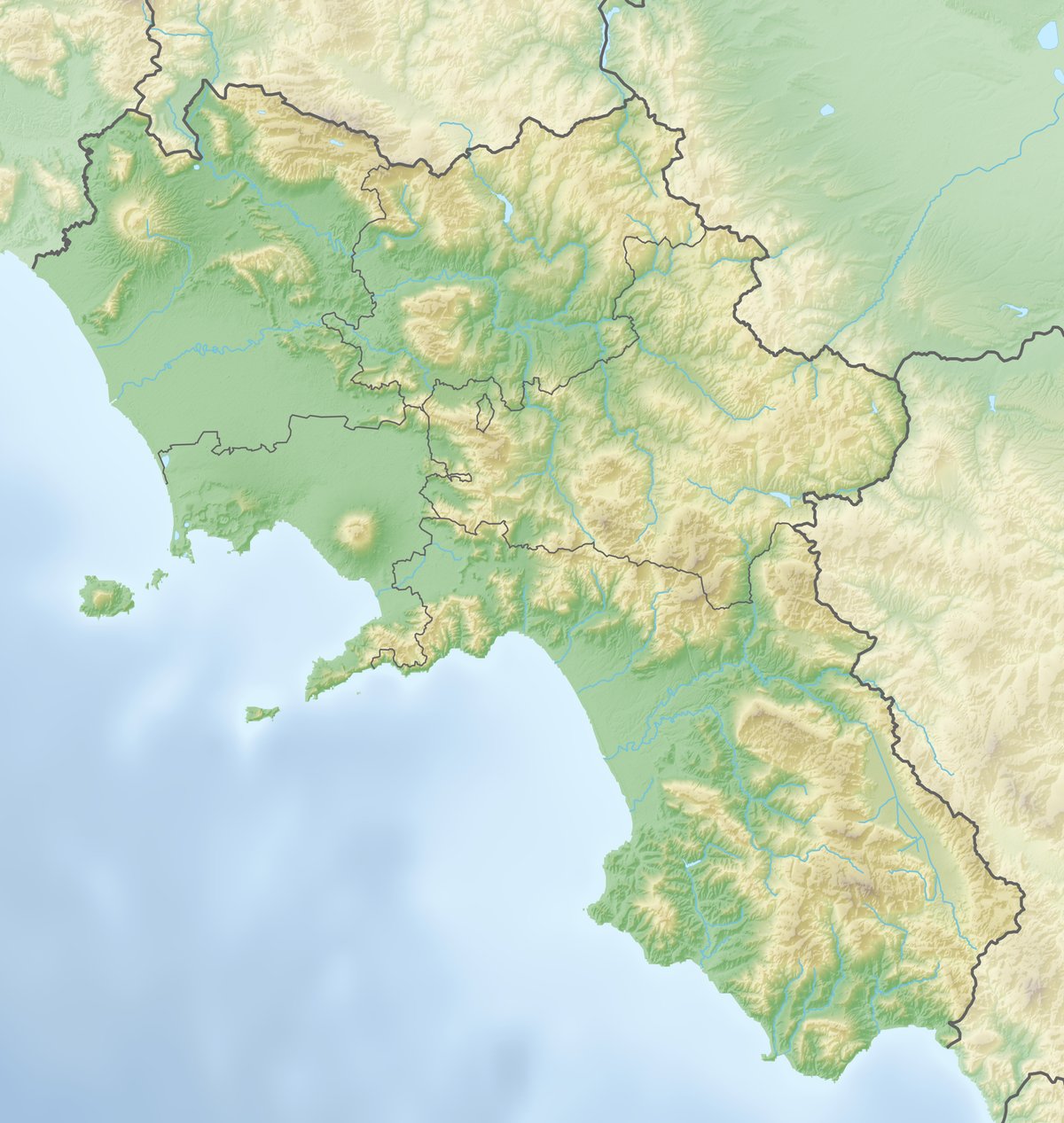
In the municipality of Bacoli, the archaeological site of Cento Camerelle stands as a testament to Roman engineering. Originally the property of the Roman consul Quinto Ortensio Ortalo, the building was later purchased by Antonia Minor, mother of the emperor Claudius. The structure would later belong to Nero and eventually to Vespasian. Built during the Republican era at Miseno, the site sits on a cliff overlooking the sea of the Gulf of Pozzuoli.
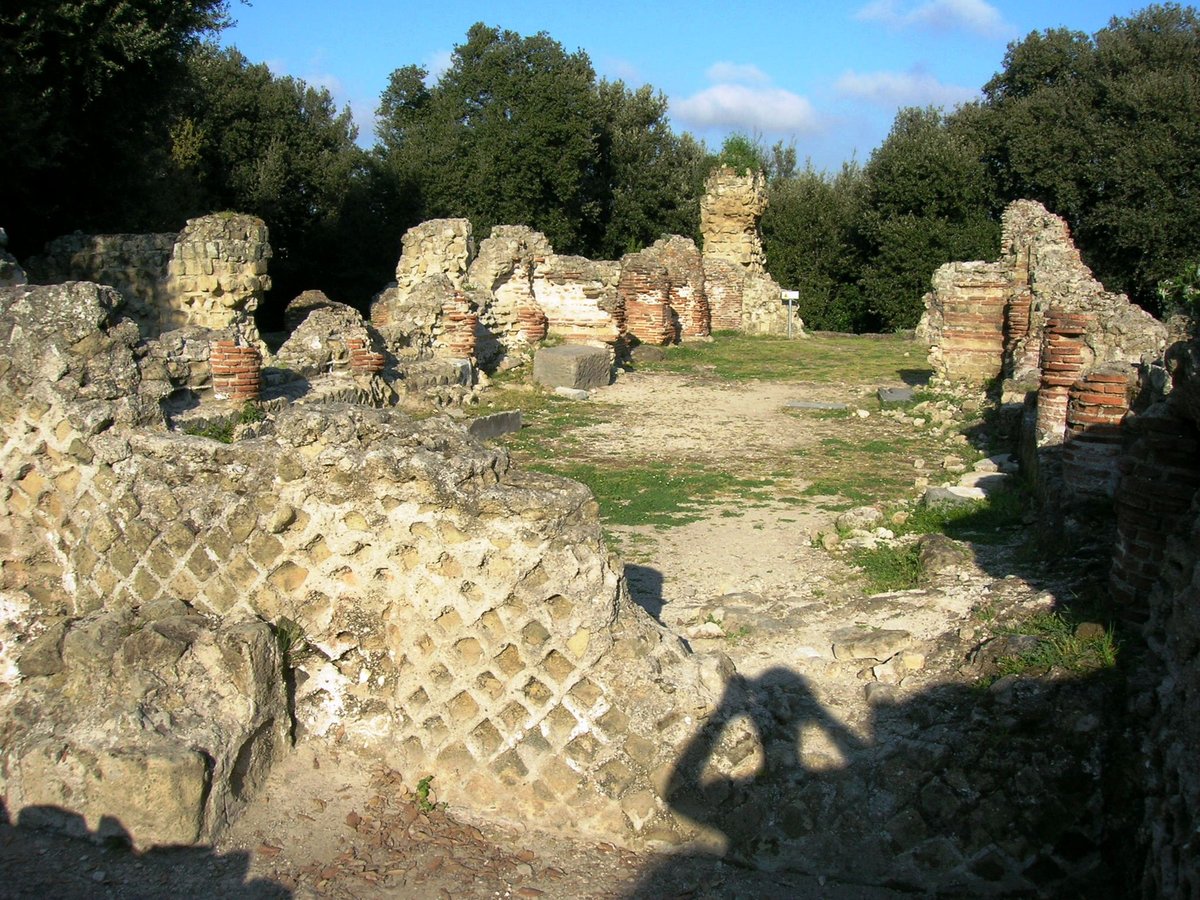
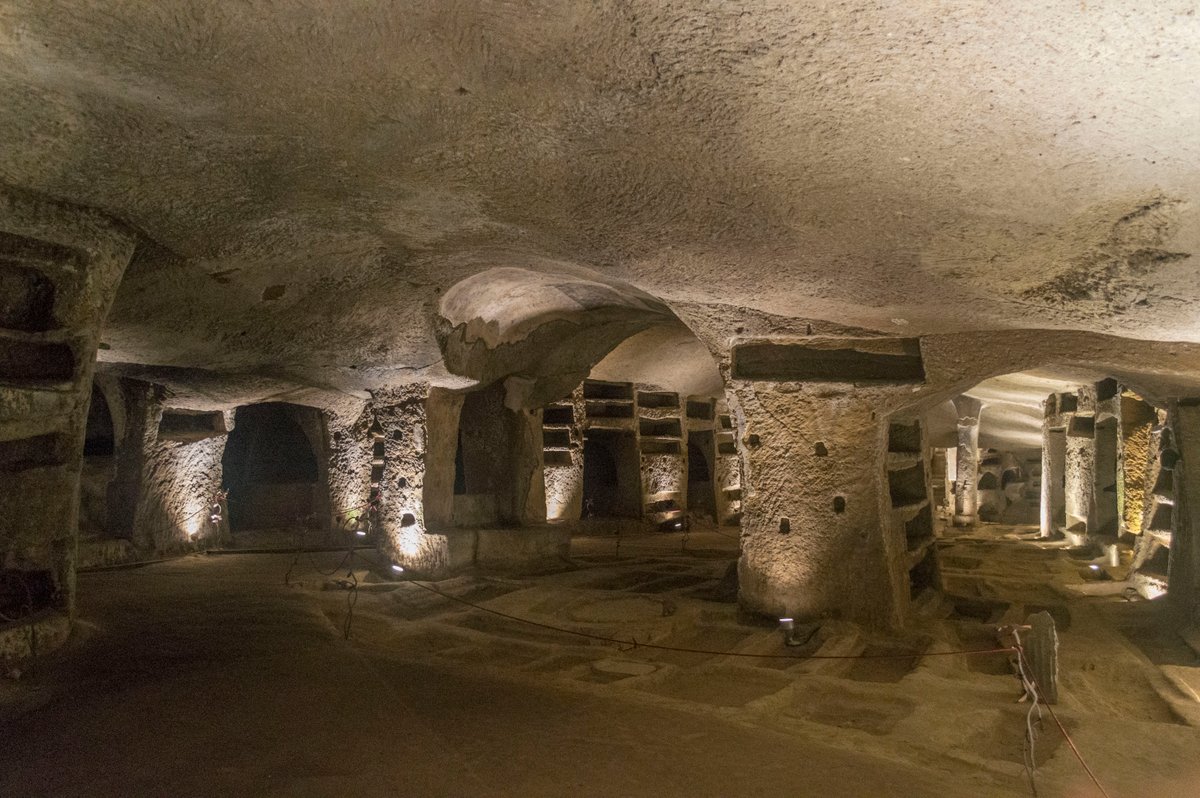
The site's current name was attributed in the late 17th century, during which time it was also recognized as the "Prigioni di Nerone". The building features a rectangular plan with several rooms distributed across three to four floors entirely carved into tuff. The masonry is constructed in opus reticulatum, with the pillars coated in a waterproofing material.
The complex is characterized by two parts from different eras. The upper level features a large imperial-era tank designed as a chamber with a barrel vault. The four aisles, also with a barrel vault, are excavated 2 meters into the tuff, with the entire upper floor dating to the 1st century AD.
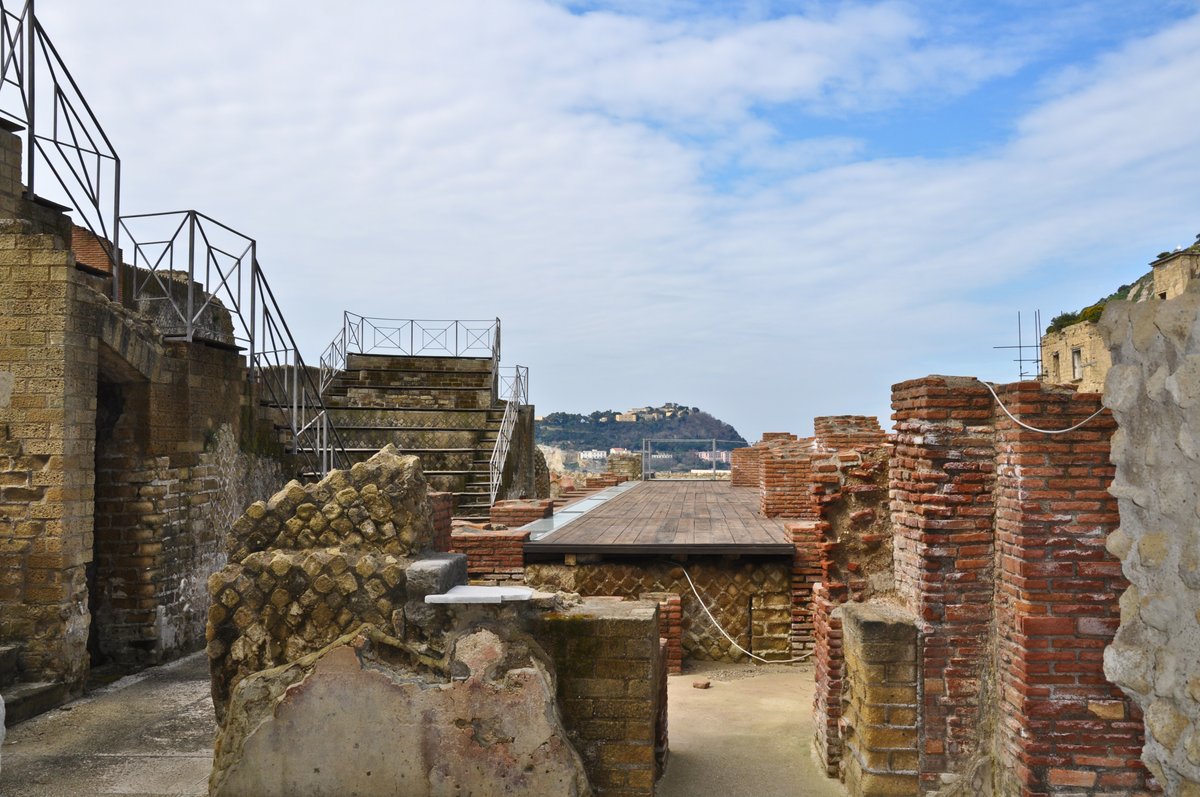
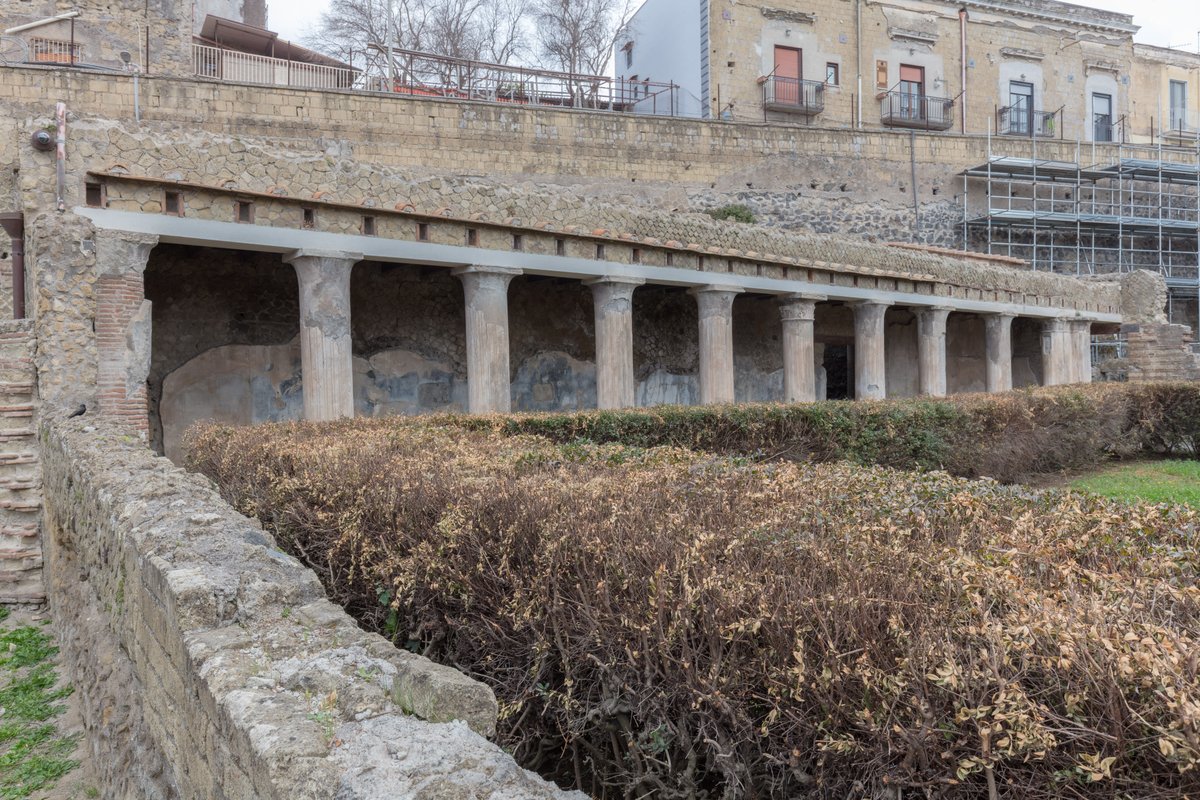
At the lower level, a network of tunnels for water supply from the Republican era can be identified. A corridor overlooks the sea of the Gulf of Pozzuoli, while the side of the hill contains remains of ancient Roman structures, such as nymphaea or other structures, some of which are partially submerged.
Sources: Wikipedia, OpenStreetMap, Wikidata, Wikimedia Commons

Written by Nicolo Ciampini
Discuss this with the author and others
No comments yet. Be the first to start the conversation.