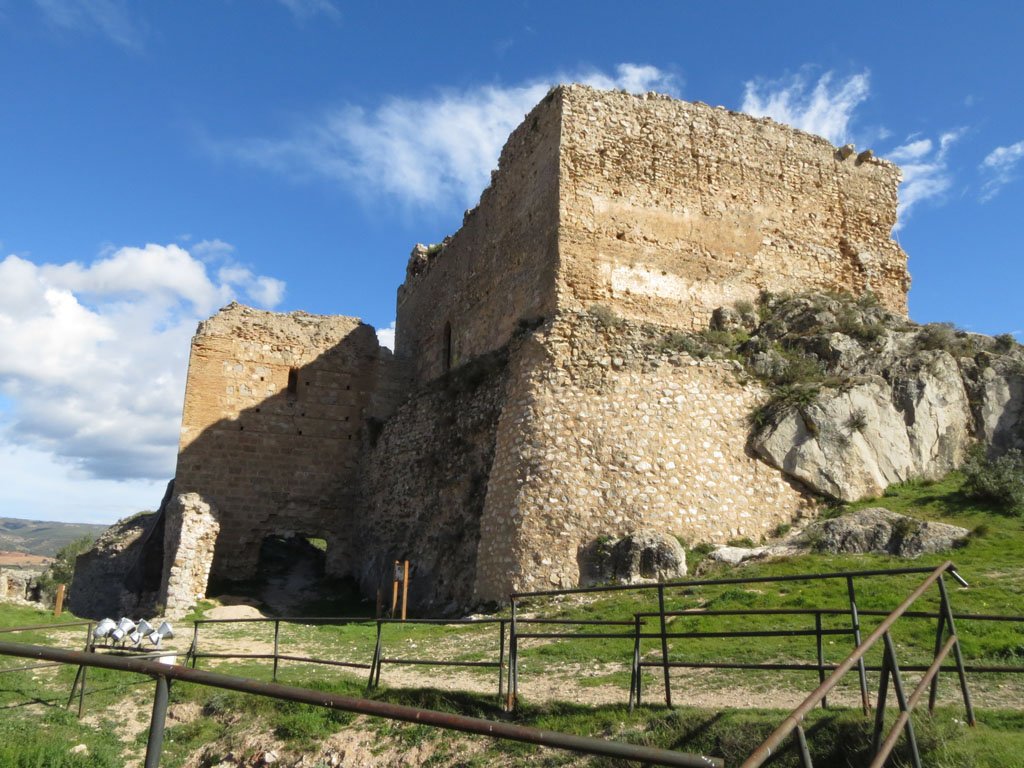

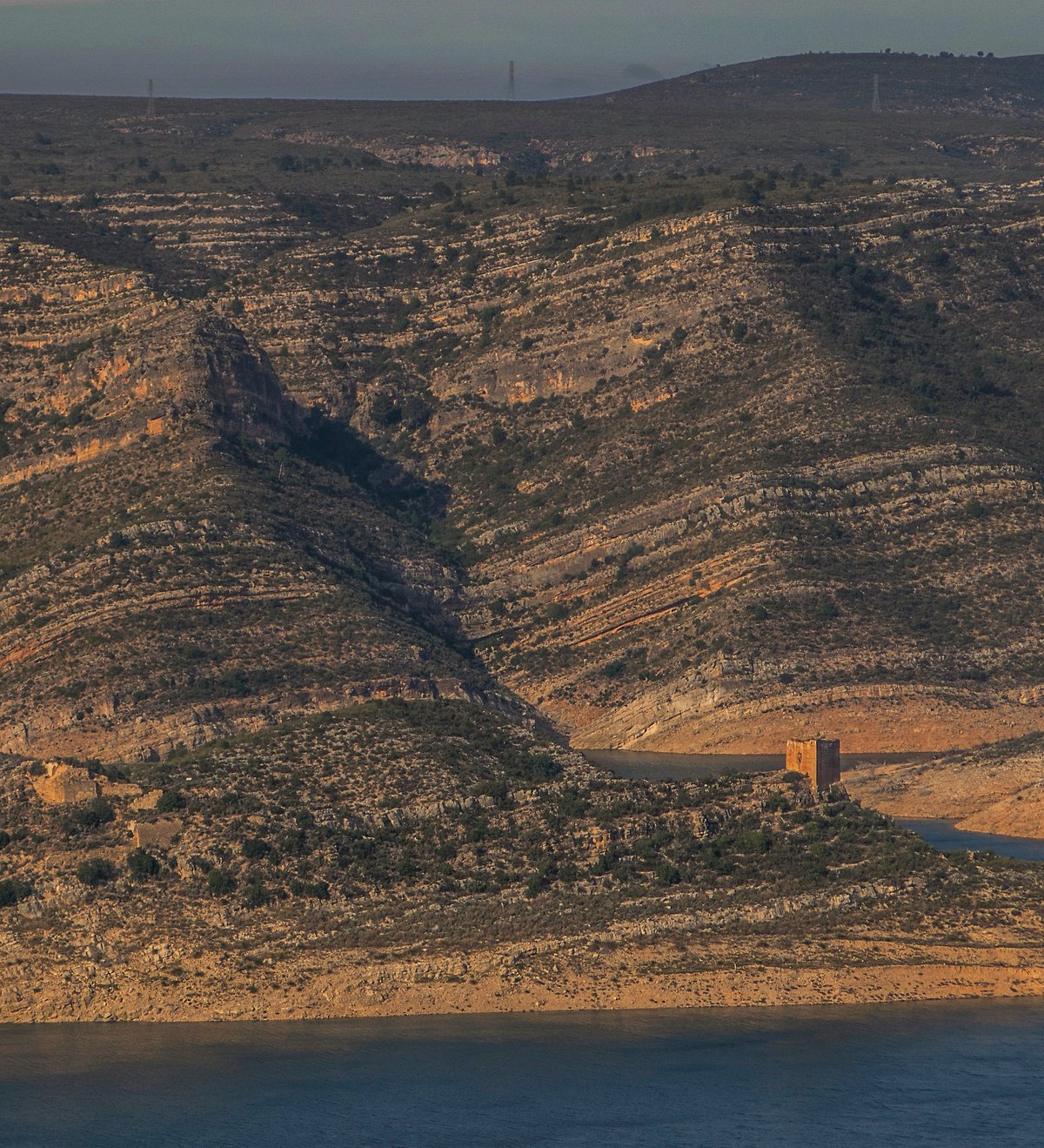
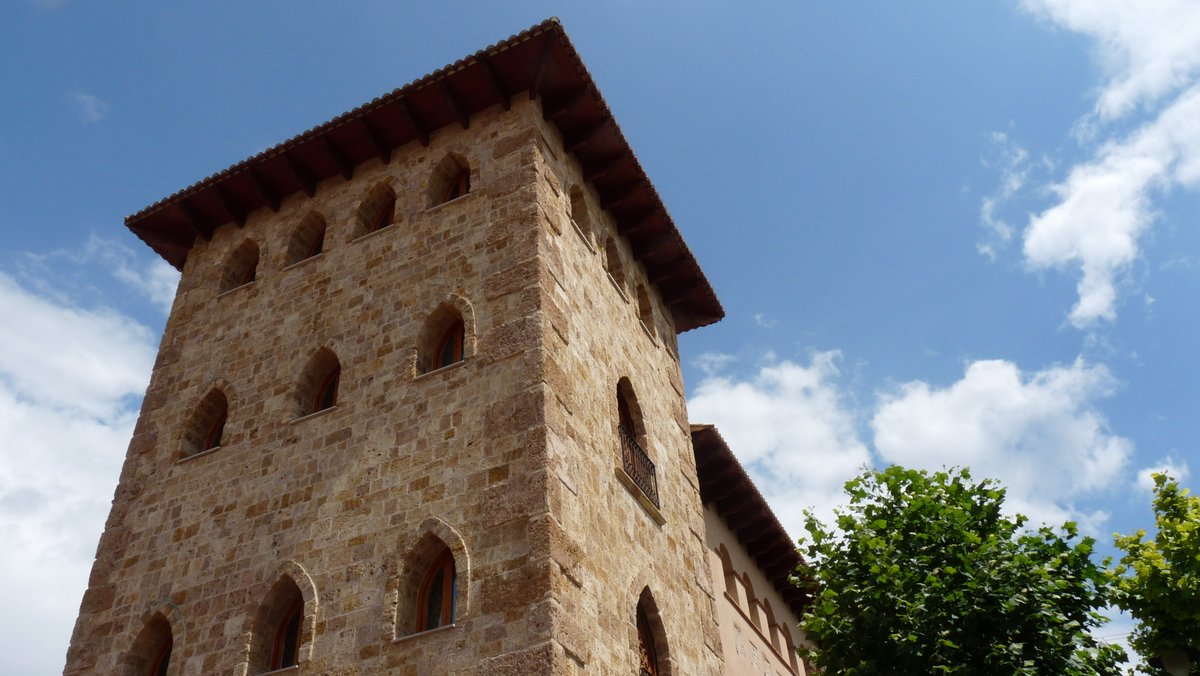
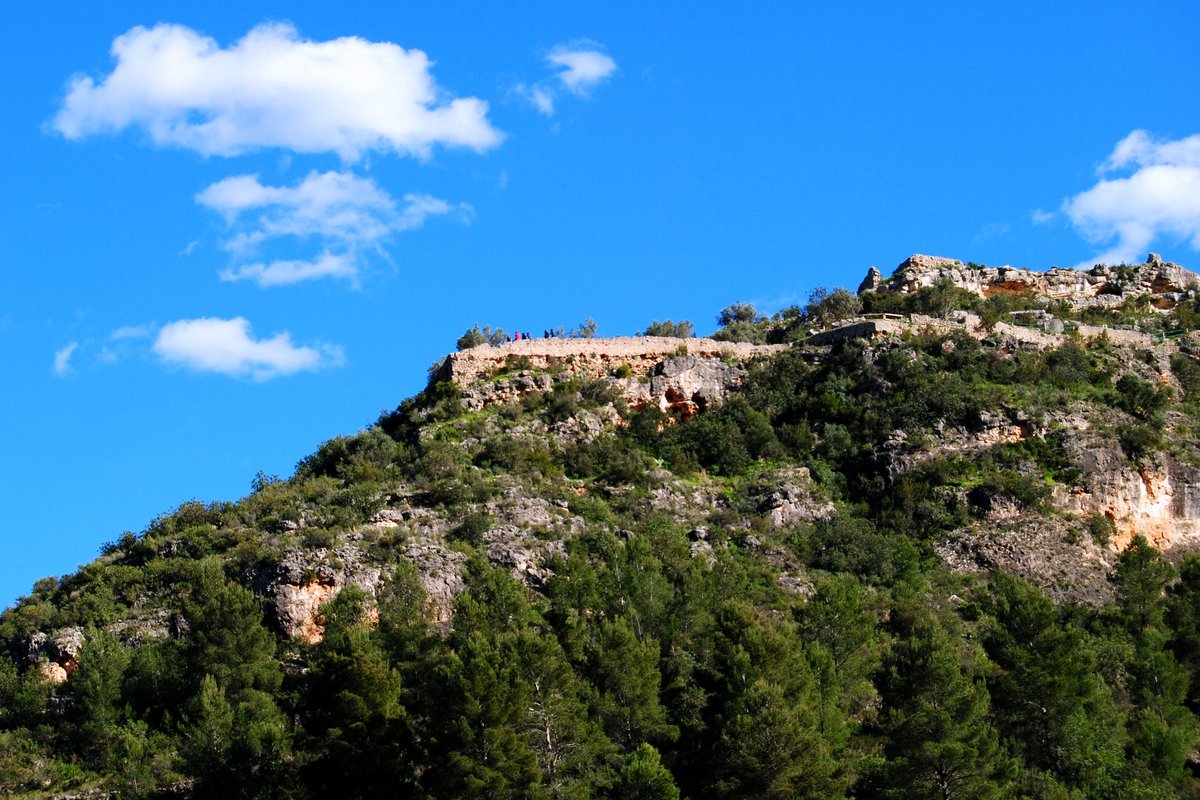
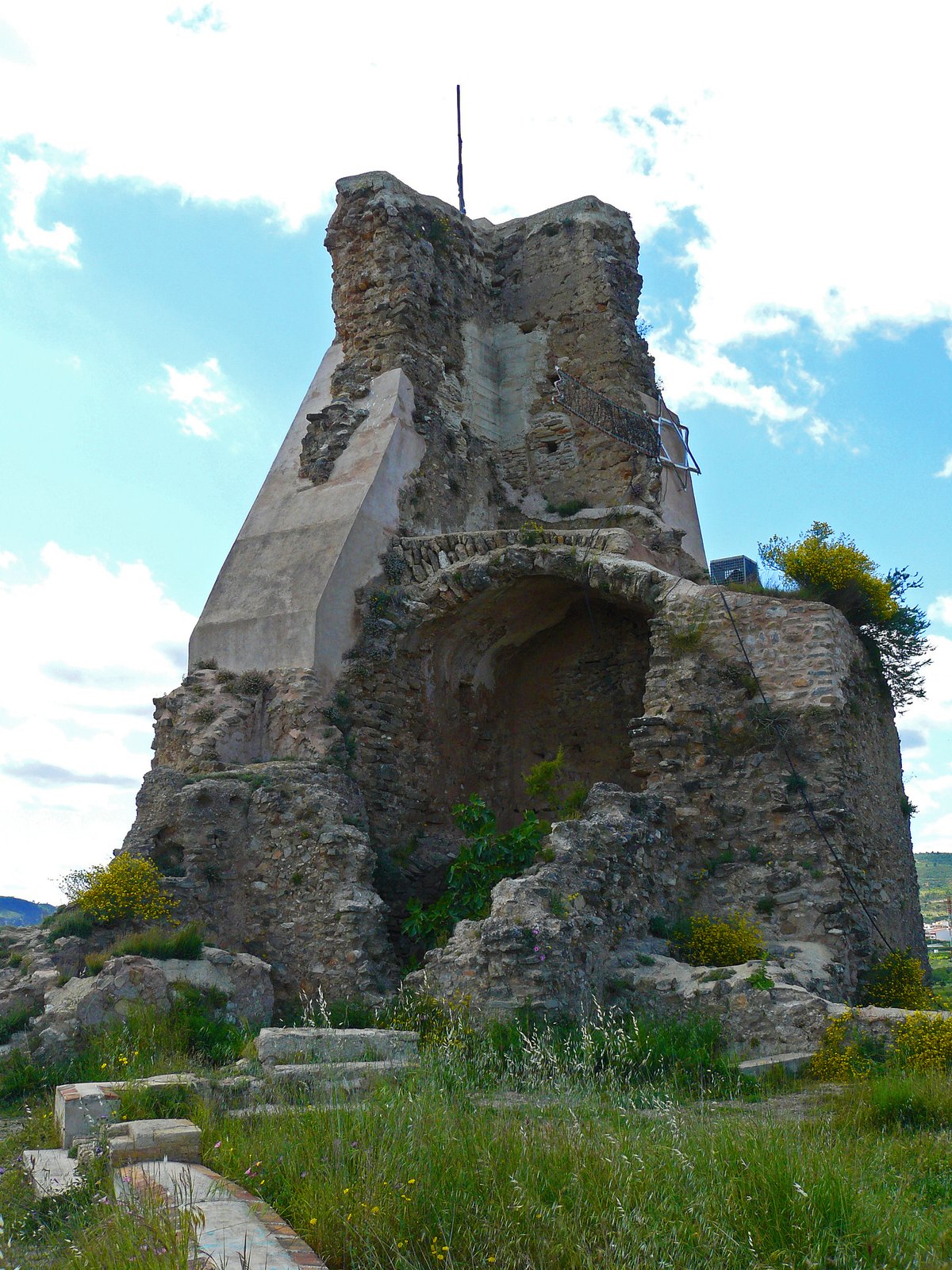
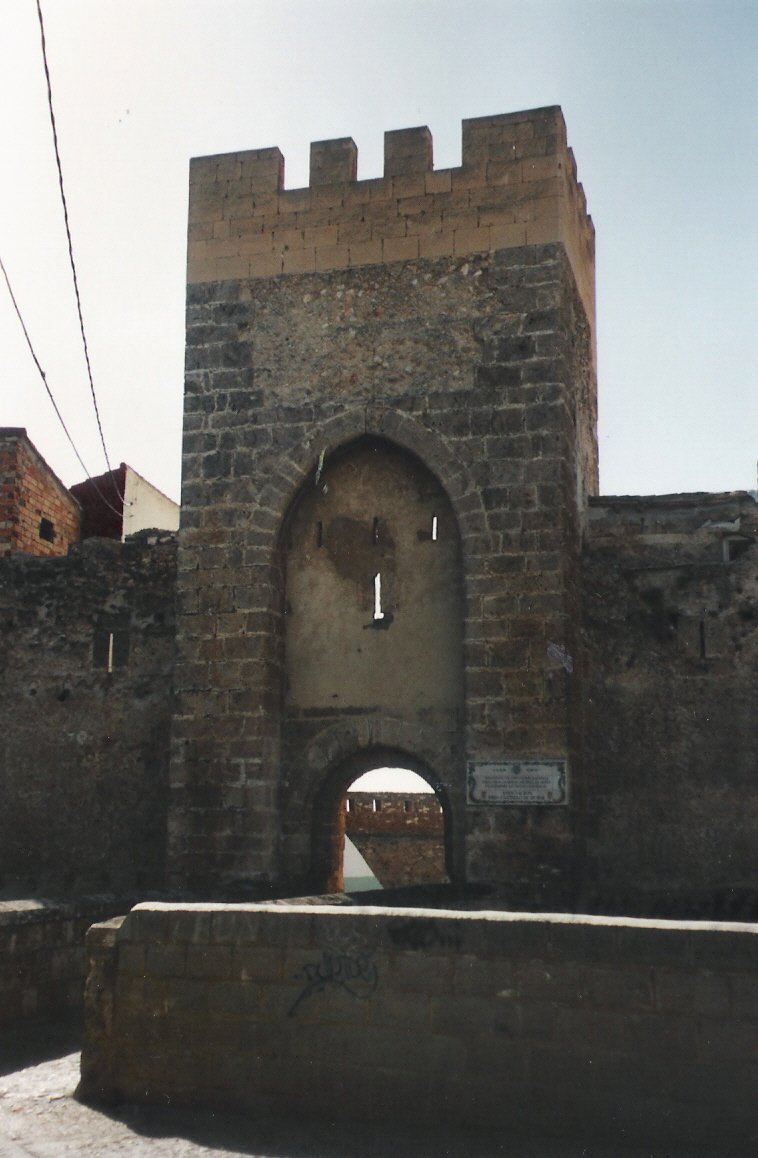
The Castle of Ayora, located in a Valencian town, is a historic monument built in the mid-13th century after the Reconquista on an ancient building. The architectural ensemble originally included a four-storey residence-palace, two fortified towns, a large keep, and gardens. It was surrounded by around 0.62 miles of defensive walls and towers. Today, the remains include the square keep, the Puerta Falsa, and various cisterns and moats.
Of Muslim origin, the castle was rebuilt by the Aragonese between 1239 and 1243. It underwent significant changes in the 16th and 17th centuries to be refurbished as a palace. This included the construction of the Puerta Falsa, commissioned by the Marchioness of Cenete. The castle was eventually reduced to ruins in 1707 by the troops of Philip V of Spain, though its vast size remains noticeable. In 2006, it was declared a Bien de Interés Cultural.
Built using masonry and ashlar construction, the castle contains remnants of rammed earth from prior structures. It features a dominant four-sided tower and two strongholds: the larger Plaza de Armas with pebble pavement and a smaller patio to the south. The Puerta Falsa, which gave way to the palace, features a semicircular arch built with reddish limestone ashlars and an asymmetrical stone coving.
Sources: Wikipedia, OpenStreetMap, Wikidata, Wikimedia Commons
Written by Nik Frost
Discuss this with the author and others
No comments yet. Be the first to start the conversation.