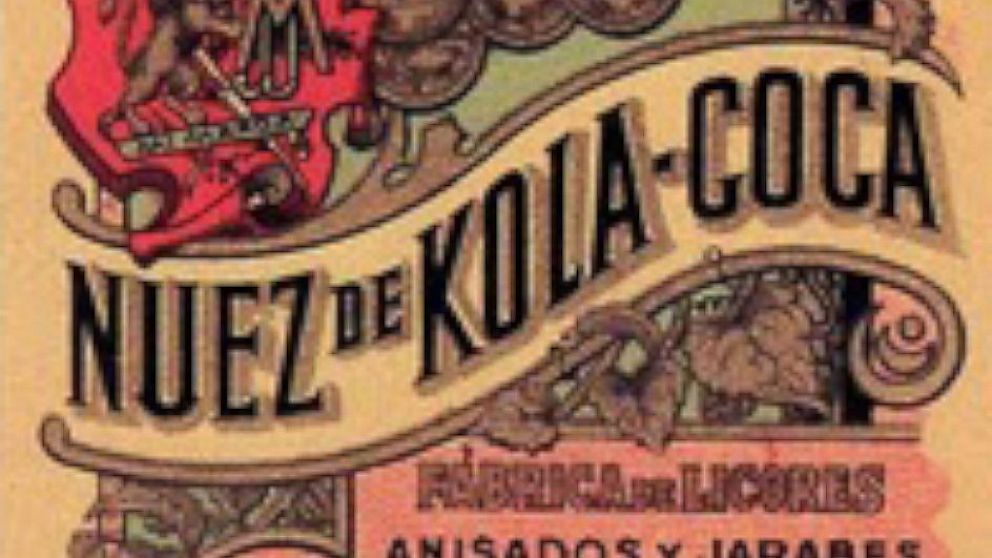

Long before Coca-Cola conquered the world, a small Spanish village may have poured the first glass. This is the story of Kola-Coca.
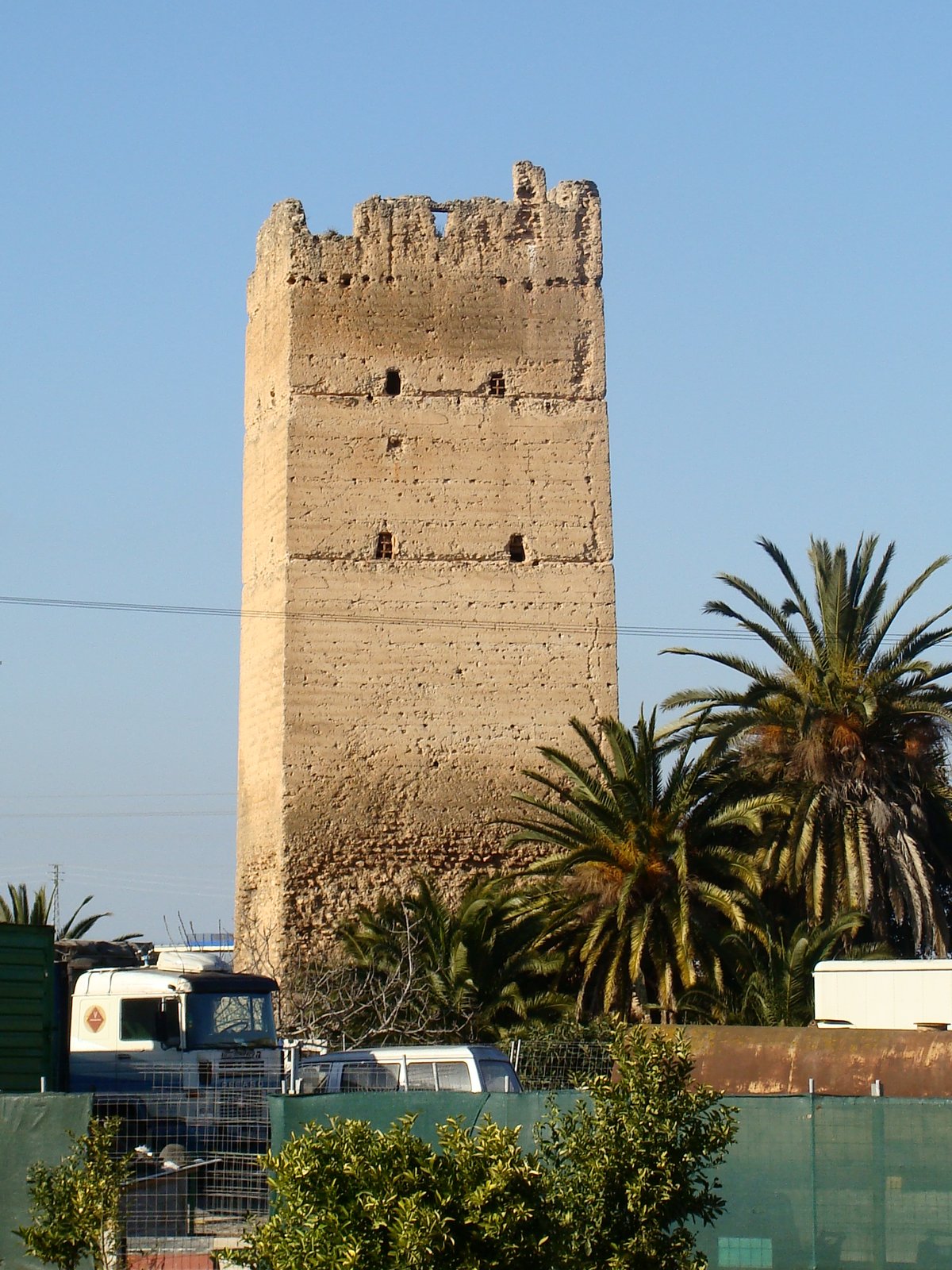
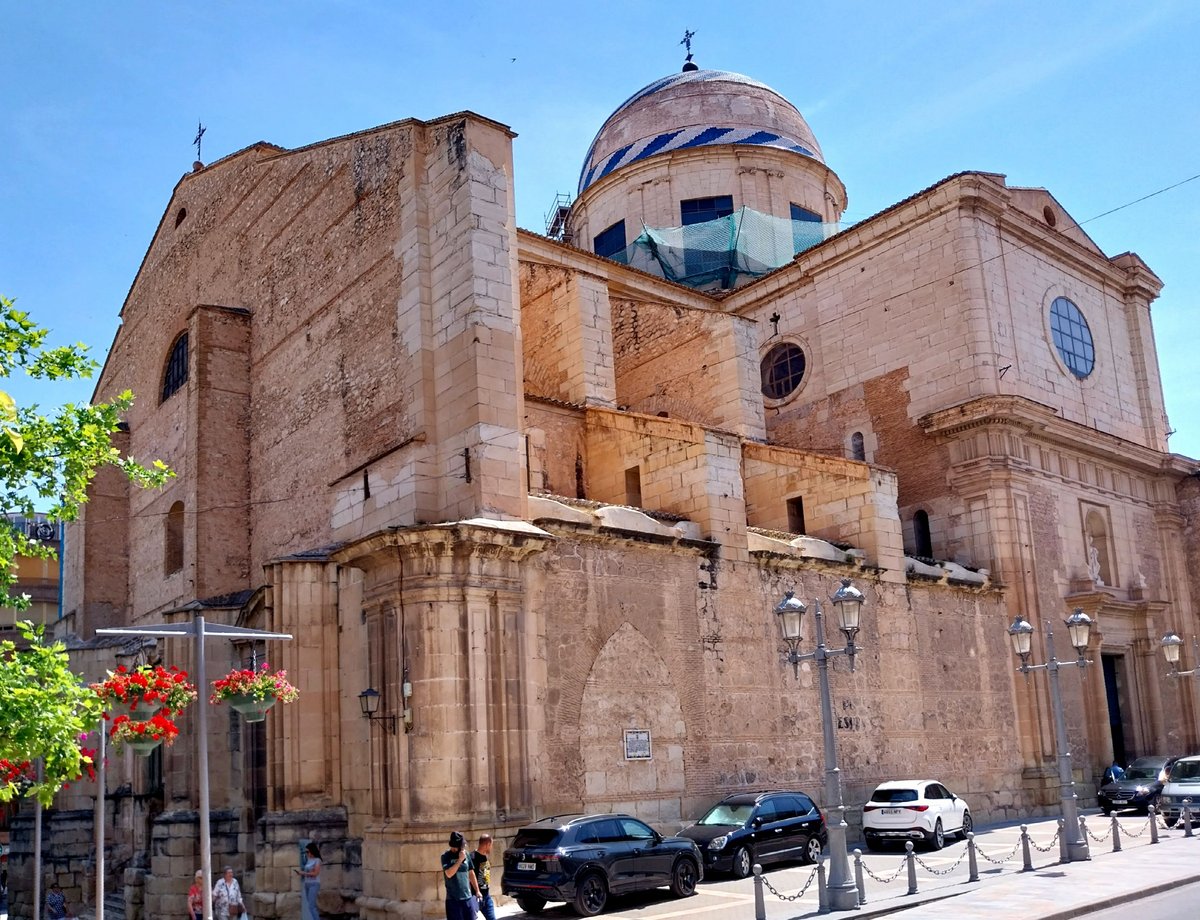
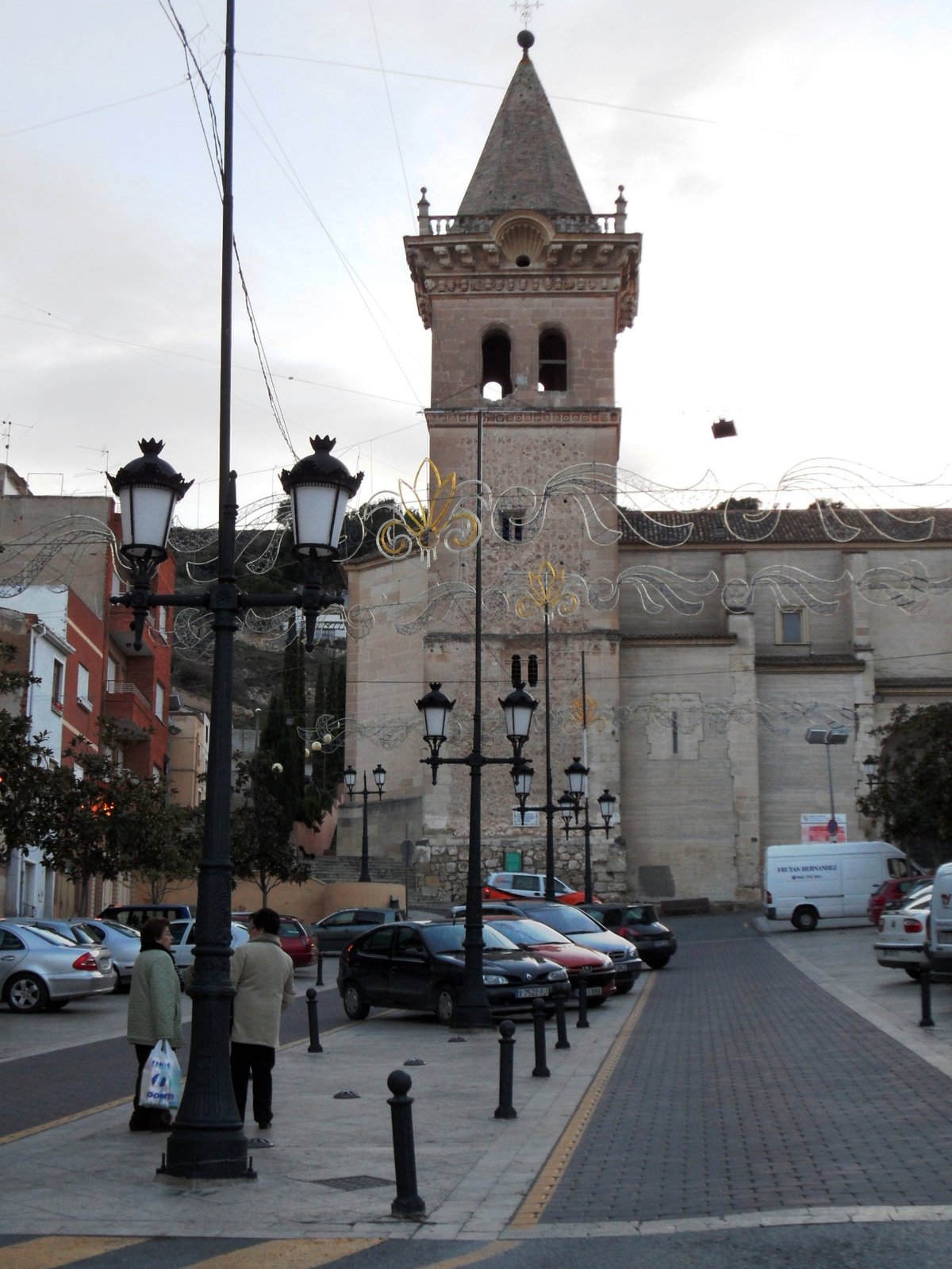
In the quiet Valencian town of Ayelo de Malferit, long before fizzy drinks were mass-marketed, a small distillery was crafting something extraordinary. Founded in the 19th century, Destilerías Ayelo specialized in herbal liqueurs and tonics, blending local ingredients with old-world alchemy. Among their most curious creations was a drink called Kola-Coca—a name that would later echo across the globe in another form.
Kola-Coca was no ordinary beverage. Made with coca leaves, kola nuts, wine or alcohol, and infused with sugar and herbs, it was sold as a medicinal tonic in pharmacies. This was the era of miracle elixirs, and Kola-Coca was marketed as a revitalizing drink, meant to invigorate the body and soothe the nerves. Its name, strikingly similar to what would later become Coca-Cola, was registered in Spain in the early 1880s—several years before John Pemberton introduced Coca-Cola in Atlanta in 1886.
Whether Pemberton was inspired by this Spanish tonic remains a mystery, but whispers in Ayelo suggest that a bottle of Kola-Coca may have made its way across the Atlantic, carried by traders or travelers. The similarities in ingredients and branding are hard to ignore. While Coca-Cola quickly rose to global fame, Kola-Coca faded into obscurity—until the 1950s, when the American giant discovered the Spanish brand’s existence.
Coca-Cola, now a multinational powerhouse, saw the potential trademark conflict and took action. Rather than engage in a drawn-out legal battle, the company opted for a settlement. It is widely accepted that Coca-Cola paid Destilerías Ayelo to acquire the rights to the Kola-Coca name in Spain and ensure no legal obstacles in European markets. The exact terms of the agreement remain confidential, but the encounter cemented Kola-Coca’s place as a fascinating footnote in the beverage’s global history.
Today, Destilerías Ayelo still operates, proudly displaying the original Kola-Coca label inside its modest facilities.
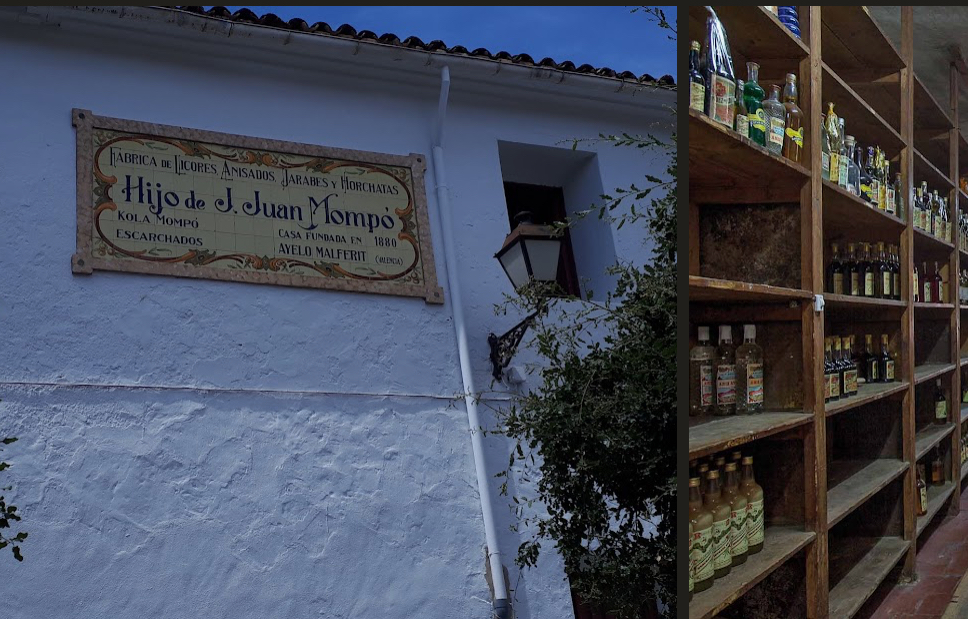
Visitors can explore the old copper stills, faded ledgers, and dusty bottles that tell a different version of how Coca-Cola may have begun—not in a bustling American city, but in a sleepy village in Spain, where kola, coca, and imagination first met in a glass.
Written by Holly Golightly
Discuss this with the author and others
No comments yet. Be the first to start the conversation.