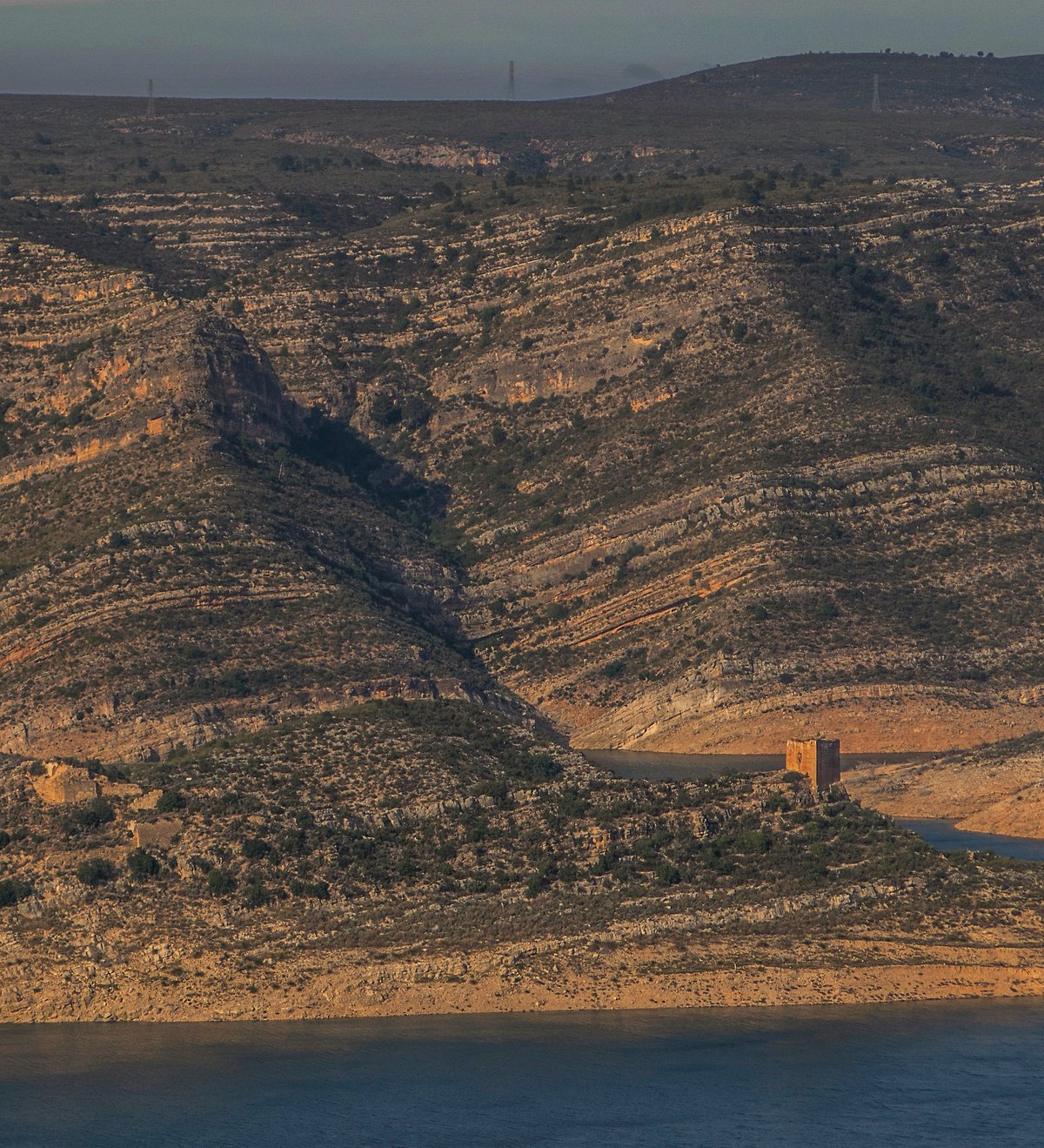

Castell de Tous stands as a resilient medieval defensive structure atop a hill overlooking the waters of the Tous reservoir. Officially recognized by the Spanish government in 2001, this protected site of cultural interest invites us to look closer at its enduring legacy.
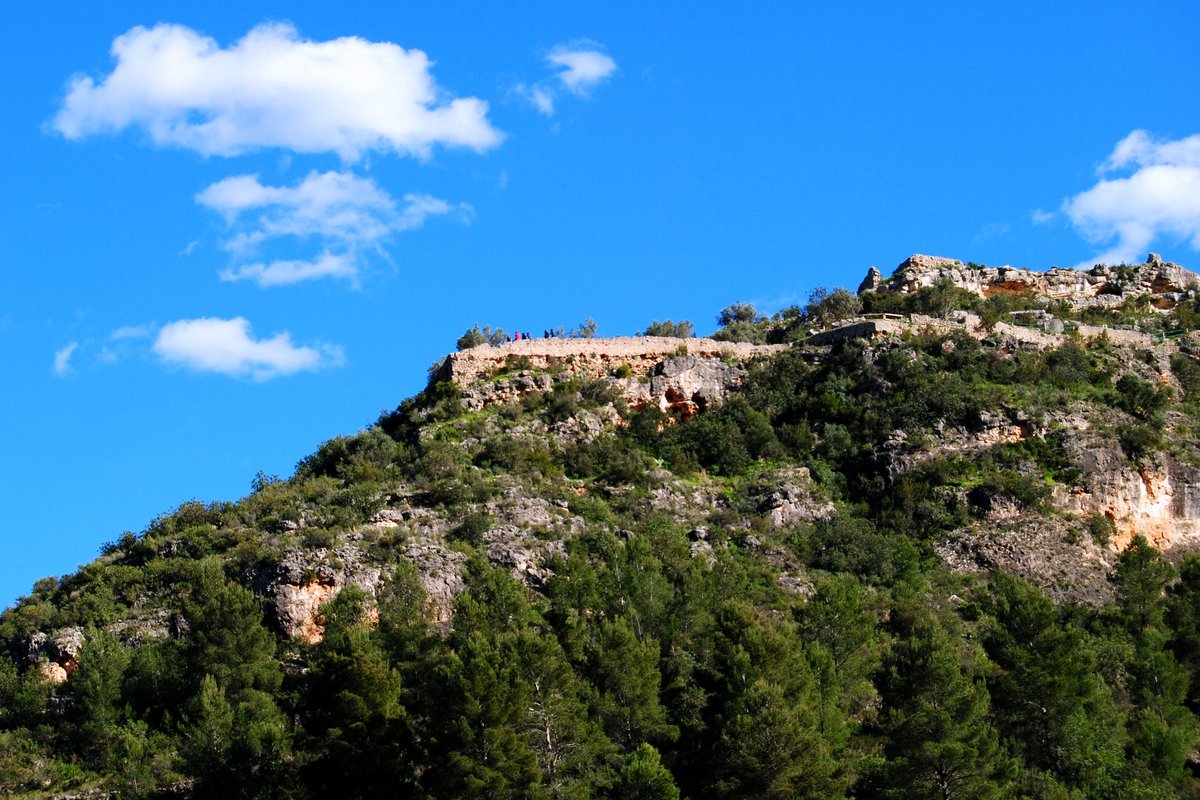
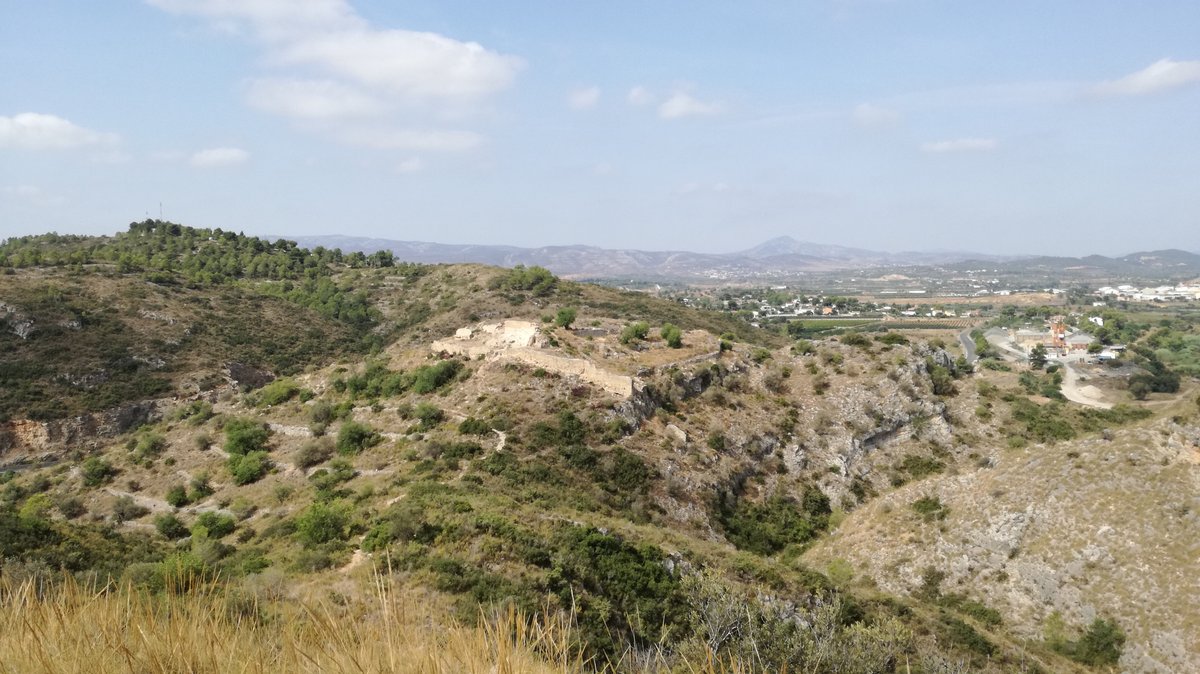
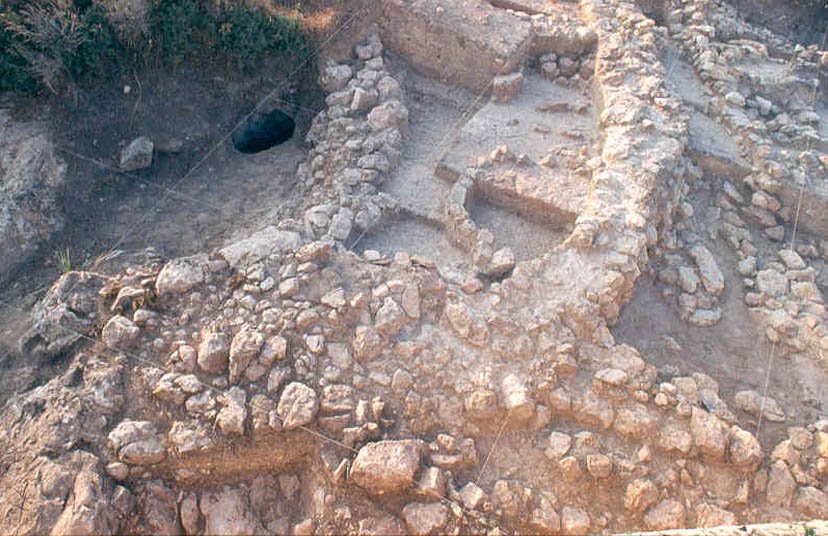
History reveals that the fortress served as a residence for James the Conqueror during the siege of Xàtiva. We can examine the site through two distinct fortification zones. To the south, the major defensive complex and main living area offer a clear view of tower foundations, internal chambers, and sections of the masonry curtain walls.
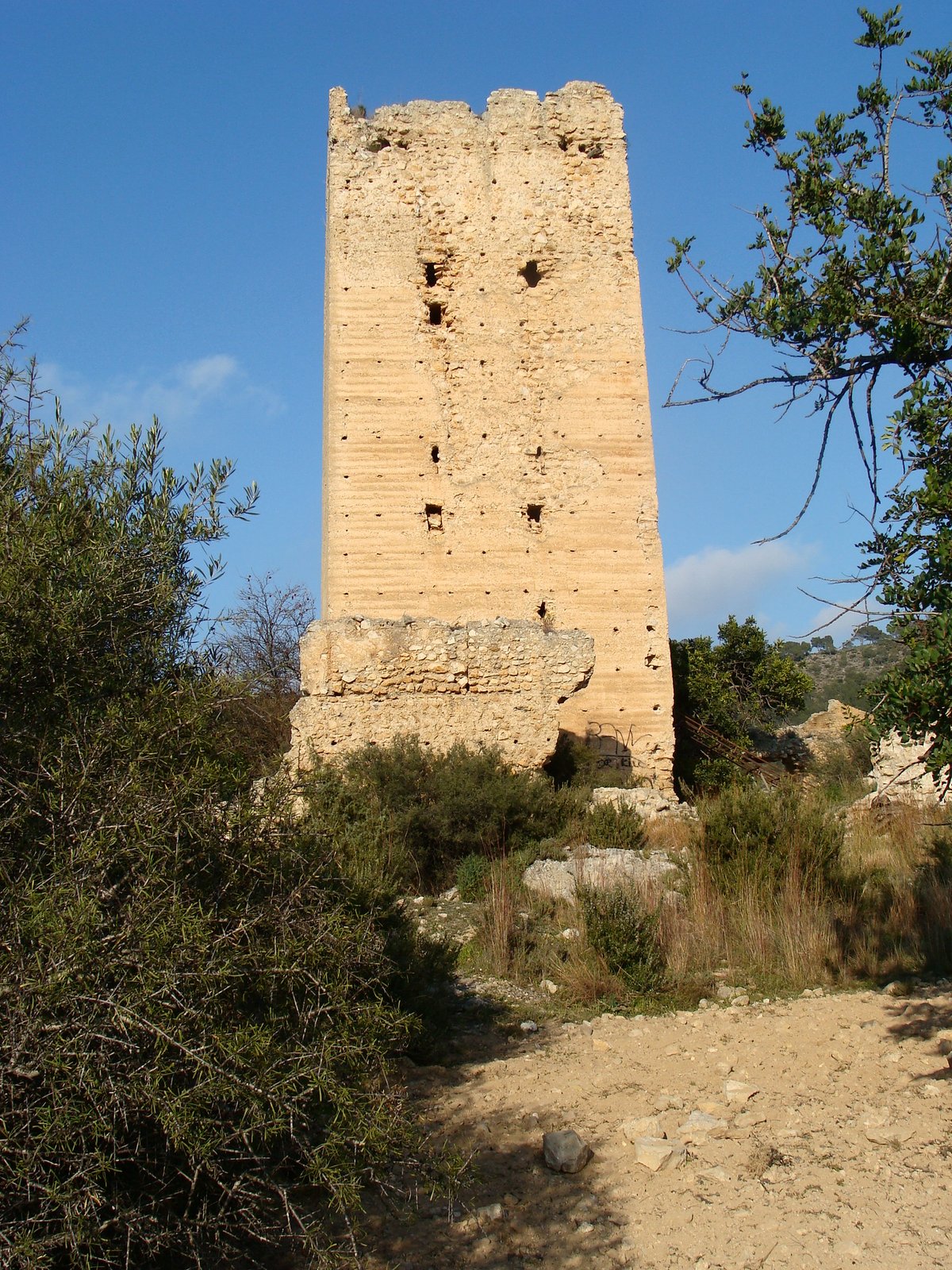
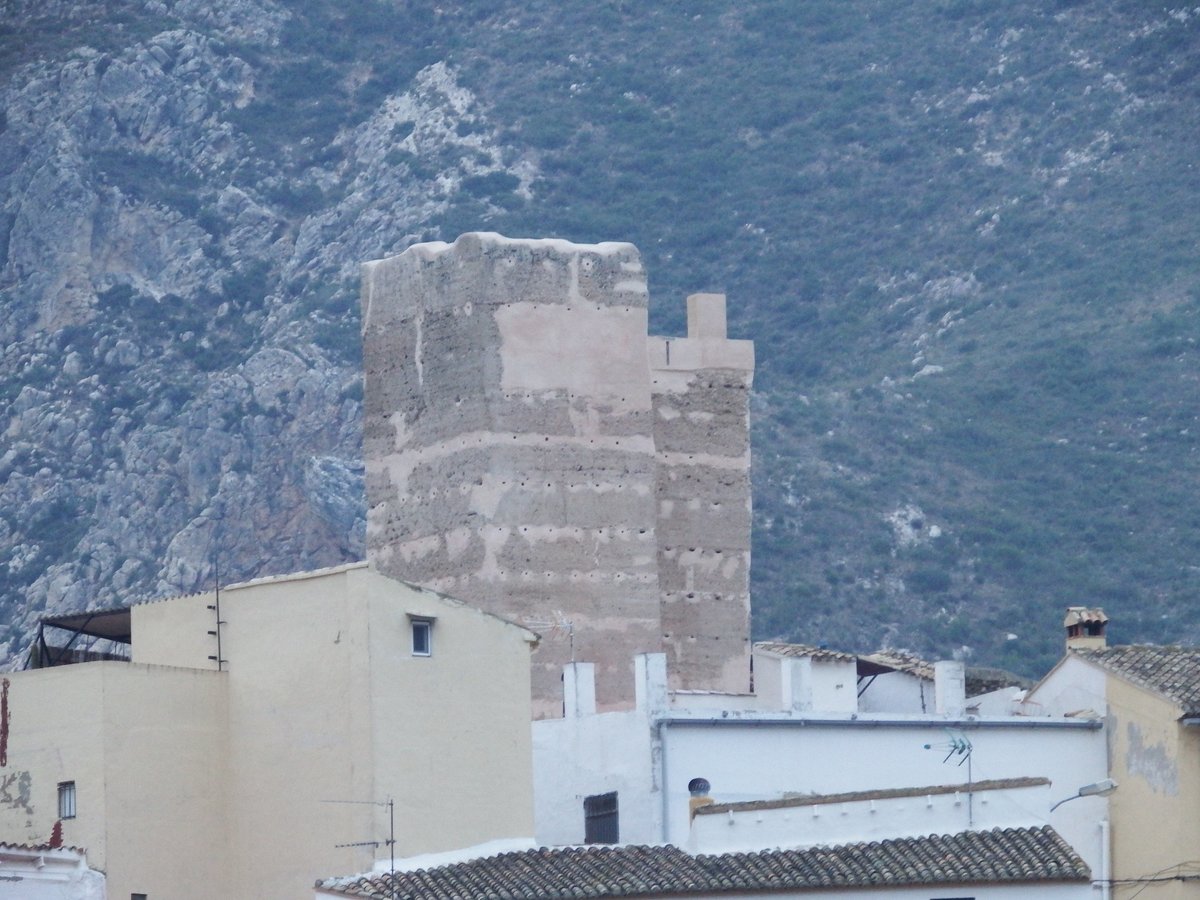
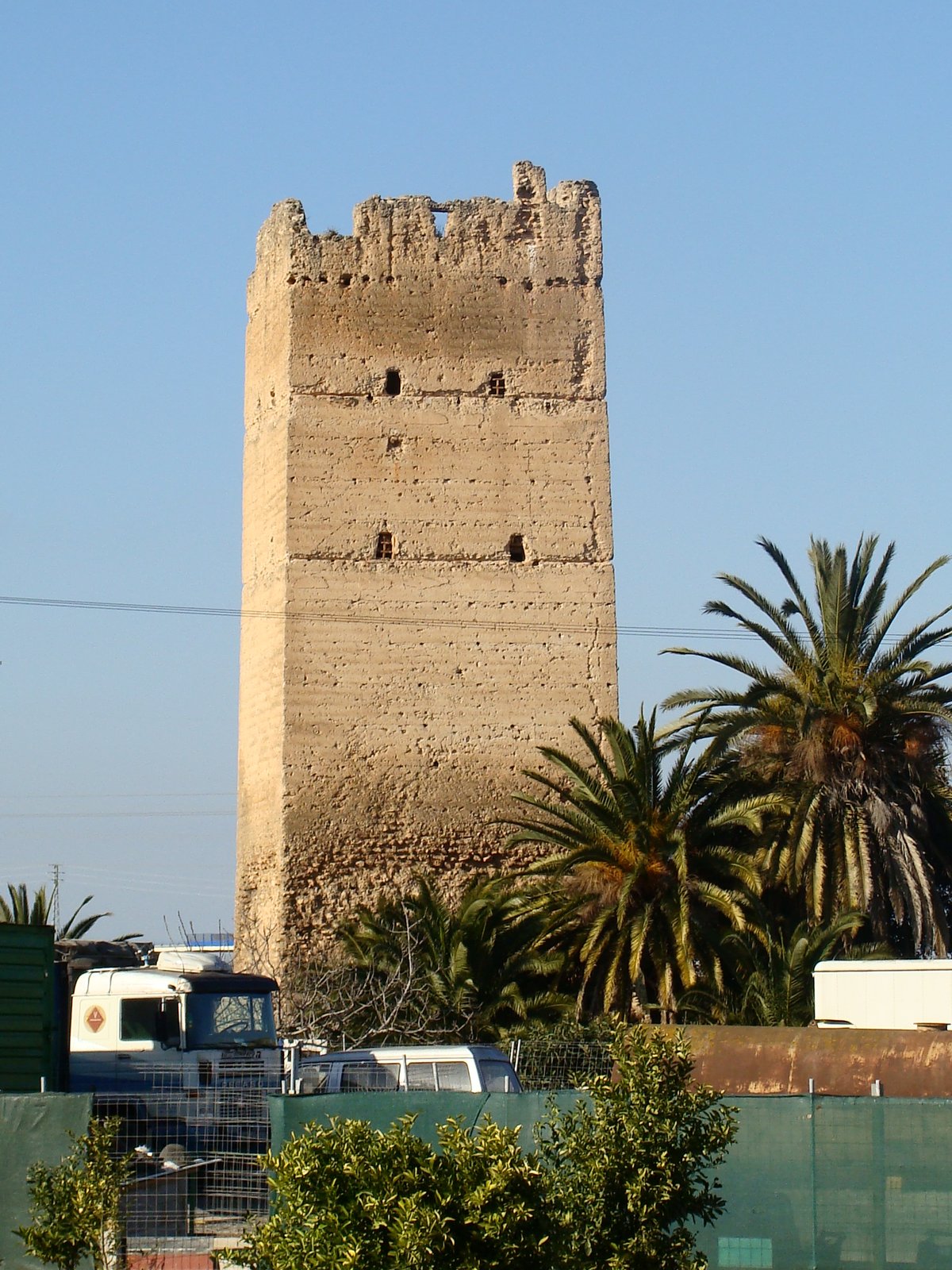
At the northern end, a large rectangular tower sits directly on the rock, enclosed by the walls of an earlier structure. Although the battlements have crumbled, the upper vault of the tower remains intact. Long stretches of curtain walls connect these two historical zones, serving as a physical map of the site's evolution.
Today, these ruins provide a stable foundation for understanding medieval military architecture. The remains are well preserved enough to show how different periods of defense were layered onto the same rocky terrain, inviting further exploration of how these structures protected the land.
Sources: Wikipedia, OpenStreetMap, Wikidata, Wikimedia Commons
Written by Nik Frost
Discuss this with the author and others
No comments yet. Be the first to start the conversation.