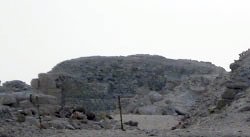

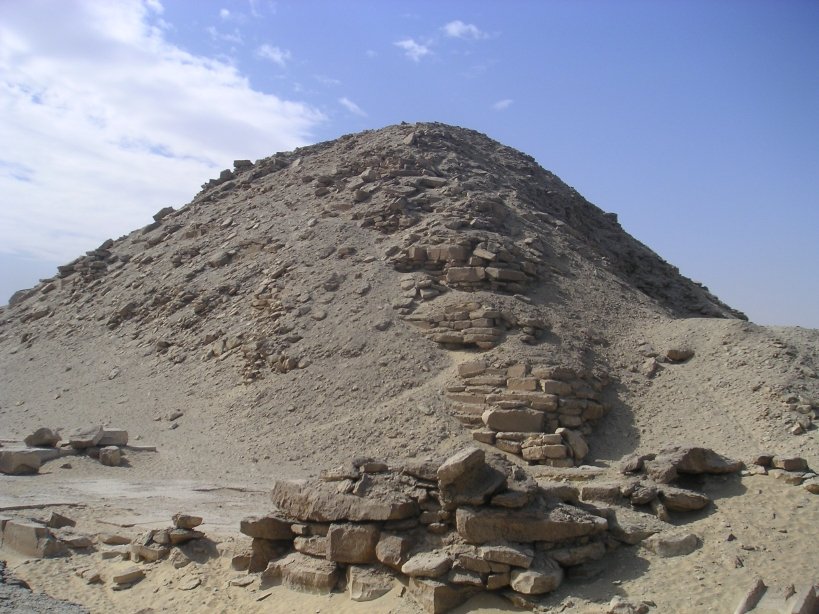
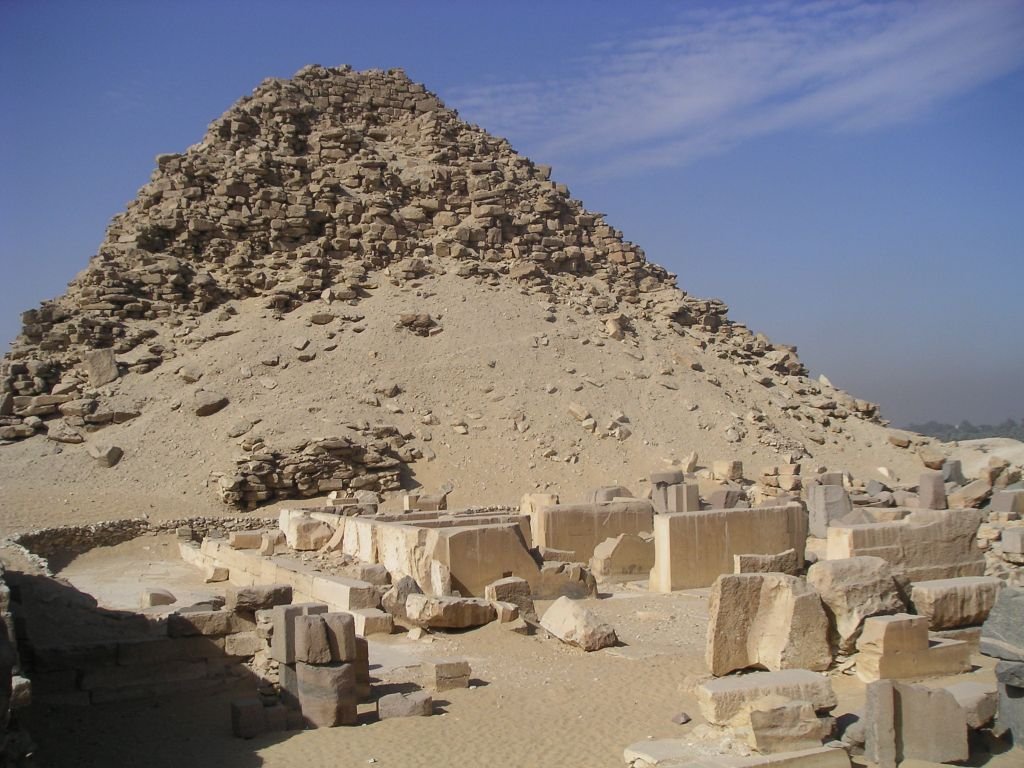
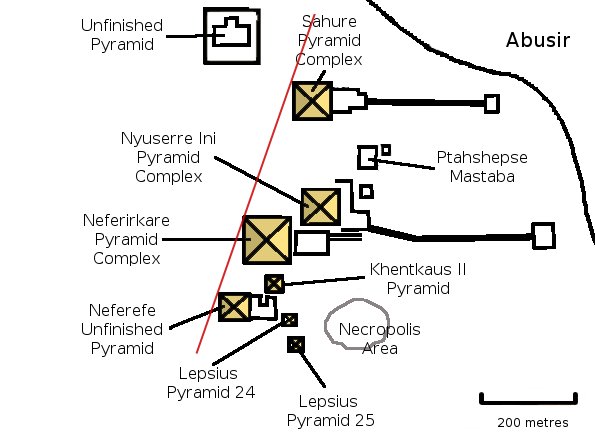
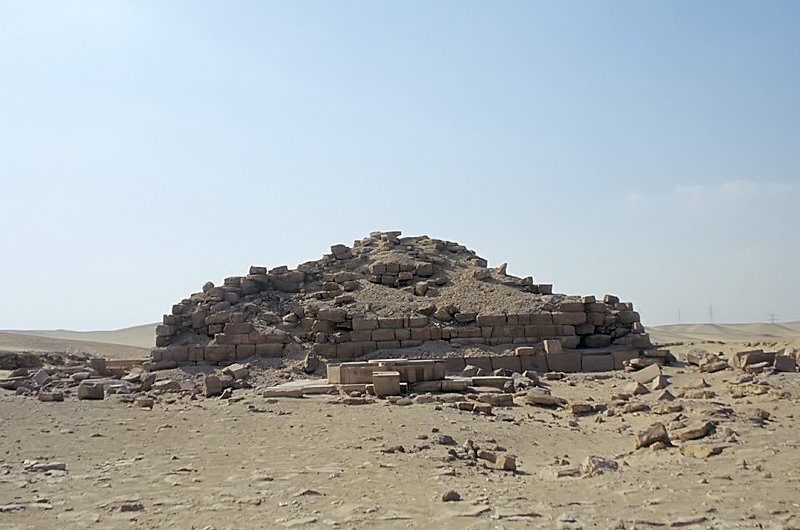
Deep within the Abusir necropolis, two adjacent monuments stand on the south-eastern edge, south of the pyramid of Khentkaus II. Built during the mid-Fifth Dynasty, likely during Nyuserre Ini's reign, they were constructed for two female members of the extended royal family. Unlike nearby structures, these monuments lack a mortuary temple and feature a unique architectural layout that has led Egyptologists to debate their classification.
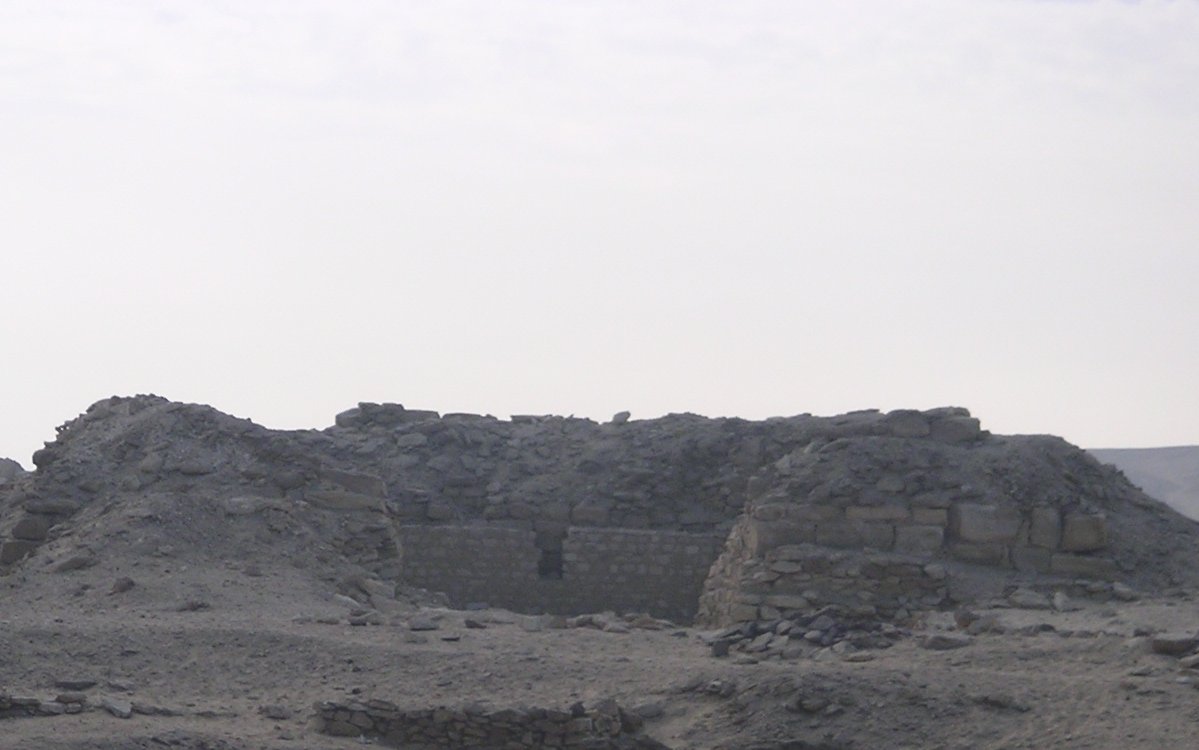
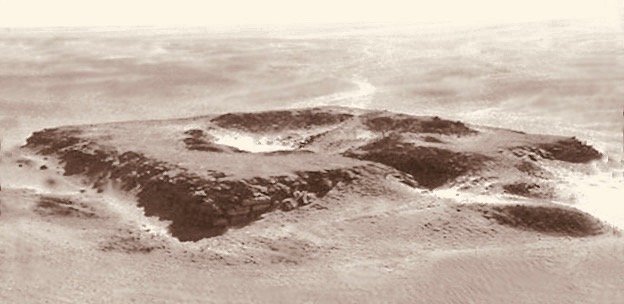
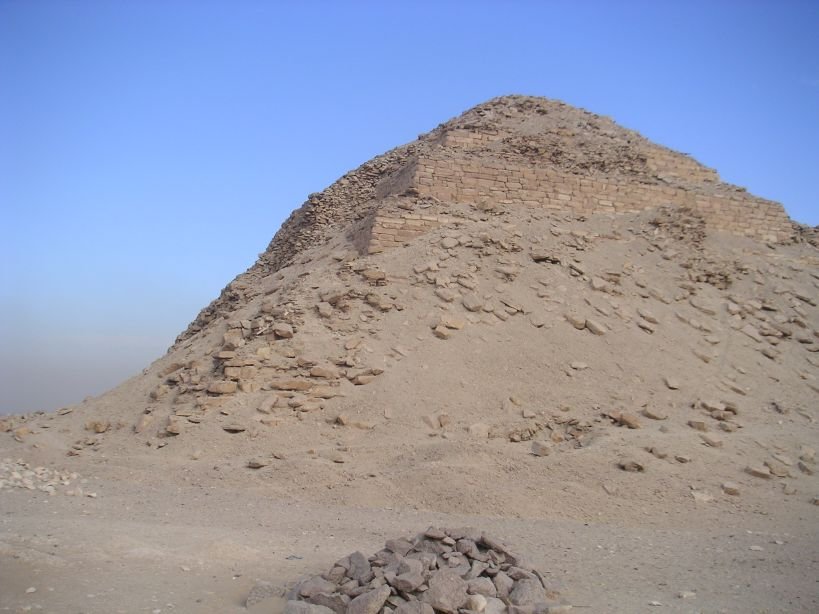
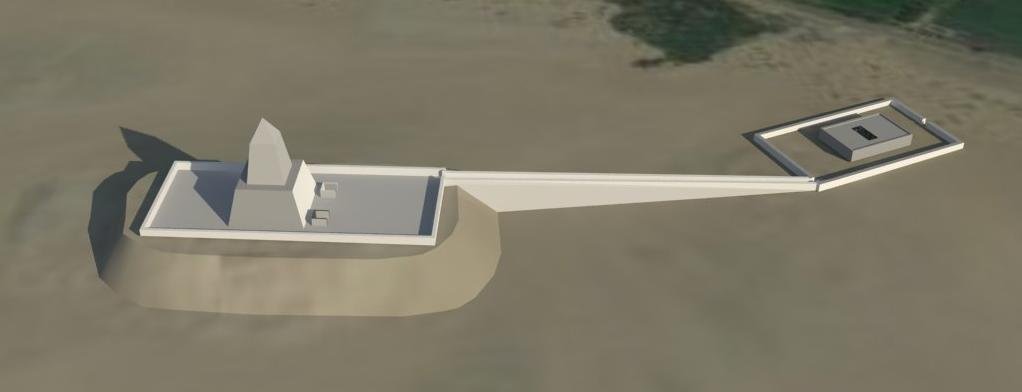
The structures possess slightly rectangular bases oriented in a north-south direction. Their walls climb at a sharp 78-degree angle, a steep incline that leaves them looking like truncated peaks or flat-topped platforms. While some scholars call them a "double pyramid," others argue they are simply a double mastaba. Builders left inscriptions in the masonry, including a name that can be translated as "the two [pyramids] are watchful."
The larger eastern tomb was made of large blocks of white limestone and held a niche for a sarcophagus, but grave robbers have long since stripped the room. Among the rubble, fragments of a woman’s remains and pieces of limestone canopic jars remain. To the west, a smaller companion made of grey limestone sits in ruin; its underground structure has been thoroughly destroyed, with only the upper part of the descending passage and the foundations of the tomb chamber surviving.
Now, the site is a place of archaeological debate. A small offering chapel survives on the eastern side of the eastern tomb, though its fine white limestone cladding was almost entirely quarried away. Part of the roof of the vestibule remains intact, and scraps of papyrus from a list of offerings remain to provide details of the rites once brought to these silent monuments.
Sources: Wikipedia, OpenStreetMap, Wikidata, Wikimedia Commons
Written by Mutabor
Discuss this with the author and others
No comments yet. Be the first to start the conversation.