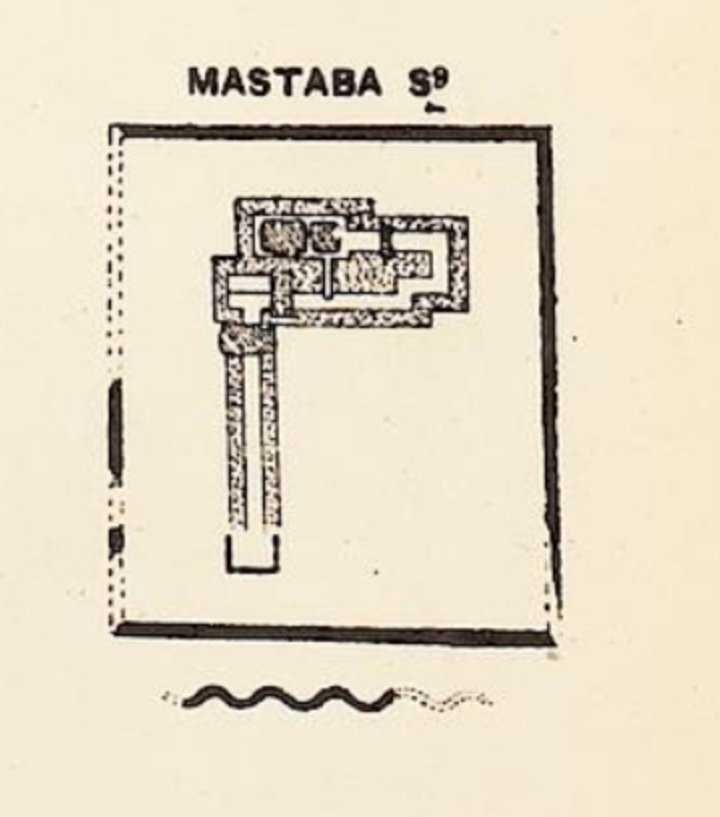

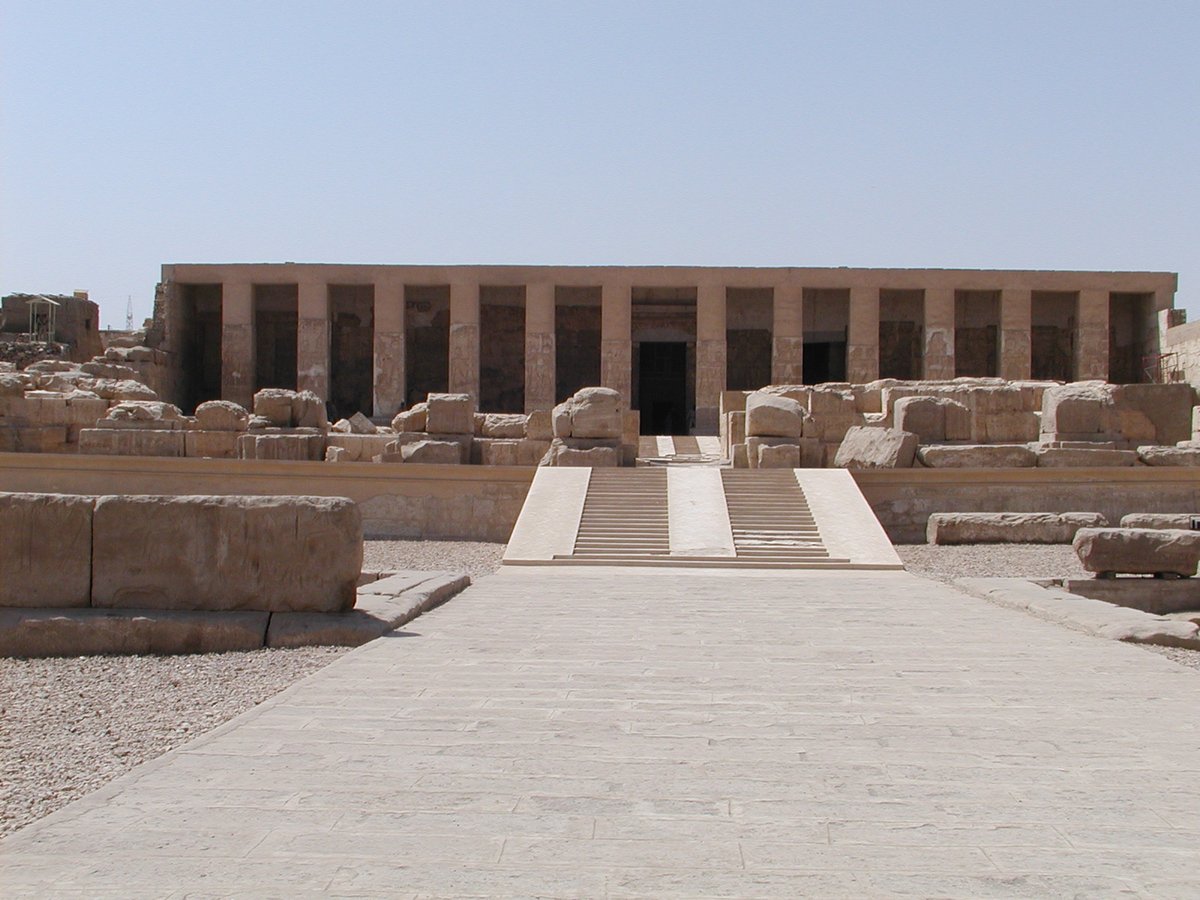
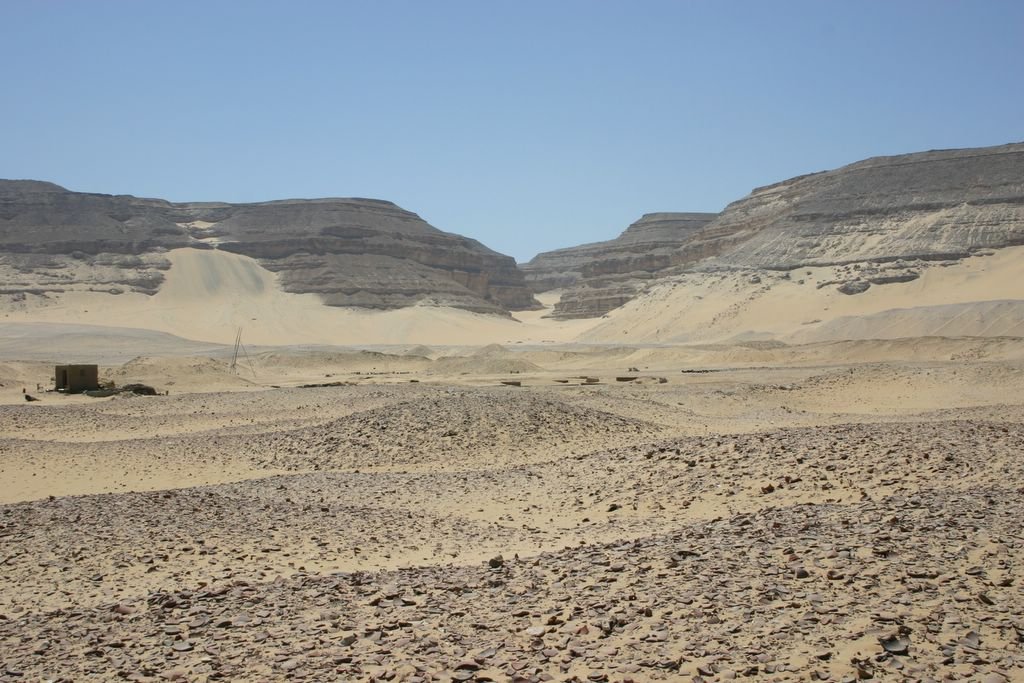
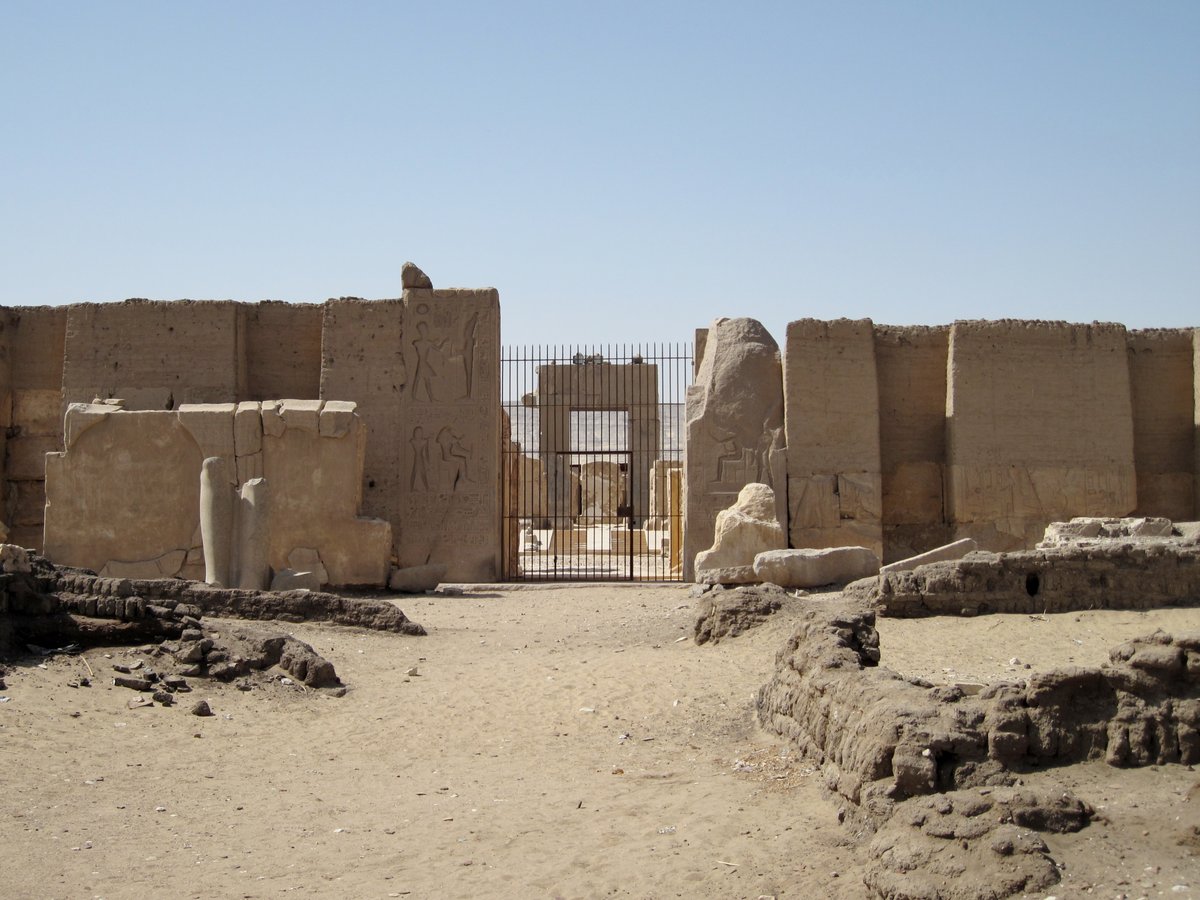
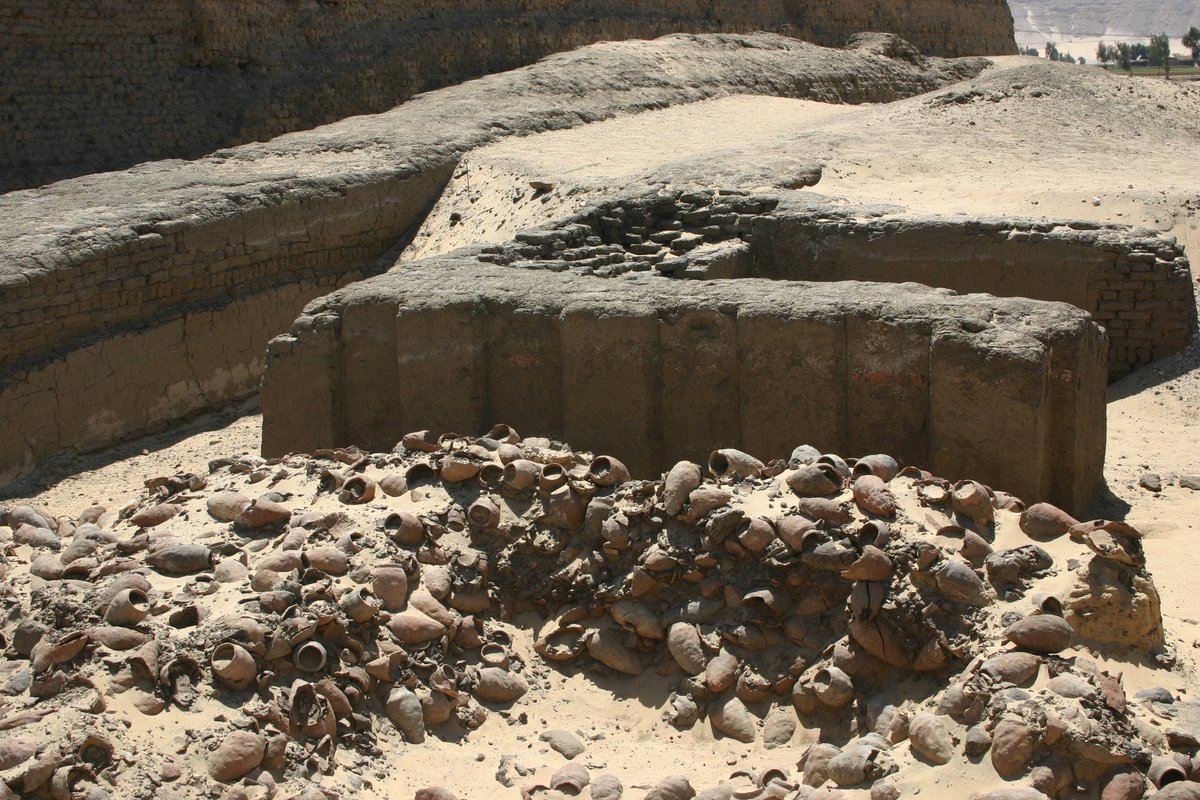
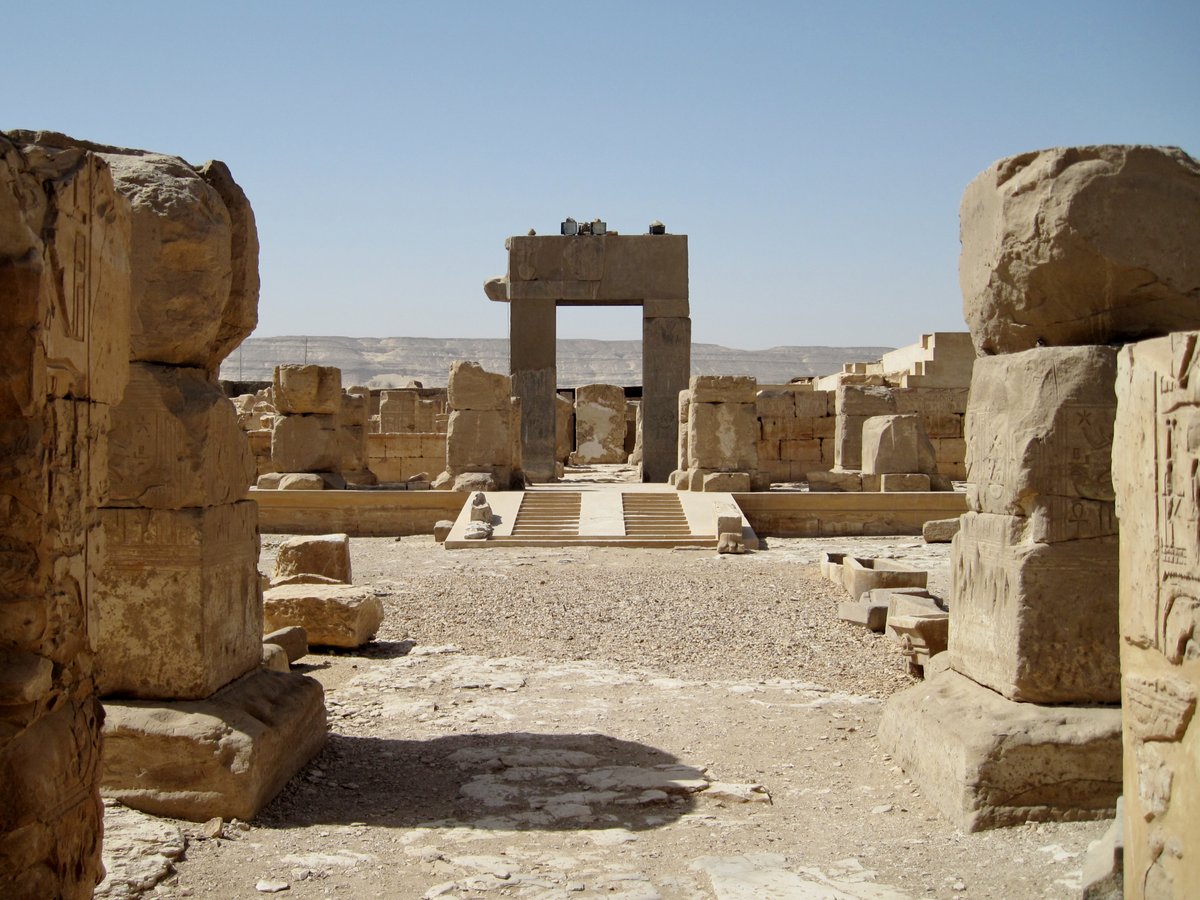
Tomb S9 is a monumental ancient Egyptian tomb complex located in the royal necropolis of Abydos, Egypt. Dating to the mid-13th Dynasty during the late Middle Kingdom, the site is situated northeast of the causeway leading to the funerary complex of Senusret III. The tomb was first explored by Émile Amélineau and later excavated by Ayrton, Weigall, and Petrie in 1901-1902. Finds from the area indicate that S9 suffered extensive, state-sanctioned stone and grave robbing during the Second Intermediate Period, only a few decades after its construction, as well as during the later Roman and Coptic periods.
The substructures of S9 were dug into the hard sand some 3.0 m below the surface and lined with smooth limestone blocks. A passage leads to a quartzite portcullis, followed by a stone-lined chamber. This leads to a burial chamber housing a massive sarcophagus built from three blocks of quartzite sandstone, polished on the inside. While the exact type of superstructure remains unclear, Egyptologist Aidan Dodson notes that it could have been a mastaba or a pyramid, similar to the Southern Mazghuna pyramid or the Pyramid of Khendjer.
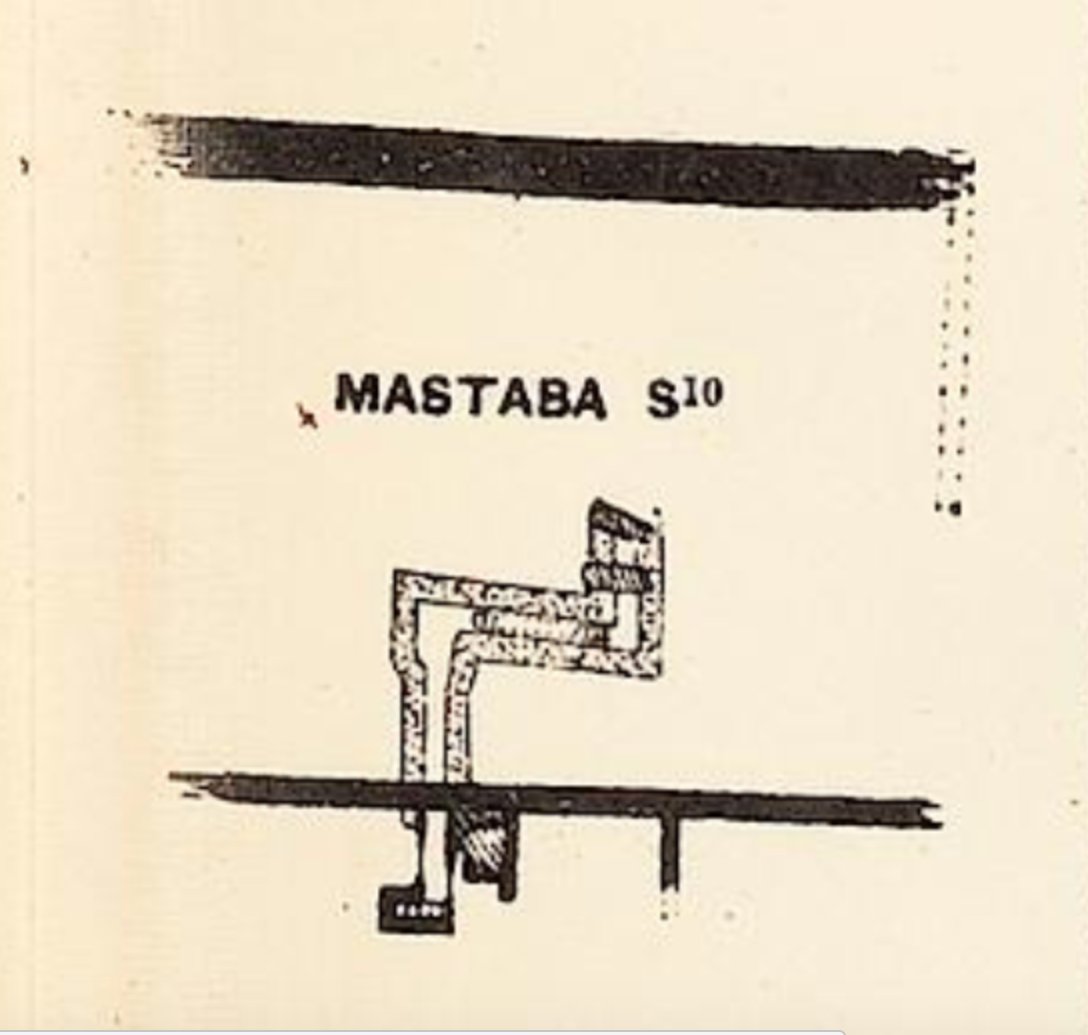
Recent excavations in 2003 and 2014 suggest that S9 and the neighboring S10 were royal tombs. Finds in S10, including a funerary stela and coffin fragments, suggest it belonged to Sobekhotep IV. Consequently, Egyptologist Josef Wegner tentatively attributed S9 to Sobekhotep IV's predecessor and brother, Neferhotep I. This attribution is supported by the fact that both kings were known to have been particularly active in Abydos during the late Middle Kingdom.
Sources: Wikipedia, OpenStreetMap, Wikidata, Wikimedia Commons
Written by Mutabor
Discuss this with the author and others
No comments yet. Be the first to start the conversation.