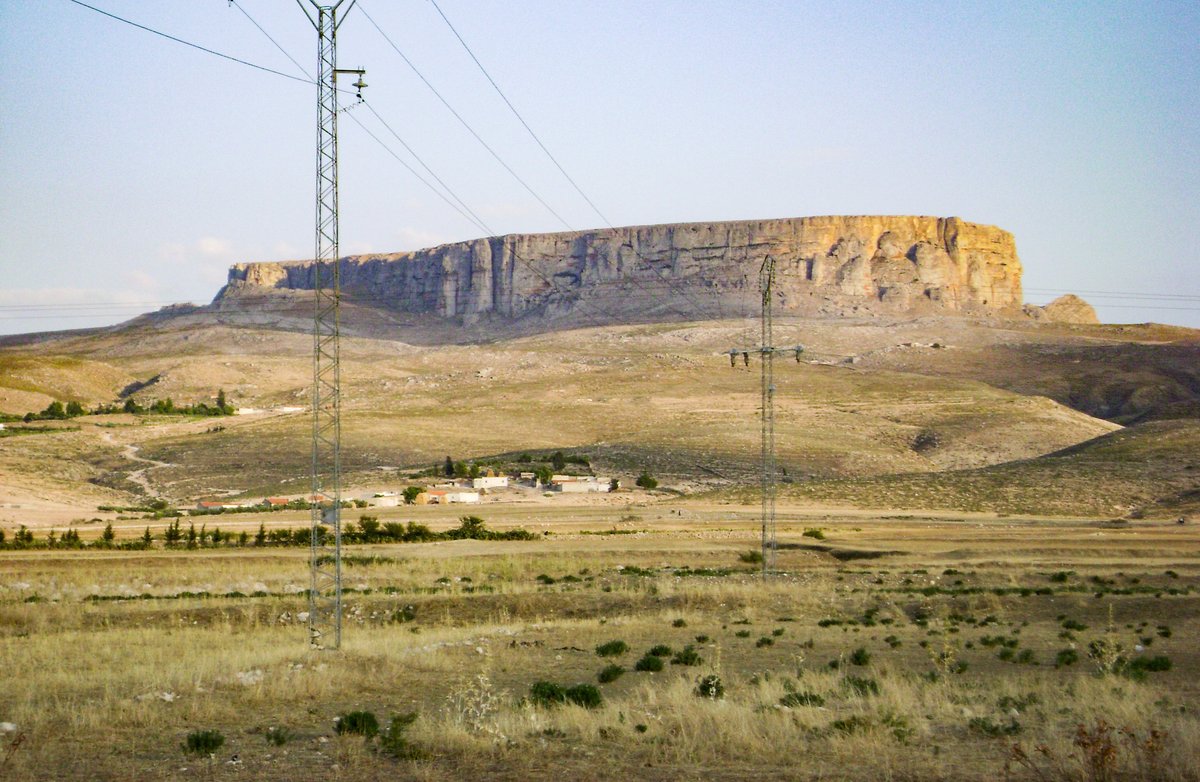

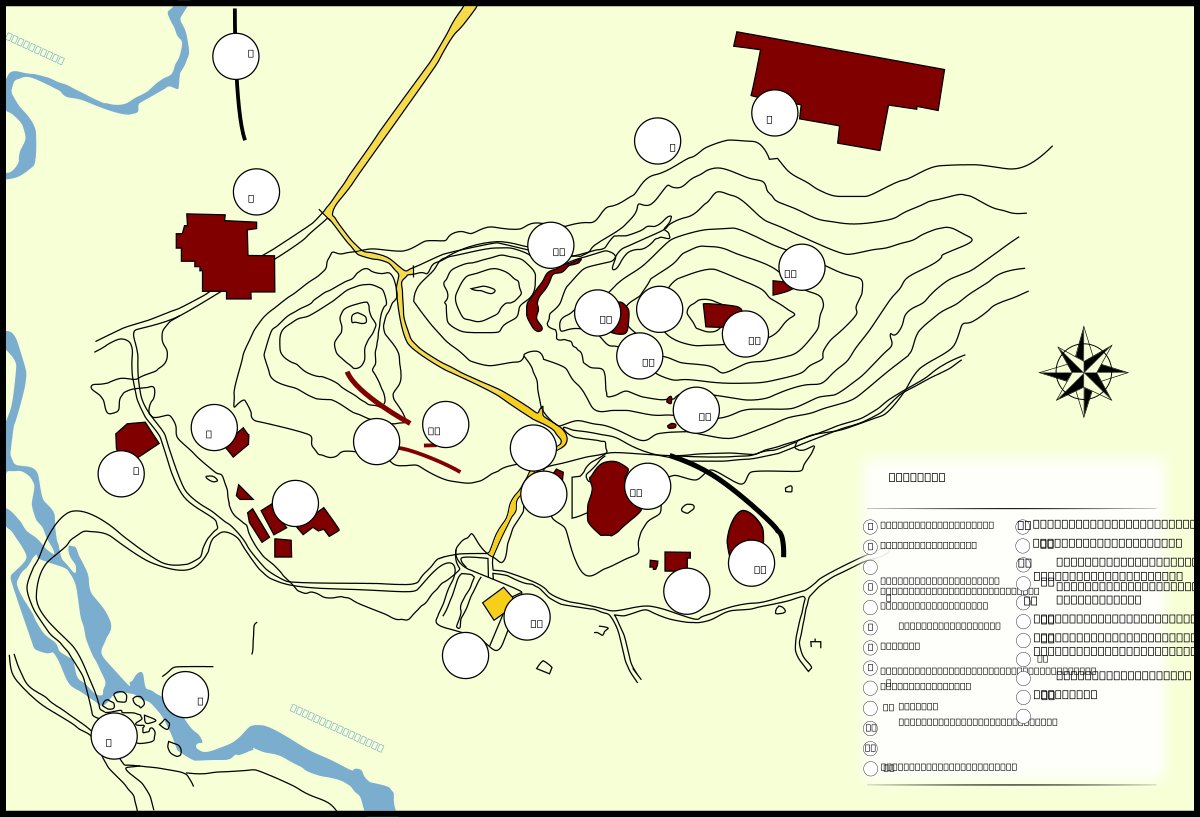
The Jugurtha Tableland is a large mesa near the town of Kalaat es Senan, Tunisia, standing almost 600 metres above the Ez-Zghalma plain. Measuring 1,500 metres long and 500 metres wide, it covers nearly 80 hectares. The site is a geologic feature known as an inverted relief, where the hard limestone top was once the bottom of a valley before surrounding hills were worn away by erosion. Local drinking water is supplied by the Ain Senan spring at the edge of the Tableland.
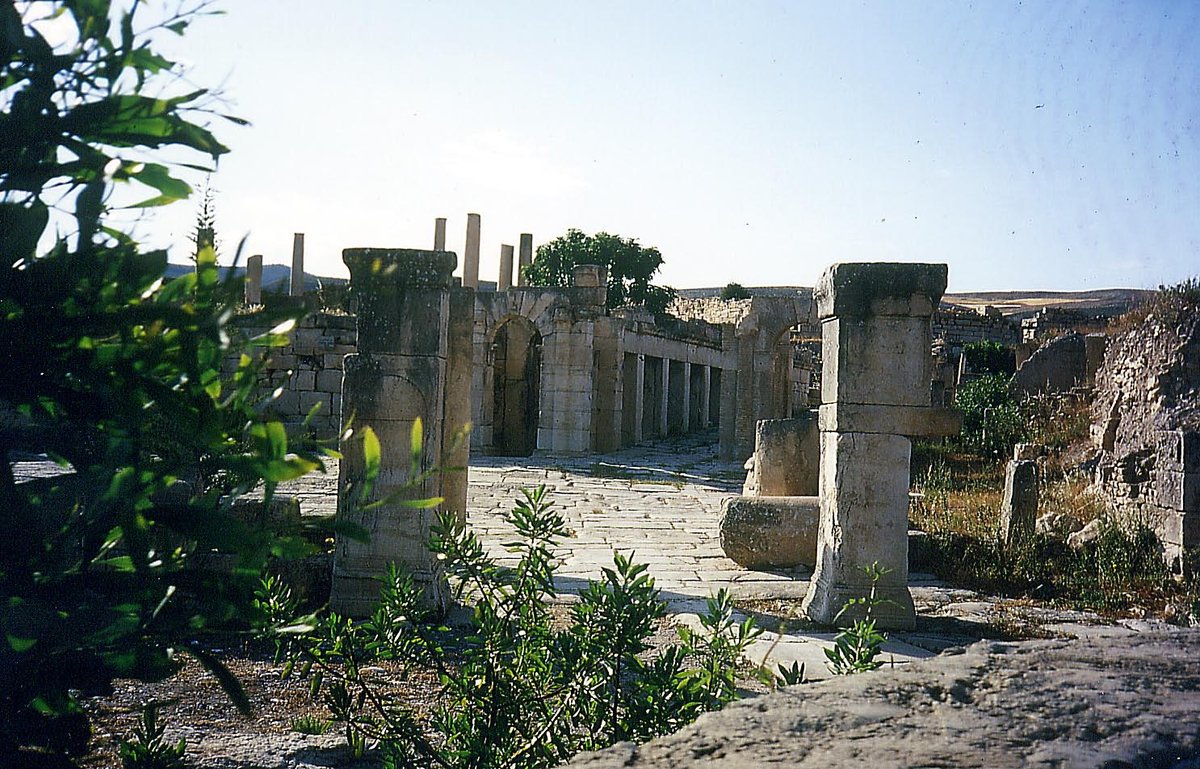
The mesa has served as a fortified site multiple times due to its high vantage point and sheer rock walls. Legend holds that Masinissa, the first king of Numidia, built a fortress there around 200 B.C. Later, around 112 to 105 B.C, King Jugurtha of Numidia used the mesa to hold off Roman legions. To this day, the highest cliffs show signs of steps chiseled into the rock by his soldiers to reach the top.
In the 18th century, a local leader named Senan reconstructed the fortress during his resistance to the troops of the Bey of Tunis. His name gave the town and the surrounding area their current name. The Tableland remains a prominent feature of the landscape, shaped by millions of years of geological activity and centuries of human history.
Sources: Wikipedia, OpenStreetMap, Wikidata, Wikimedia Commons
Written by Mutabor
Discuss this with the author and others
No comments yet. Be the first to start the conversation.