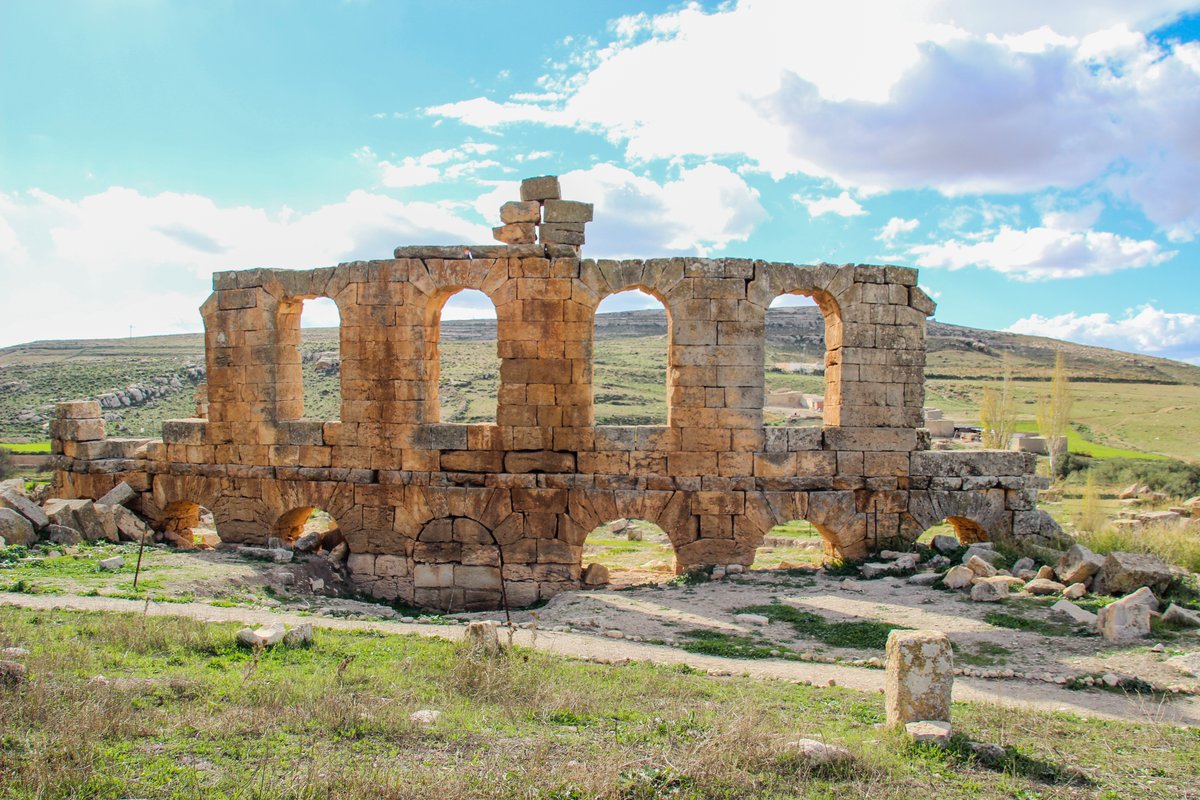

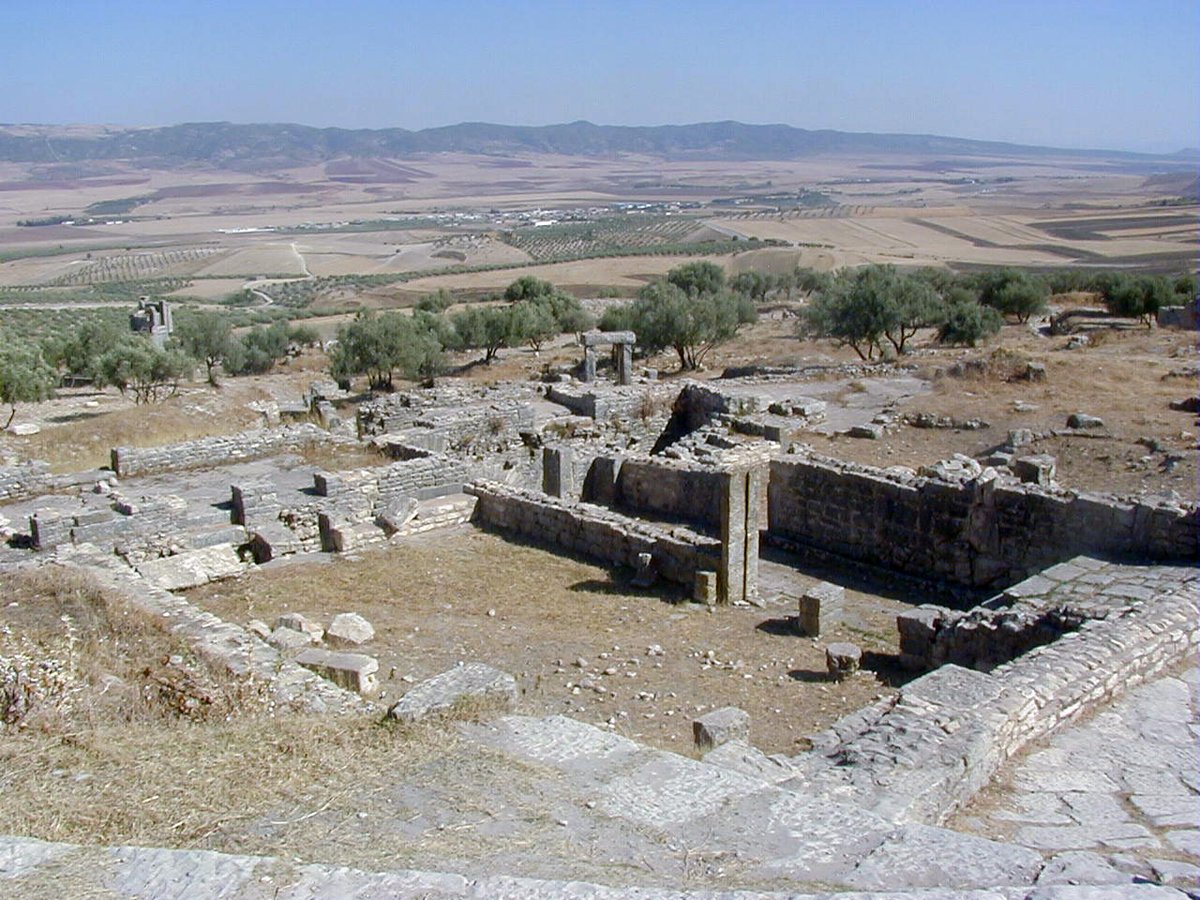
Located near Fej El Tamar on the Ouartane Plateau, Althiburos was an ancient city situated at the confluence of the Oum-el-Abid and Medeine Rivers. Originally a Numidian settlement, it passed into Punic influence and eventually became a Roman municipality. Under the emperor Hadrian, it was granted municipal status and Italian rights, becoming known as Municipium Aelium Hadrianum Augustum Althiburitanum. The city was prosperous during the 2nd and 3rd centuries and served as the seat of a Christian bishop from the 4th to 7th centuries.
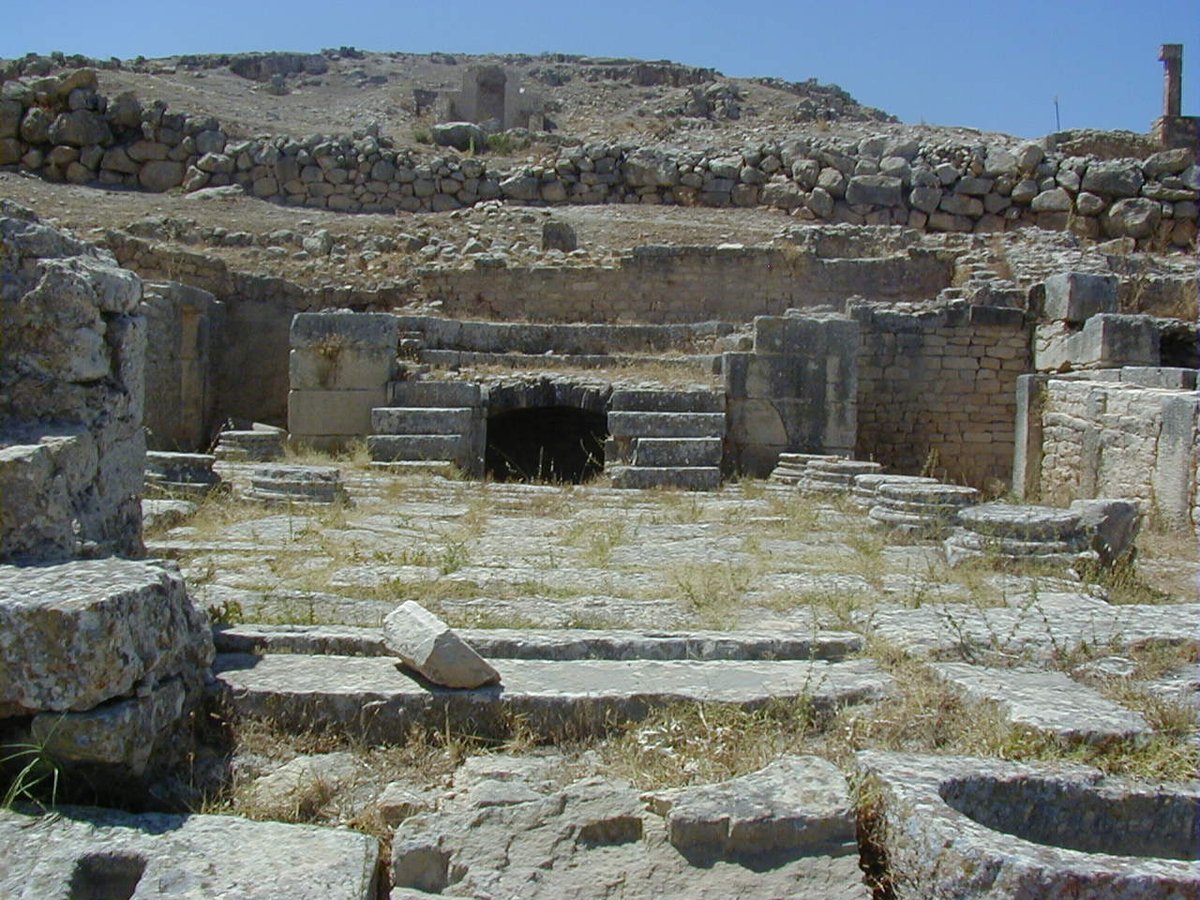
The settlement was destroyed during the Muslim invasions, and the population center moved to Ebba Ksour. This left the ruins of Althiburos largely intact until they were rediscovered by travelers in the 18th century. Archaeological excavations begun in 1908 and resumed in 1912 revealed a forum, a main street, and a monumental door with an inscription dedicated to Hadrian. A Punic inscription found at the site is now housed in the Louvre Museum in Paris.
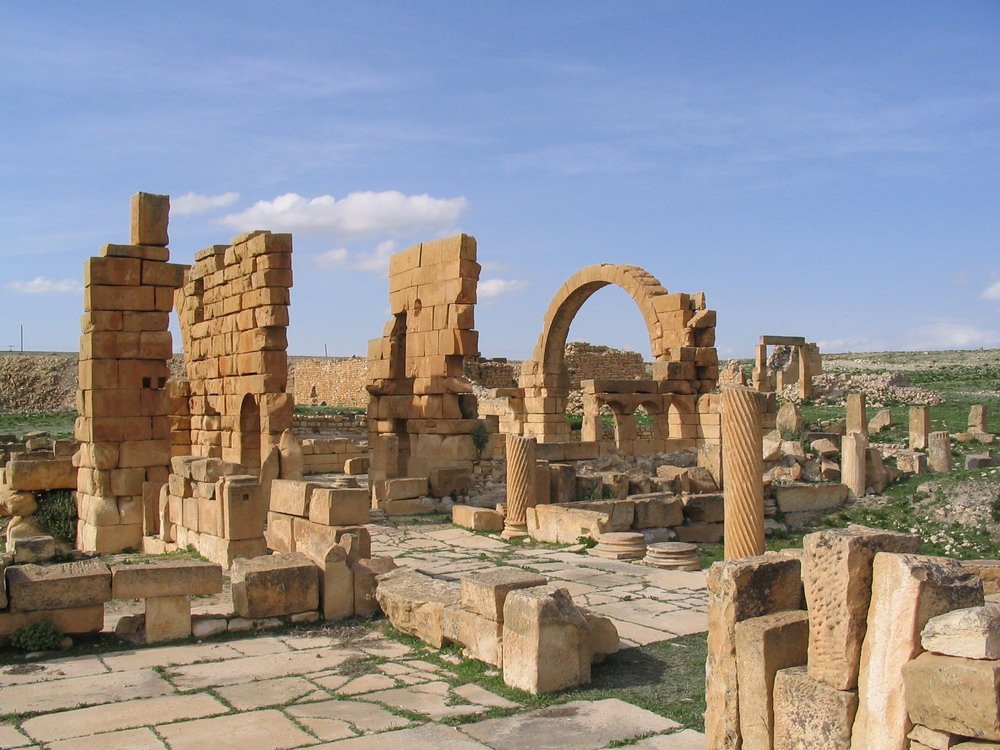
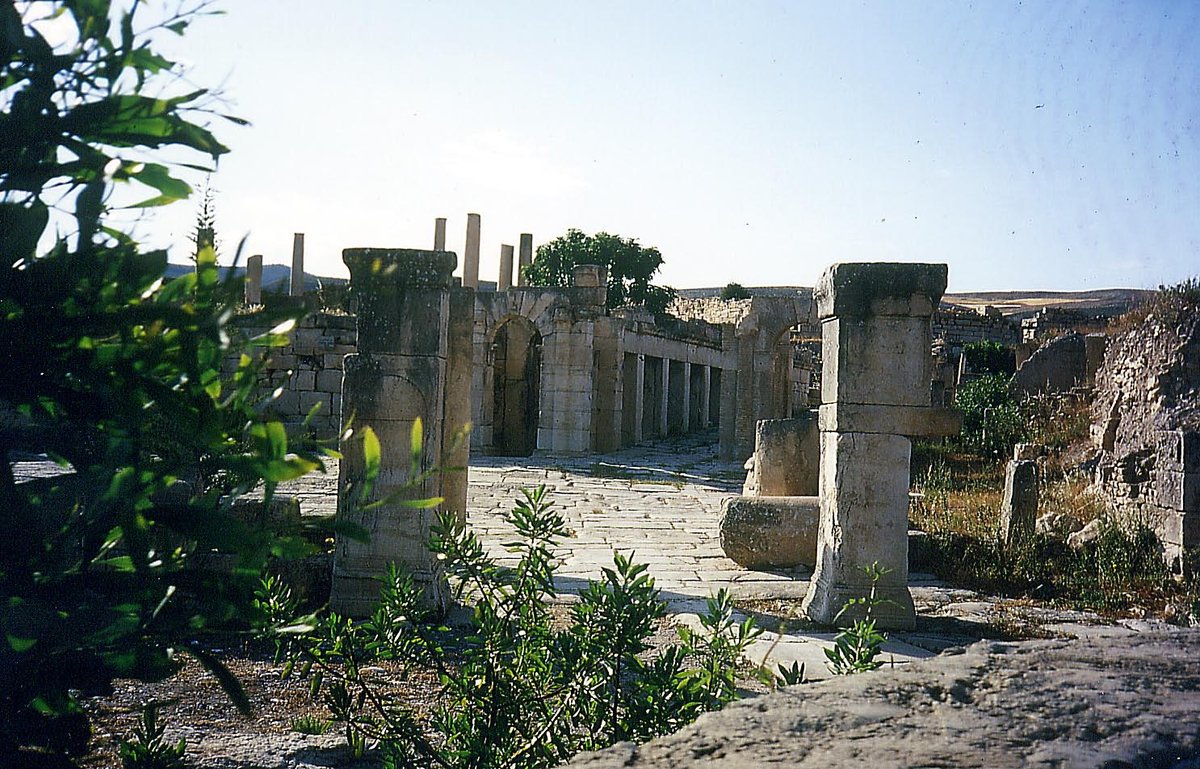
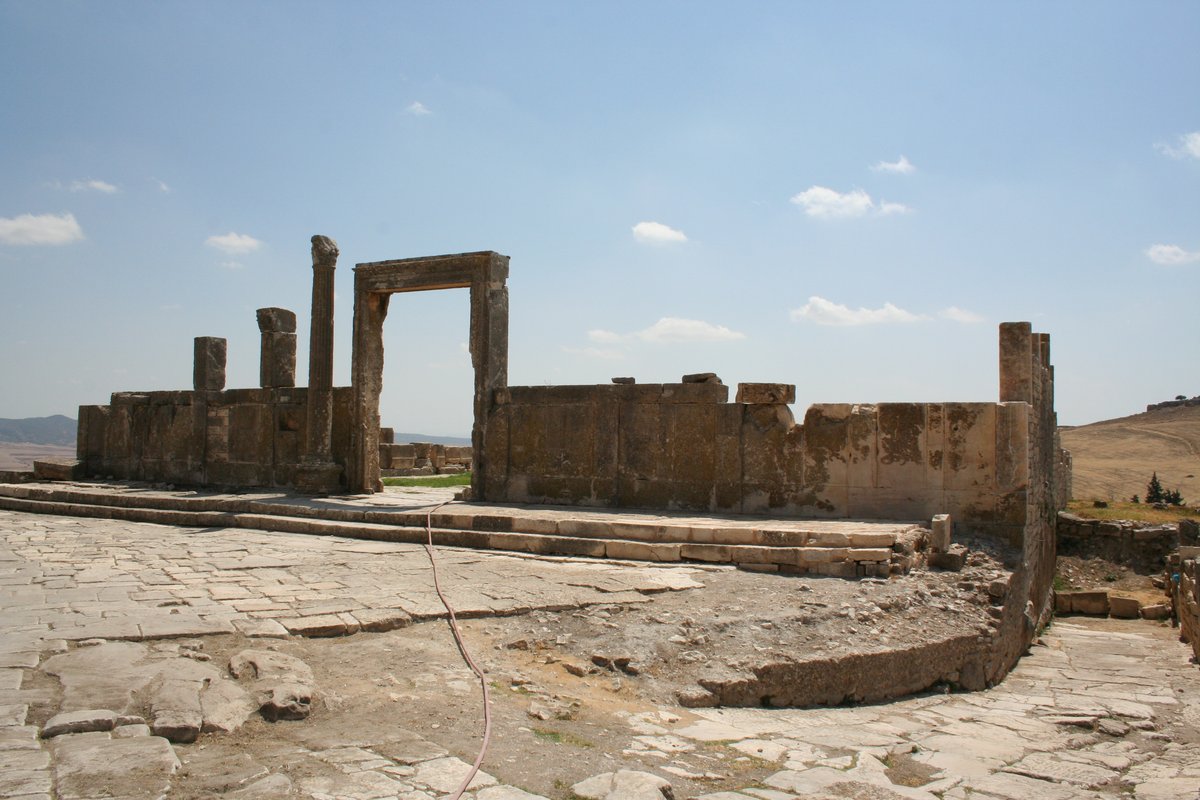
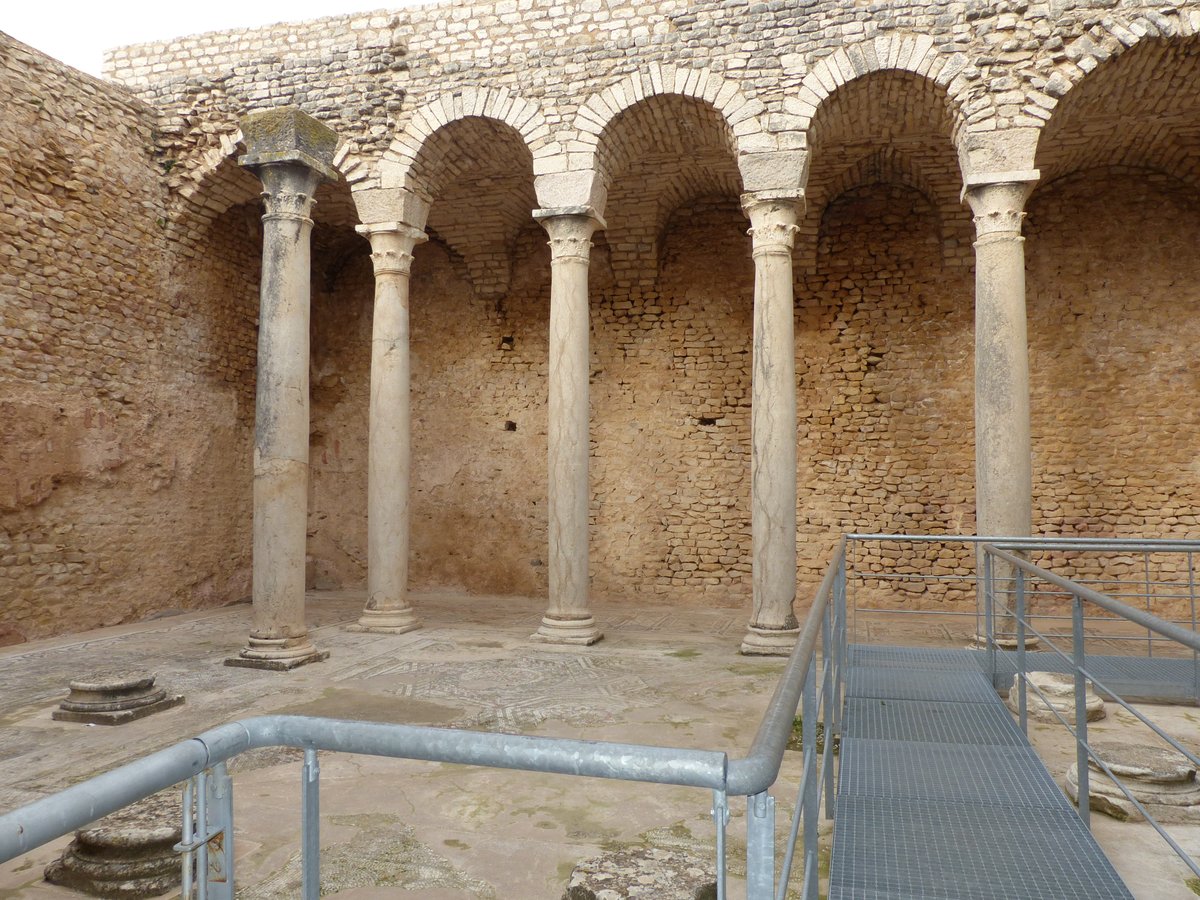
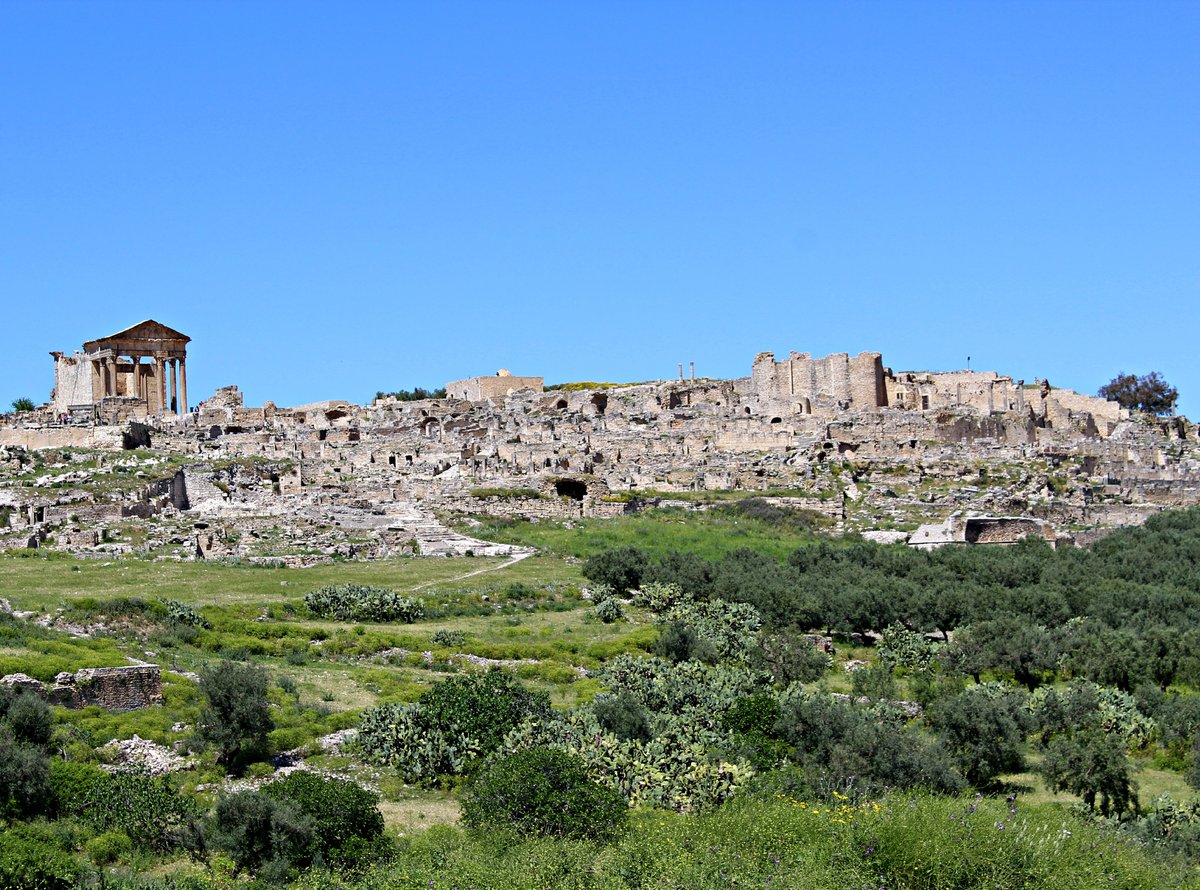
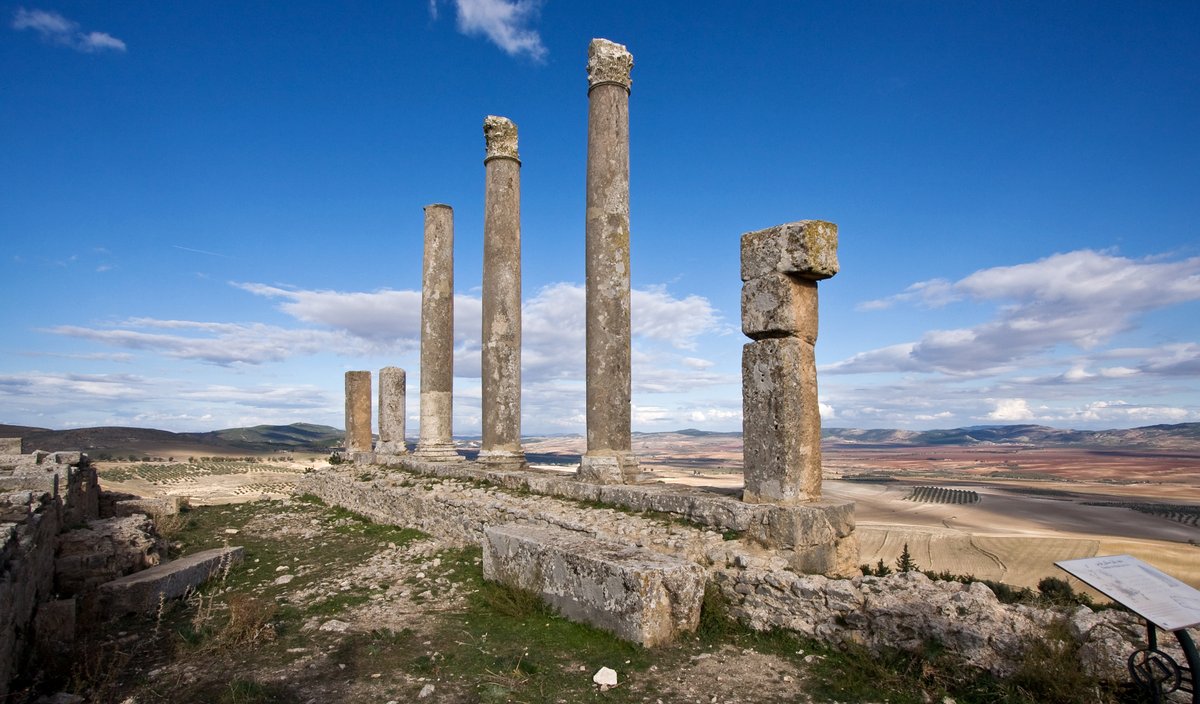
At the site, a Capitolium and Forum measuring 44.6 by 37.15 meters sits on a paved esplanade surrounded by a porch with 10 x 12 columns. During excavations, a statue of Minerva and a statue of Juno in marble were found. Nearby, a triumphal arch dated between 185 and 191 stands partially in ruins. The site also contains a second temple with Corinthian architectural elements, a house with a peristyle of 16 columns and geometric mosaics, and the House of the Muses, which features outstanding mosaics.
Sources: Wikipedia, OpenStreetMap, Wikidata, Wikimedia Commons
Written by Mutabor
Discuss this with the author and others
No comments yet. Be the first to start the conversation.