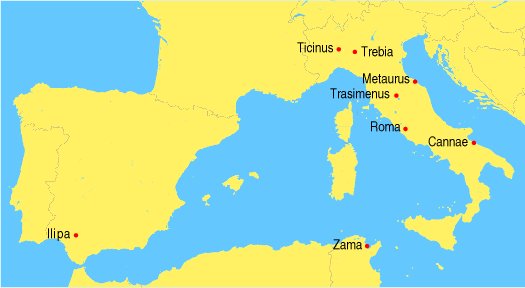

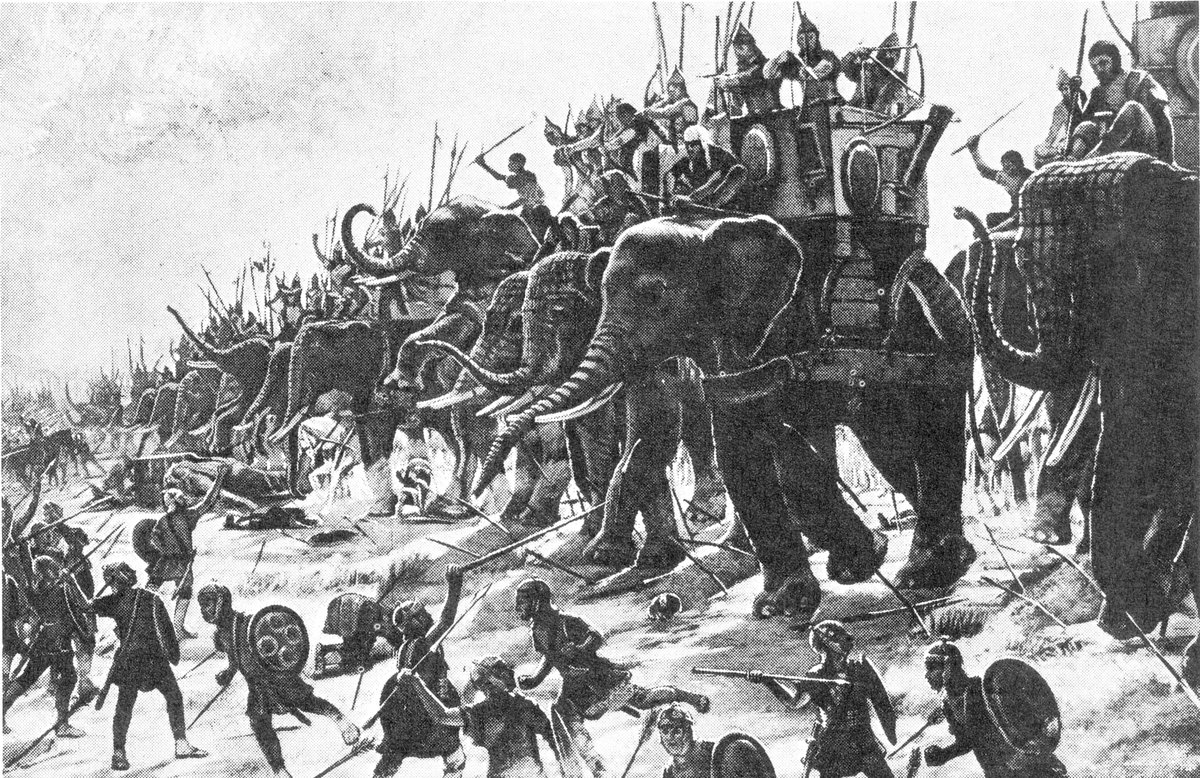
In the province of Africa, the town of Zama is best known for its association with the Battle of Zama. In 202 BC, Scipio Africanus defeated Hannibal, ending the Second Punic War and diminishing the power of Carthage. However, the battle did not take place in the vicinity of the modern town of Zama. Historical accounts suggest the battle occurred near Naraggara, in present-day Sakiet Sidi Youssef, near the border between Tunisia and Algeria.
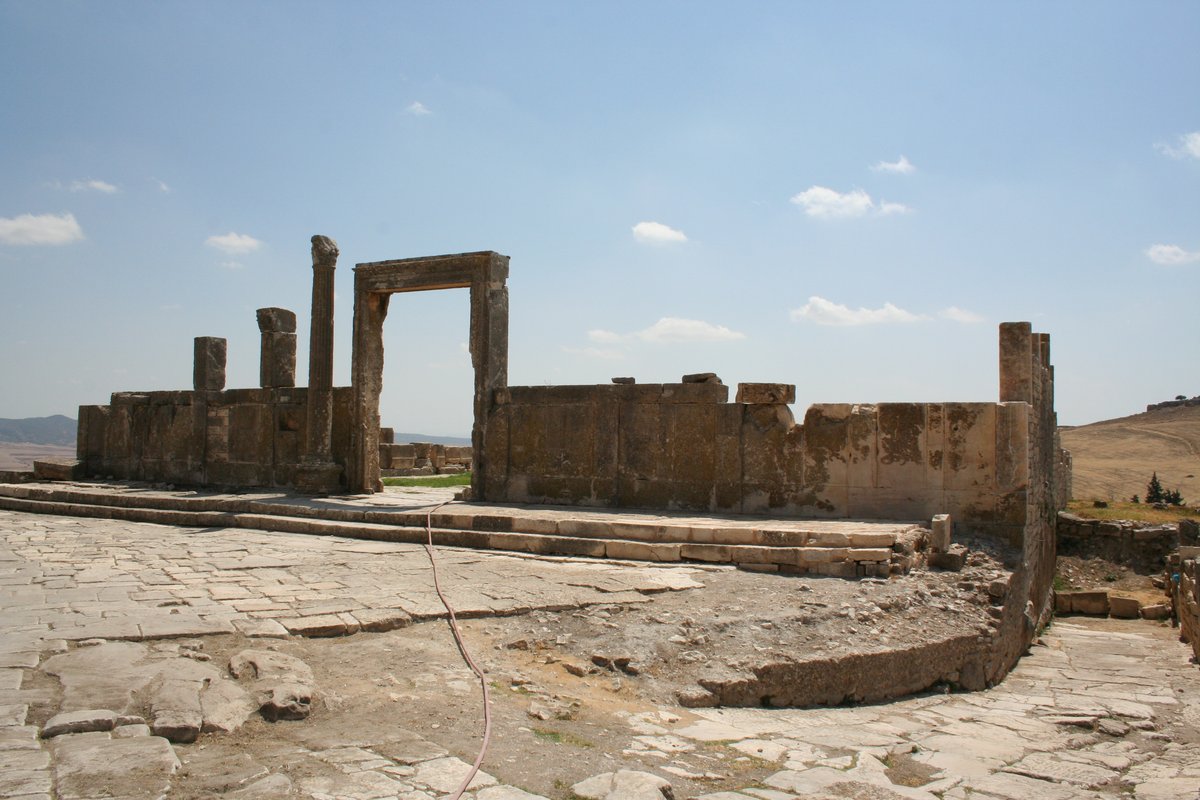
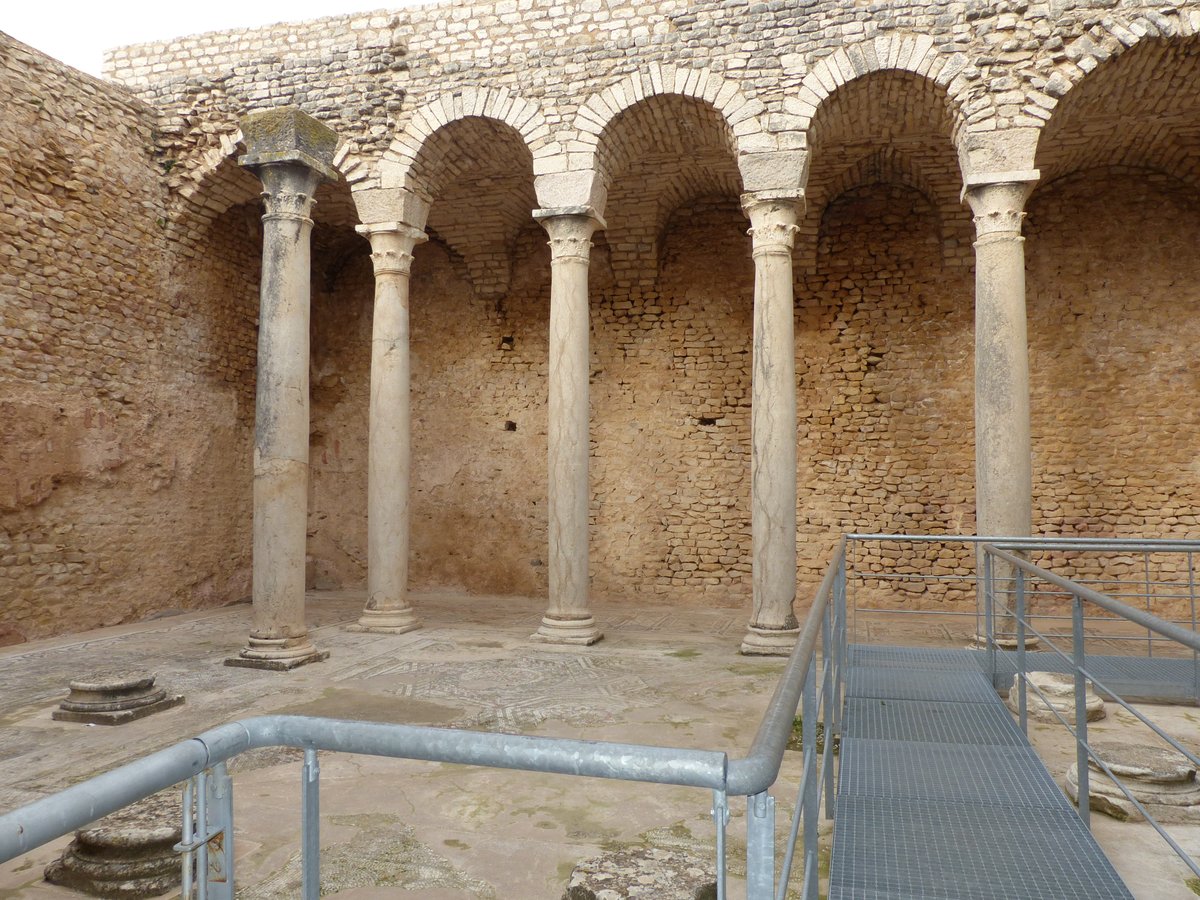
Multiple towns in the region were known as Zama. Zama Regia was the capital of Juba I of Numidia and was captured by Titus Sextius in 41 BC. Under the ruler Hadrian, the town was granted the rank of colonia and was recorded as Colonia Aelia Hadriana Augusta Zama Regia in an inscription found in Rome. It was also a seat of a Christian bishopric, with a Bishop of Zama Minor participating in the Synod of Carthage in AD 255.
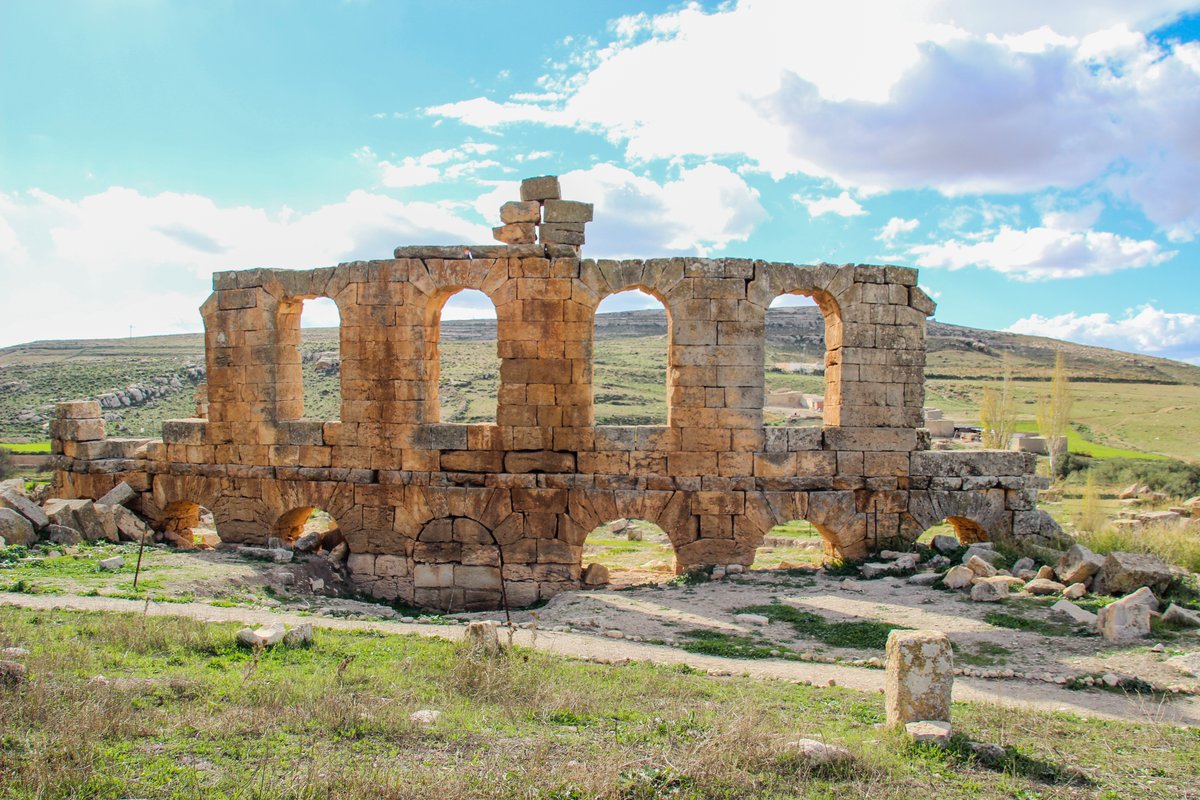
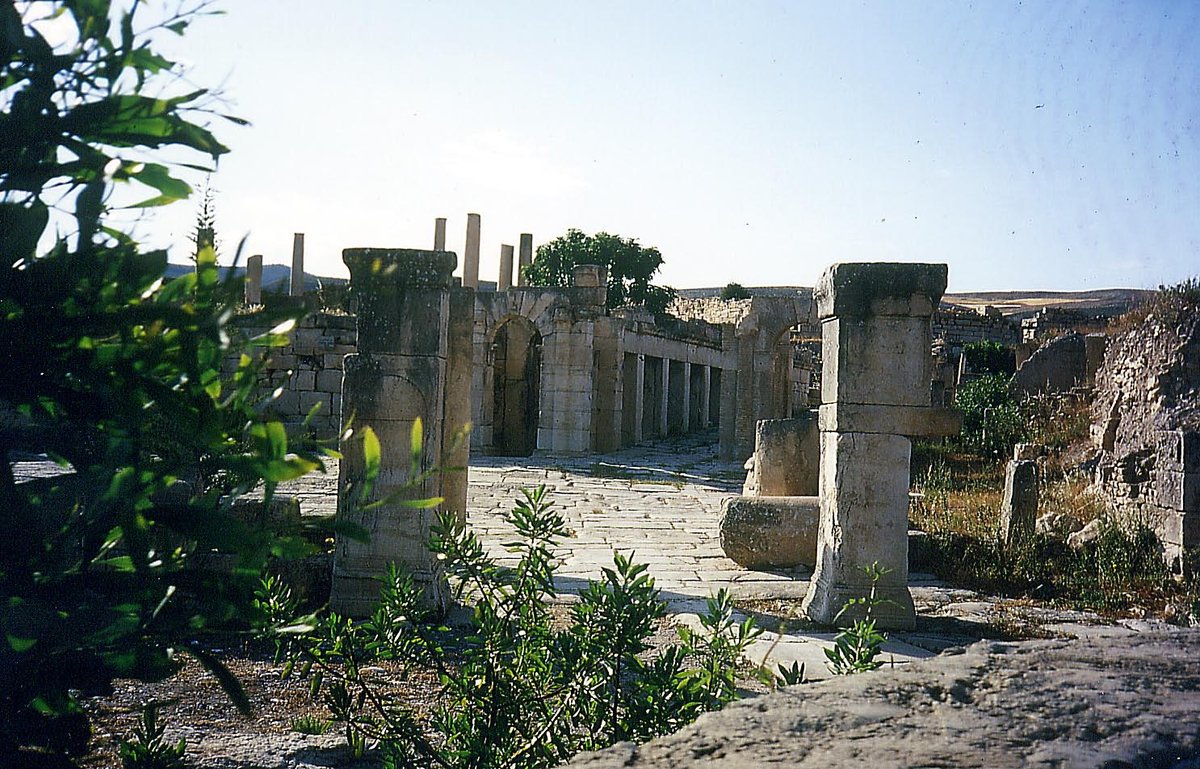
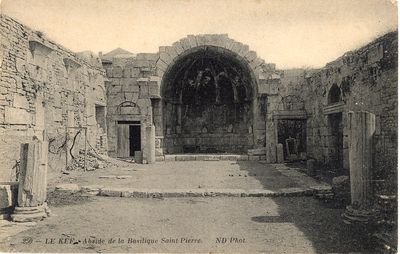
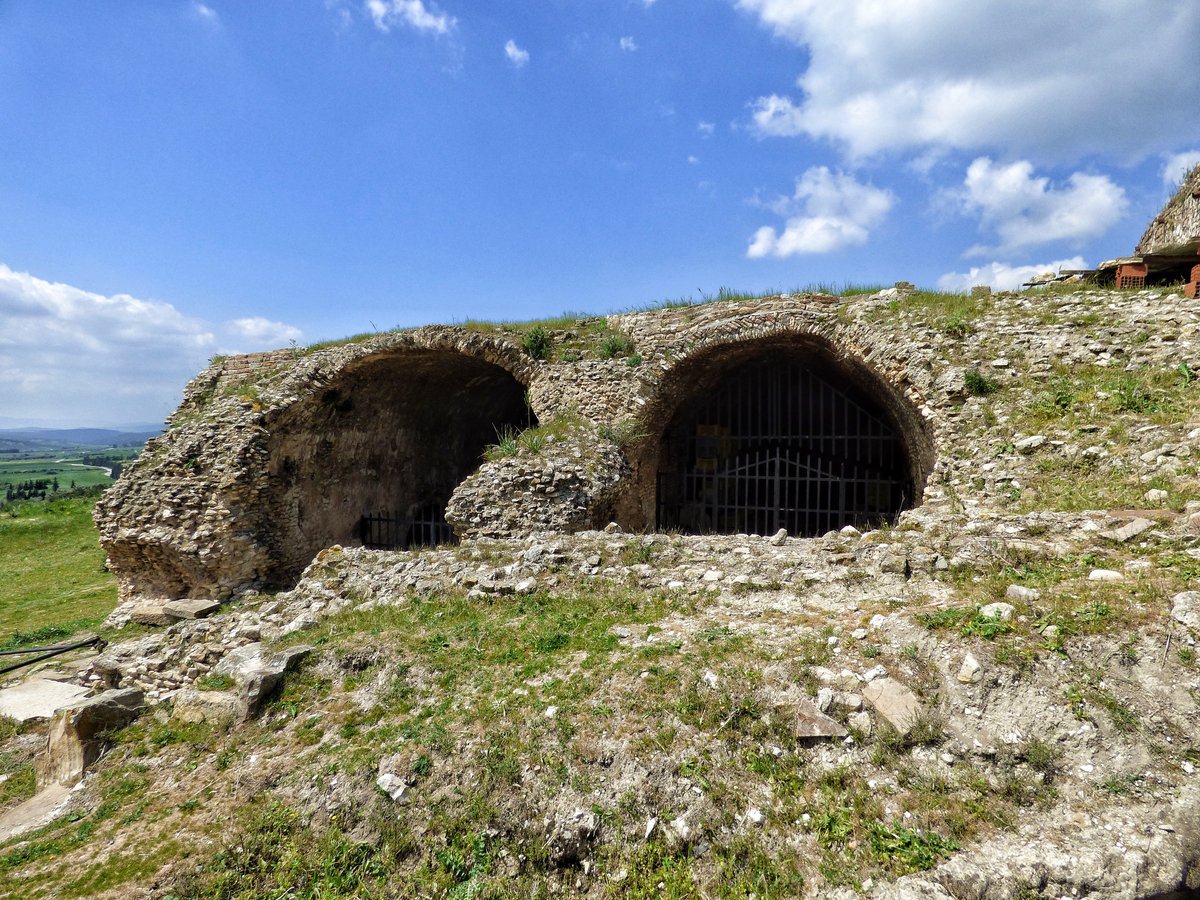
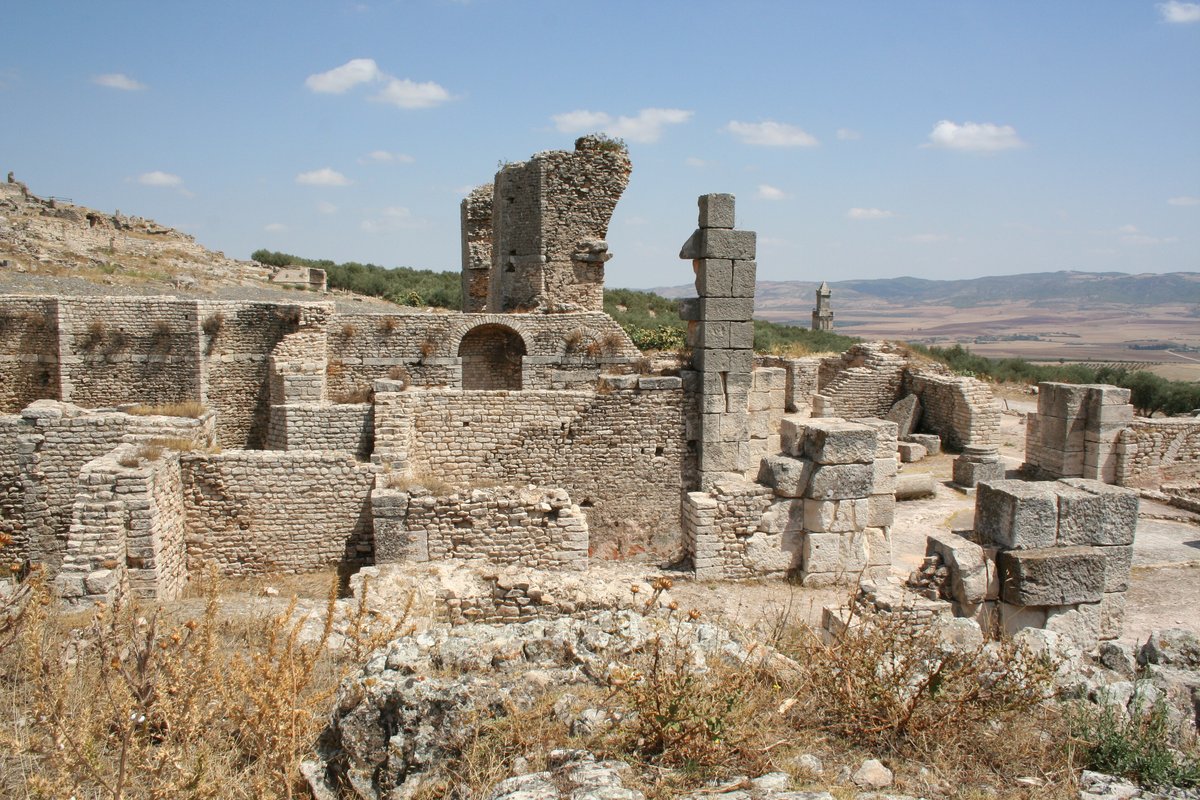
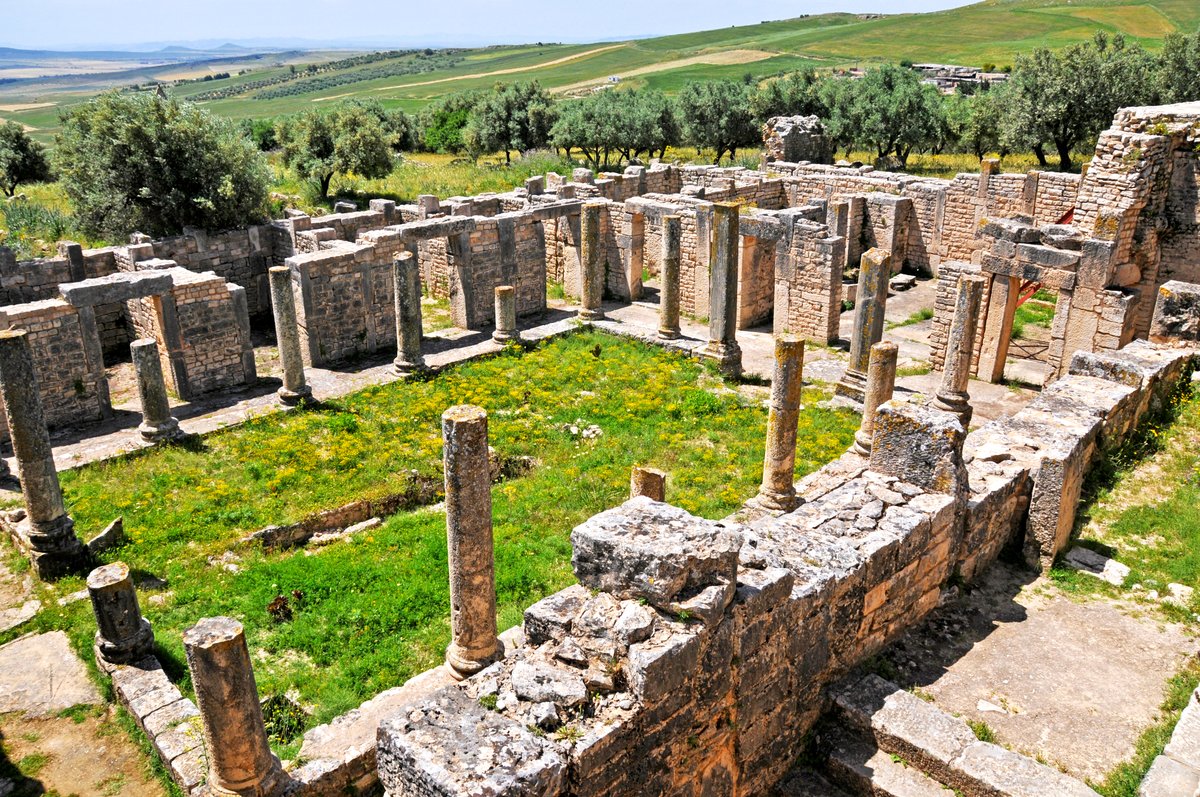
Recent systematic excavations have clarified the geography of these sites. While it was once thought there might be three different locations, evidence now suggests there were only two. One site is identified as Jama, located 30 kilometres north of Maktar, where an inscription refers to Zama Regia. Other sites considered in the search for the original Zama include Sidi Abd el Djedidi and Sebaa Biar.
Sources: Wikipedia, OpenStreetMap, Wikidata, Wikimedia Commons
Written by Mutabor
Discuss this with the author and others
No comments yet. Be the first to start the conversation.