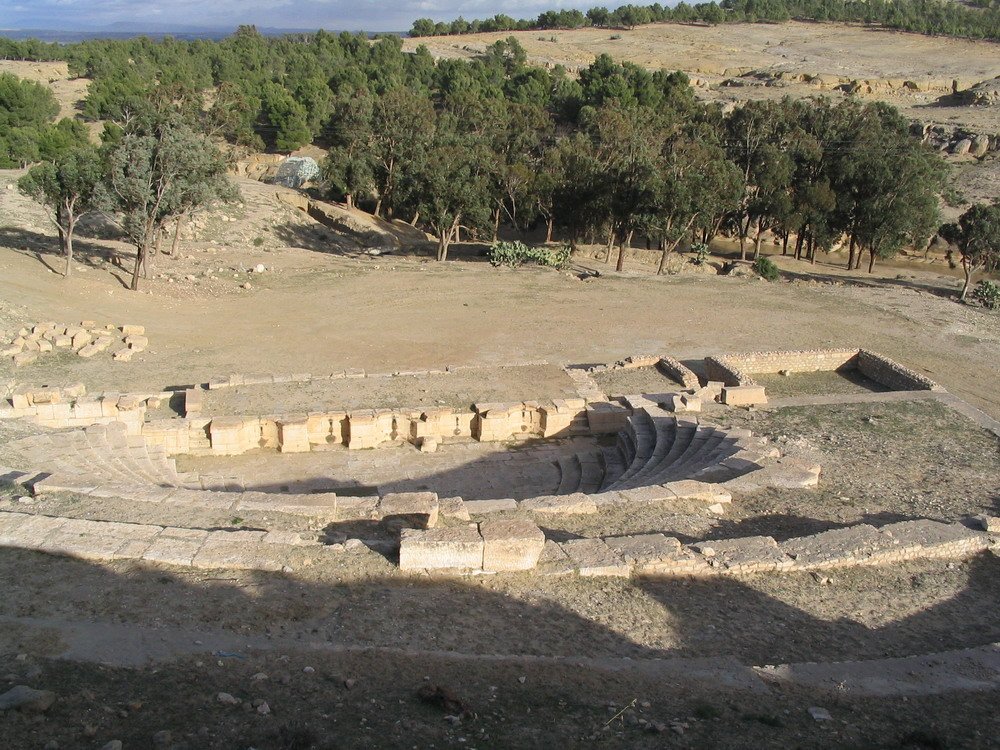

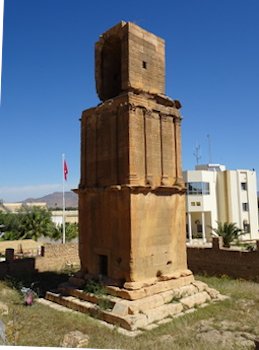
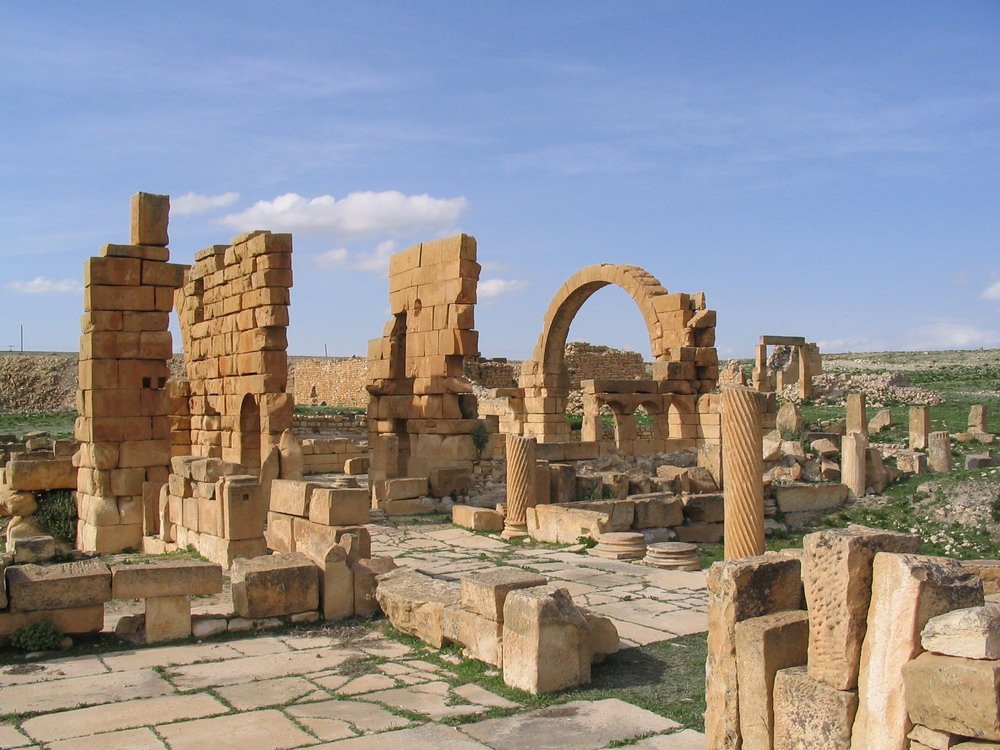
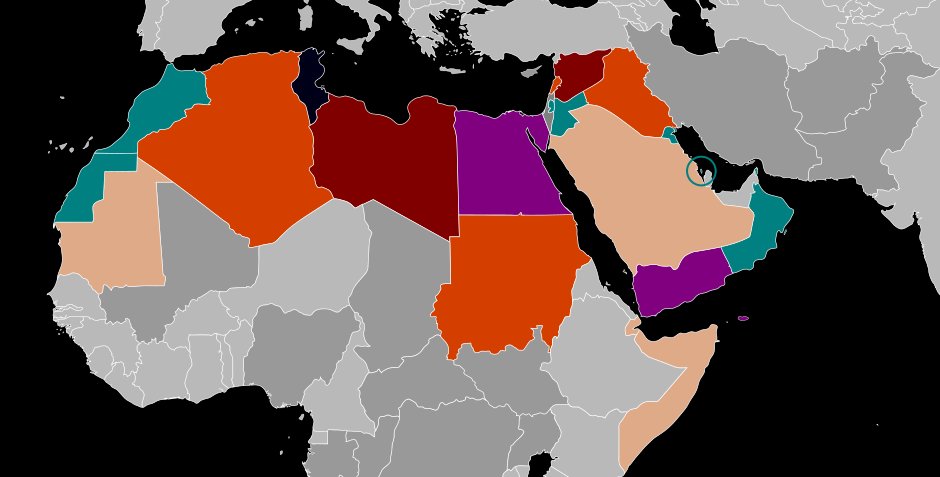
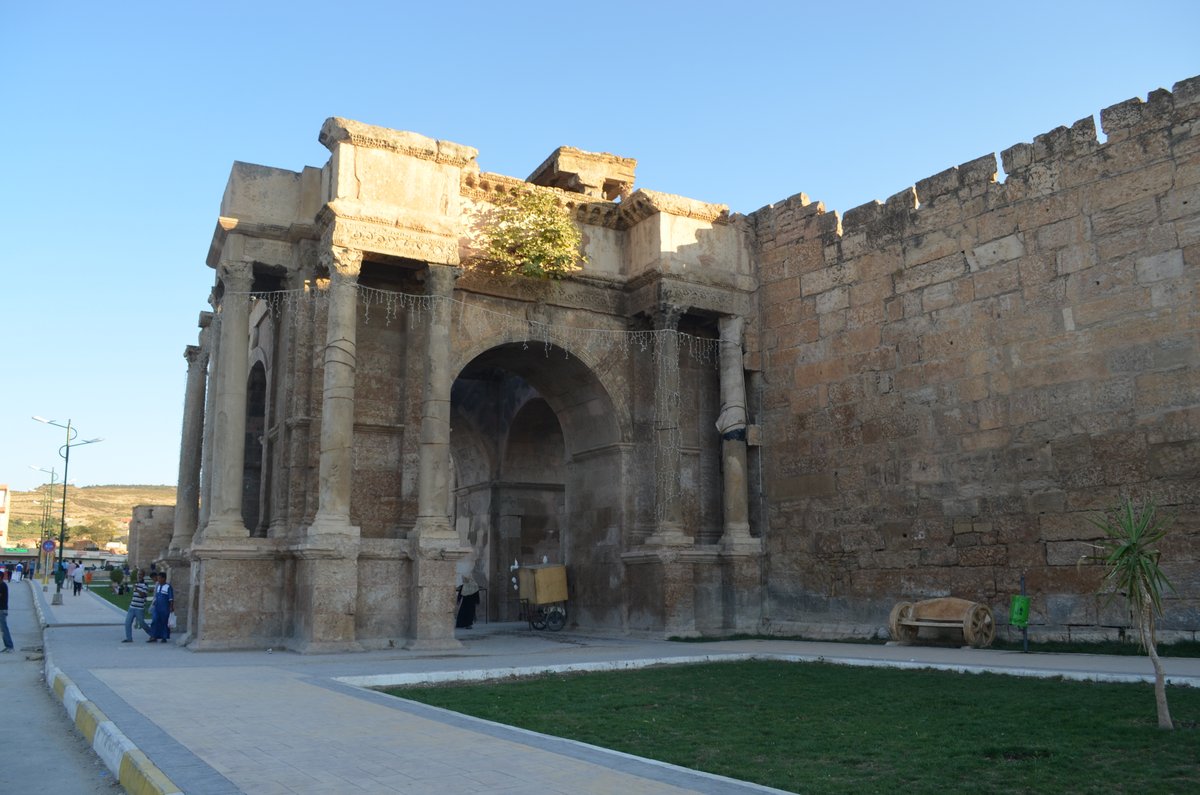
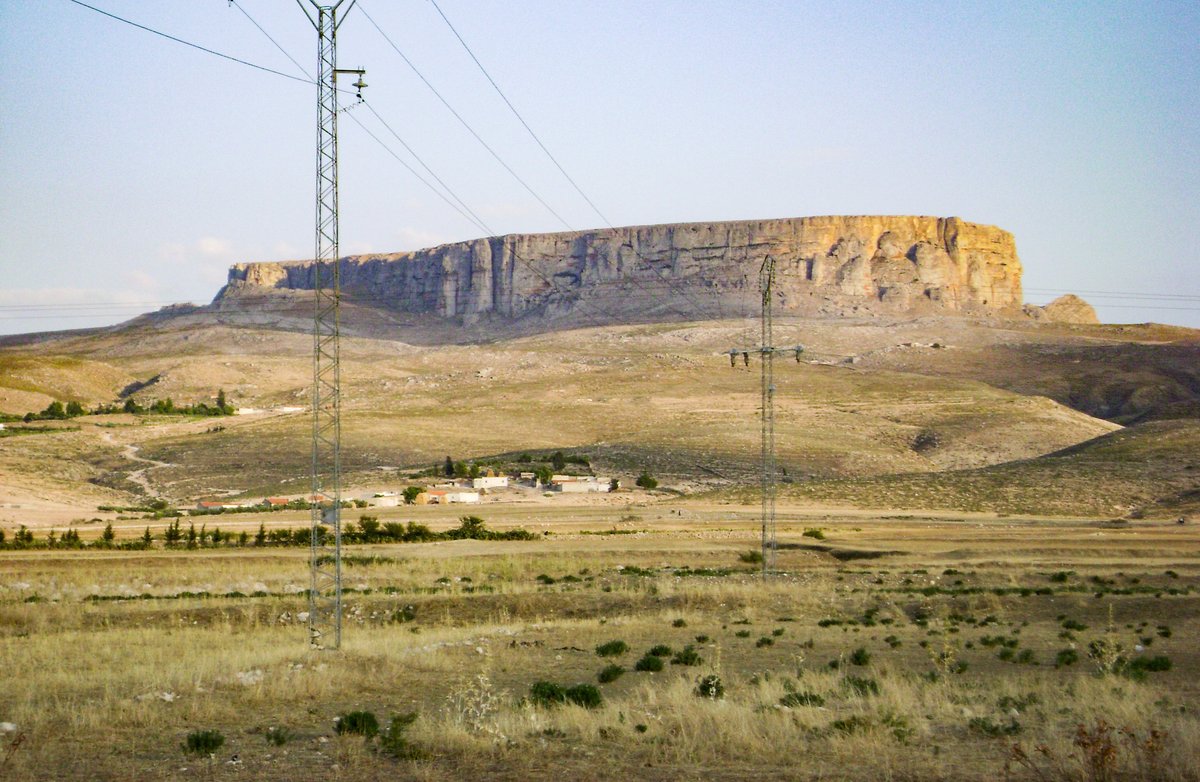
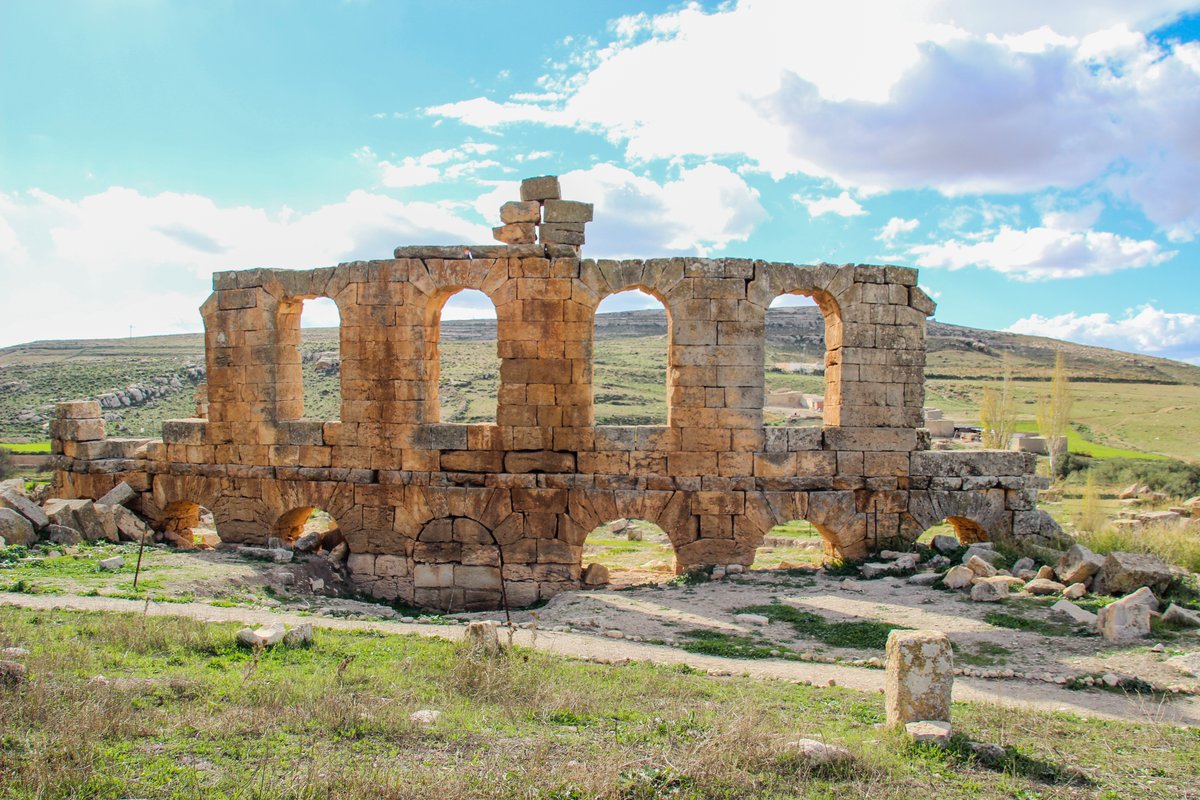
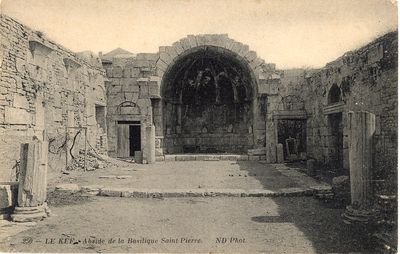
At the foot of Tunisia's Jebel ech Chambi, the town of Kasserine was once the Roman colony of Cillium. Under Emperor Vespasian or Titus, it was elevated to the rank of municipium, and later to a colonia under the Severan dynasty. Within the Roman province of Byzacena, the site contains archaeological evidence of mausoleums, triumphal arches, thermae, a theatre, and a Christian basilica. One noted monument is the Tomb of the Flavii, built for local landowner Titus Flavius Secundus in the late second century AD. The tomb contains a 110-line poem memorializing Flavius and is the longest extant Latin funerary epitaph from antiquity.
A theatre was built at the end of the first century AD, probably to celebrate the elevation of the town to a municipium. It was restored, and reopened for performances in 2018. In 544, the Byzantines were defeated by the Berbers in the Battle of Cillium. The town was later renamed Kasserine, meaning 'The Two Palaces', which refers to two Roman mausoleums.
Cillium was an important ecclesiastical center, serving as a suffragan of the Metropolitan of Hadrumetum. It was represented at the Conference of Carthage in 411 by the Catholic Tertiolus and the Donatist Donatus. In 1906, an attack by local bedouin on isolated settler farms and French civil administration offices during the Thala-Kasserine Disturbances was the first violent resistance to French authority under the protectorate.
During World War II, the Germans operated a forced labour camp for Jews in the city from January to March 1943. In February 1943, it was the site of the Battle of Kasserine Pass. Today, Kasserine is the capital city of the Kasserine Governorate, and its population is 114,463 (2020).
Sources: Wikipedia, OpenStreetMap, Wikidata, Wikimedia Commons
Written by Mutabor
Discuss this with the author and others
No comments yet. Be the first to start the conversation.