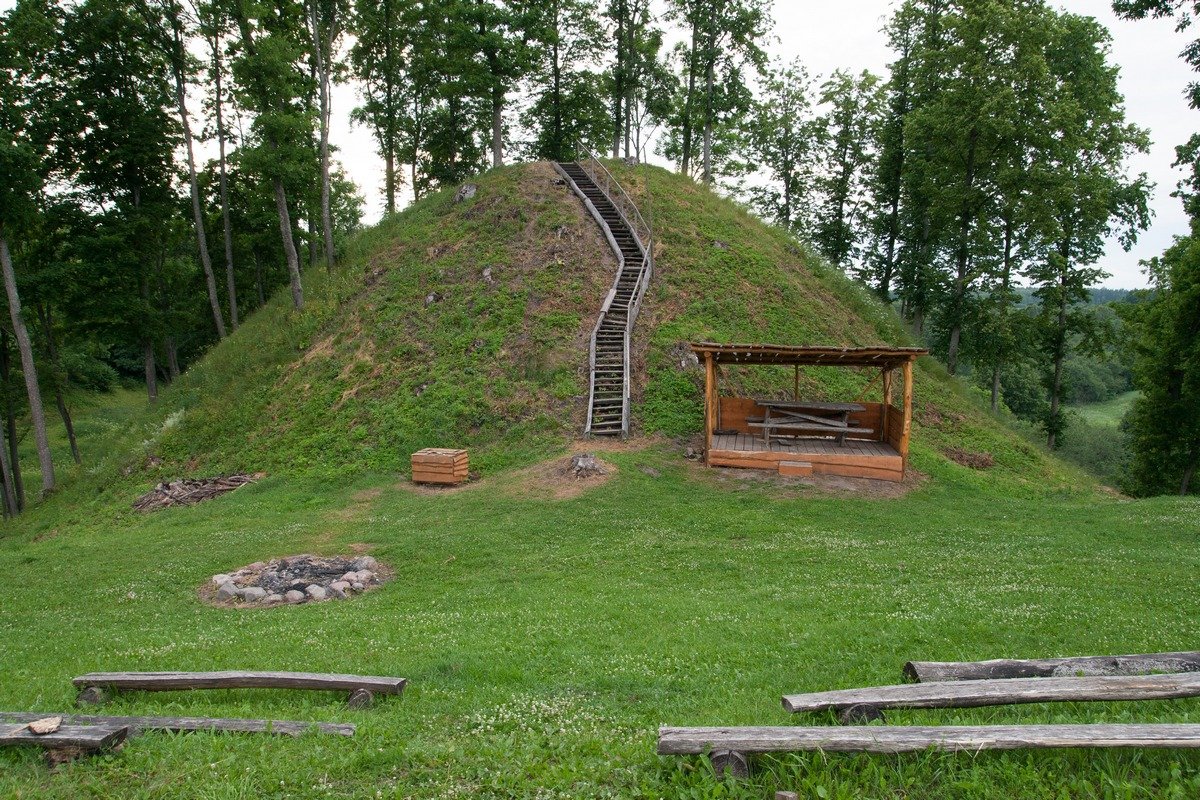

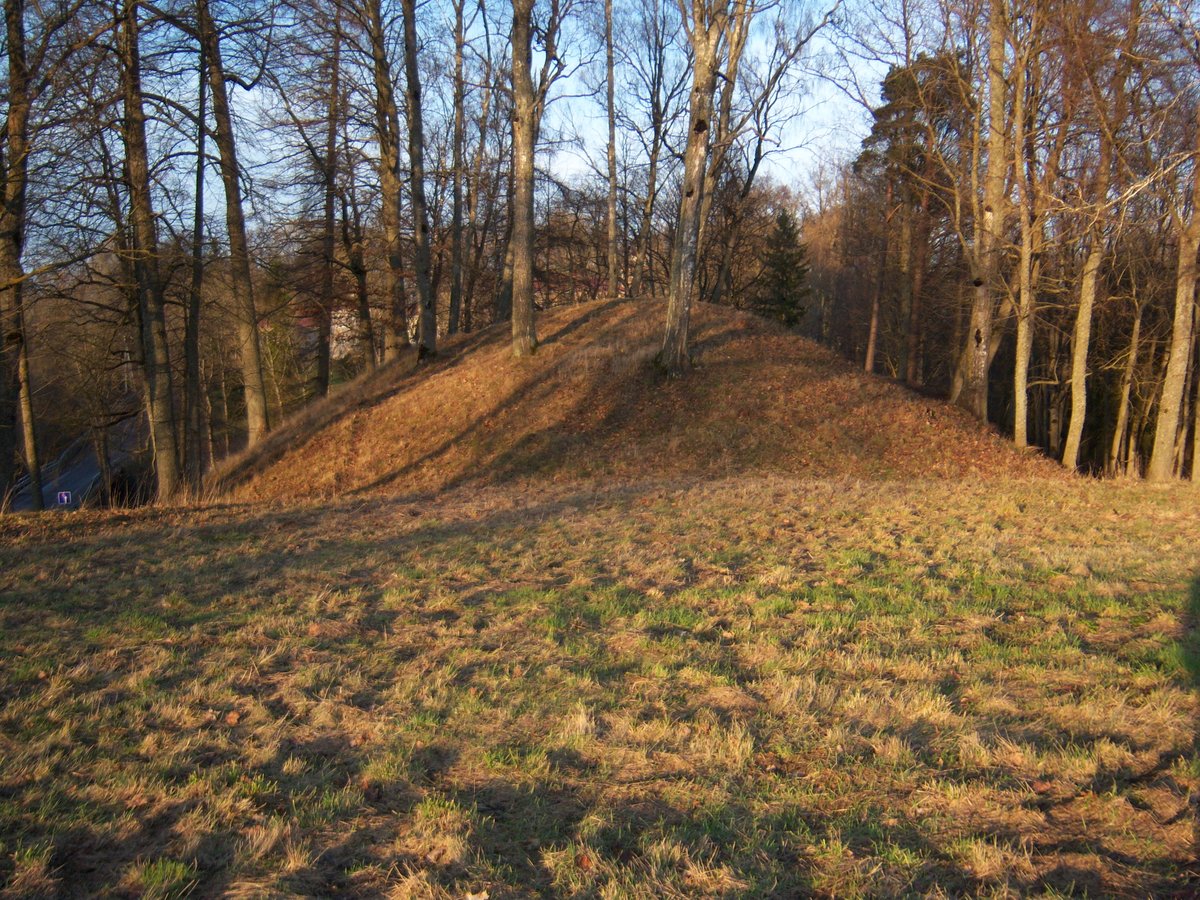
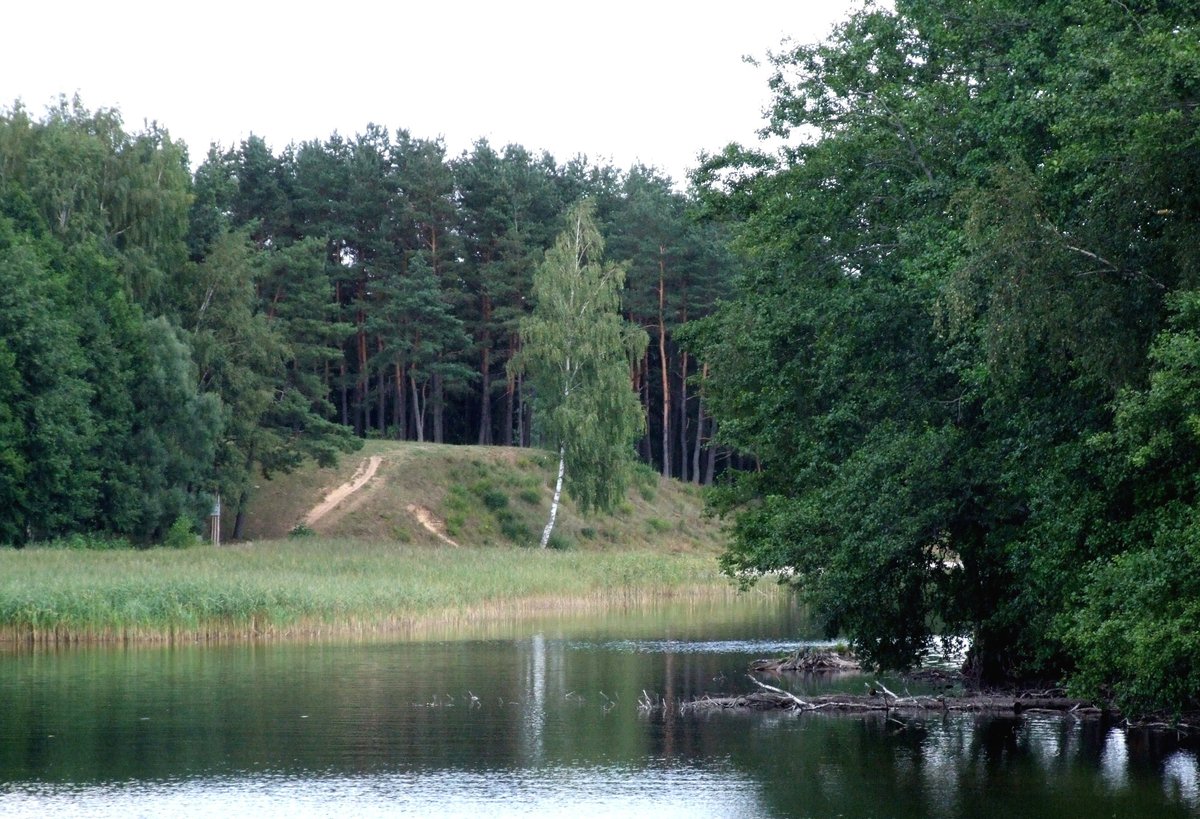
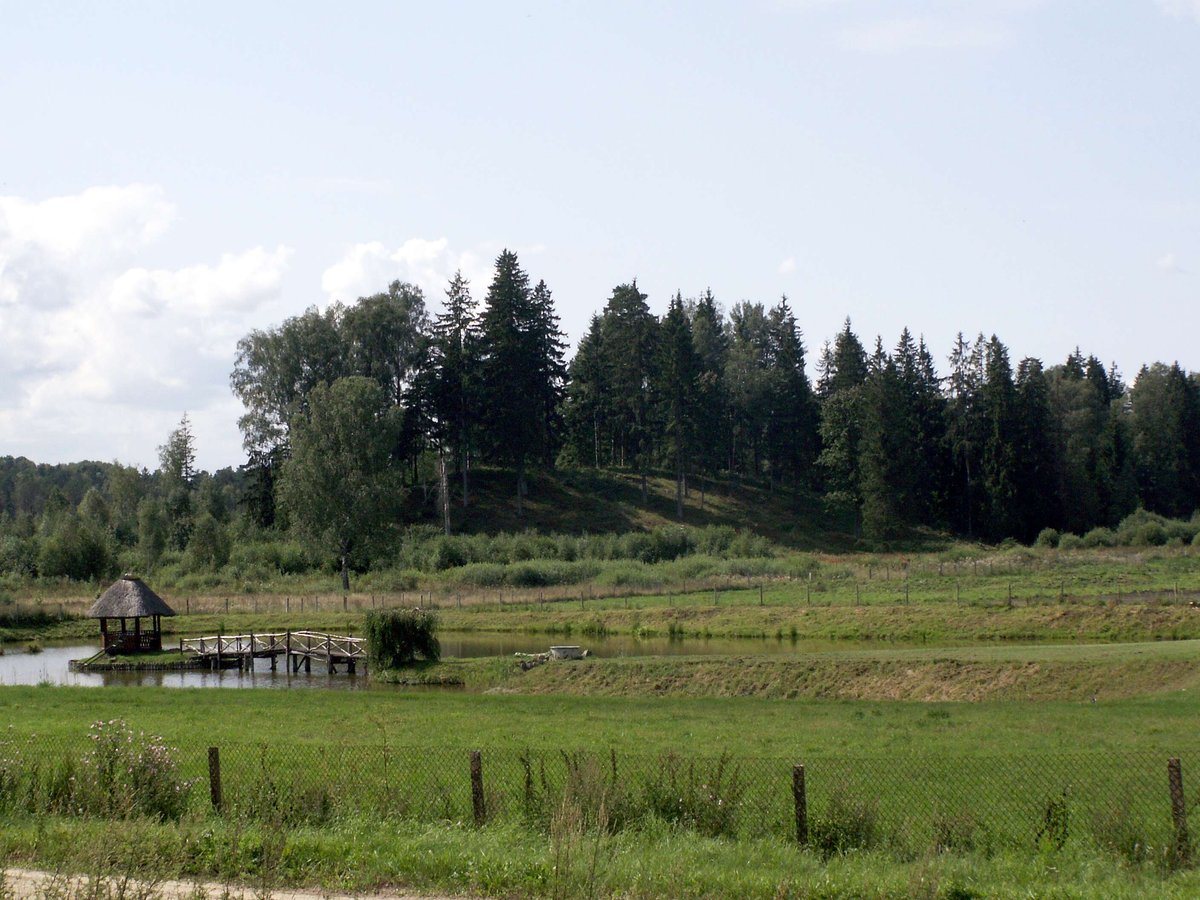
Why is there a massive, elliptical mound rising 24 metres from the riverbank? Local lore gives us a bit of a heavy-lifting explanation. Apparently, a giant once sat down here to rest and dropped a piece of a ship - a chunk of earth so big it became the hill known as Piliukas. It is a charming story, but the history here is actually quite grounded in dirt and timber.
People used this spot for defense. They didn't just let a giant do the work; they carved out a 30-metre-long defensive ditch and built a wooden castle on top. The layout is deliberate. There is a nearly circular plateau at the summit, guarded by steep slopes and a massive earthen rampart that reaches nearly 10 metres high. It was a fortress with a view of the river.
There is a bit of a supernatural streak here, too. Some say a church once stood on the hill and sank into the earth, while others claim that anyone who tries to dig into the mound finds their work undone by spirits the next day. If you don't believe in ghosts, you can settle for the pottery shards found in the cultural layers during excavations in the 1960s.
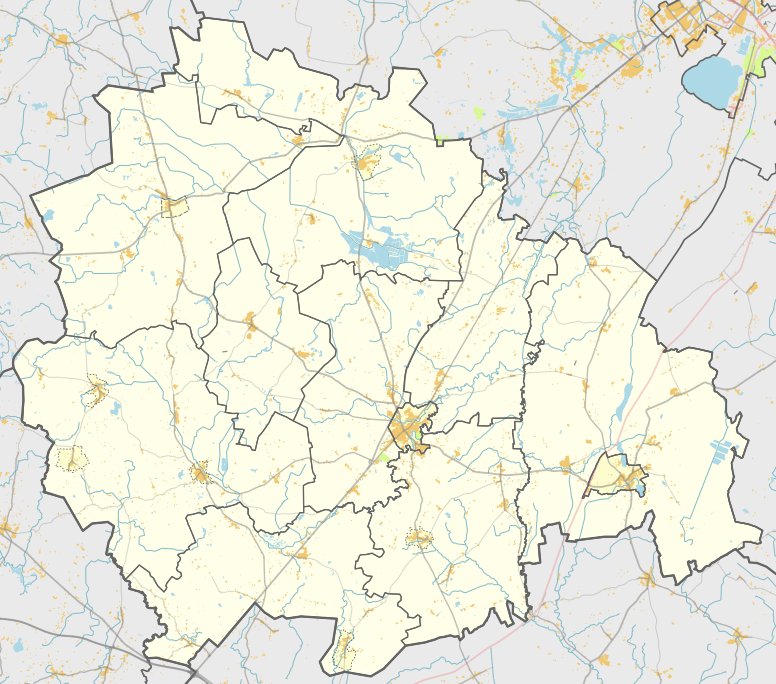
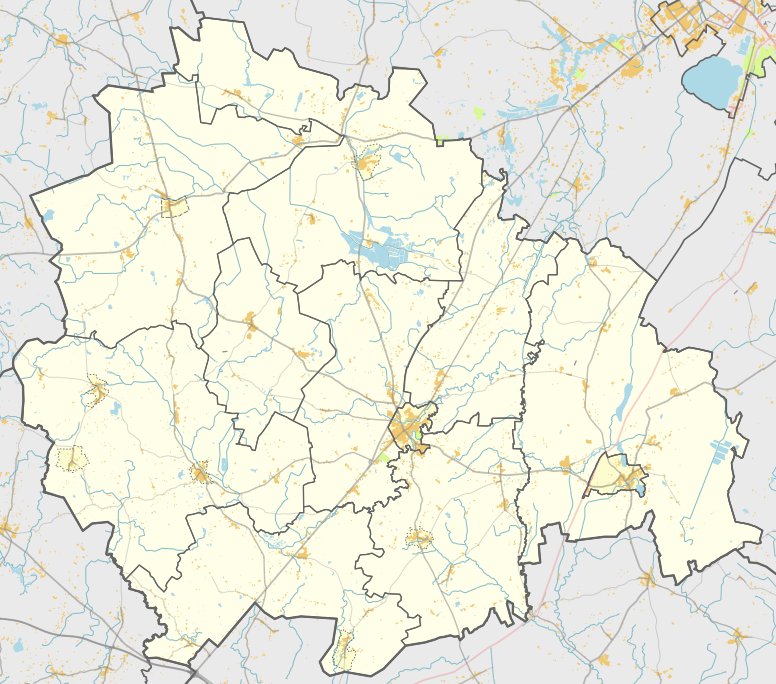
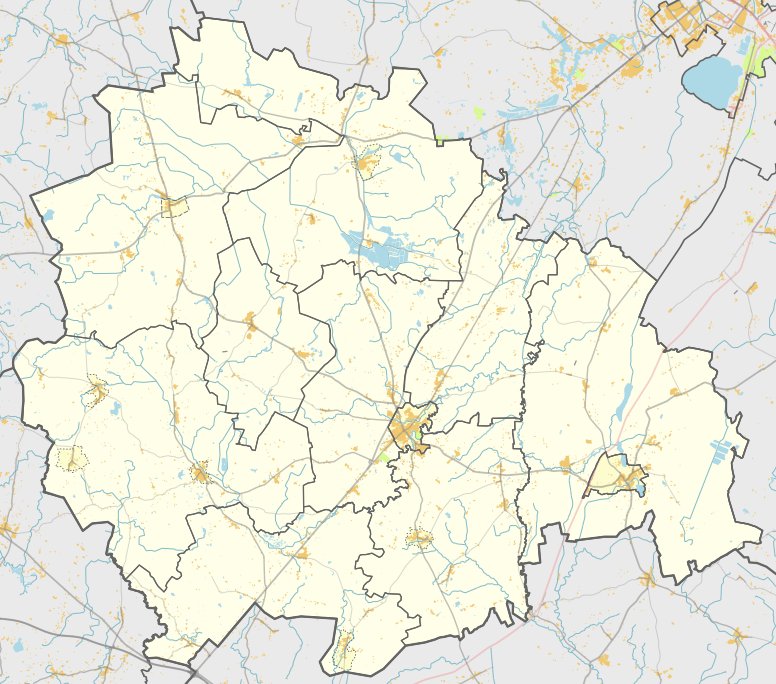
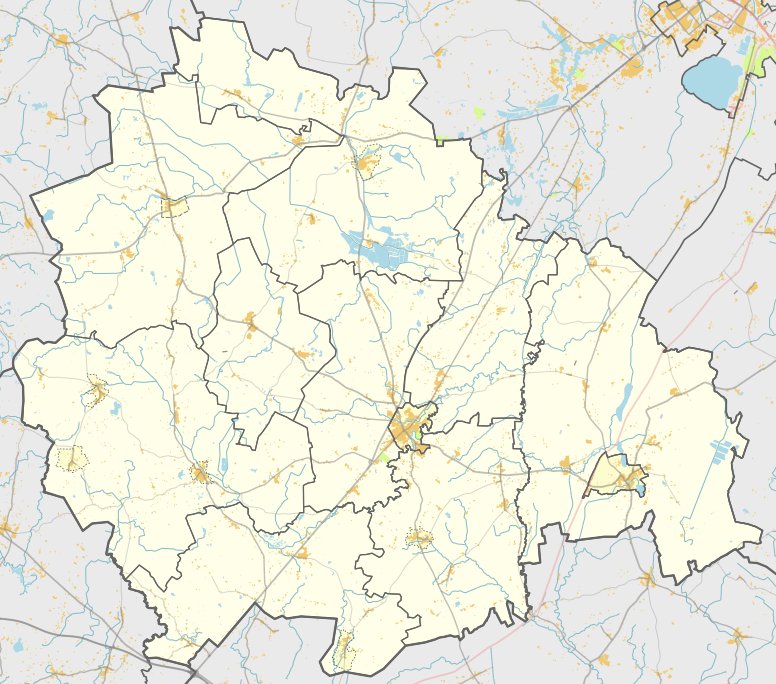
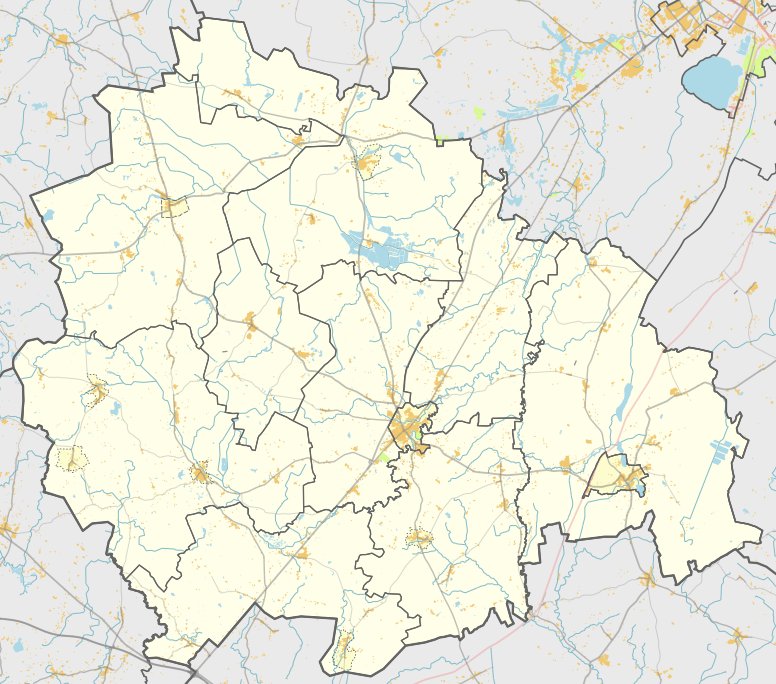
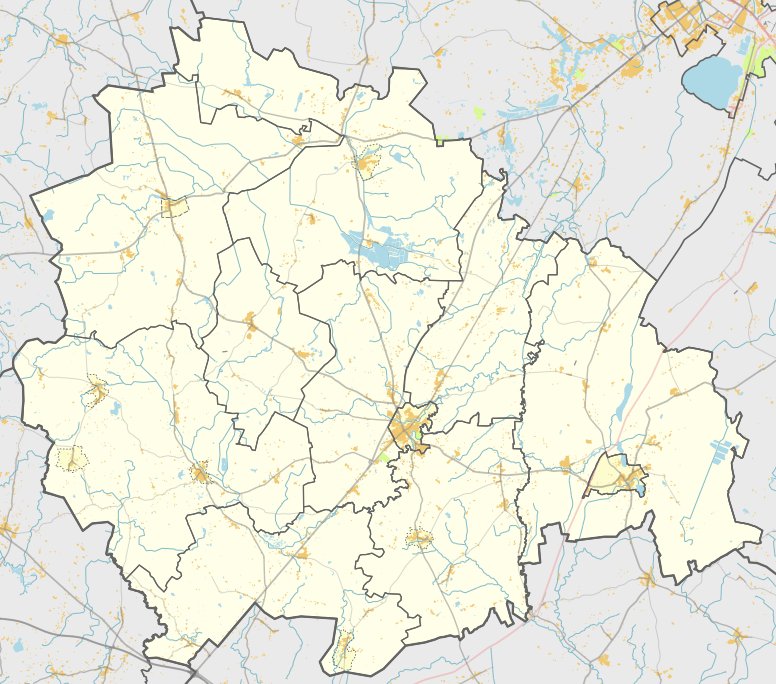
You can find it just off the road near Burbaičiai. It is an archaeological site and a public attraction, so you can wander the slopes and see the remains of the ancient settlement for yourself.
Sources: Wikipedia, OpenStreetMap, Wikidata, Wikimedia Commons
Written by Nicolo Ciampini
Discuss this with the author and others
No comments yet. Be the first to start the conversation.