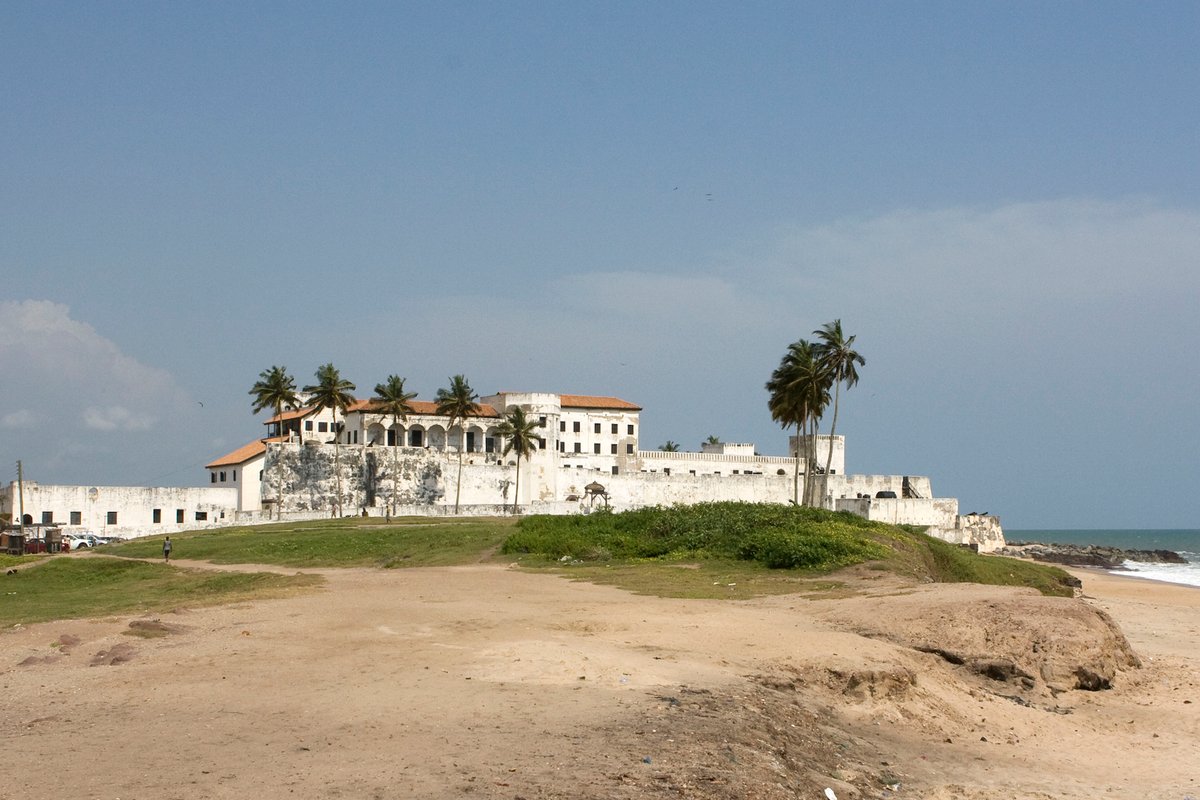

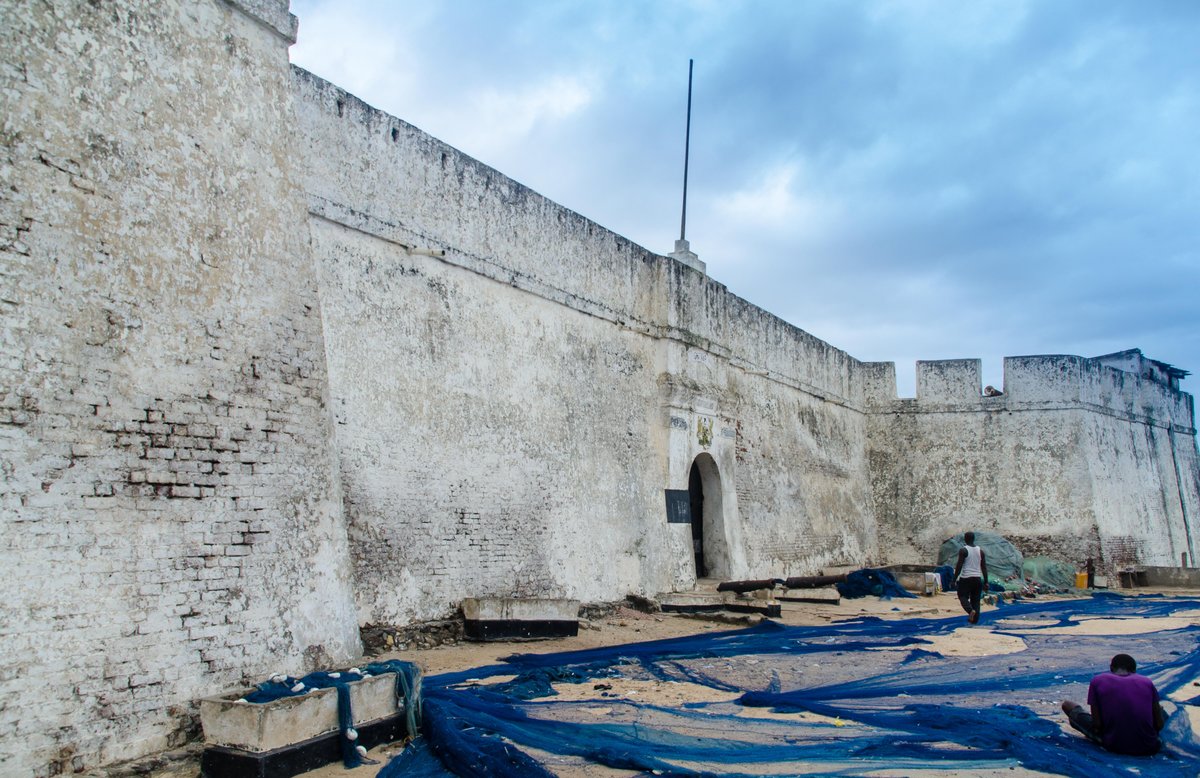
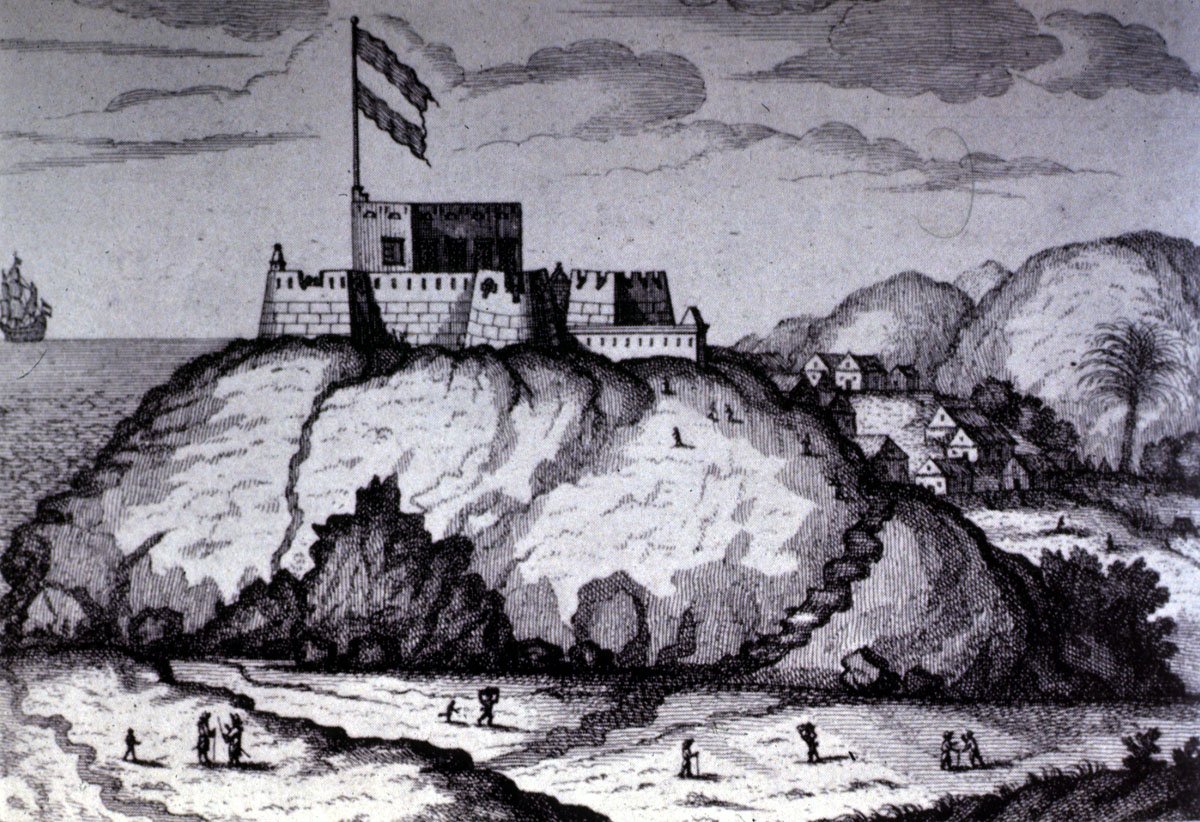
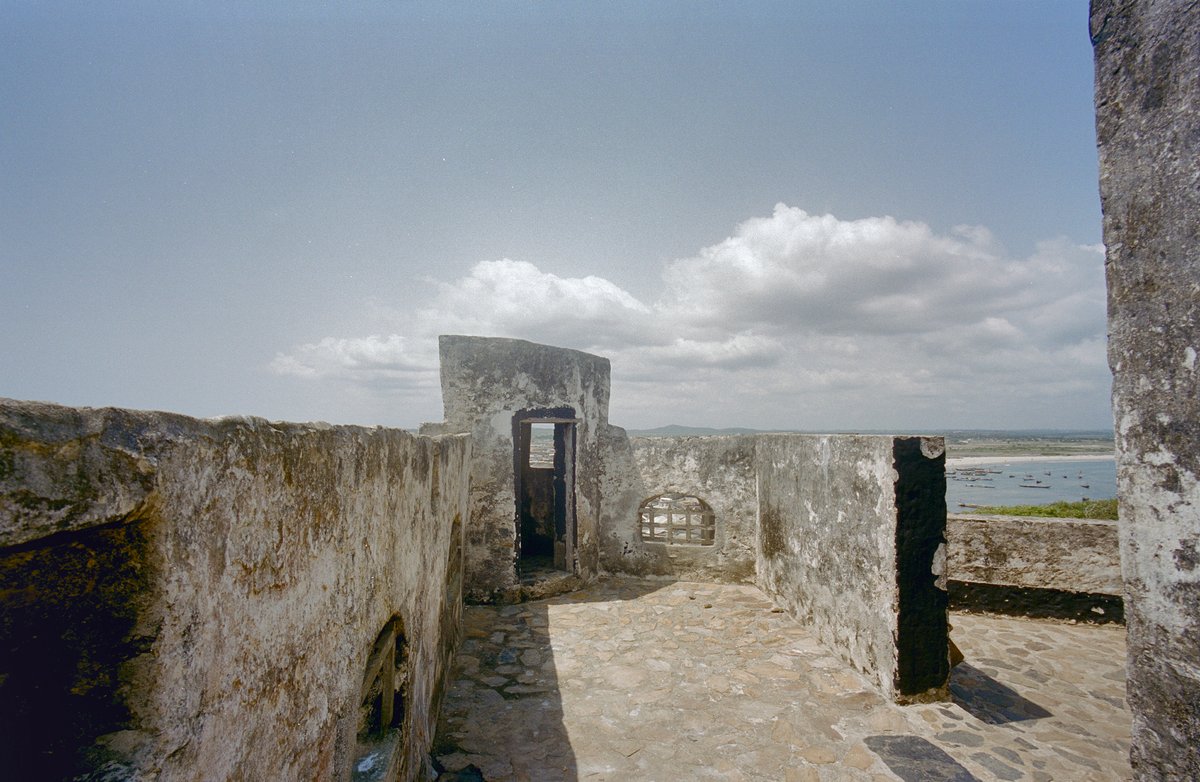
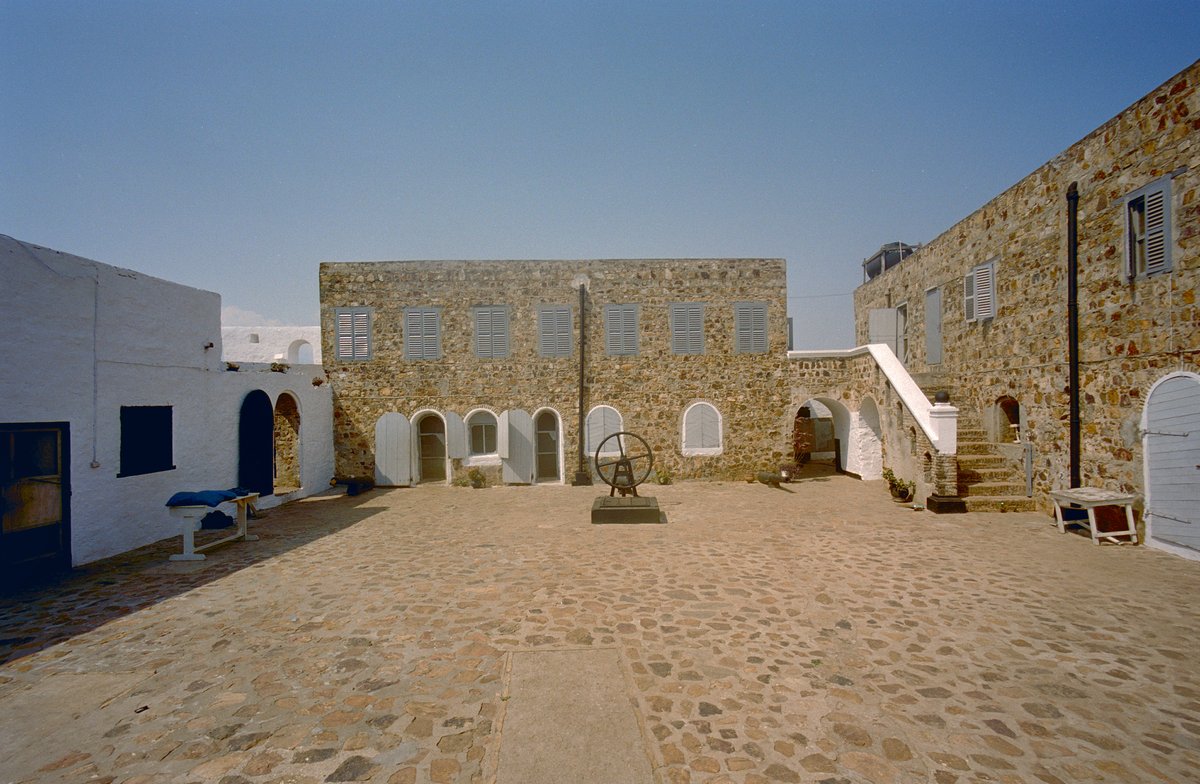
In the year 1481, King John II of Portugal dispatched ten caravels and two transport ships. These vessels carried heavy foundation stones and roof tiles to a village known as Of Two Parts. Upon their arrival in 1482, the Portuguese began building a fort to ensure the protection of a royal monopoly over the gold that locals had traded with Arab and Berber merchants for ages.
The Portuguese christened the area A Mina because of the gold that could be found there. Yet, the shimmer of gold soon withered into a darker commerce. This fortress rose as the first trading post on the Gulf of Guinea. Through the long passage of centuries and shifting empires, it served as a gate for the Atlantic slave trade.
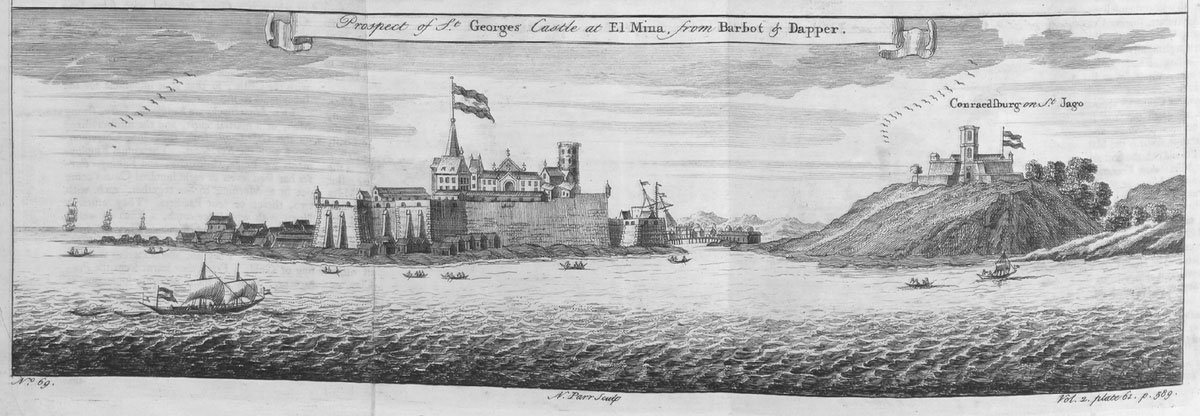
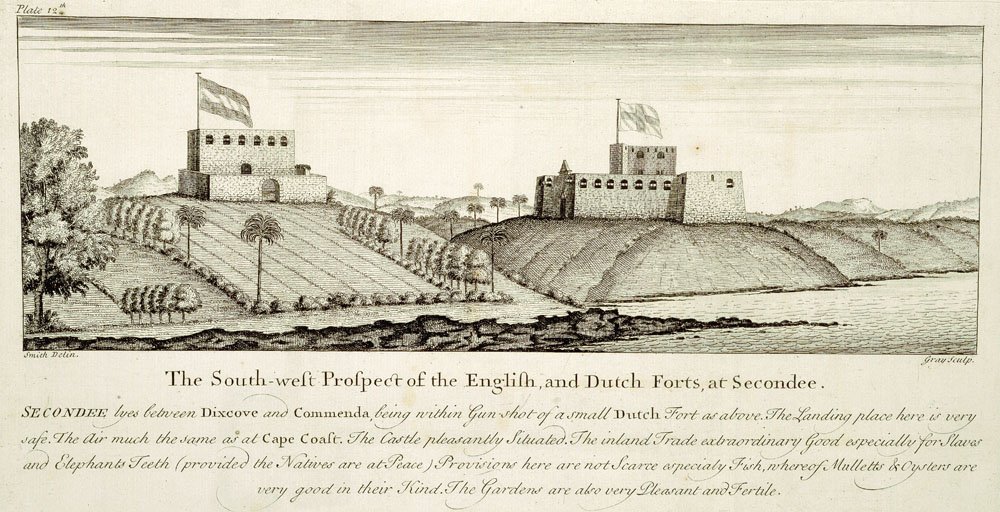
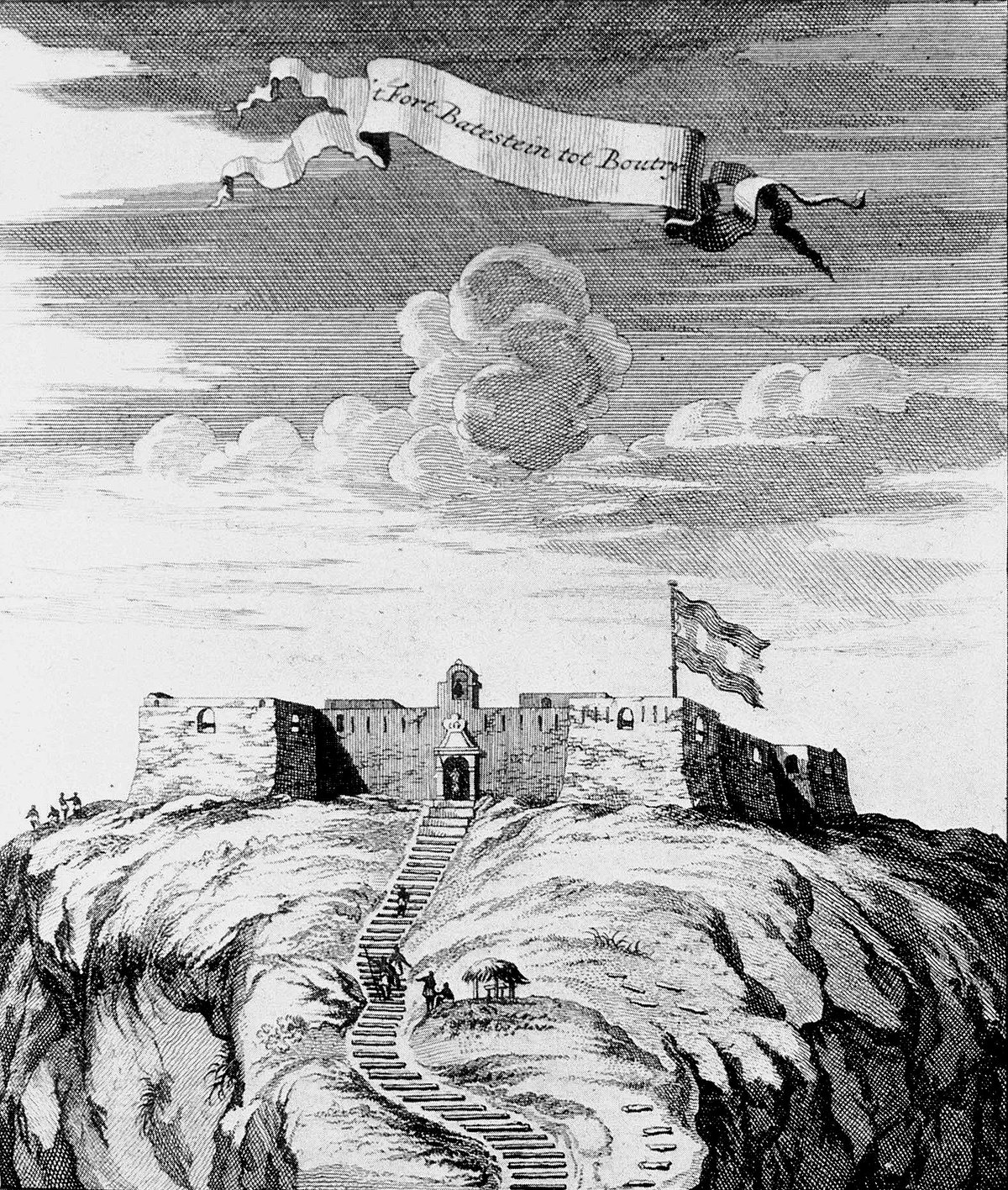
The Dutch seized the fort in 1637 and held it until 1814. In 1872, the fort became a possession of the United Kingdom in a treaty that divided dominance and forts in colonial territories. It endured the end of the slave trade and the birth of a new nation, Ghana, in 1957.
Sources: Wikipedia, OpenStreetMap, Wikimedia Commons
Written by Mutabor
Discuss this with the author and others
No comments yet. Be the first to start the conversation.