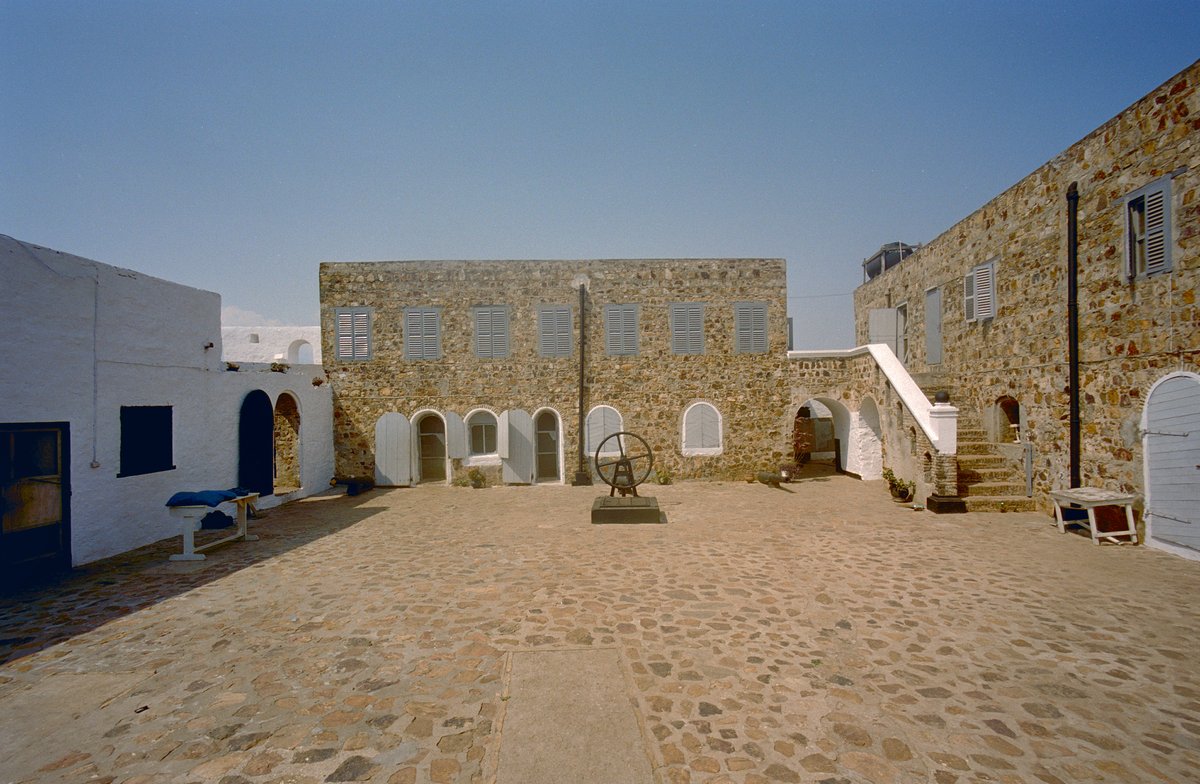

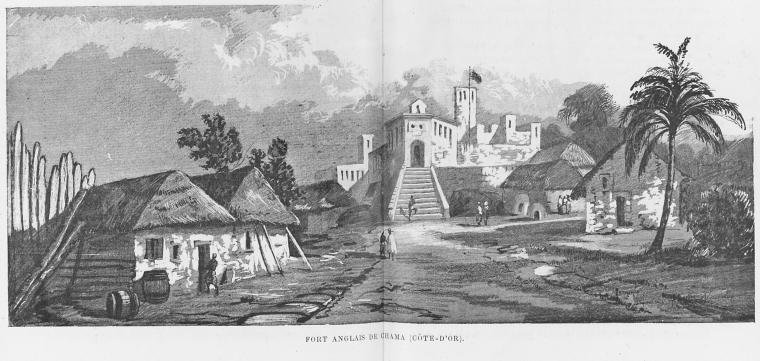
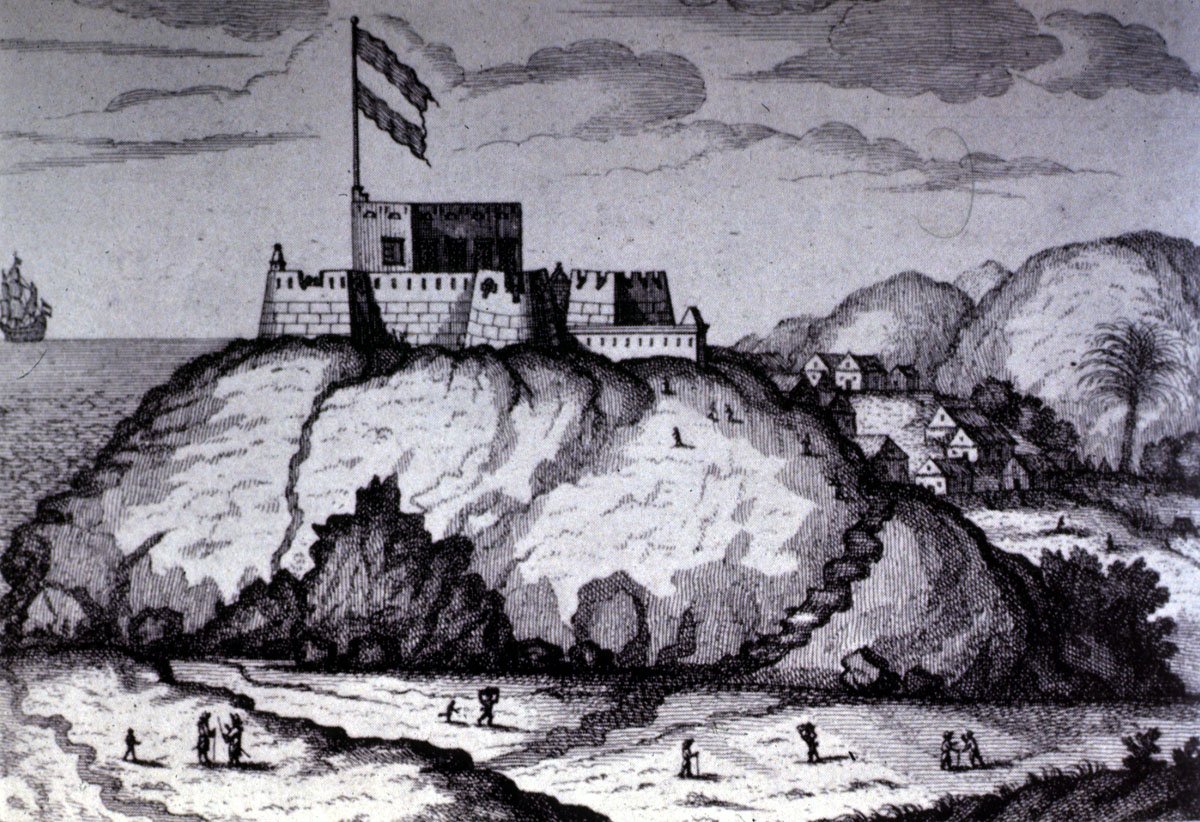
In 1667, the Dutch established a small triangular fort on a promontory near a cove, which served as the last fort built by the Dutch on the Gold Coast. It played a role in the gold and slave trade and was established primarily for the gold trade with Akim.
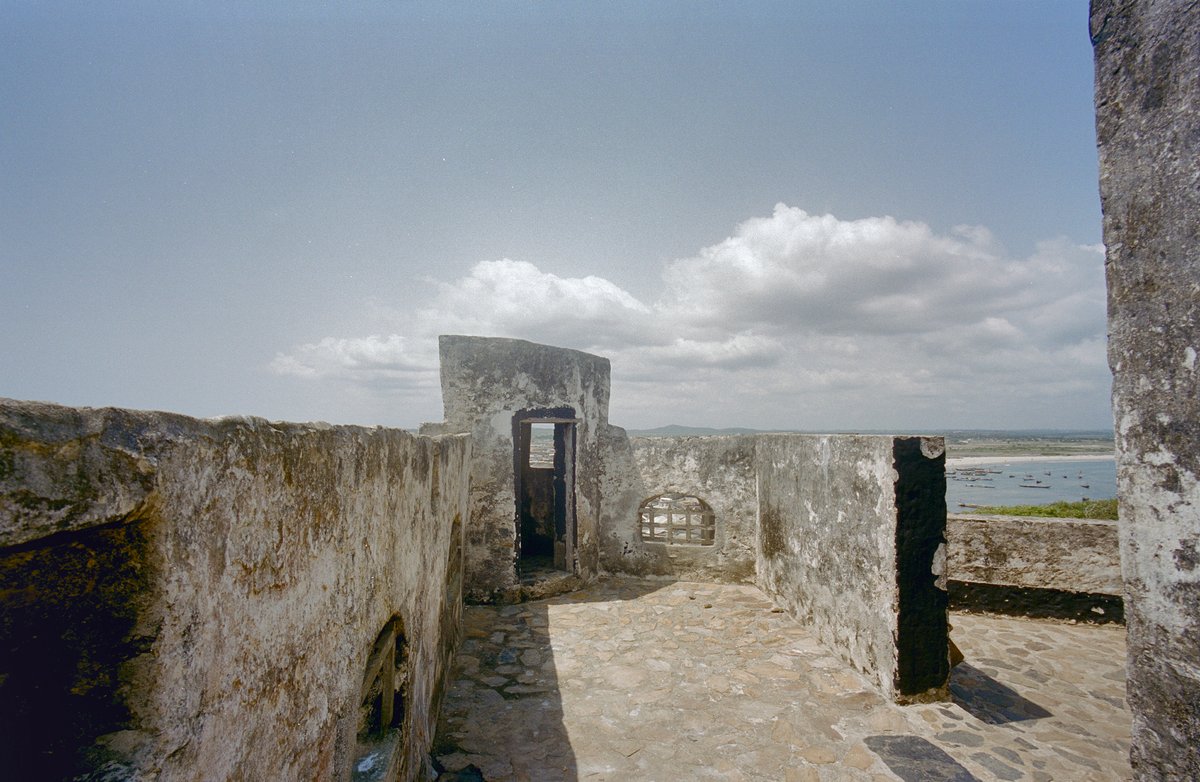
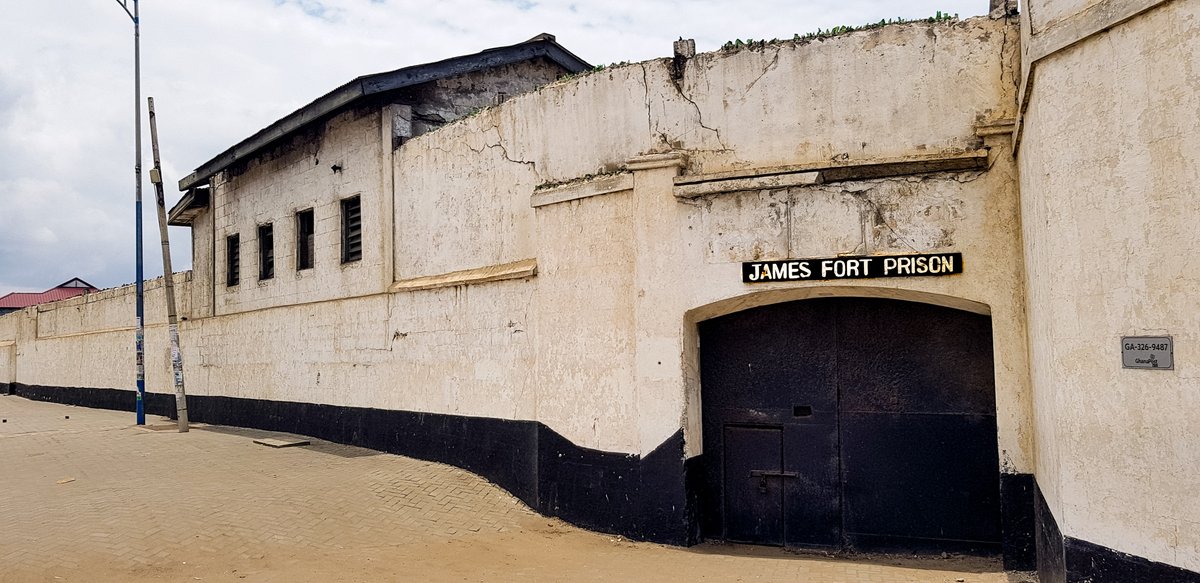
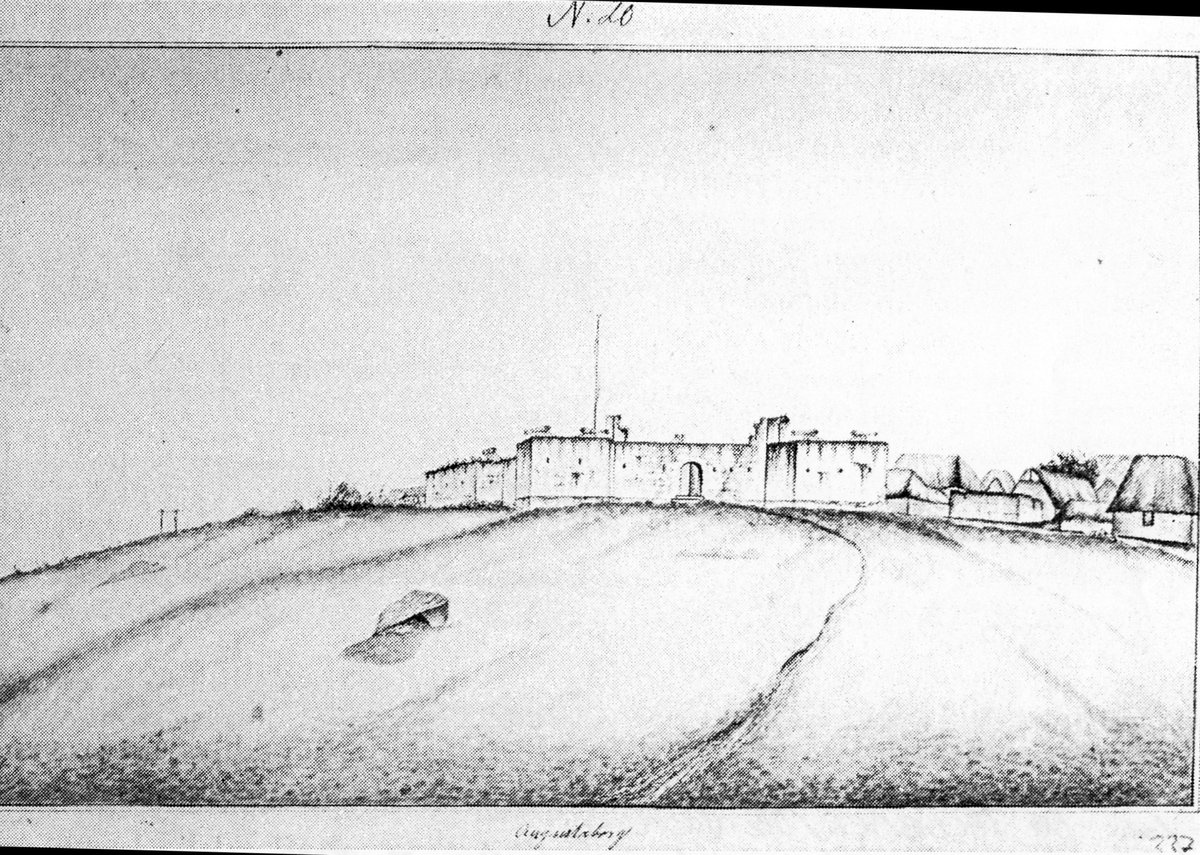
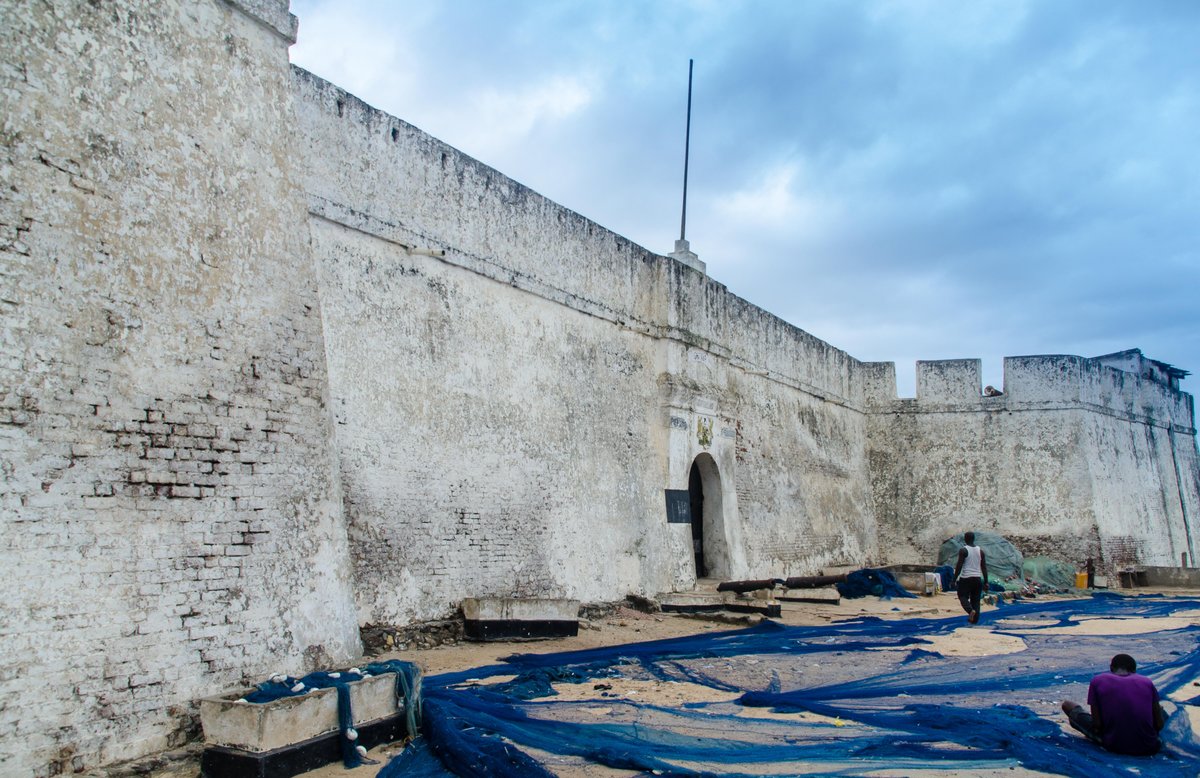
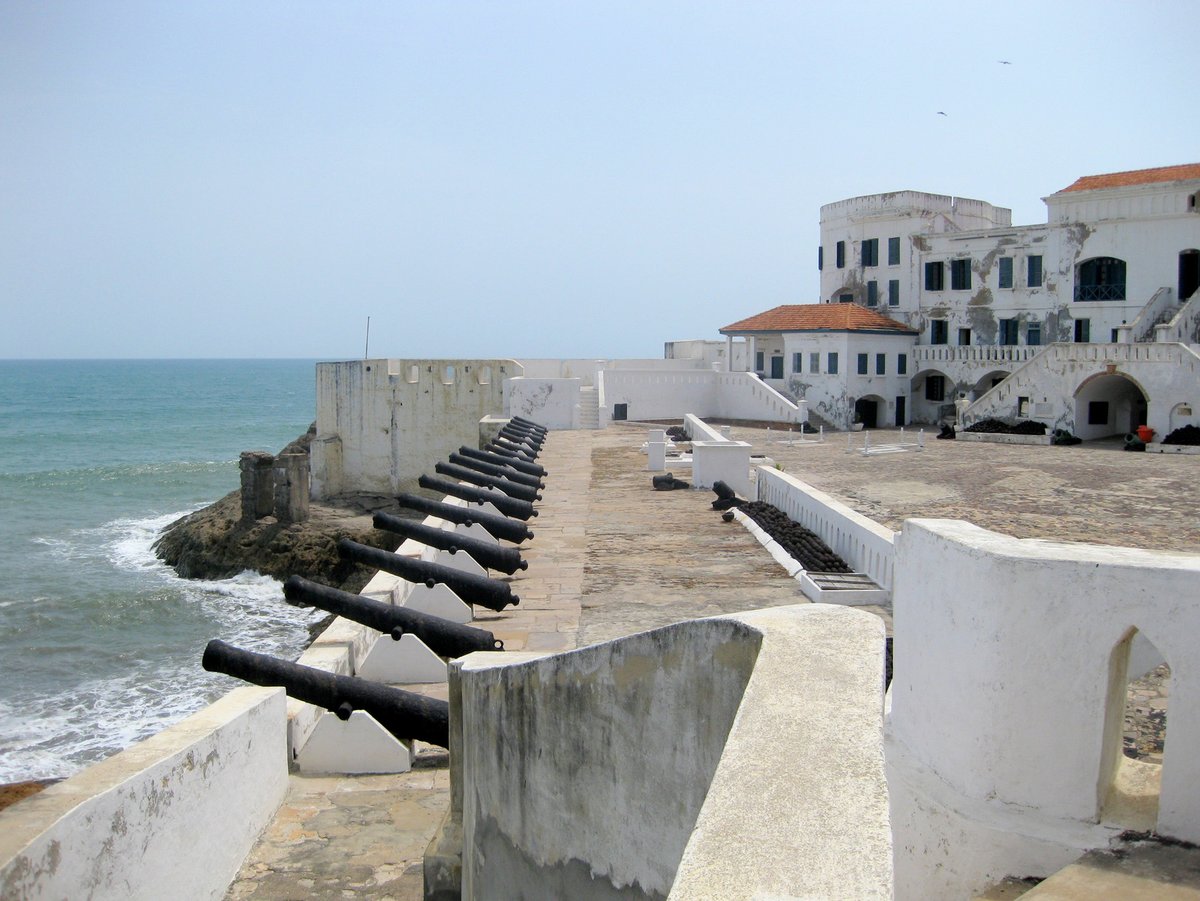
By 1724, the limited size of the fort could no longer cope with the increasing number of slaves. It was rebuilt into its present rectangular shape with four bastions and curtain walls. This structure included garrisons, halls for officers, kitchens, a granary, a powder magazine room, and a prison for men and women located in the southwest bastion.
In 1782, during the Fourth Anglo-Dutch War, British Captain Thomas Shirley captured Fort Goede Hoop. The fort remained under temporary British occupation until 1785. Between 1811 and 1816, the local Akim people briefly controlled the fort before it returned to Dutch administration. In 1868, it was ceded to the United Kingdom.
Today, the fort serves as a rest house and a tourist attraction. While an outer defensive wall was added in the late 18th century, that wall has almost disappeared over time.
Sources: Wikipedia, OpenStreetMap, Wikidata, Wikimedia Commons

Written by Mutabor
Discuss this with the author and others
No comments yet. Be the first to start the conversation.