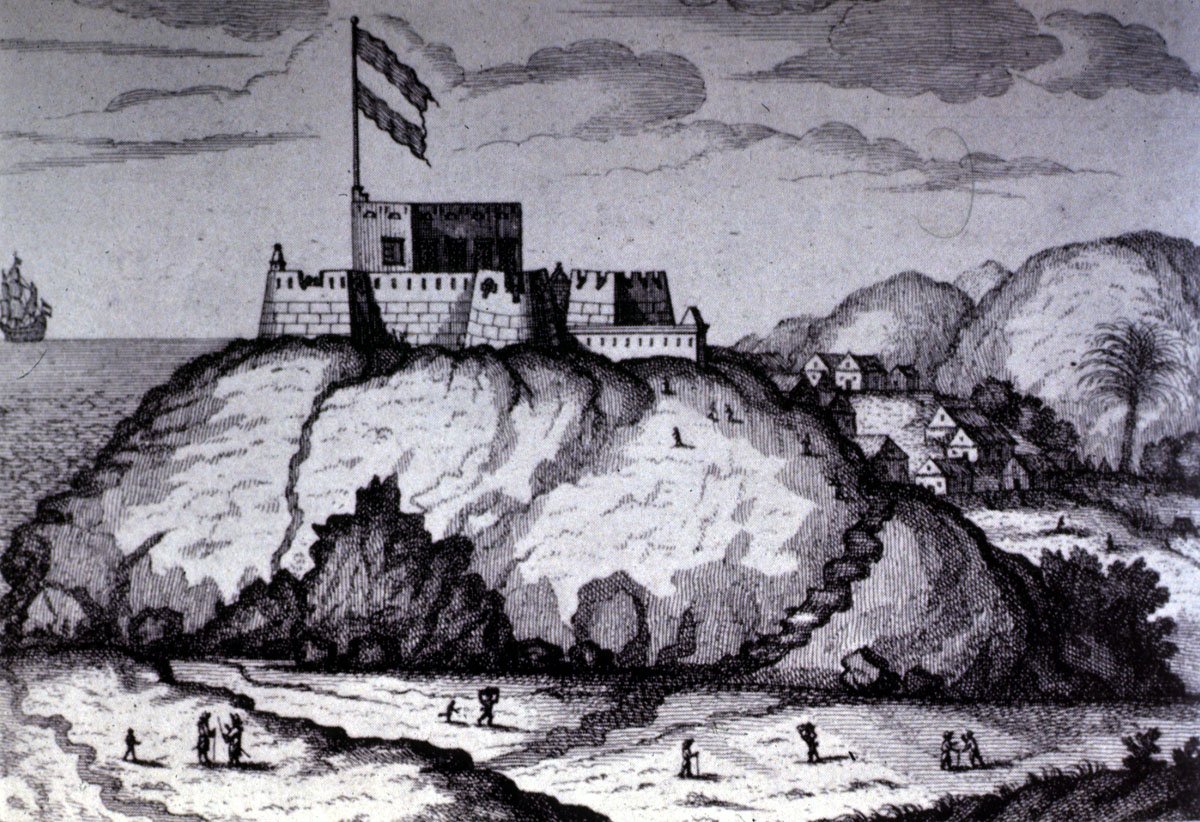

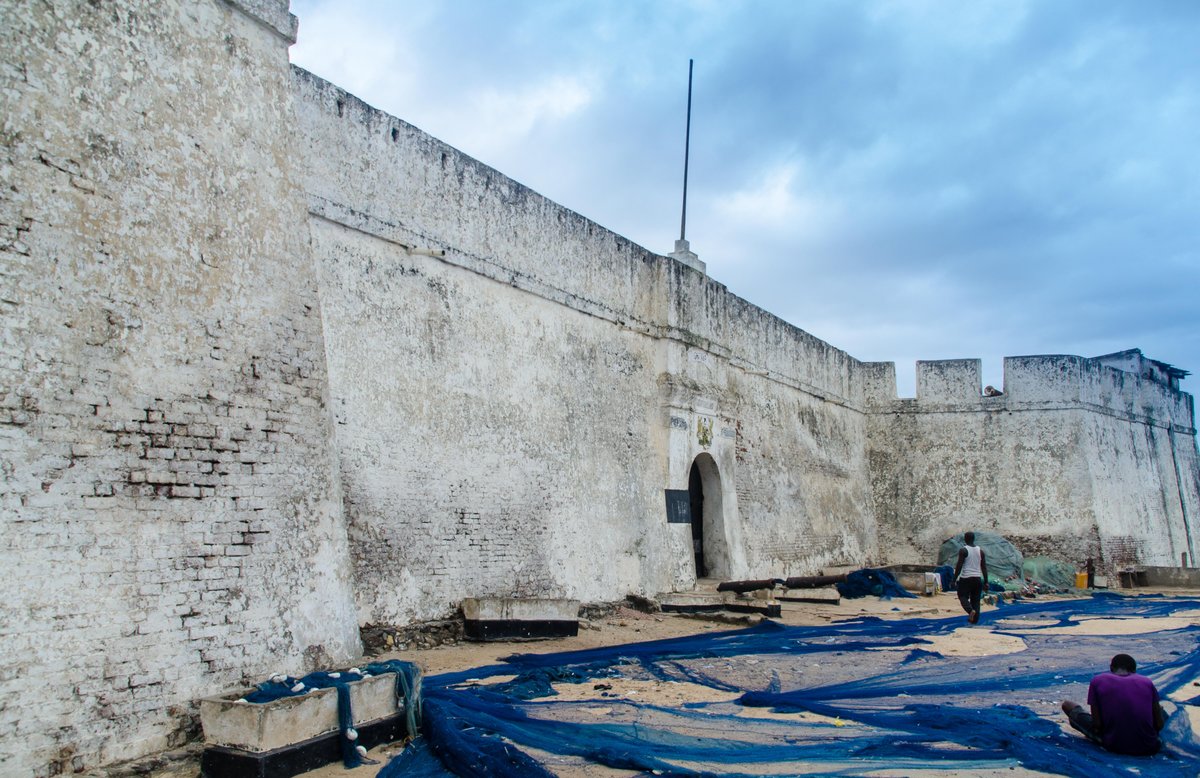
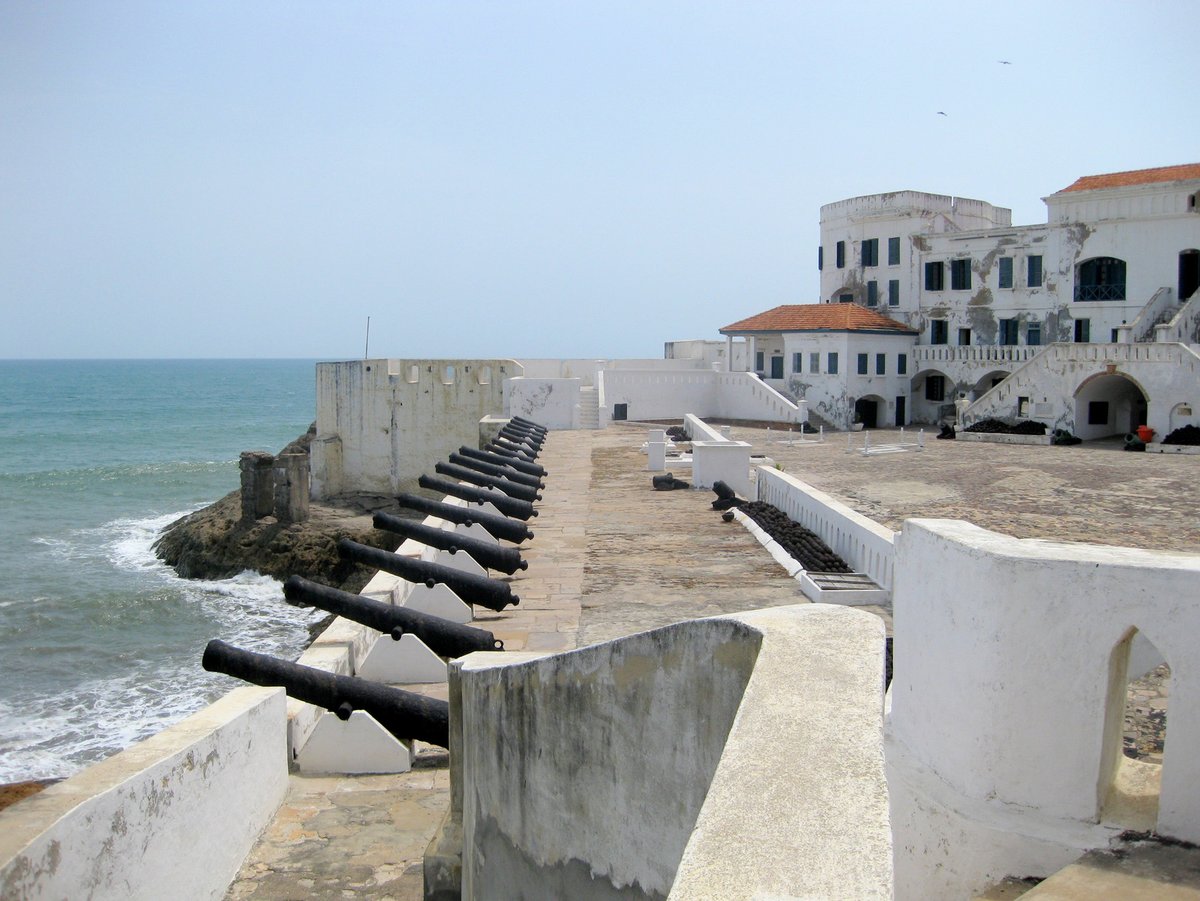
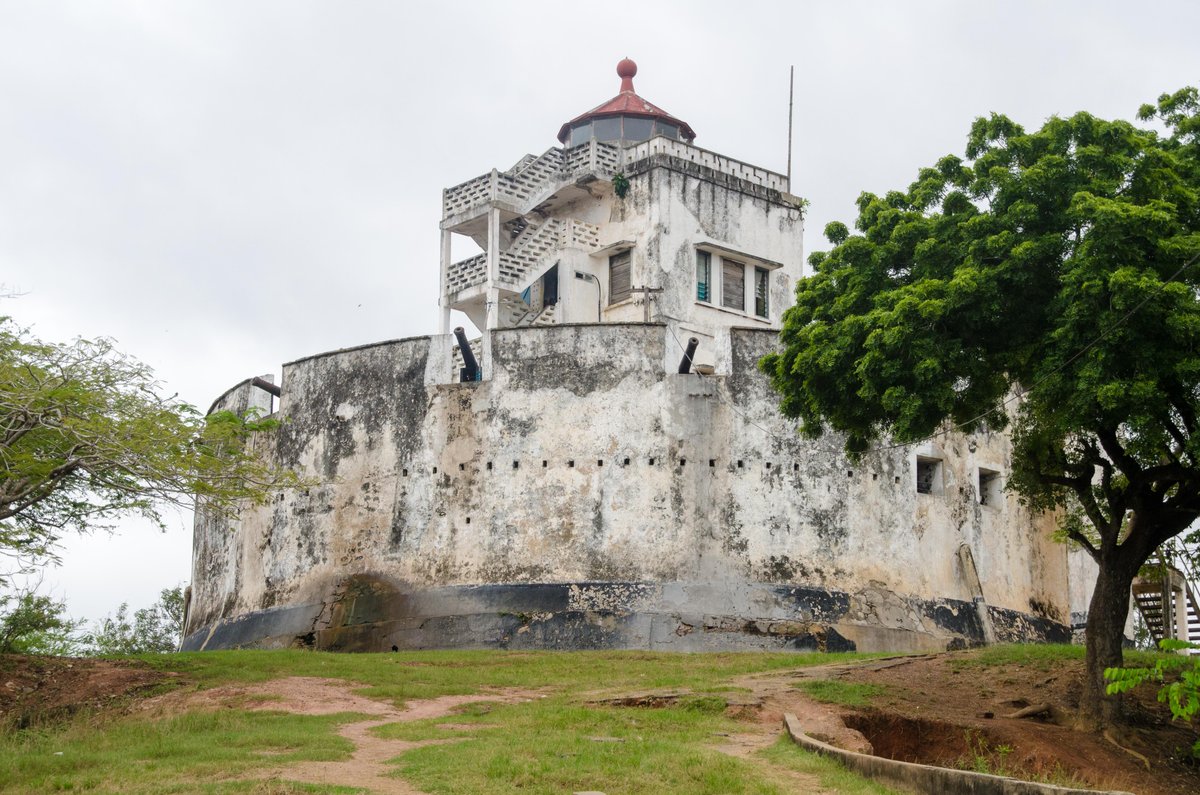
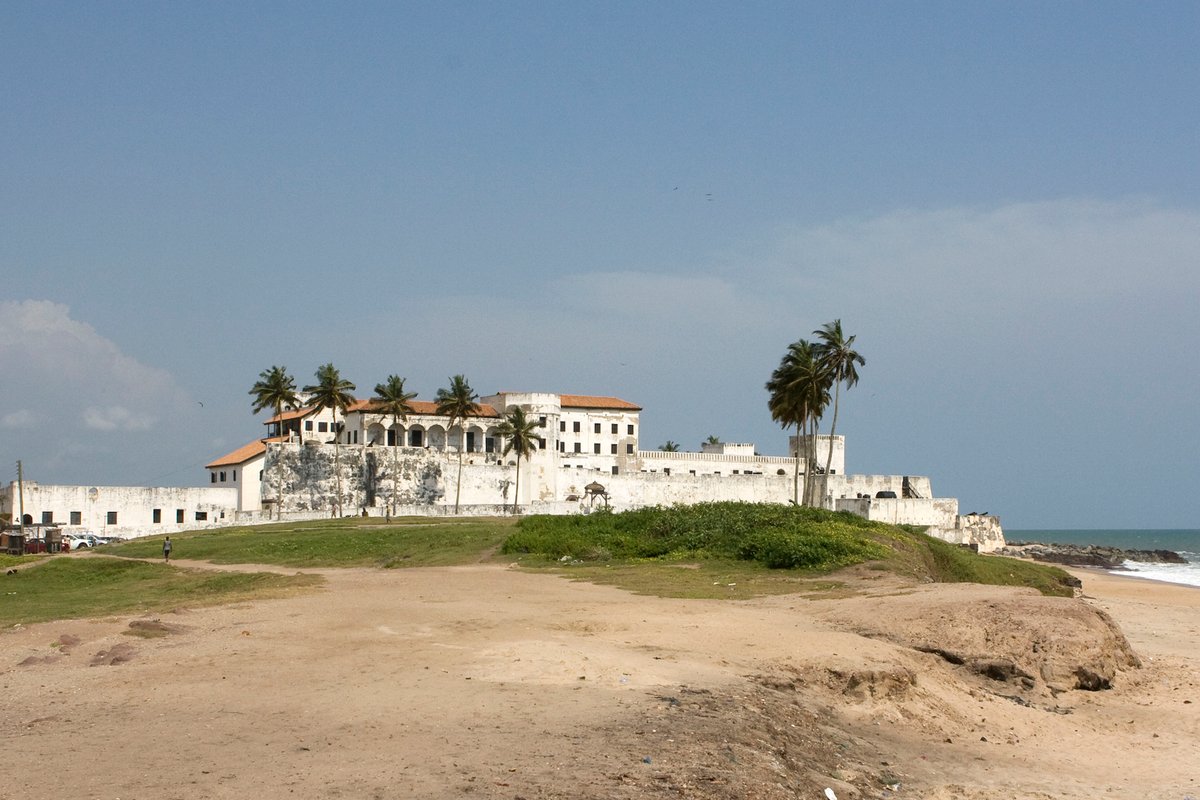
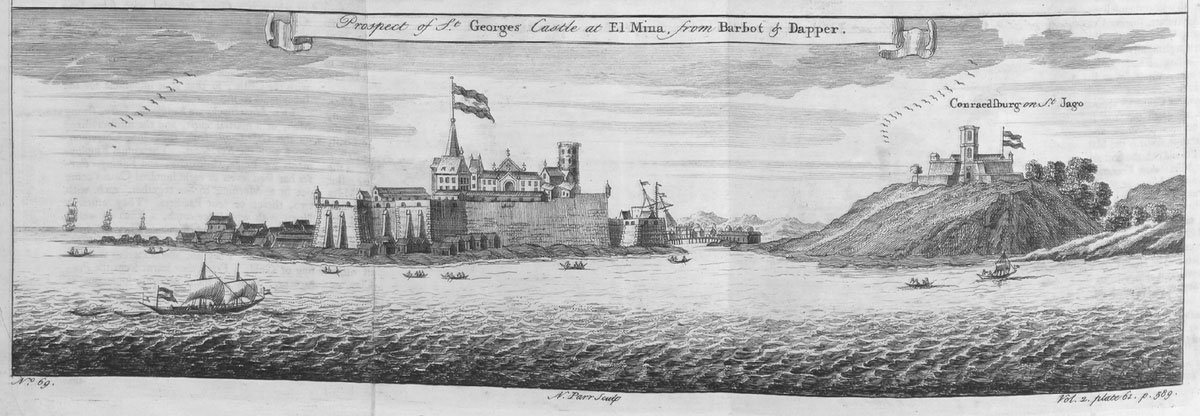
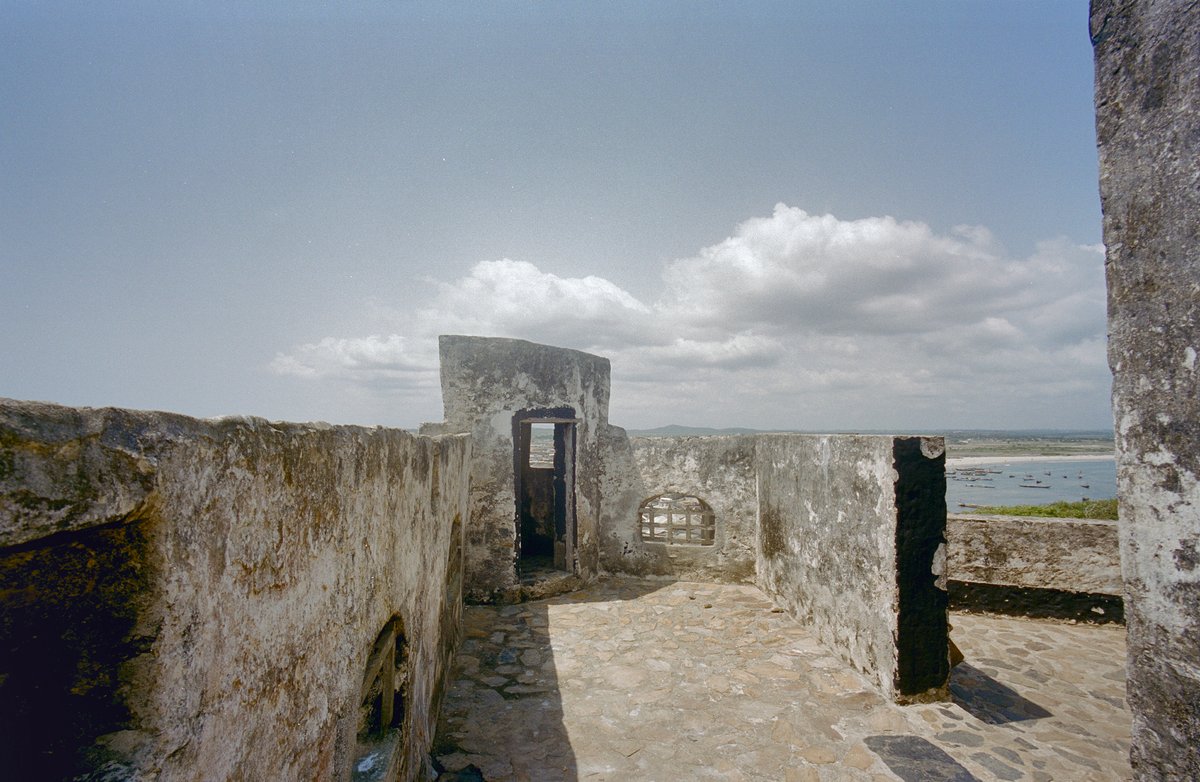
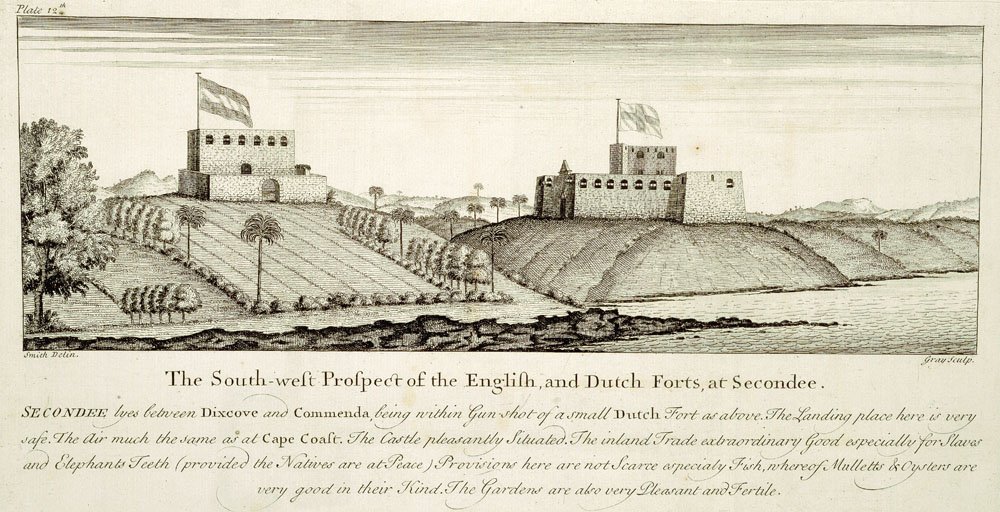
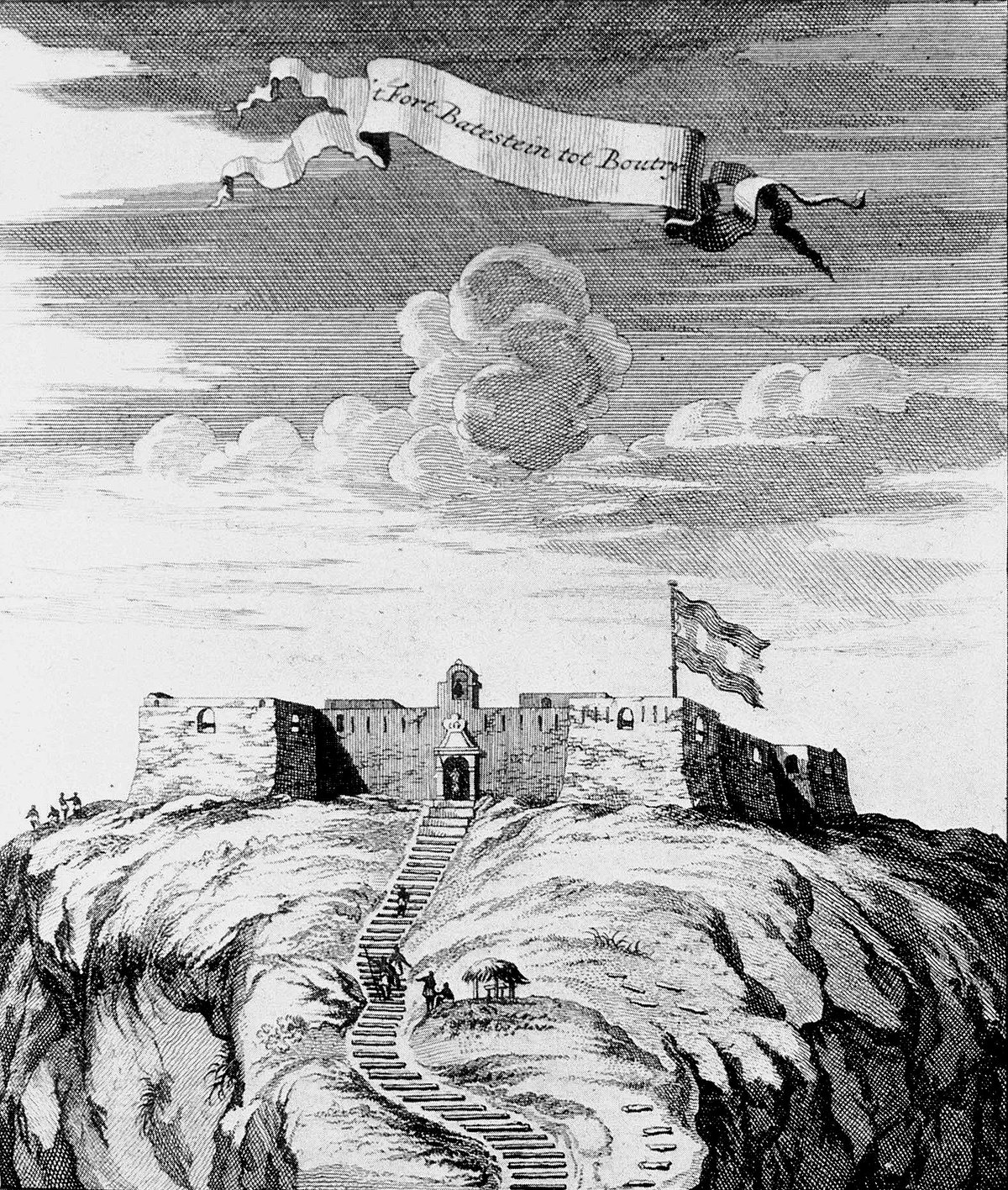
The English built Fort Cormantin between 1638 and 1645, but the Dutch captured it in 1665 as retaliation for the loss of several of their own forts. It remained part of the Dutch Gold Coast until it was traded to the British in 1868. Located in Abandze, the fort was inscribed on the UNESCO World Heritage List in 1979 due to its historical importance in the Atlantic slave trade.
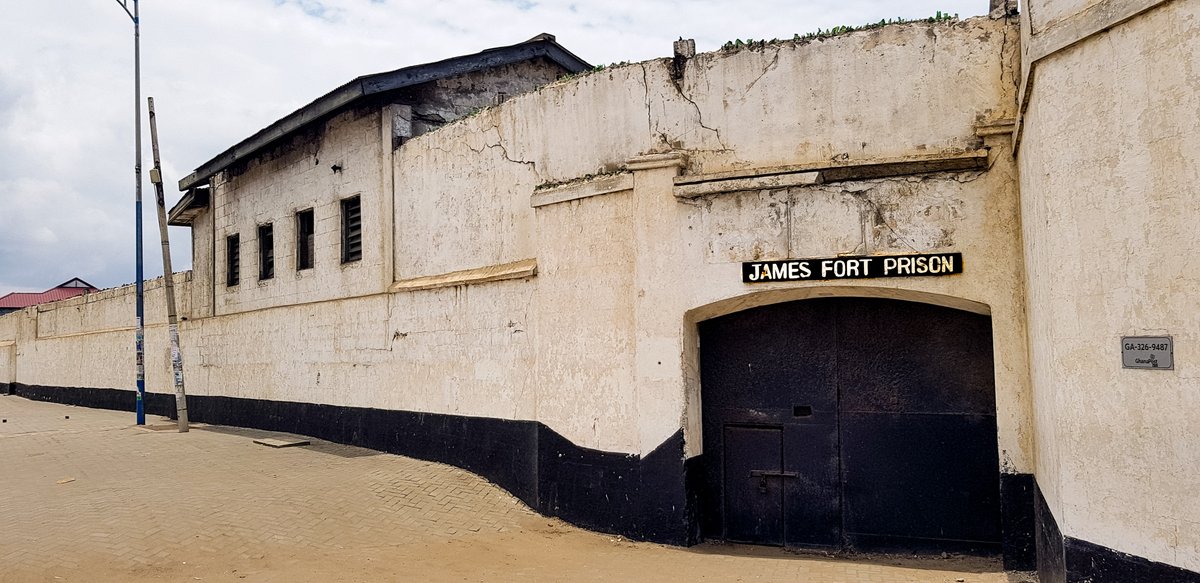
The original structure had a rectangular outline with two square and two round bastions. While the curtain and bastion on the north were solidly built, the others were constructed with an earth filling between two walls of stone laid in mortar. The bastion on the southeast was designed to be hollow with a grated ventilation in the roof and was used as a slave prison. It is believed to have been the first of its kind in the Gold Coast, and slaves taken from this fort were said to have been named Coromantee.
Managing trade routes in the area was difficult for the Dutch. Because the local chief sometimes leased the site to the British, the Dutch had no jurisdiction and were often blocked from trade routes until they paid large sums of money. During the years 1705 to 1716, trade figures at the fort included 481 marks of gold and 149 slaves.
In 1811, the people of Anomabo attacked the fort and left it in ruins. It remained unoccupied until it was restored in 1951 by the Ghana Museums and Monuments Board. Today, the town of Abandze has grown around the site of the fort.
Sources: Wikipedia, OpenStreetMap, Wikidata, Wikimedia Commons
Written by Friendly Jane
Discuss this with the author and others
No comments yet. Be the first to start the conversation.