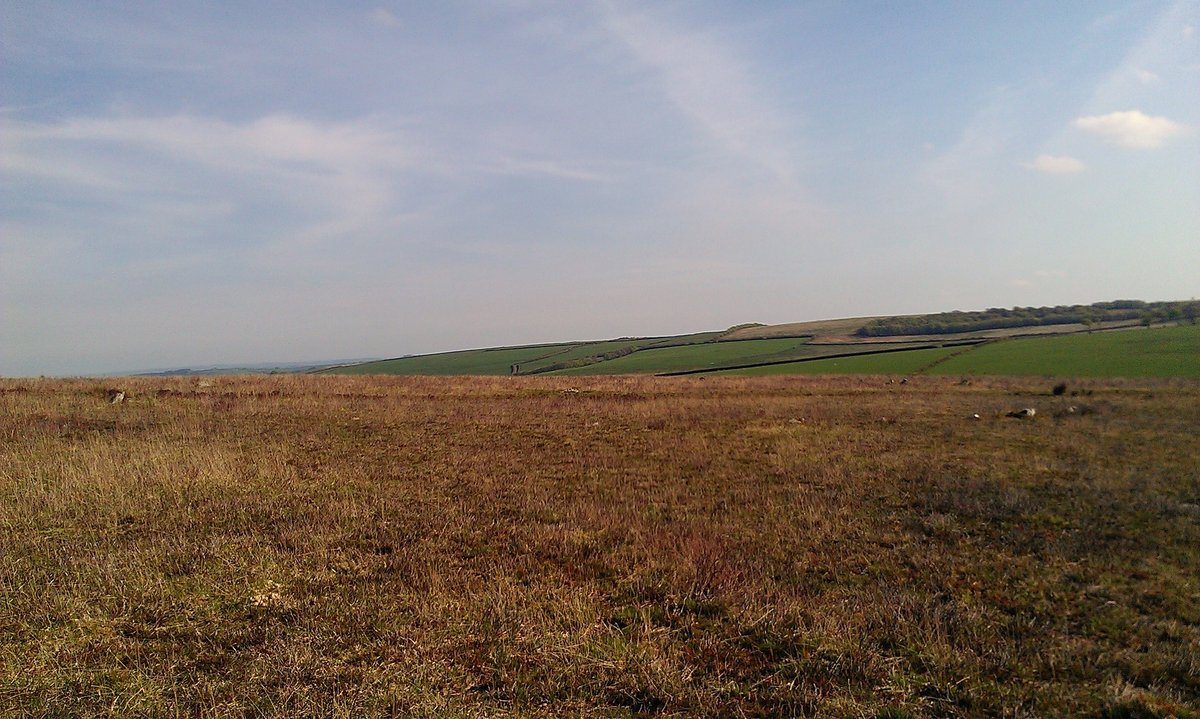

Withypool Stone Circle, also known as Withypool Hill Stone Circle, sits on the south-western slope of Withypool Hill in the Somerset moorland. The site was rediscovered in 1898 and surveyed by the archaeologist Harold St George Gray in 1905. It is part of a tradition of stone circle construction that spread throughout much of Britain, Ireland, and Brittany during the Late Neolithic and Early Bronze Age, between 3300 and 900 BCE. Archaeologists speculate that the stones may have represented supernatural entities for the circle's builders.
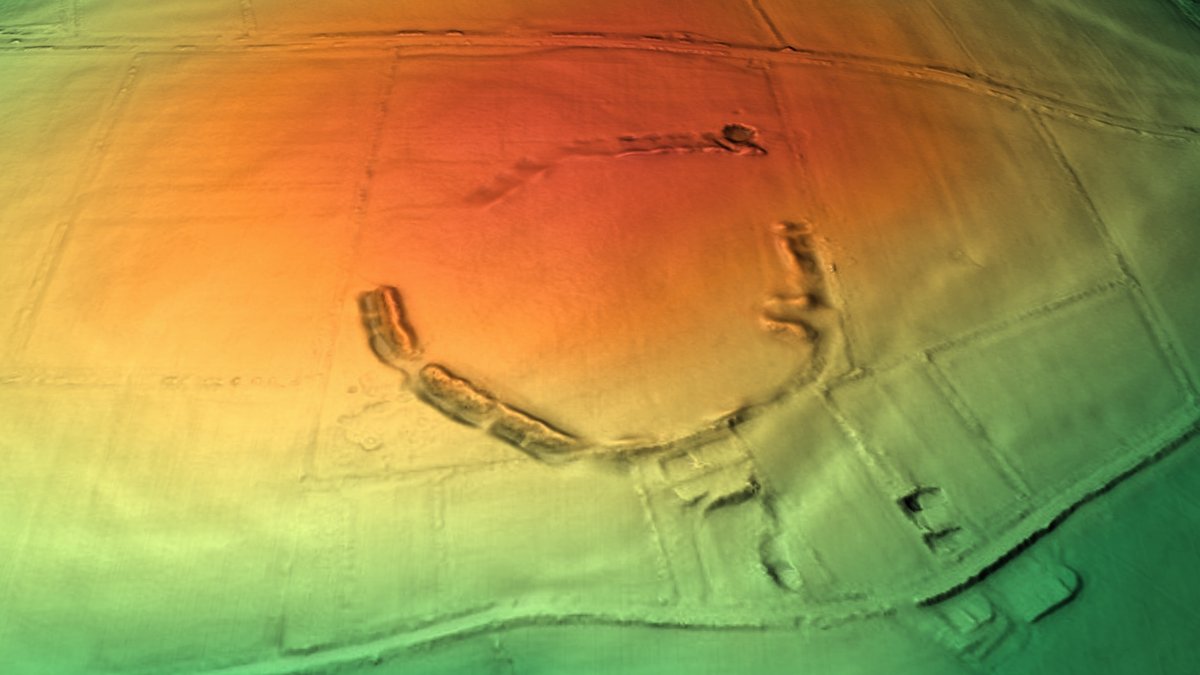
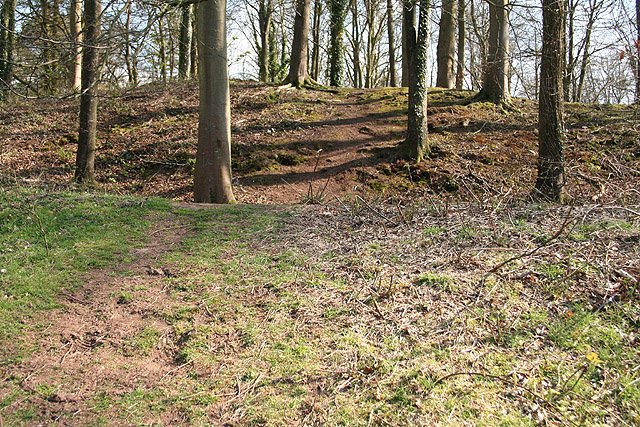
Only two stone circles survive in this area of Exmoor: the other is Porlock Stone Circle. The Withypool ring is situated on an area of heathland and measures about 36.4 metres in diameter. Around thirty small gritstones remain, although there may originally have been around 100; there are conspicuous gaps on the northern and western sides of the monument. The stones are small, averaging 10 cm in height, 30 cm in width, and 10 cm in depth. The largest stone protrudes about 0.5 metres from the ground, and many of the stones feature conspicuous quartz veins.
These circles typically show very little evidence of human visitation during the period immediately following their creation. This suggests they may have been deliberately left as "silent and empty monuments". While there is a shortage of big stones on Exmoor due to the lack of natural granite, the available Devonian slates and Hangman Grits break easily into small slabs. Gray suggested the circle might have been the site of cremations, with human remains then being buried within nearby tumuli.
Sources: Wikipedia, OpenStreetMap, Wikidata, Wikimedia Commons

Written by Nicolo Ciampini
Discuss this with the author and others
No comments yet. Be the first to start the conversation.