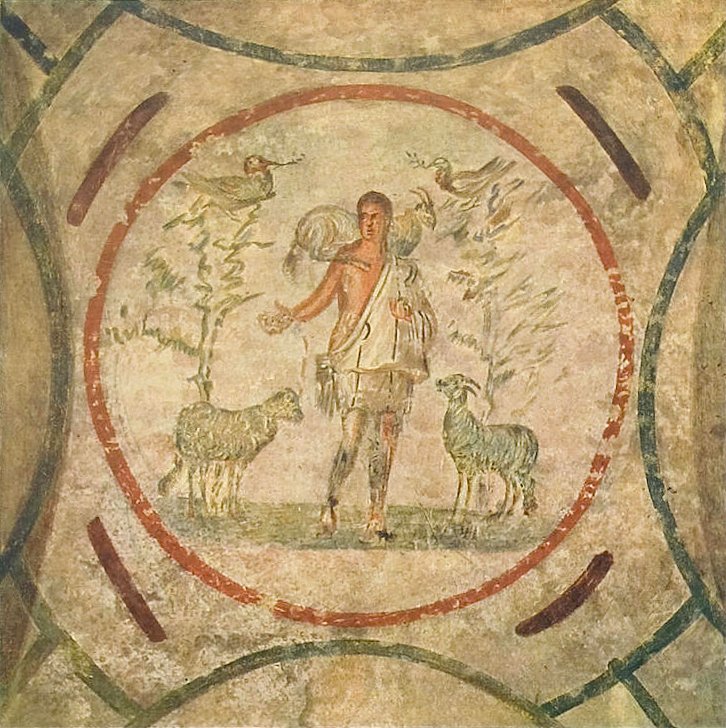

The Catacomb of Priscilla in Via Salaria, Rome, Italy, lies under what was a quarry in Roman times and served as a burial site for thousands of Christians from the late 2nd to the 4th century. The catacombs extend underground for over seven miles, making them one of Rome's most extensive underground sites. The walls display some of the earliest known frescos of Biblical scenes, which are studied specifically for their portrayal of early Christian women.
The modern entrance to the catacomb lies through the cloister of the monastery of the Benedictines of Priscilla on Via Salaria. The site is divided into three notable areas: a Greek Chapel (Capella Greca), the cryptoporticus, and the tombs. Known in antiquity as the "Queen of the Catacombs" due to the number of martyrs housed there, the site contains the remains of seven early popes, including Pope Marcellinus and Pope Marcellus I.
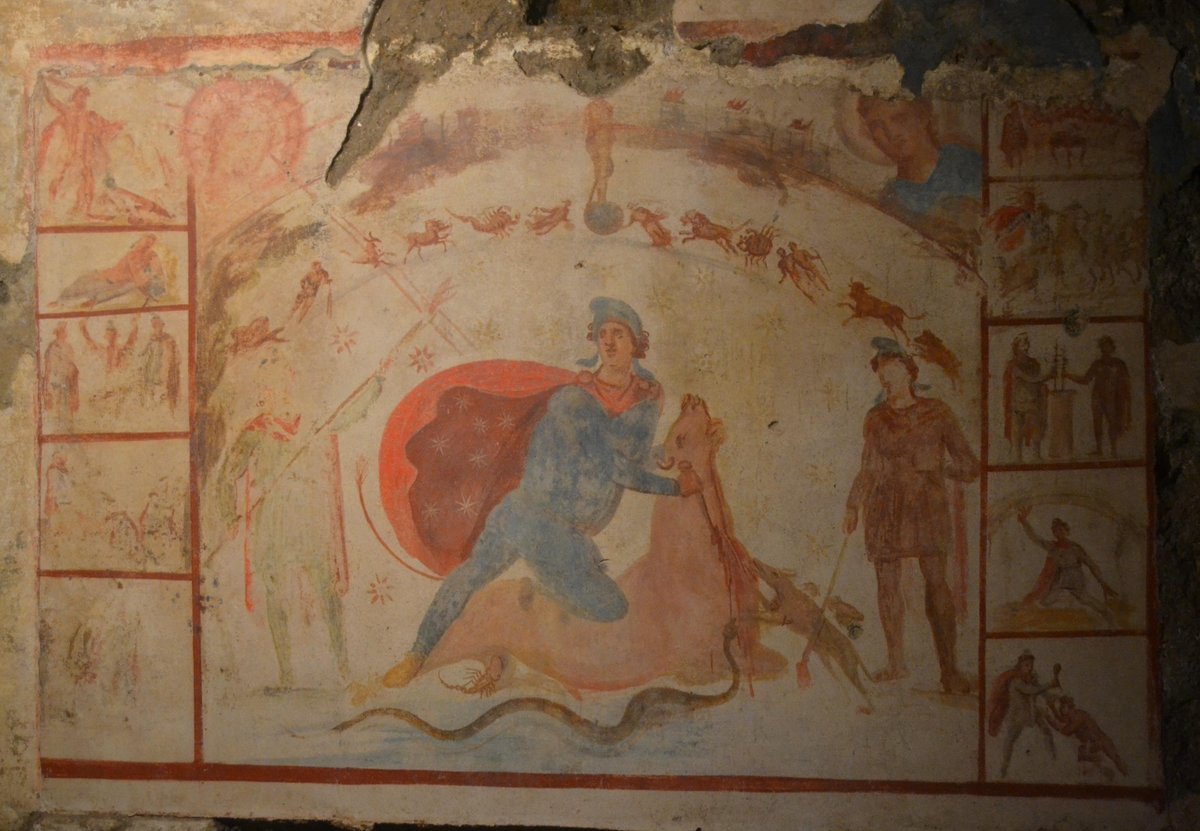
Particularly noteworthy is the Greek Chapel, which contains many 3rd-century frescoes generally interpreted to be Old and New Testament scenes, including the Fractio Panis. The appearance of the figures in the Fractio Panis insinuates that most, if not all, could be women. Other notable paintings include a fresco of a figure and a lion, which scholars argue may be David or Thecla, and the Cubiculum of the Velata, which consists of three portraits depicting the life of a singular unnamed woman.
Sources: Wikipedia, OpenStreetMap, Wikidata, Wikimedia Commons


Written by Nicolo Ciampini
Discuss this with the author and others
No comments yet. Be the first to start the conversation.