
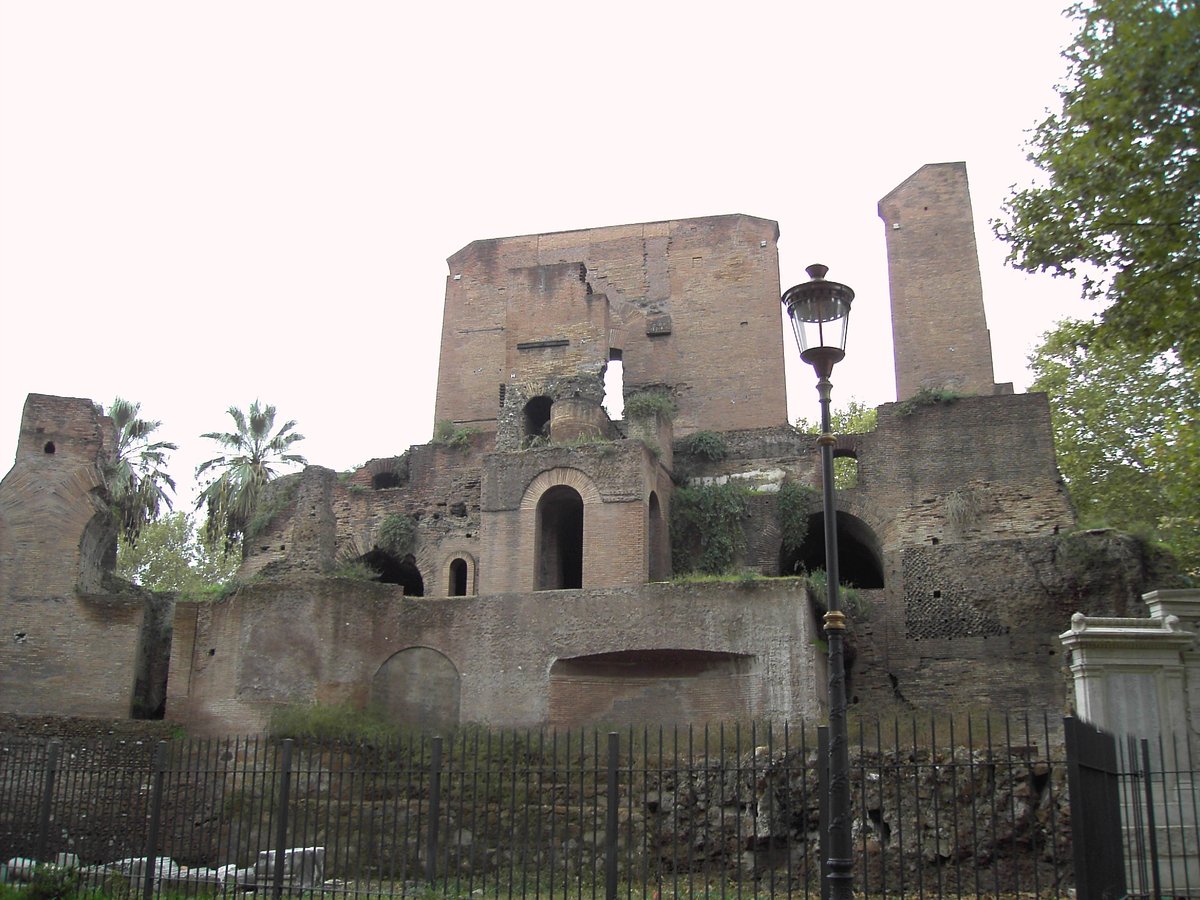
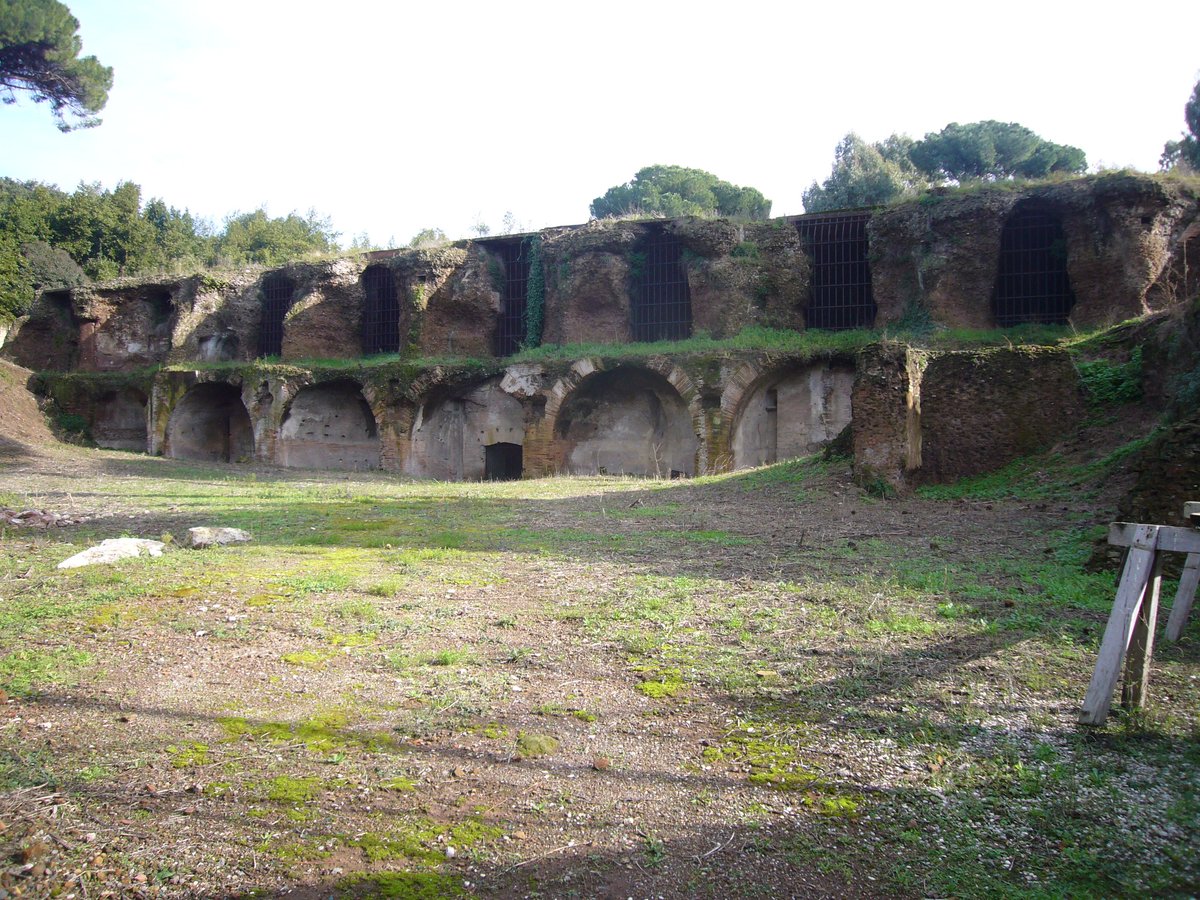
The Baths of Diocletian were the largest of the imperial baths in ancient Rome. Commissioned by Maximian in 298 AD in honor of his co-emperor Diocletian, construction took place between 298 and 306 AD. The project had such a massive effect on the brick industry that all work was redirected and placed under the direct control of the emperor. The baths served the people residing in the Viminal, Quirinal, and Esquiline quarters of the city.
To properly supply the baths, Diocletian ordered an increase in the water supply from the Aqua Marcia. The baths remained in use until the siege of Rome in 537, when the Ostrogothic king Vitiges cut off the aqueducts. In the 1560s, Pope Pius IV ordered the building of the basilica of Santa Maria degli Angeli e dei Martiri within the ruins. Michelangelo was commissioned to design the church, making use of the original frigidarium and tepidarium structures.
Later, the American sculptor Moses Jacob Ezekiel established an artist's studio in the baths, where he lived and worked from 1879 to 1910. His studio was regarded as one of the show places of the Eternal City, hosting musicians and international visitors including Queen Margherita of Savoy and Emperor Wilhelm II of Germany. In 1889, the Italian government set up the Museo Nazionale Romano in the baths and in the adjacent charterhouse.
Sources: Wikipedia, OpenStreetMap, Wikidata, Wikimedia Commons


Written by Nicolo Ciampini
Discuss this with the author and others
No comments yet. Be the first to start the conversation.