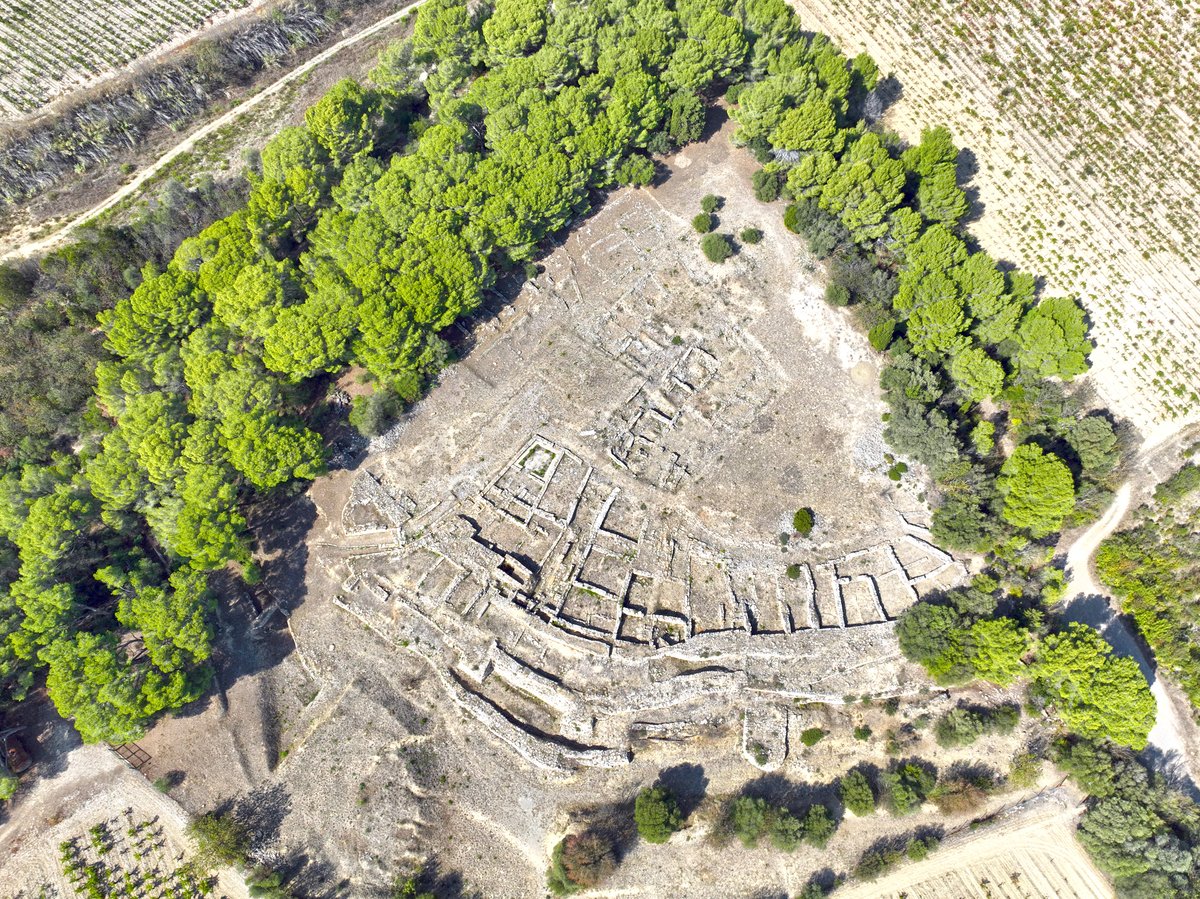

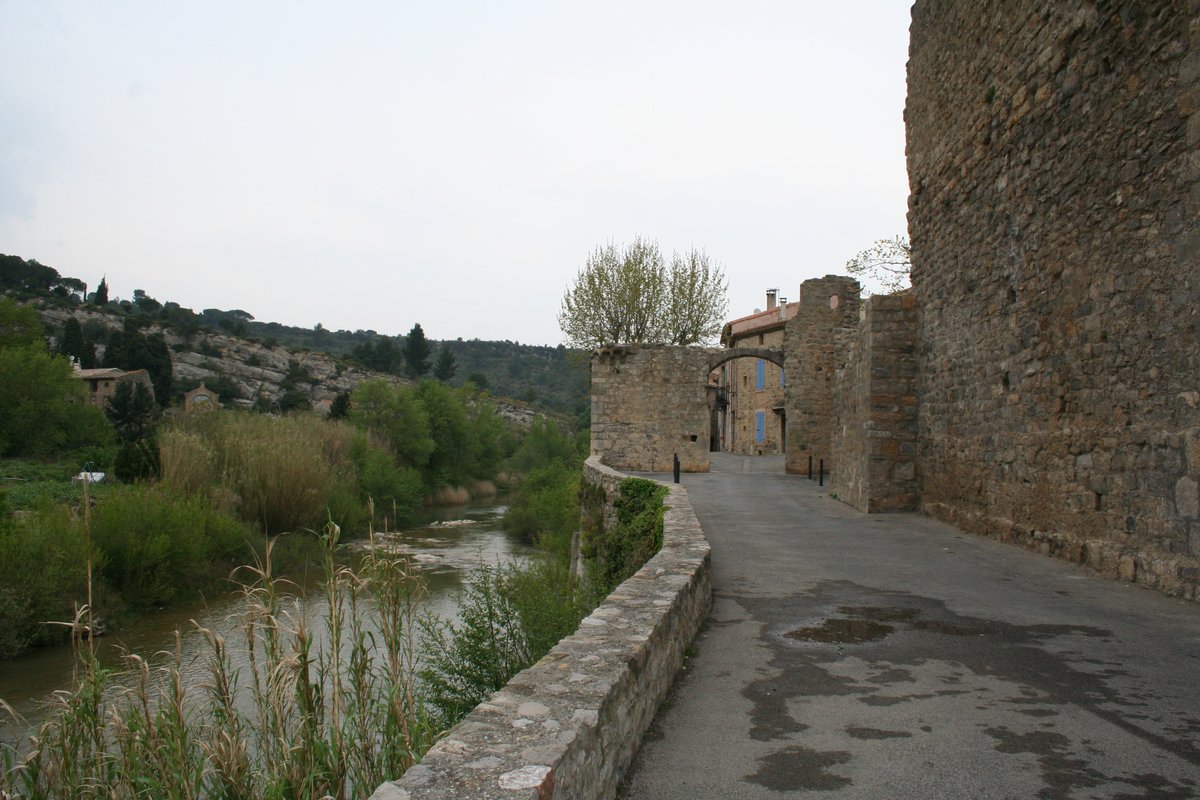
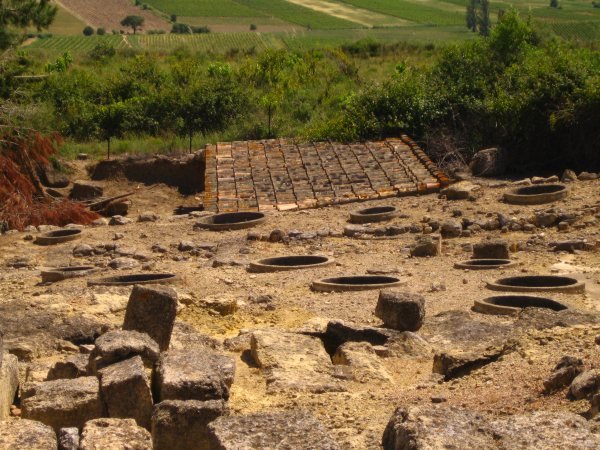
Pech Maho was a fortified trading post occupied from the sixth century BC to the third century BC. Located on a 29-meter hill overlooking the Berre river, it served as a commercial crossroads between Etruscans, Greeks, Carthaginians, and indigenous people. The site was positioned on a navigable body of water with sea access, providing a strategic location for trade and defense near the ford of the Heraclean Lane.
The oppidum suffered almost total destruction at the end of the third century BC, likely linked to the Second Punic War between Rome and Carthage. Archaeologists have identified catapult bullets within the levels of destruction as probative evidence of this conflict. Shortly after the destruction, people returned to the site to perform funerary rituals and animal sacrifices, likely in honor of fallen heroes, before the site was eventually forgotten.
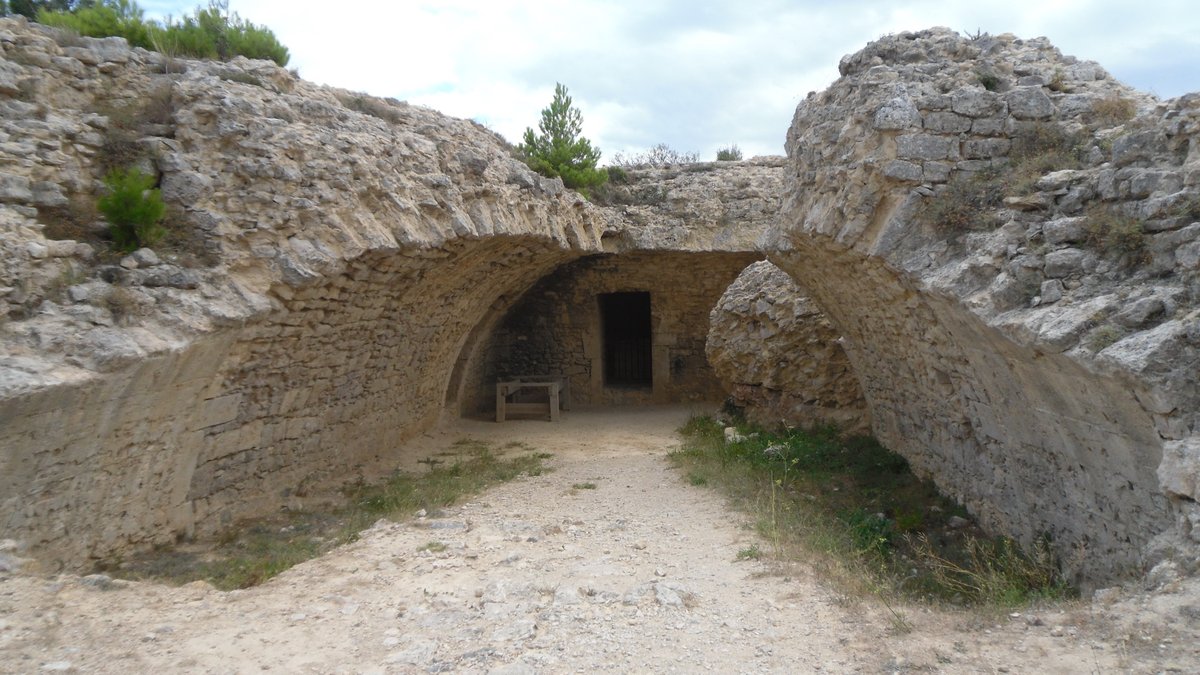
Today, the site is a Monument Historique and is not freely accessible to the public. Visitors must start at a museum in Sigean to arrange a guided tour. These tours are available on demand or on specific dates, such as the last Saturday of the month during the off-season, to explore the remains of this ancient pre-Roman settlement.
Sources: Wikipedia, OpenStreetMap, Wikidata, Wikimedia Commons
Written by Nicolo Ciampini
Discuss this with the author and others
No comments yet. Be the first to start the conversation.