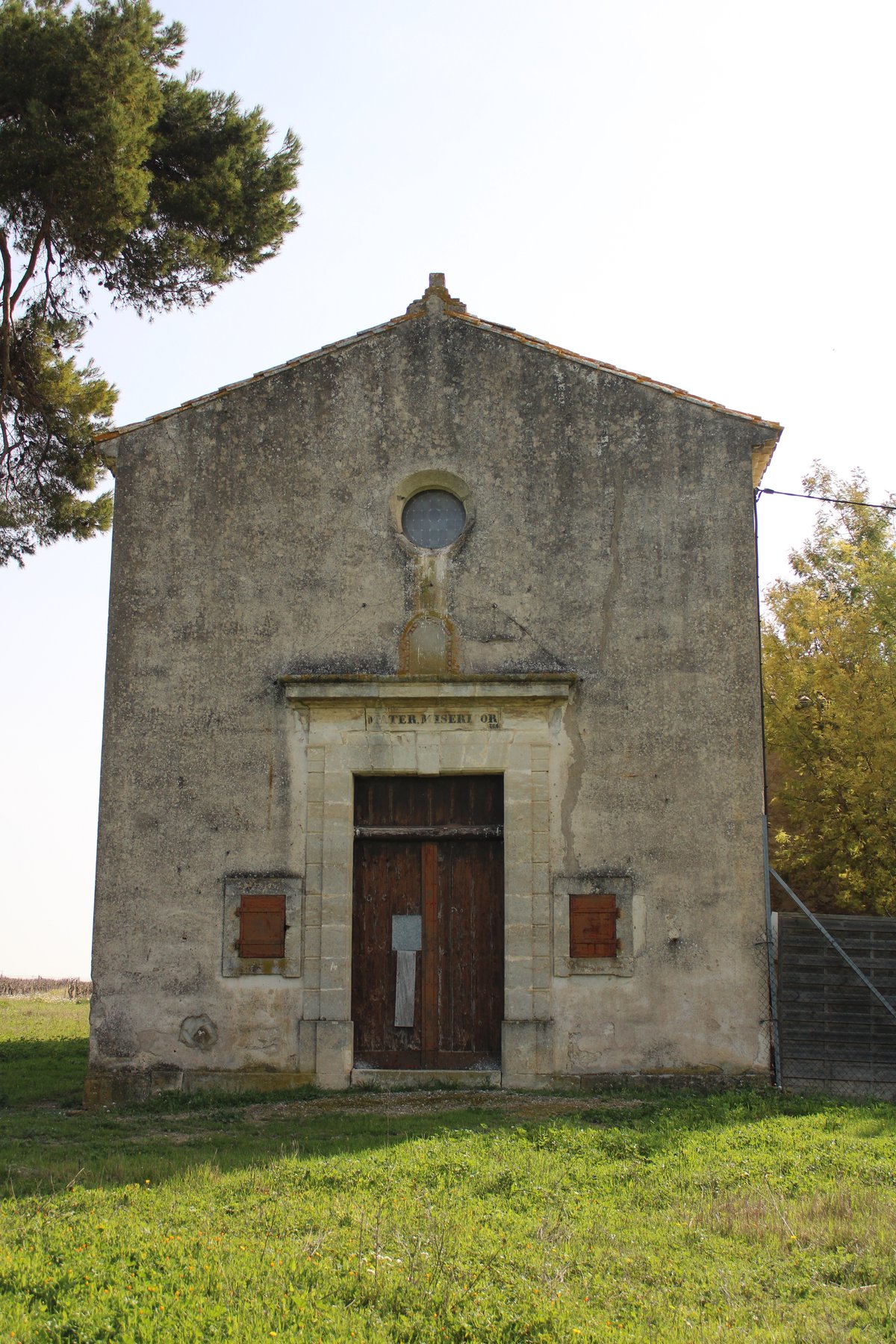

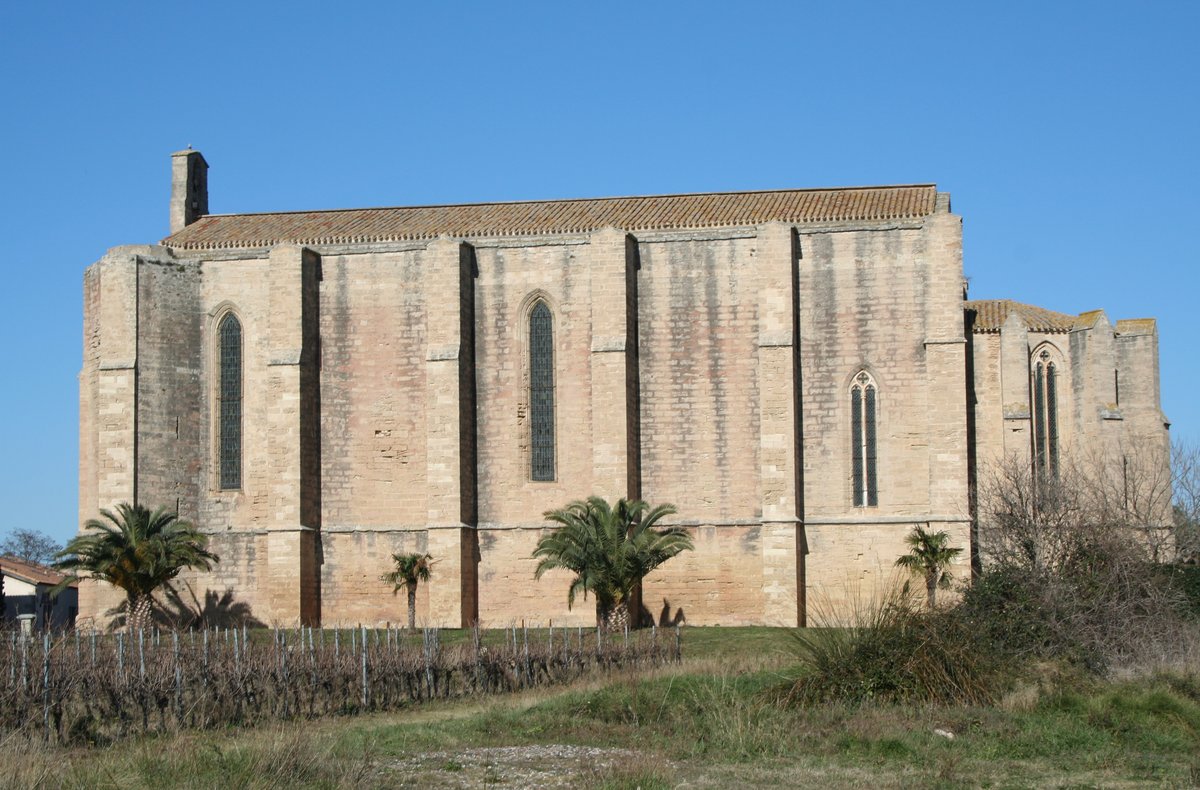
Isolated in the middle of fields and vines, northeast of the village of Nissan-lez-Enserune, lies Chapelle Notre-Dame-de-la-Miséricorde. This chapel is of Visigothic origin, with a history that begins on a site occupied during antiquity by a Roman villa founded by a colon named Fulpius. In 1943, a Visigothic iron sword was discovered in the surrounding fields and is now preserved in the museum of Nissan.
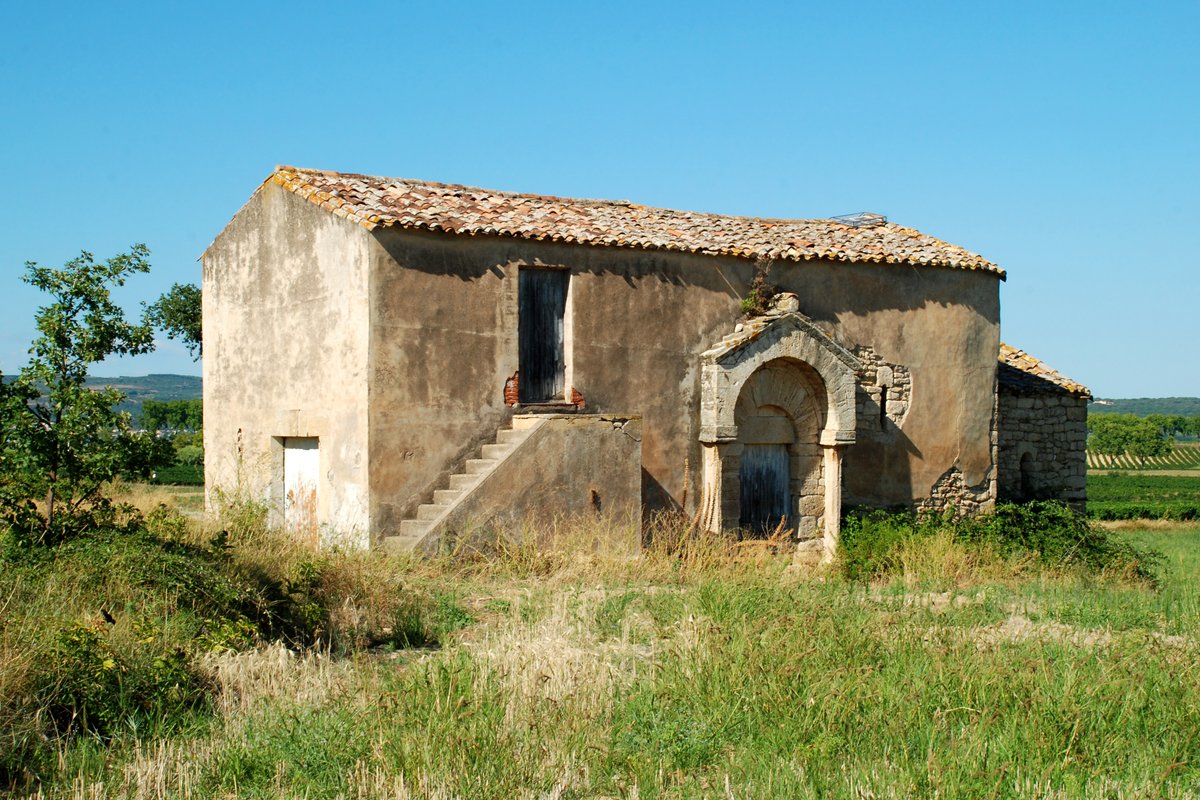
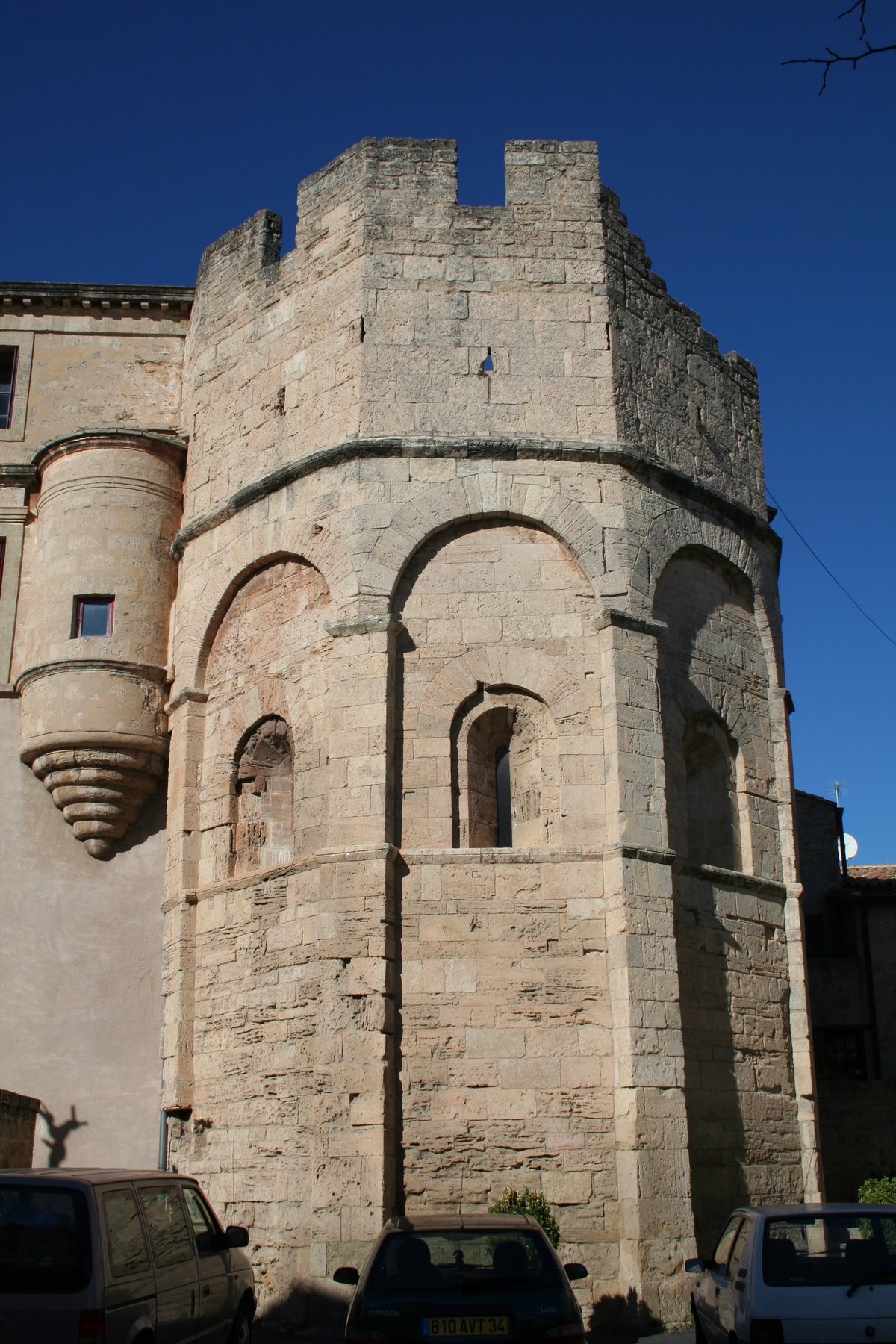
The chapel as it stands today was constructed in several stages. Perhaps in the 6th century, a small Visigothic chapel with a square chevet was built, reusing Roman stones for the foundations and cornerstones. During the Romanesque period, the north wall, the upper part of the south wall, and the south-facing door were rebuilt, featuring a Lombard style frieze.
Partially destroyed by the wars of religion, the chapel was restored in the 17th century, at which time a dwelling for a hermit guardian was added. In the 19th century, a raising of the structure brought the nave and the chevet to the same level, and the building was enlarged towards the west. In 1974, the demolition of a sacristy revealed the Visigothic chevet and a Romanesque apse window. The commune of Nissan-lez-Enserune owns the chapel, which has been listed as a historical monument since December 28, 1981.
Sources: Wikipedia, OpenStreetMap, Wikidata, Wikimedia Commons
Written by Nicolo Ciampini
Discuss this with the author and others
No comments yet. Be the first to start the conversation.