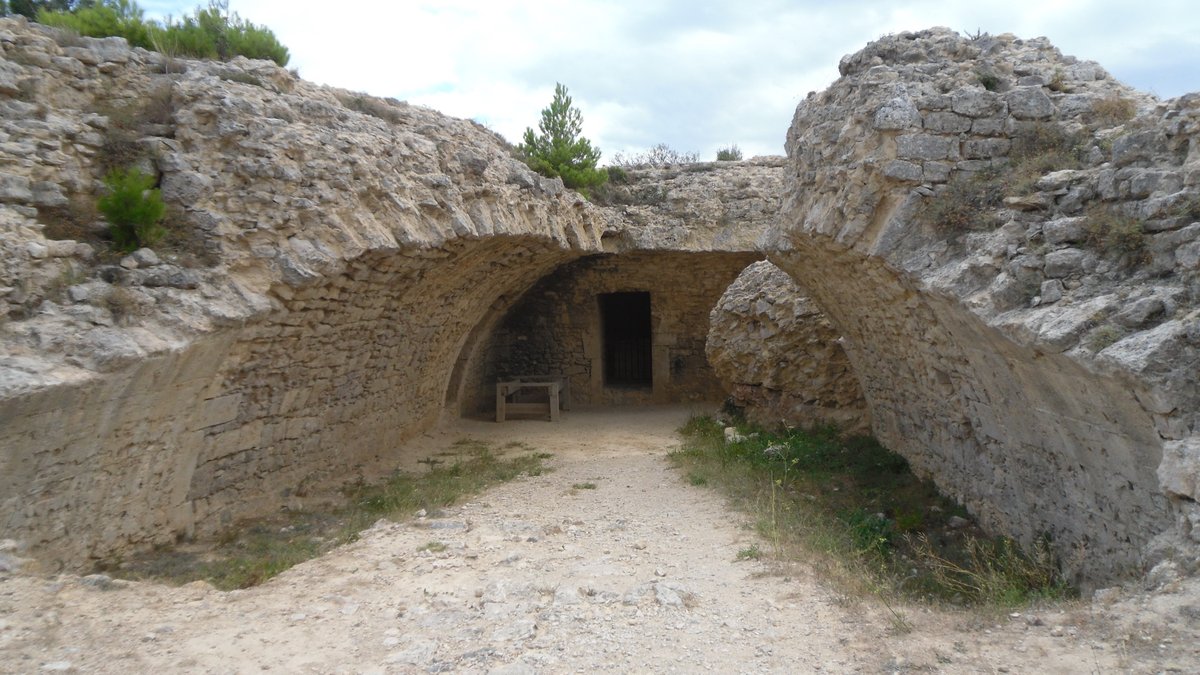

Fort de Leucate, situated in Leucate, France, dates back to the Middle Ages. It initially served as a border town between two kingdoms, and its fort began as a simple wooden donjon, later rebuilt in stone. A second stone wall was added in the 13th century. The most significant evolution of the fort occurred during the early 16th century during the Renaissance. Influenced by Italian architects like Leonardo da Vinci, the fort's architecture revolutionized the fortification strategies of Europe, and it became the first prototype of a bastioned fort. The Treaty of the Pyrenees, signed in 1659, ended border disputes and reduced the fort's strategic value, leading to its demolition in 1665 due to high maintenance costs.
Sources: Wikipedia, OpenStreetMap, Wikidata, Wikimedia Commons
Written by Nicolo Ciampini
Discuss this with the author and others
No comments yet. Be the first to start the conversation.