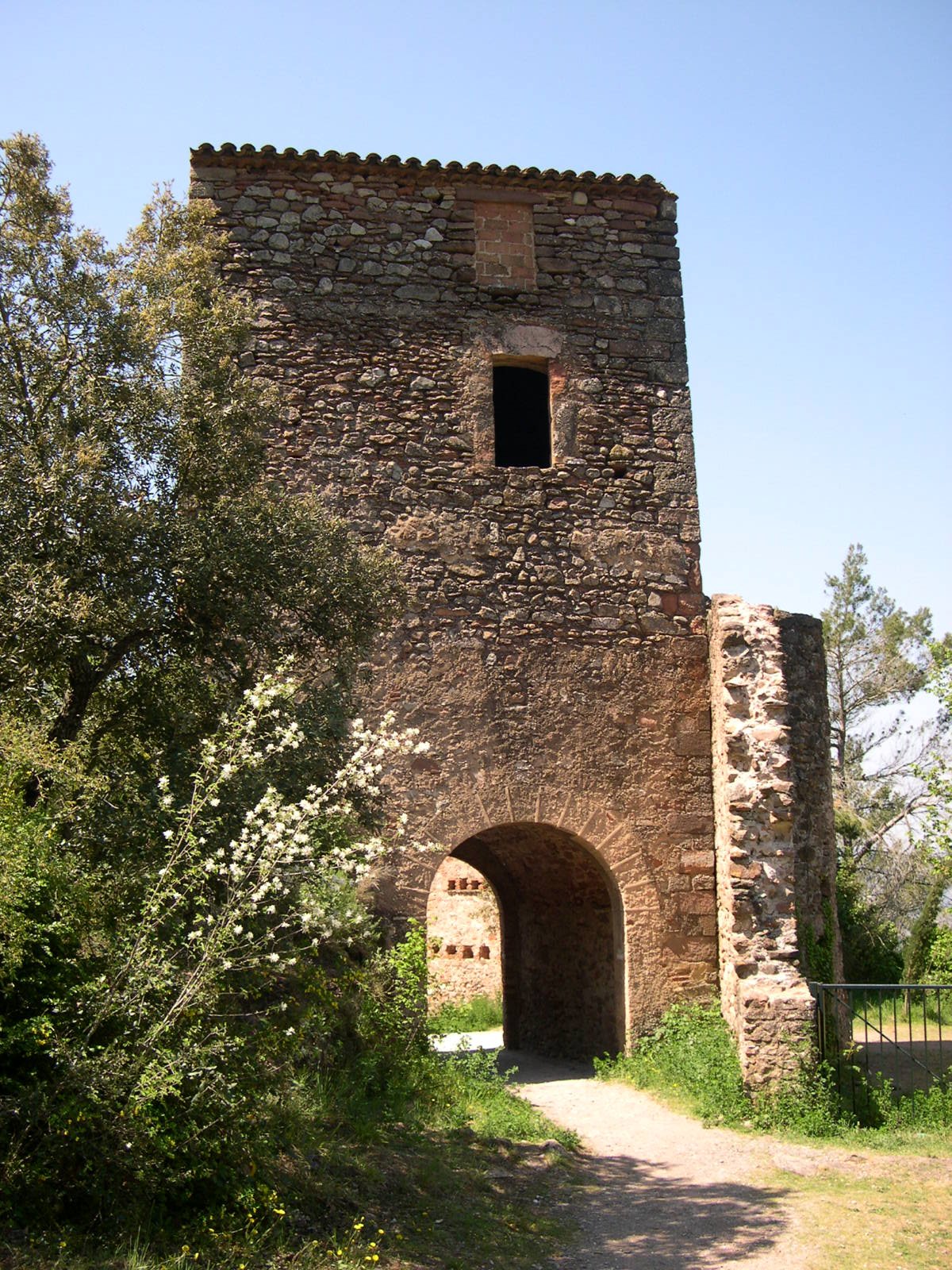

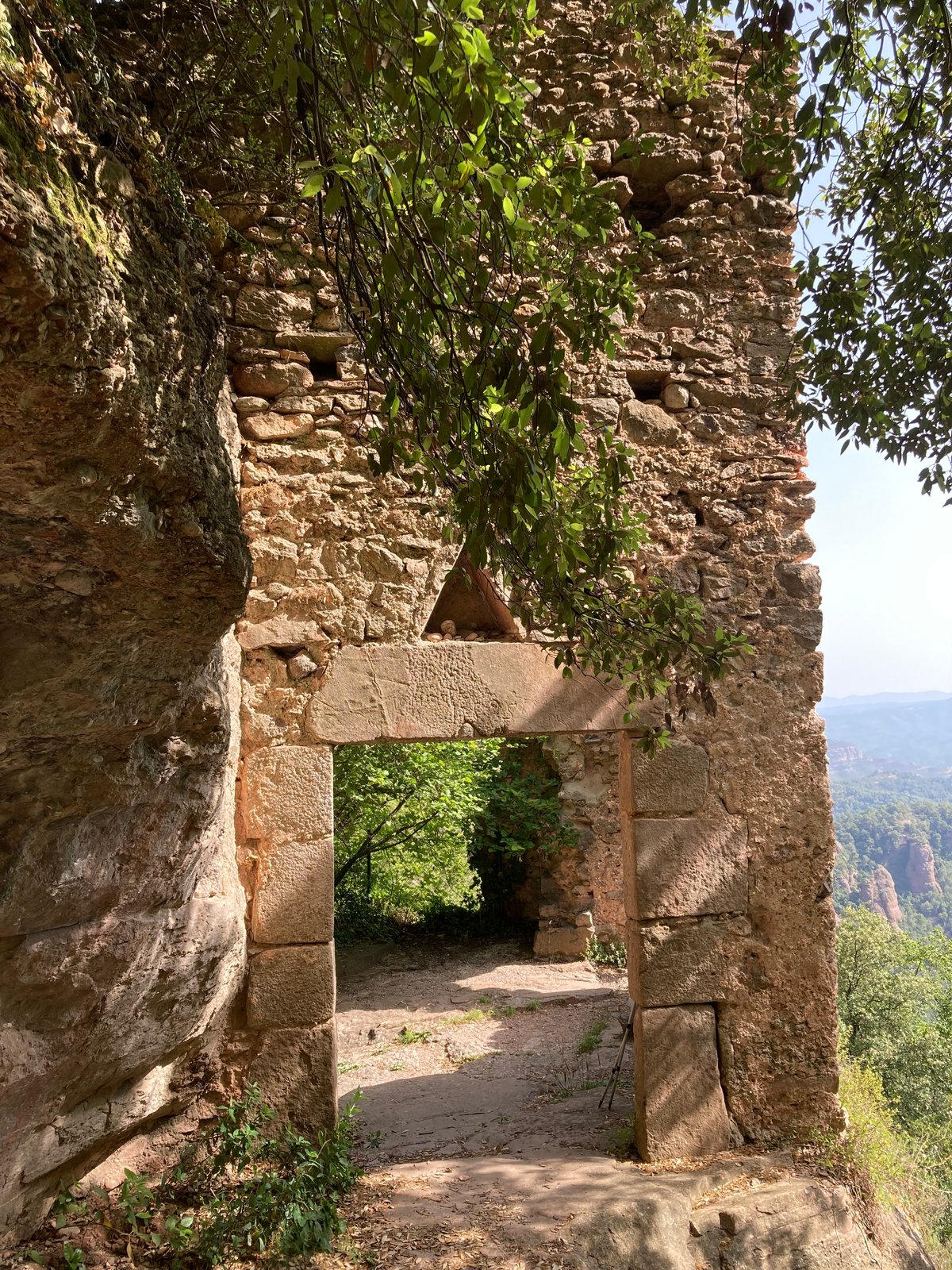
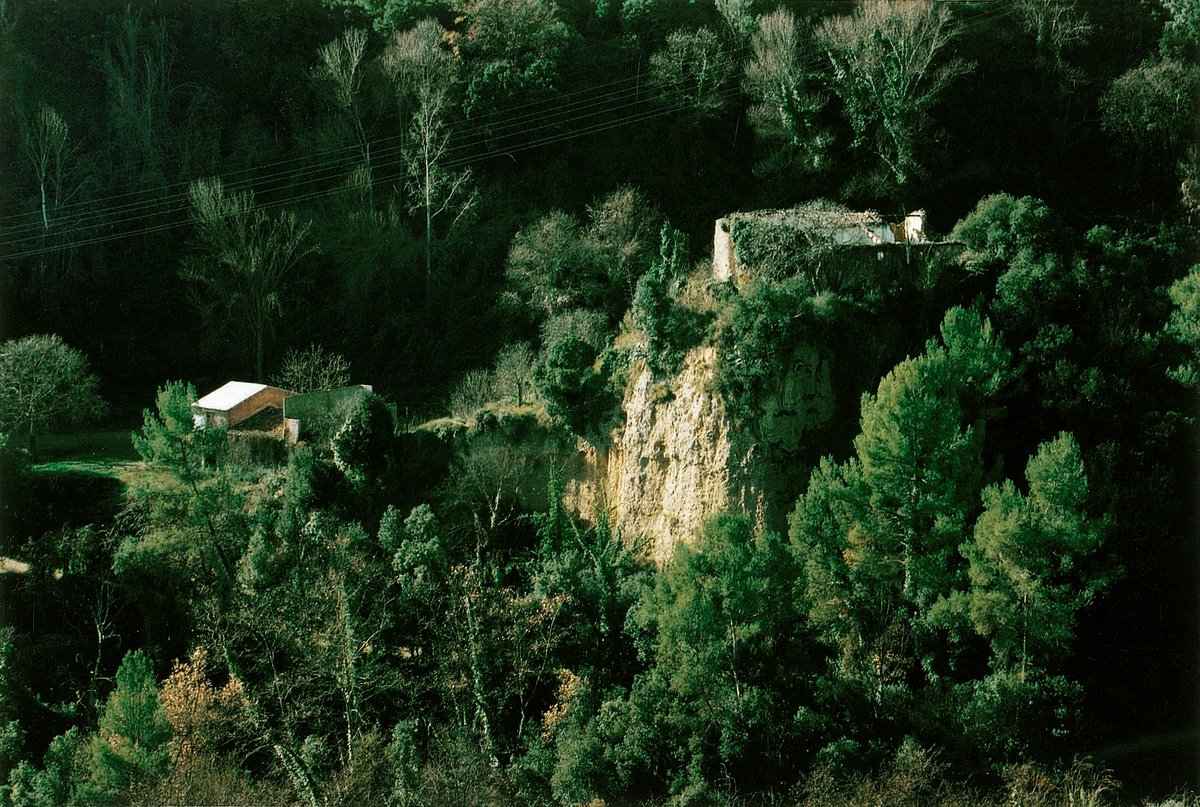
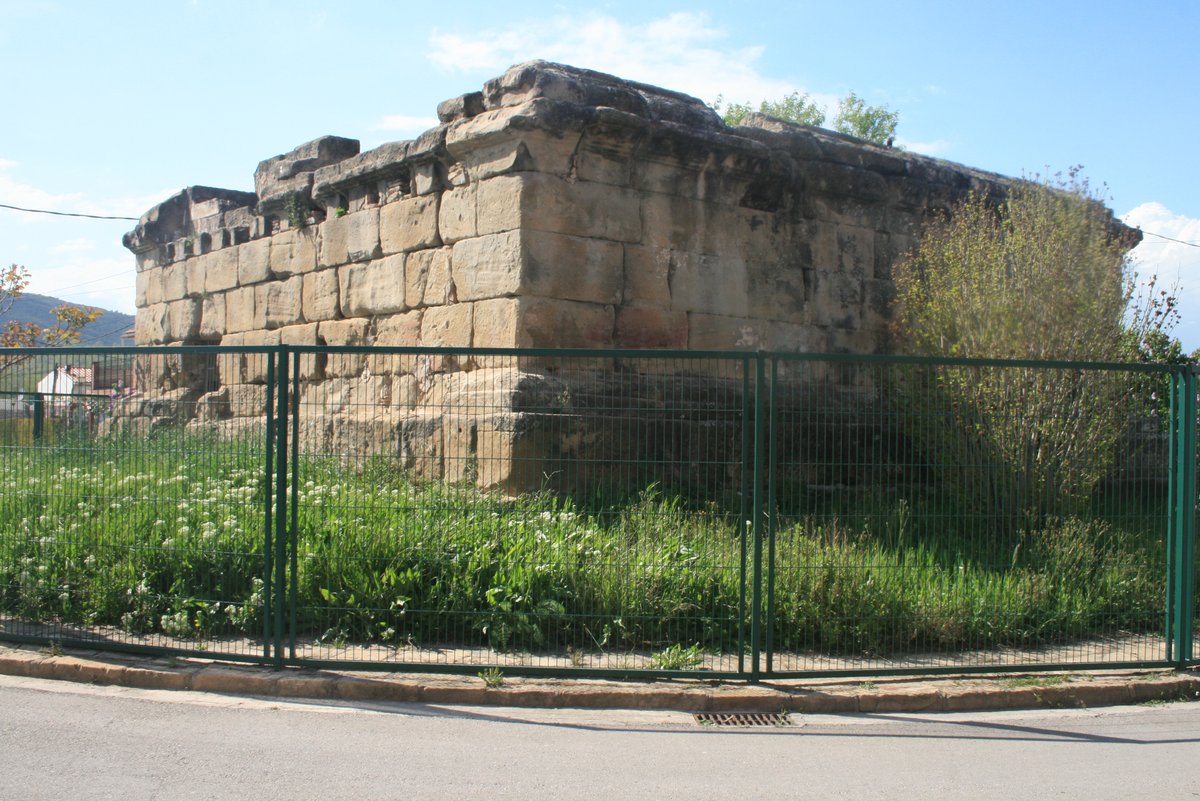
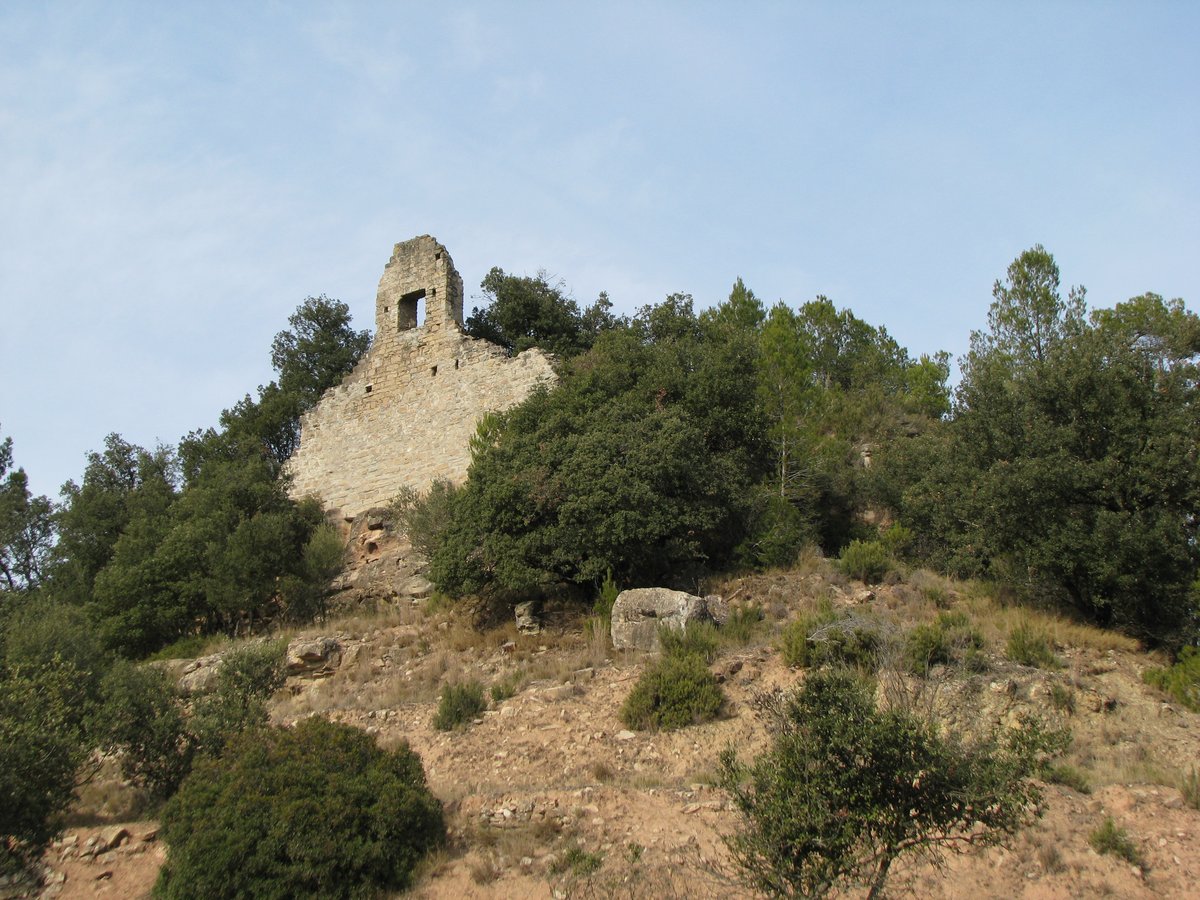
The ruins of Casa Vella de l'Obac in Vacarisses consist of a rectangular tower, a chapel, and several arches. The dimensions of the complex testify to the prosperity of the farmhouse, with the outermost structures dating back to the 18th century. During this period, the Ubach family specialized in wine production to take advantage of the open American brandy market.
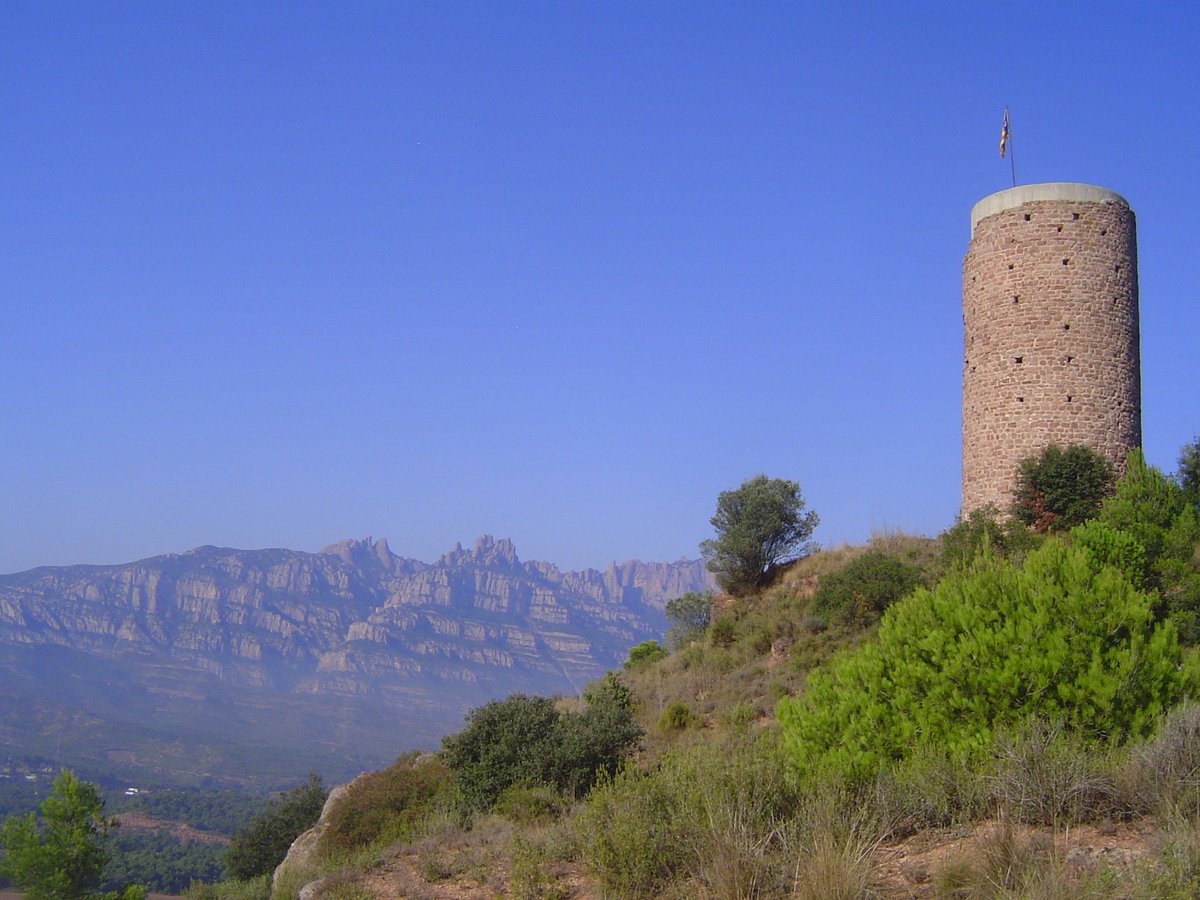
Historical clues suggest the site may have originated in the 12th century as a shelter for a fleeing family. The 18th-century expansion included a barn, a dovecote, and a defensive tower that formed a bridge with the Correu Reial path. This era of prosperity ended in 1811 when Napoleonic troops burned the farmhouse in retaliation for its support of retreating Catalan forces. After being rebuilt, the house suffered a second fire at the hands of the Carlists in 1836 and was eventually abandoned.
Nearby in a shaded woodland lies the Pou de glaç de l'Obac Vell. Constructed in 1760 by Antoni Ubach, the ice house features a semi-spherical stone dome covering a conical hole about six metres deep. This design created an internal air chamber to prevent humidity from damaging the ice. The facility was part of a system that provided ice to nearby areas, and it was eventually restored by the Diputació de Barcelona in 1990.
Located within the Natural Park of Sant Llorenç del Munt i la serra de l'Obac, the ice house is accessible on foot from the road between Mura and Vacarisses. Both the farmhouse ruins and the ice house are protected as local cultural heritage sites.
Sources: Wikipedia, OpenStreetMap, Wikidata, Wikimedia Commons
Written by Nik Frost
Discuss this with the author and others
No comments yet. Be the first to start the conversation.