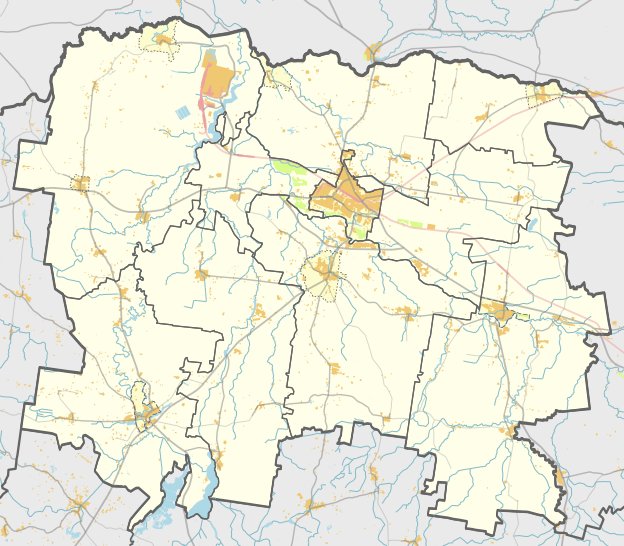

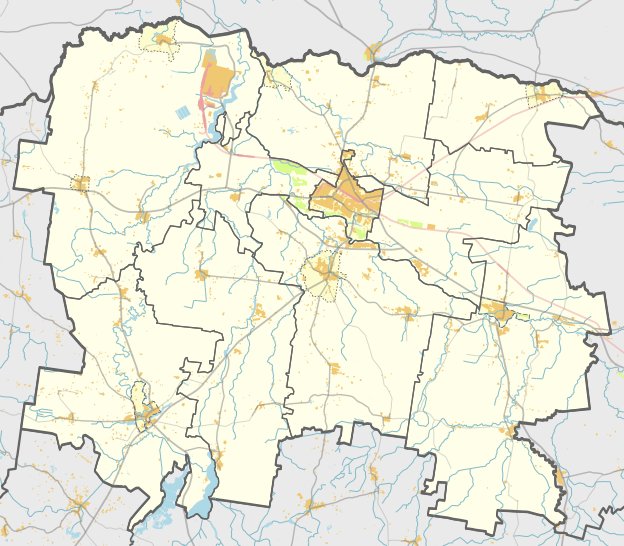
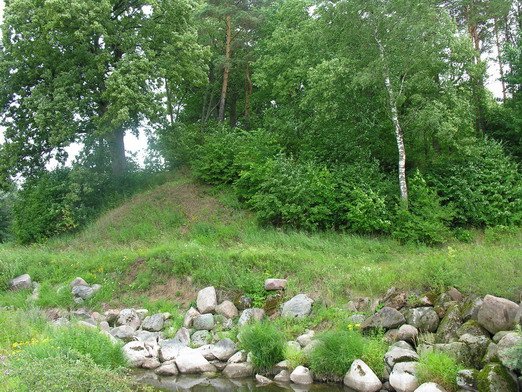
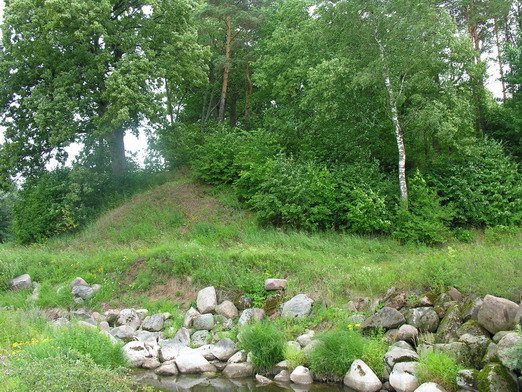
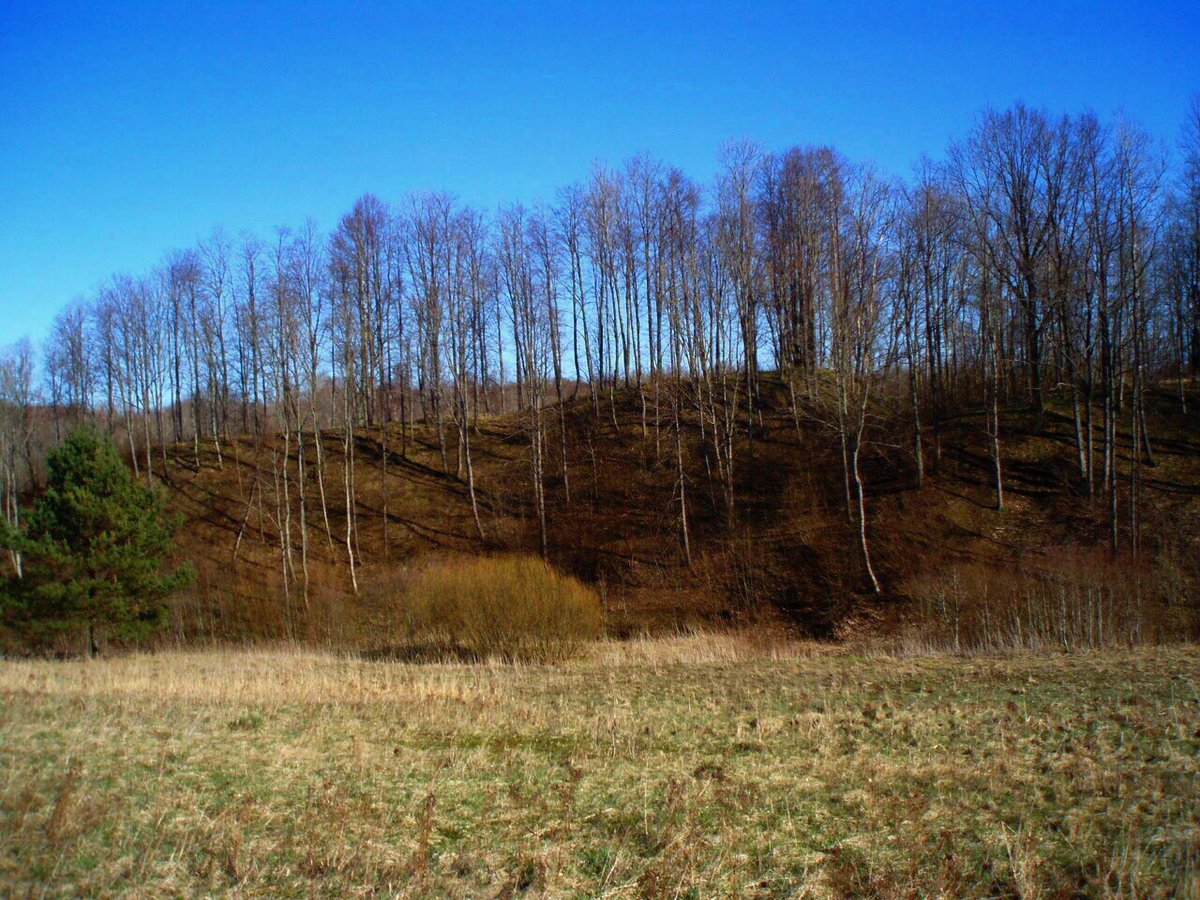
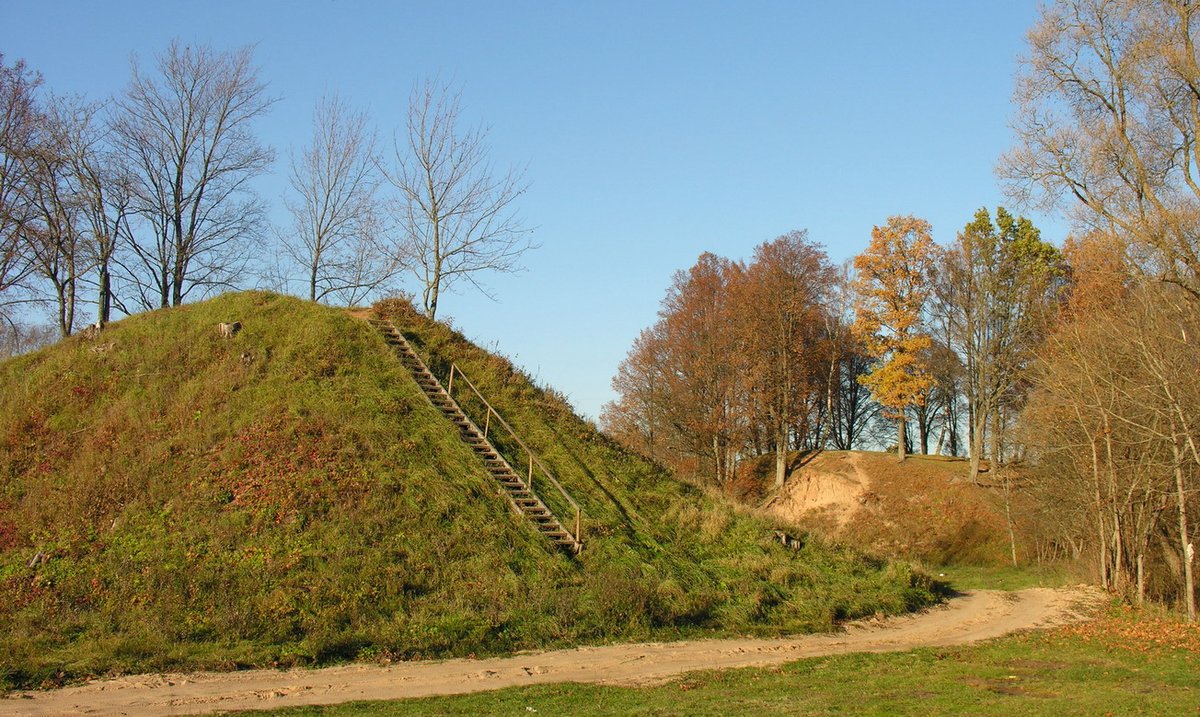
Researchers at Dapšių discovered that the rampart was reinforced or repaired roughly ten times throughout the first millennium. This hillfort, also known as Alkos kalnas, served as a fortified home until the 13th century. It is situated at a junction of rivers, one of which is now covered by the Varduva pond.
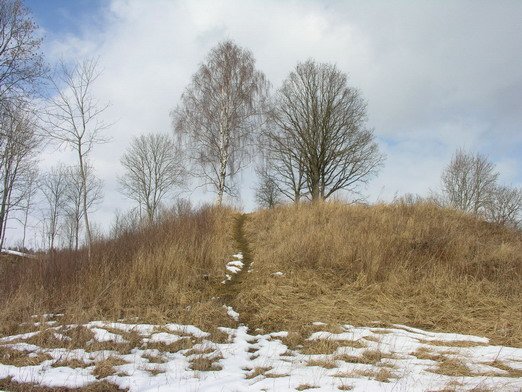
The site features a primary courtyard and a smaller forecourt area. The forecourt was reconstructed three or four times, with newer ramparts being carved out to expand the protection. The slopes of the hillfort and forecourt stand 14 to 15 meters high.
Excavations during the 1970s yielded pottery, iron axes, and bronze jewelry. Researchers also unearthed house remains with open hearths and evidence of wooden walls. The findings included pots with grooved surfaces and animal bones, as well as stone floors used to reinforce the defensive walls.
Old gravestones from 19th-century cemeteries still sit on the terraces. These graves were located on the northern slope of the hillfort, where a small wooden chapel once stood. Some of the graves remain in the courtyard, marked by a stone headstone dated 1908.
Sources: Wikipedia, OpenStreetMap, Wikidata, Wikimedia Commons
Written by Nicolo Ciampini
Discuss this with the author and others
No comments yet. Be the first to start the conversation.