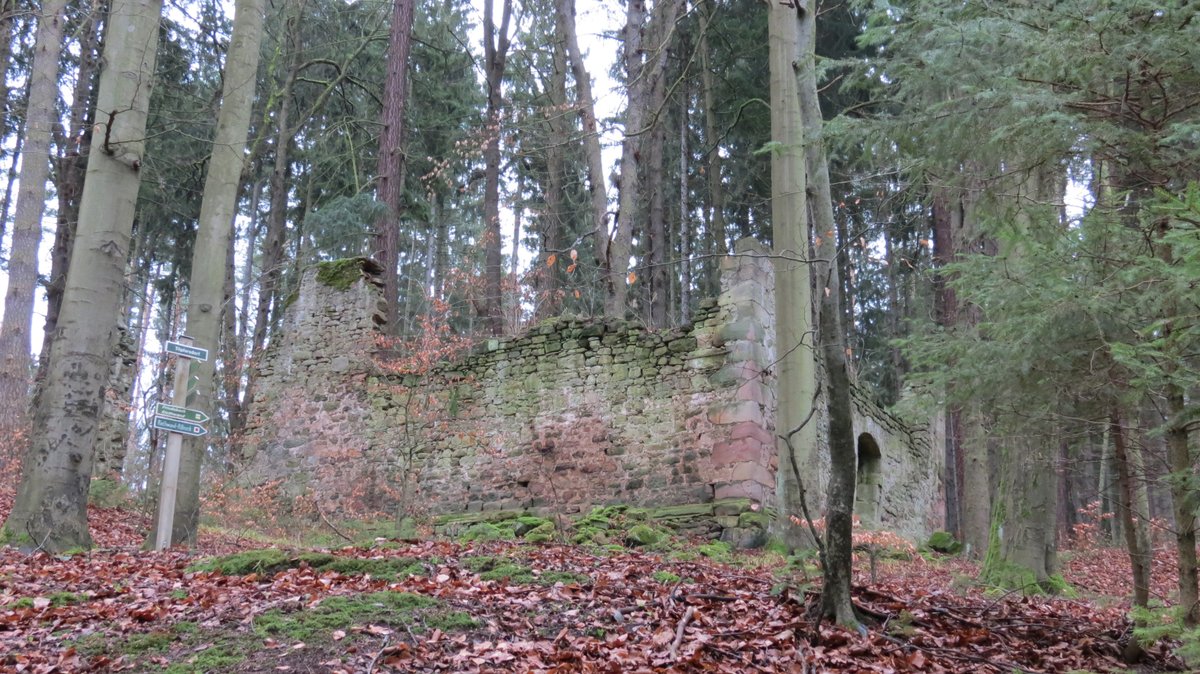
Töpfersdorf is a ghost of a village, a wüstung swallowed by the woods of the Uhlstädter Heide. To find it, you have to look south of the Saale river, where the forest hides the remains of a settlement that stopped breathing centuries ago. It was a place of frequent abandonment, a village that seemed to doubt its own permanence.
The history of the site dates back to the 12th century. It was held as a fief by the Lobdeburgers from the Abbot of Saalfeld, but the community remained fragile. By the 16th century, the village had shrunk so significantly that only two houses remained inhabited, kept alive merely to oversee the surrounding fields. The church, first recorded in the 15th century, sat outside the village center, a lonely structure in a thinning crowd.
In 1688, a local man named Christoph von Kropff zu Zeutsch tried to repurpose the church into a barn. He failed. The Lords of Eichenberg blocked him, citing church fief laws that kept the building from becoming a farm structure. This legal stalemate preserved the ruin even as the rest of the village faded. The last family finally packed their belongings and moved away in 1850, leaving the stones to the trees.
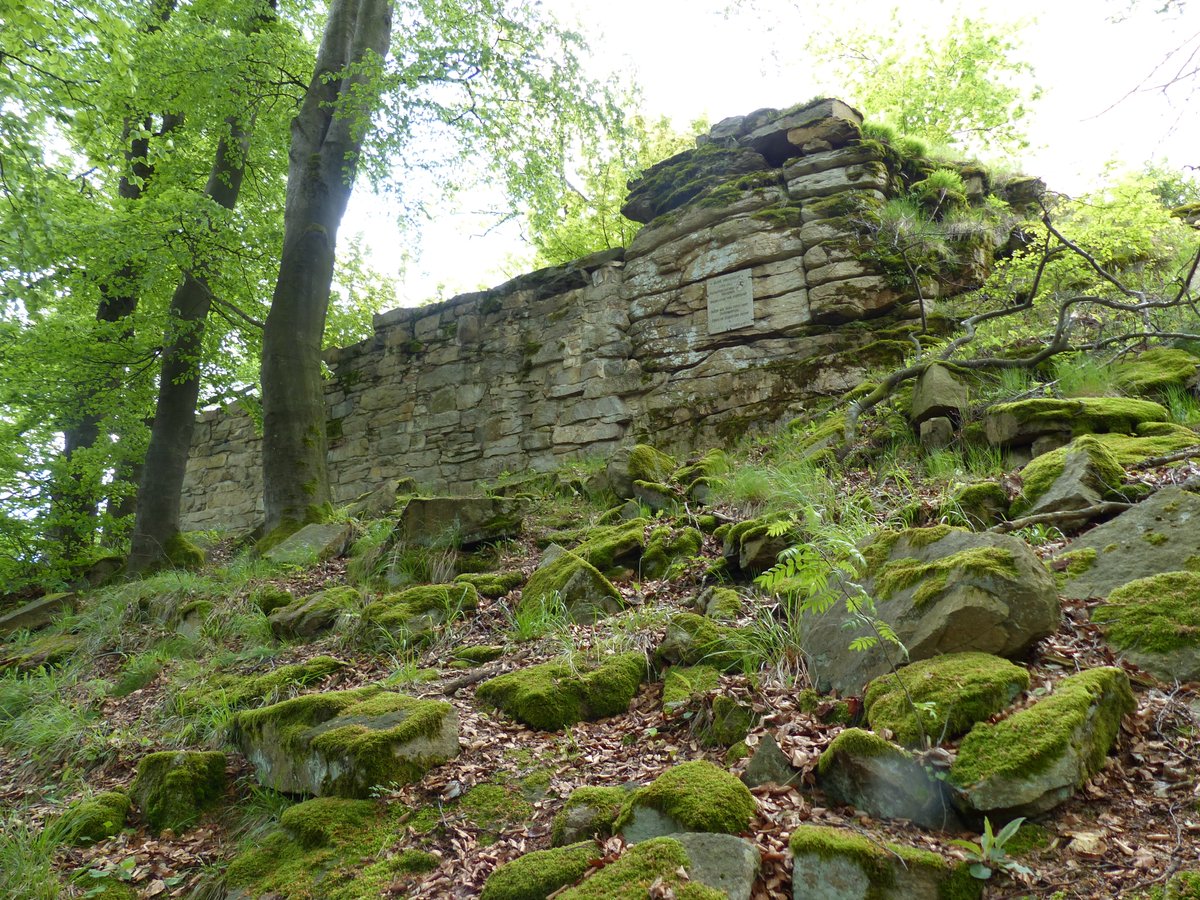
Today, the forest is the only neighbor. You can still see the masonry of a well and the foundations of several houses rising from the grass. The church walls stand up to four meters high, showing the remains of its 23.50-meter length and 9-meter width. Even in its decay, the artfully designed pointed arch windows provide a glimpse of the village's former craftsmanship.
Sources: Wikipedia, OpenStreetMap, Wikidata, Wikimedia Commons


Written by Aurora
Discuss this with the author and others
No comments yet. Be the first to start the conversation.