
Every male member of the House of Reuss shared the same name: Heinrich. For centuries, the family lived by a chronological naming convention. Instead of unique monikers, sons were designated by a numbering sequence that began afresh with the first son born in each century. A prince born in one century might be Heinrich VIII, while his descendant in the next century would begin the count again as Heinrich I.
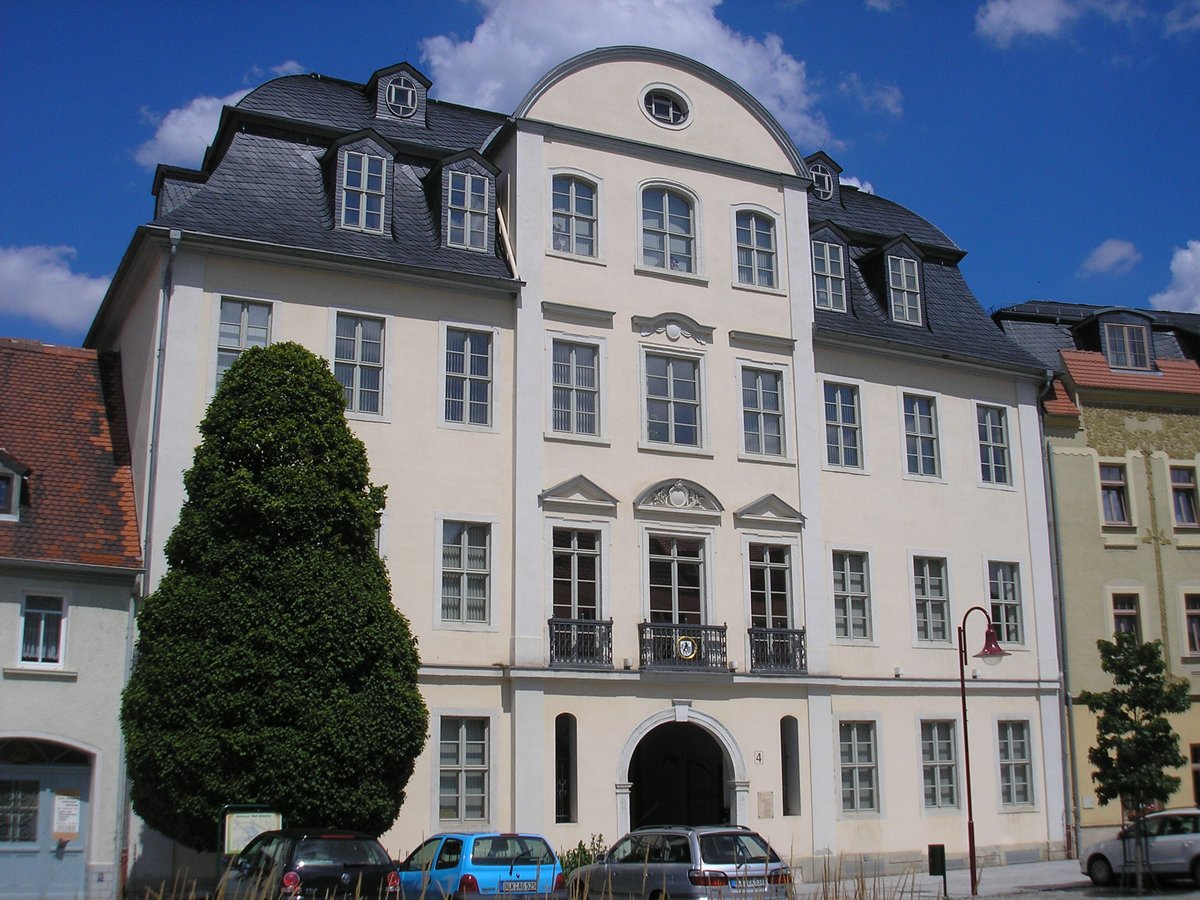
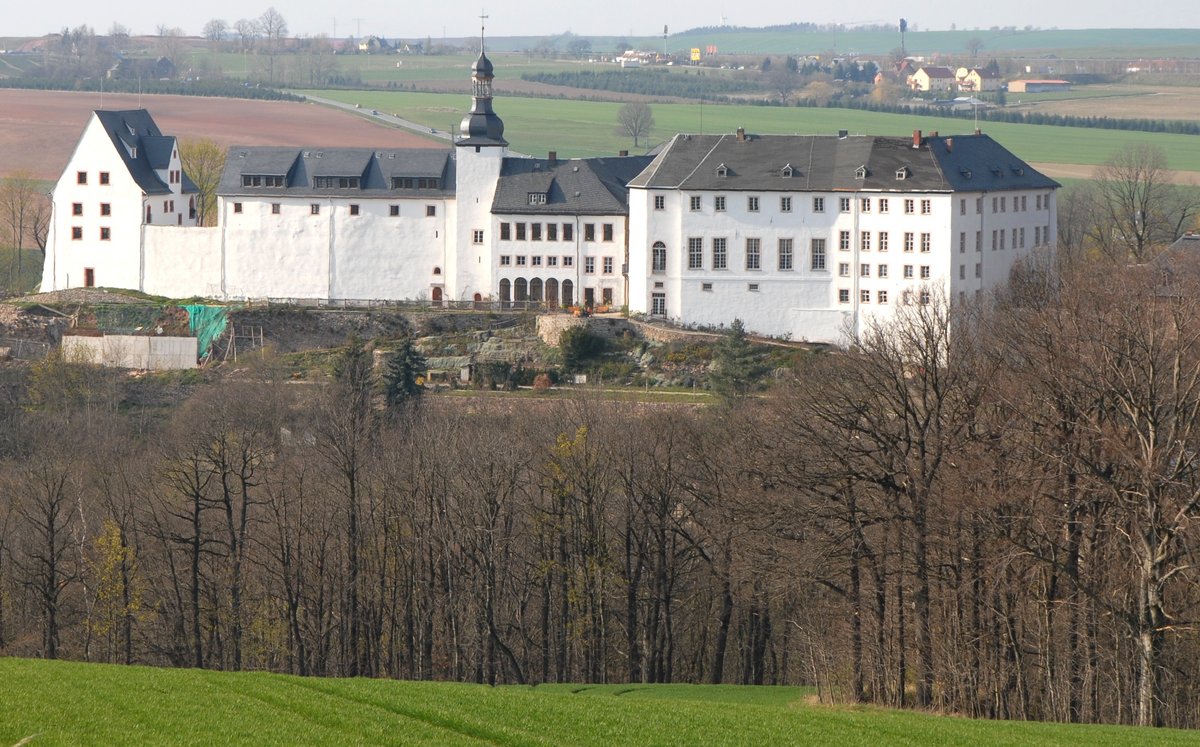
In 1806, the Counts Reuss were elevated to the title of prince (Fürst), and the House of Reuss ruled the Principality of Reuss Junior Line. The family rule was a complex web of branches, with capitals and residences scattered across Gera, Schleiz, Lobenstein, Köstritz, and Ebersdorf. By 1905, the Junior Line had consolidated its four separate branches into a single state of about 827 square kilometers, housing 145,000 people. Gera served as the capital, the heart of a miniature kingdom governed by these sequentially numbered Heinrichs.
The dynasty's social rules were as rigid as their naming habits. Marriage laws were strict, and for a long time, only marriages to other countesses were permitted. A notable complication arose with Prince Heinrich XXVI. When he married Countess Viktoria von Fürstenstein in 1885, their children were forbidden from bearing the princely title due to strict dynasty marriage rules. They were instead designated as Counts of Plauen, although they remained in the line of succession. This sub-line originated from a French notary from Martinique who served as foreign minister in Jerome Bonaparte's Kingdom of Westphalia.
The collapse of the German Empire after World War I marked a major shift. In 1919, the Junior Line merged with the Elder Line to form the People's State of Reuss, which became part of Thuringia on 1 May 1920. The house even permitted a high-profile marriage in 1992: Prince Heinrich Ruzzo of Reuss, Count of Plauen, married Anni-Frid Lyngstad, the former lead singer of the Swedish group ABBA. She took the titles of Princess Reuss and Countess of Plauen, a far cry from the century-old numbering system that once defined the family's identity.
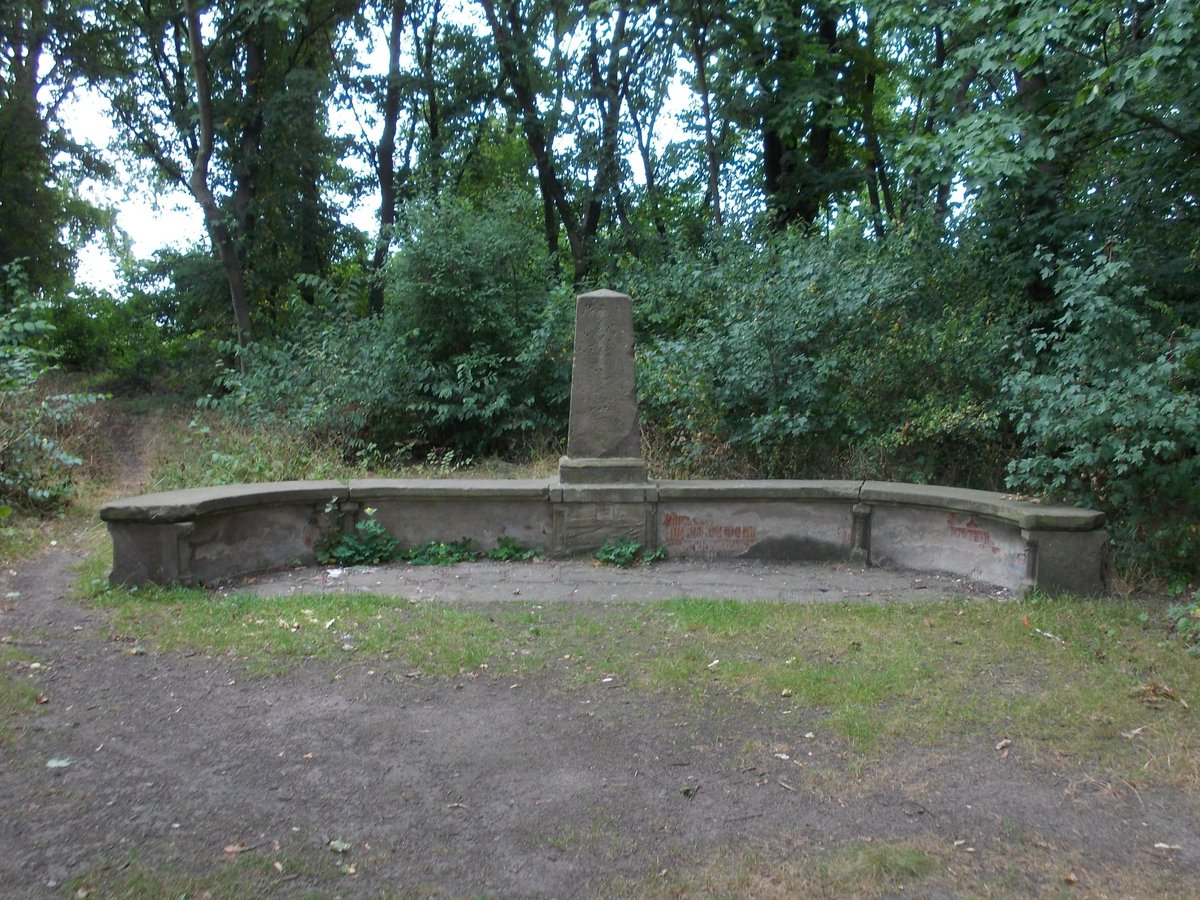
Today, the remnants of this history sit in the Thuringian landscape. The former capital of Gera remains a place where the old borders have faded into the modern map, but the records of the House of Reuss still hold the memories of a unique sovereign experiment. You can visit the sites of their old residences, where the counts and princes once governed their small corner of the world. The structured history of the Junior Line remains a curious footnote in German history - a story of numbers, titles, and a dynasty that lived by its own specific, repeating rhythm.
Sources: Wikipedia, OpenStreetMap, Wikidata, Wikimedia Commons



Written by Aurora
Discuss this with the author and others
No comments yet. Be the first to start the conversation.