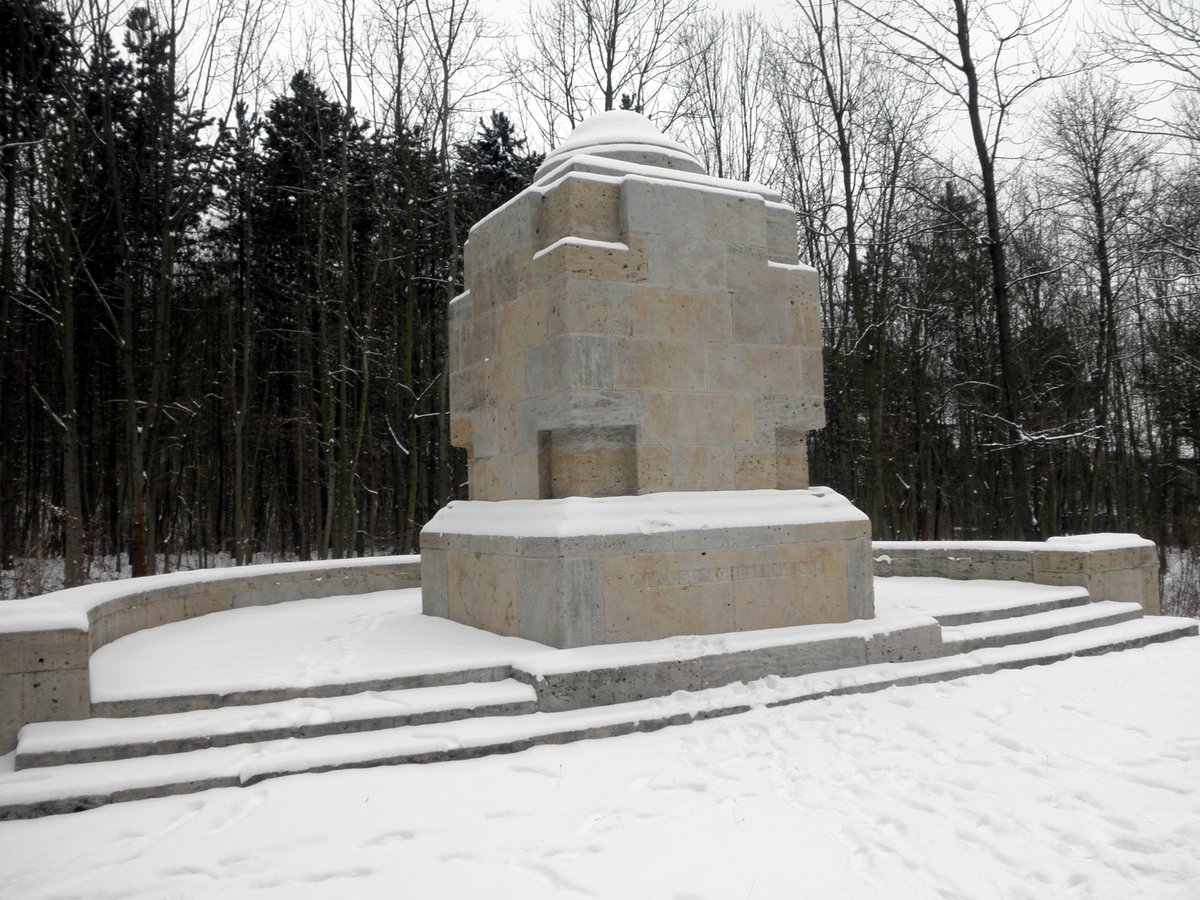
A limestone cube rises from the Landgrafen-Berg, its presence a quiet echo of a time when light carried the weight of war. It stands as a memorial to the German Blinker, the signalmen of the message corps who served in World War I. These men were tasked with a specific duty: transmitting military messages through blink signals using sight and precision.
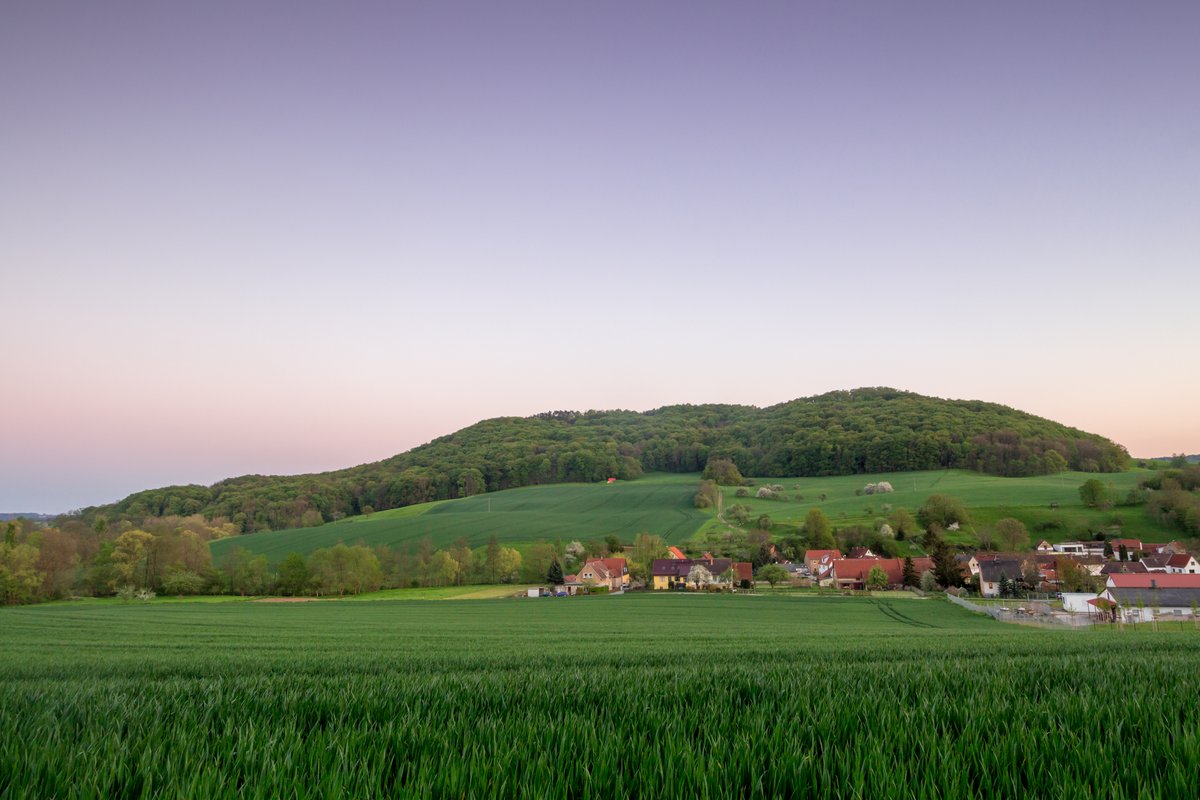
The Blinker received their training in Jena using Zeiss devices. To practice these skills, they utilized the high, barren ridge of the Landgrafen-Berg. This mountain, reaching 363 meters into the sky, offered a wide view of the surrounding territory, making it an ideal location for visual communication. The Blinker primarily hailed from Jena, Apolda, and the surrounding area.
In 1921, the local branch of the Bundes Deutscher Blinker gathered to dedicate a permanent site for their fallen comrades. They chose a structure of solid limestone, designed by the architectural office of Schreiter & Schlag and carved by the master mason Carl Gretscher. The original monument was a cube topped with an oversized steel helmet. It featured heavy Iron Crosses on its faces and was draped with oak leaves on its sides. The inscription was clear: "1914 – Unseren Helden – 1918. Die deutschen Blinker". On the day of the inauguration, 180 former signalmen gathered to hear patriotic speeches and the male choral singing of the Männergesangverein Jena while a clergyman offered a blessing.
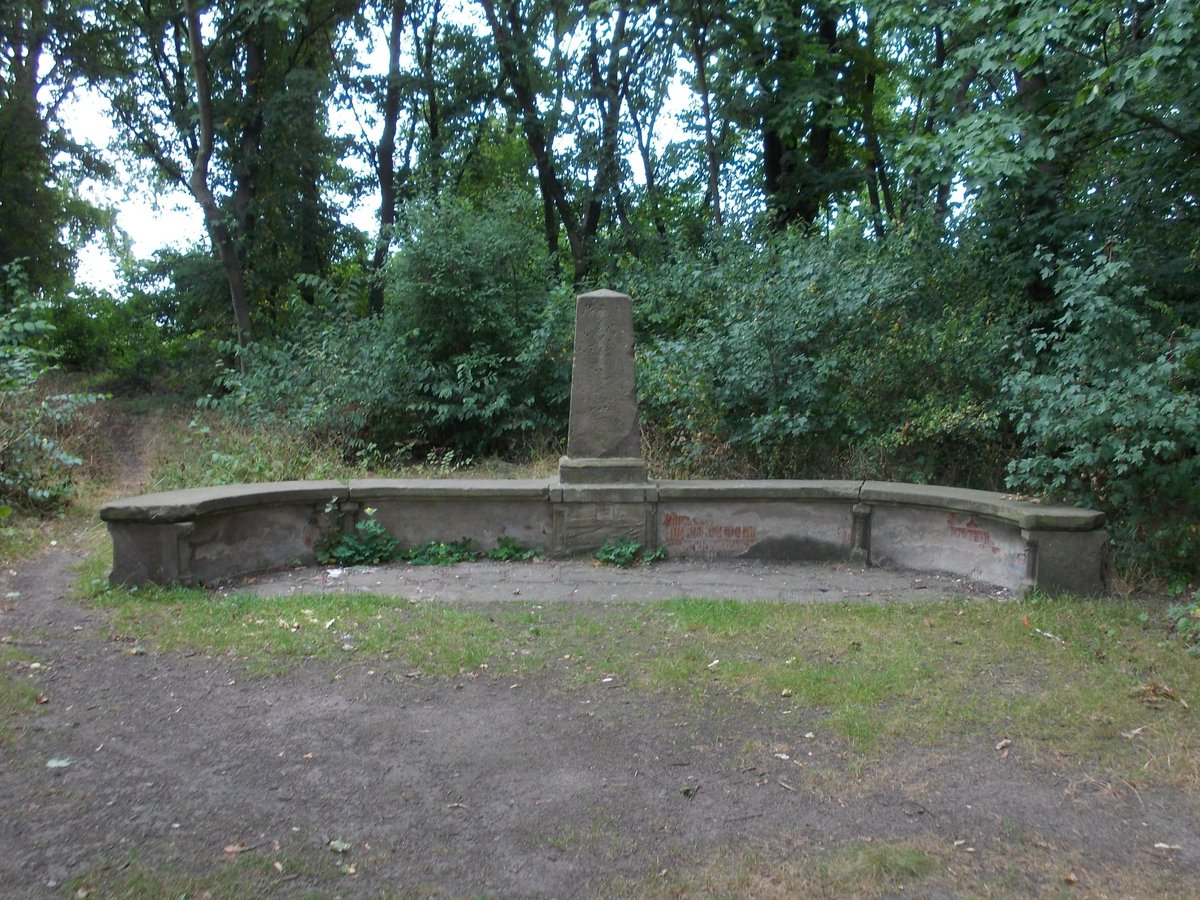
The decades that followed brought a period of silence and erosion. After 1945, the monument was demilitarized. The steel helmet, the Iron Crosses, and the oak leaves were stripped away. The inscription vanished. The stone block remained, located at the edge of a Soviet troop training ground. For years, it fell into decay and was overgrown with brush.
Restoration began in earnest in 2009, led by the Reservistenkameradschaft Jena with support from the city's Jenakultur enterprise. Work groups cleared the brush and debris, while a logistics battalion from Paderborn provided support. The stonemasonry firm Holger Schöne reconstructed the monument, but the design was tempered by modern sensibilities. They removed the old military symbols and replaced them with an understated inscription. For a time, it stood as a restored block of limestone, its history salvaged from the weeds.
Then came a return to the original aesthetic in 2021. After public discussions to ensure no impression of symbolic remilitarization was created, the monument was restored to its 1921 structural state. A new inscription, "1914 DEN GEFALLENEN 1918", was carved into the stone. A stylized steel helmet was added back to the top, featuring a signaling device modeled after the air traffic signaling device L Blink 17. Exactly one hundred years after its first dedication, the monument was rededicated, standing once again as a tribute to the men who served on the Landgrafen-Berg.
Sources: Wikipedia, OpenStreetMap, Wikidata, Wikimedia Commons


Written by Aurora
Discuss this with the author and others
No comments yet. Be the first to start the conversation.