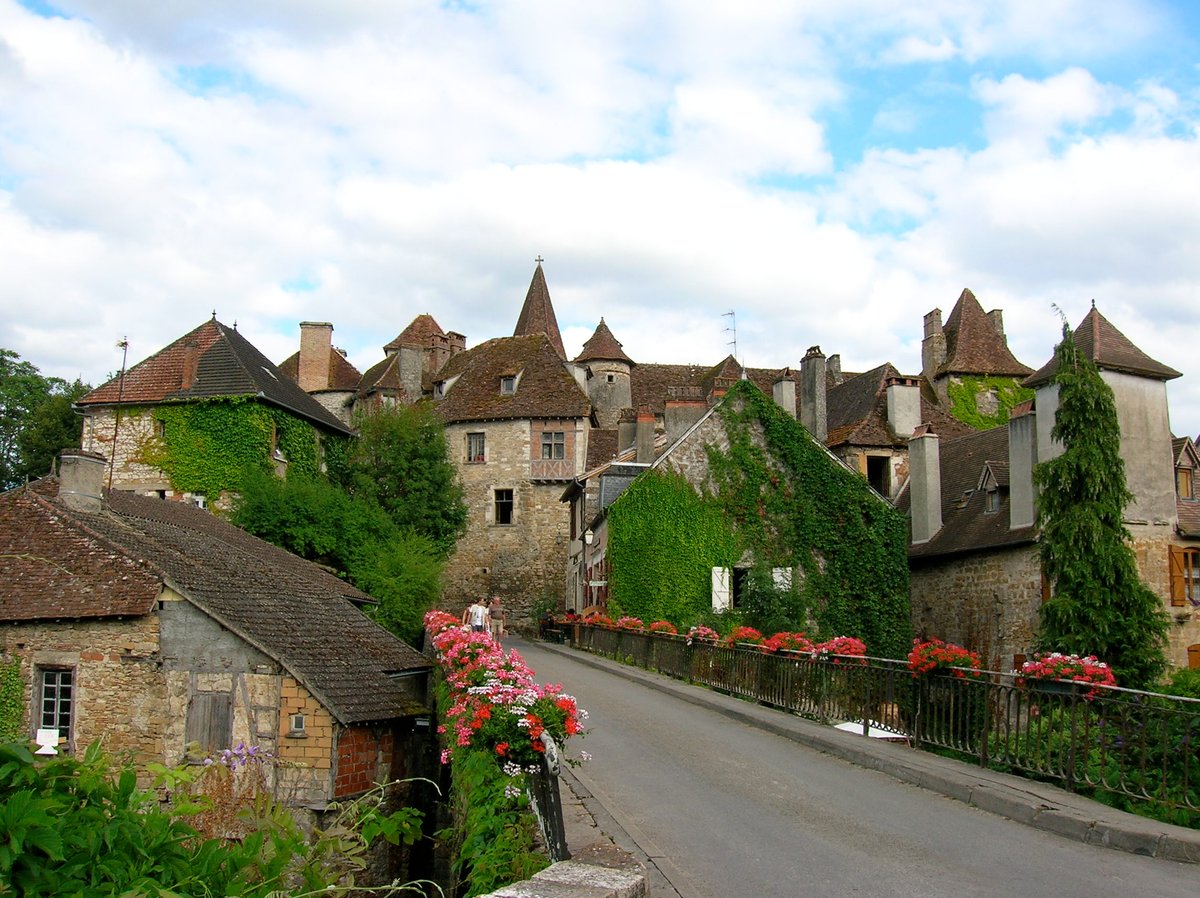

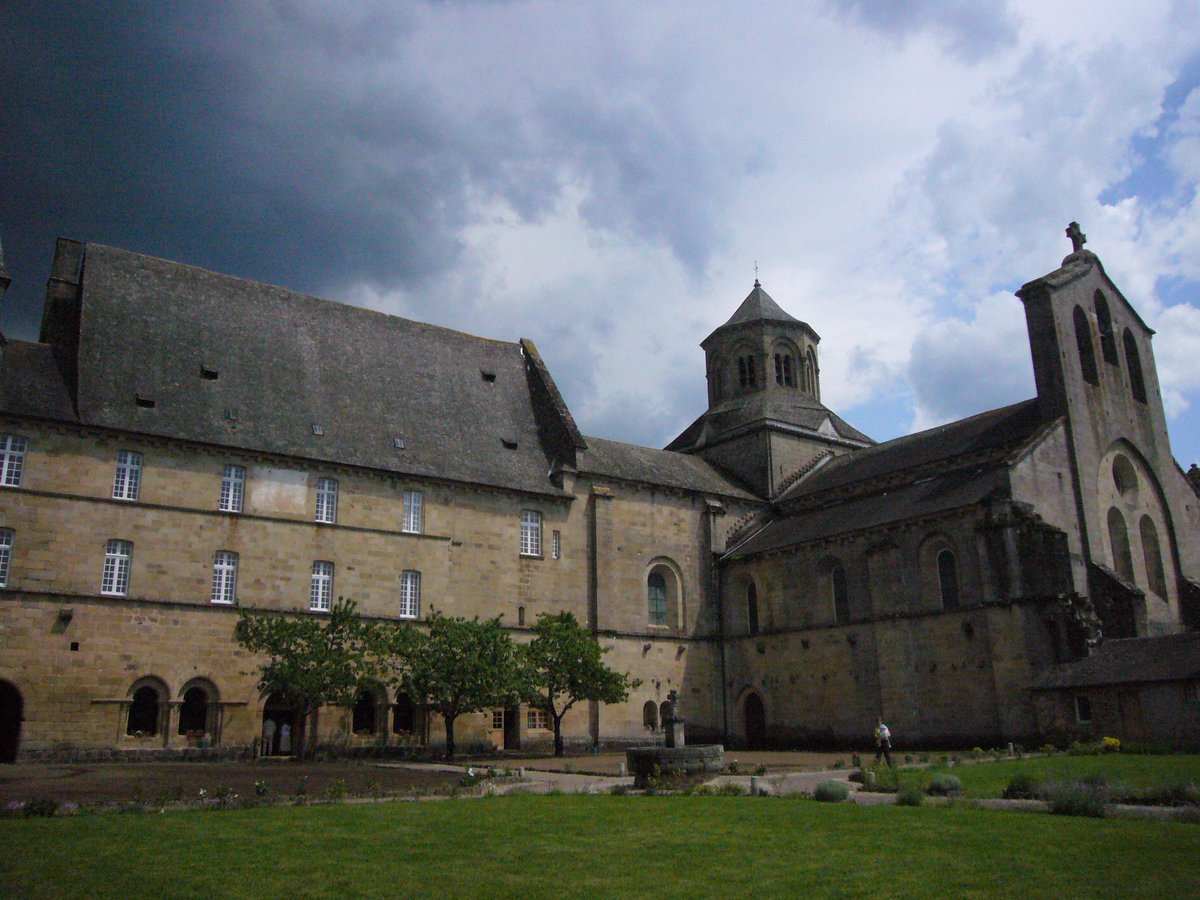
The village of Carennac developed from the eleventh century, following the foundation of a priory-deanery by the Order of Cluny. Nestled along the fortifications of the monastery, the village retains many aspects of the Middle Ages. Its landmarks include the Romanesque church of Saint-Pierre, which features a twelfth-century tympanum offering a symbolic vision of the end of time, and a cloister rebuilt in the fifteenth century that houses a sculpture of the Entombment.
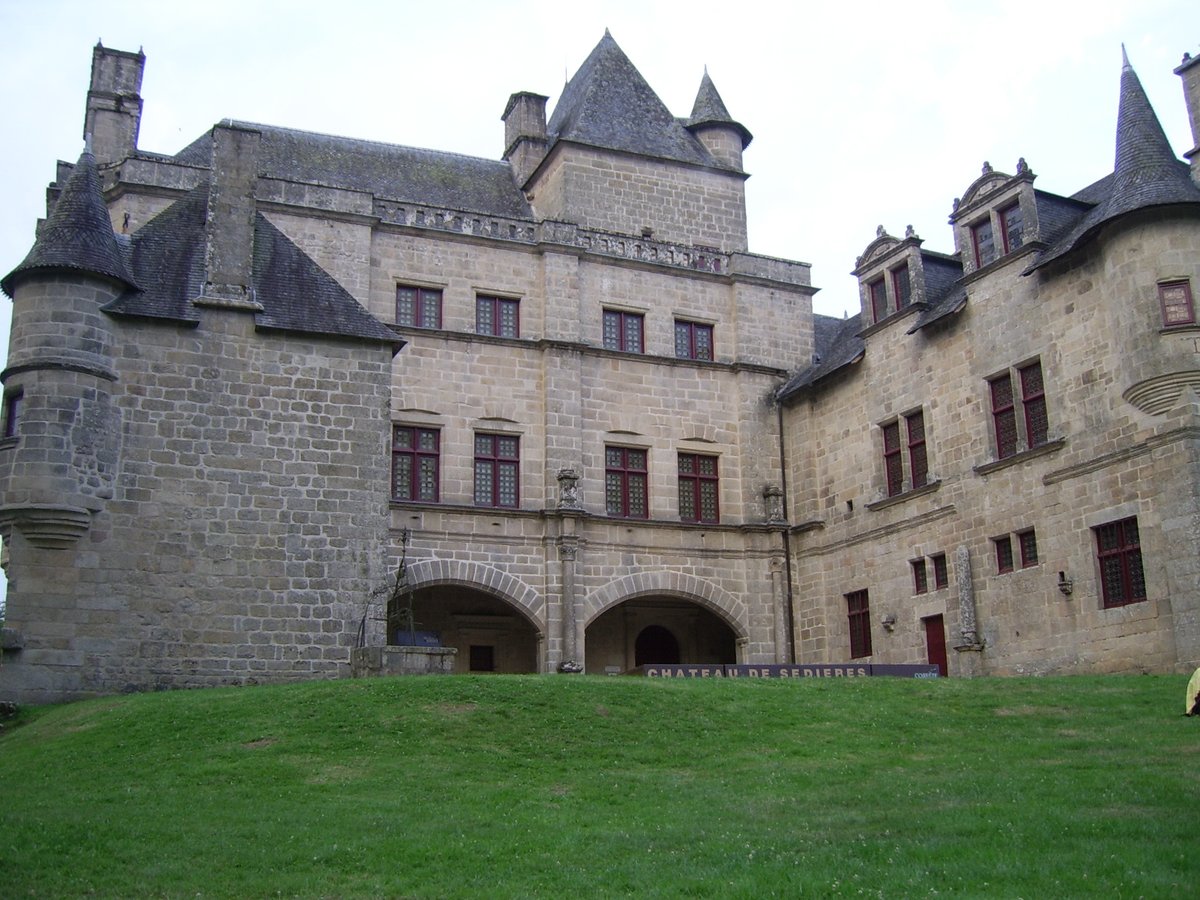
The complex endured significant hardships, including damage to the Romanesque cloister during the Hundred Years War and a sacking by Protestant forces in 1562. Despite these events, the site remained a center of importance. In the sixteenth century, the Château des Doyens was constructed as a prestigious dwelling for the dean. Built with a façade of white local stone and mullioned windows, the castle features a wide and imposing staircase and a ceremonial room with a seventeenth-century ceiling painted with foliage, flowers, and mythological subjects.
From 1681 to 1685, the deanery was occupied by François Fénelon, a future Archbishop of Cambrai and the author of Les Aventures de Télémaque. Today, the Château des Doyens serves as a heritage area for the land of art and history of the Dordogne valley, offering a permanent exhibition with free access. Visitors can also view parts of the fourteenth-century enclosure, the fortified gate, and the large walls that remain part of the historical complex.
Sources: Wikipedia, OpenStreetMap, Wikidata, Wikimedia Commons

Written by Nicolo Ciampini
Discuss this with the author and others
No comments yet. Be the first to start the conversation.