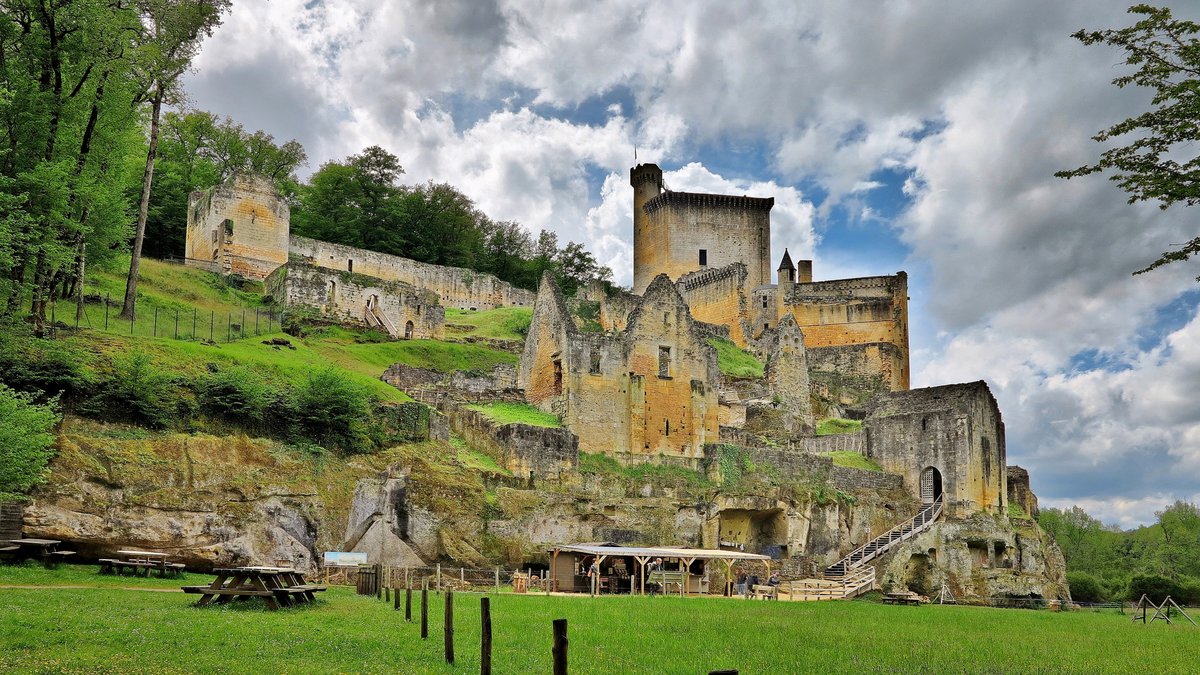

Located in the commune of Les Eyzies in the Dordogne department of southern France, the Château de Commarque sits on a rocky outcrop overlooking the river La Beune in the Vézère valley region. Was it meant to be a sanctuary or a cage? It was founded during the 12th century, or perhaps slightly before that, at the request of the abbots of Sarlat.
In those early days, was a wooden tower enough to keep the neighbors away? It was built to protect the abbey, discourage the ambitions of the Beynac family, and keep the valley safe. It sat at the crossroads of the roads from Périgueux to Cahors and from Brive-la-Gaillarde to Bergerac. After the Beynac family seized control, they swapped the wood for a stone keep that grew taller until the 18th century. What were they trying to hide behind those rising walls?
Did the castle enjoy the violence of the Hundred Years War? The English captured it for several years. Later, during the French Wars of Religion, the Catholics took it because the Beynacs were Protestant partisans. What happens to a fortress when it loses its purpose? It was abandoned in the 18th century and sat in decay until 1972, when Hubert de Commarque bought it.
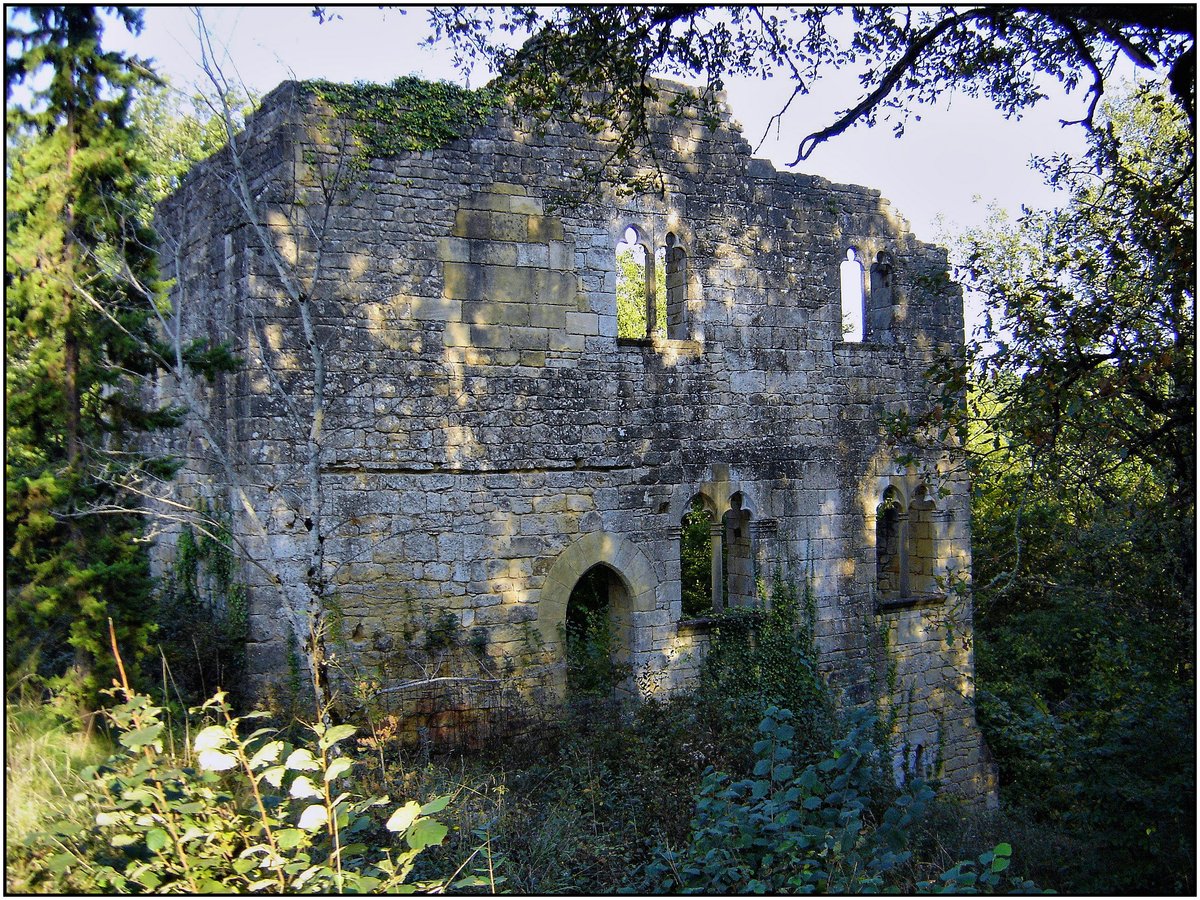
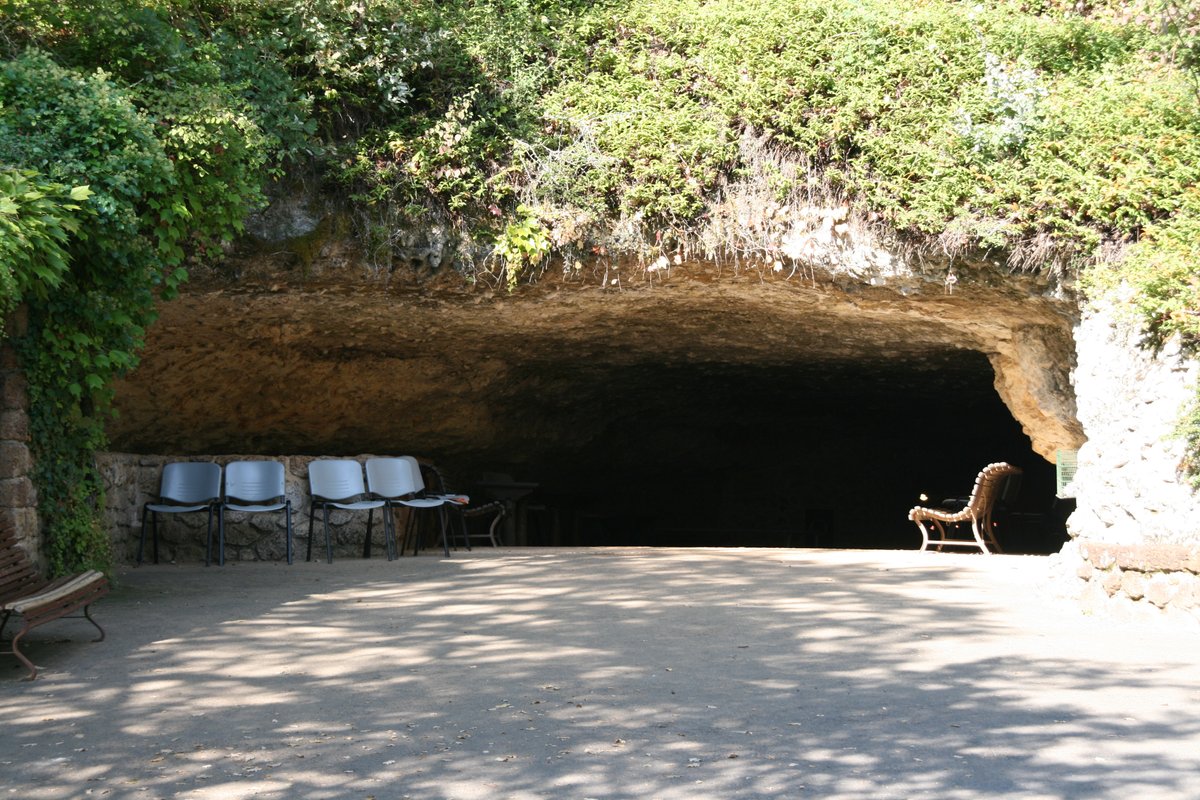
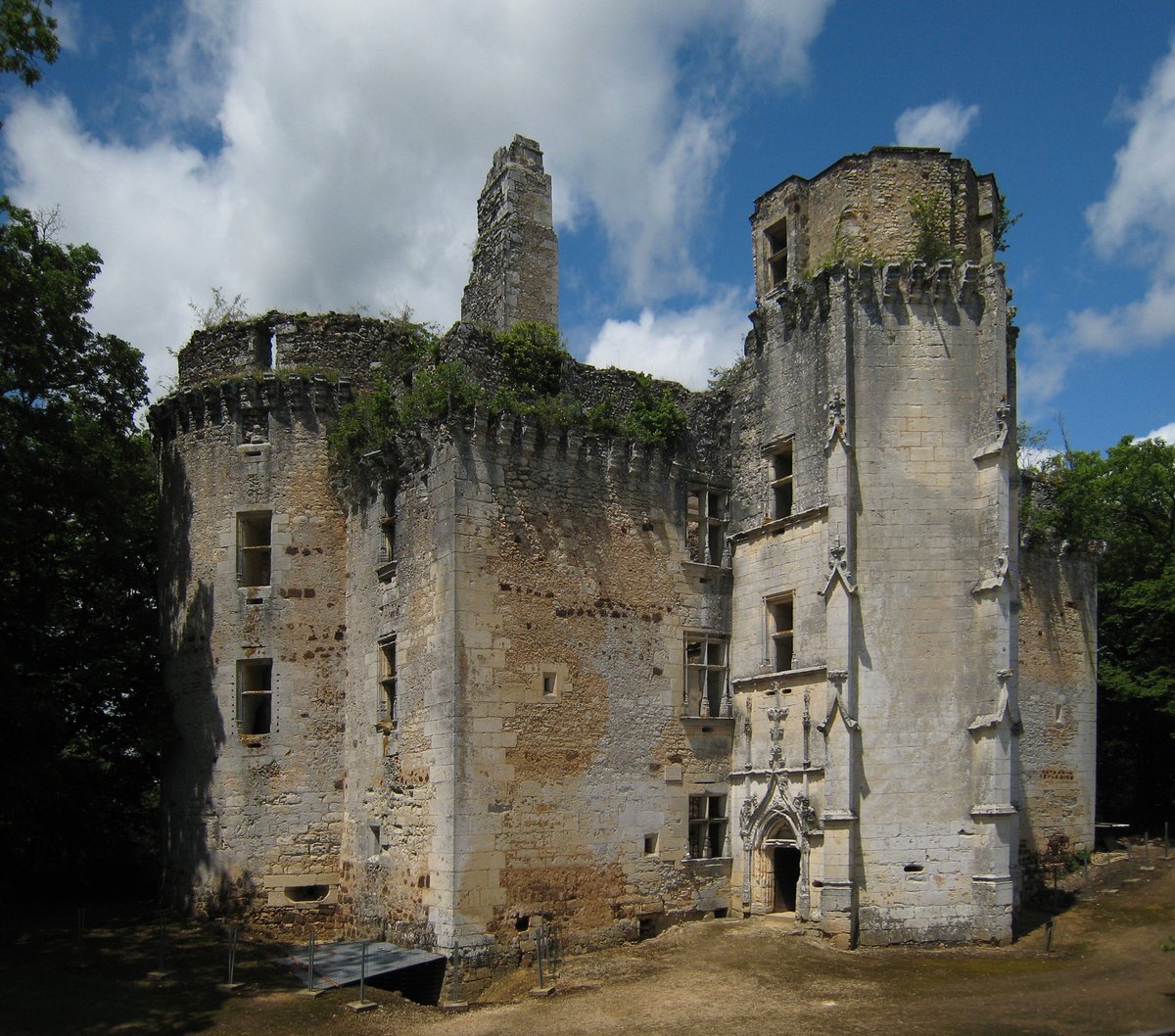
Can a ruin be brought back to life? Since 1972, Hubert began the rescue of the site, and restoration has continued since 1994. It has been a monument historique since 1943. Why does the ground beneath it hold even older secrets? The site includes a prehistoric cave located under the castle, where visitors can explore the ruins of this medieval defensive structure in the Vézère Valley.
Sources: Wikipedia, OpenStreetMap, Wikidata, Wikimedia Commons

Written by Nicolo Ciampini
Discuss this with the author and others
No comments yet. Be the first to start the conversation.