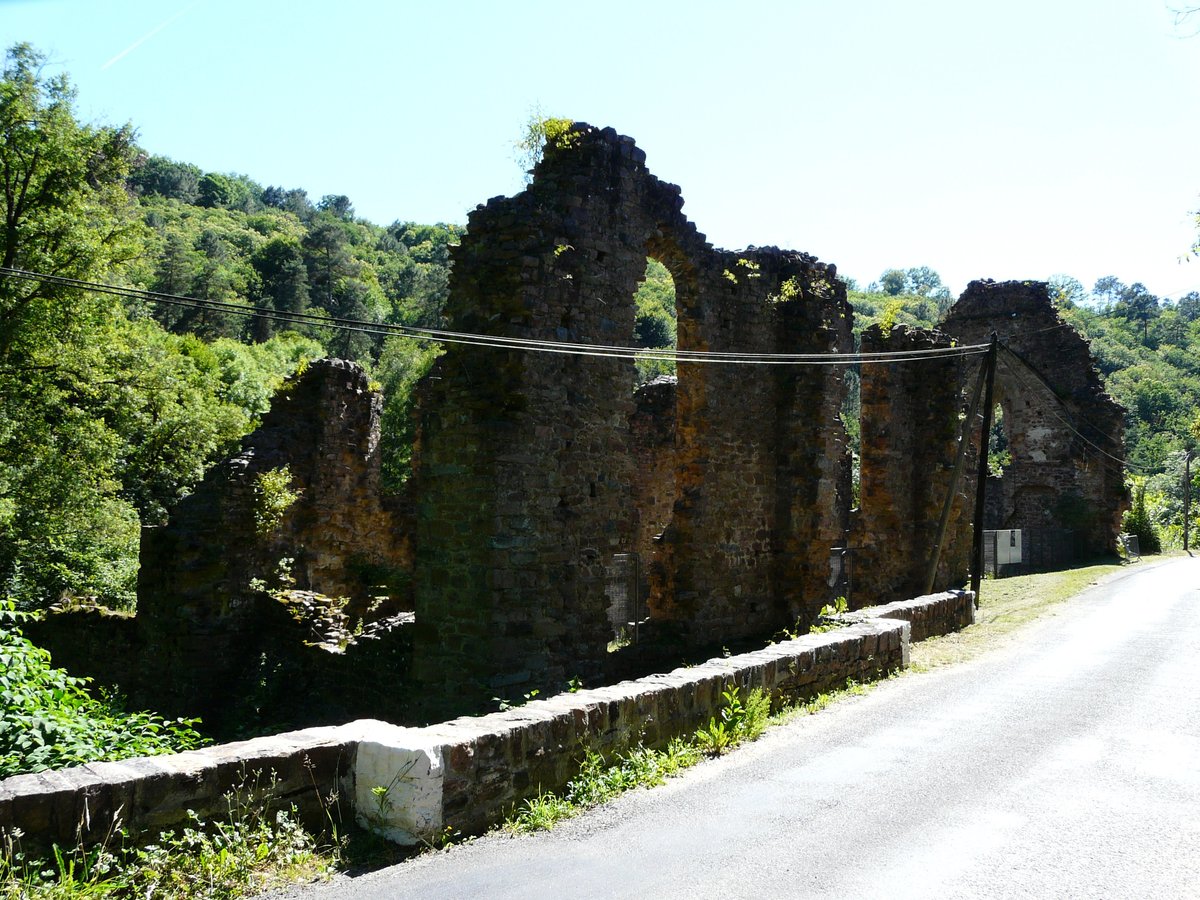

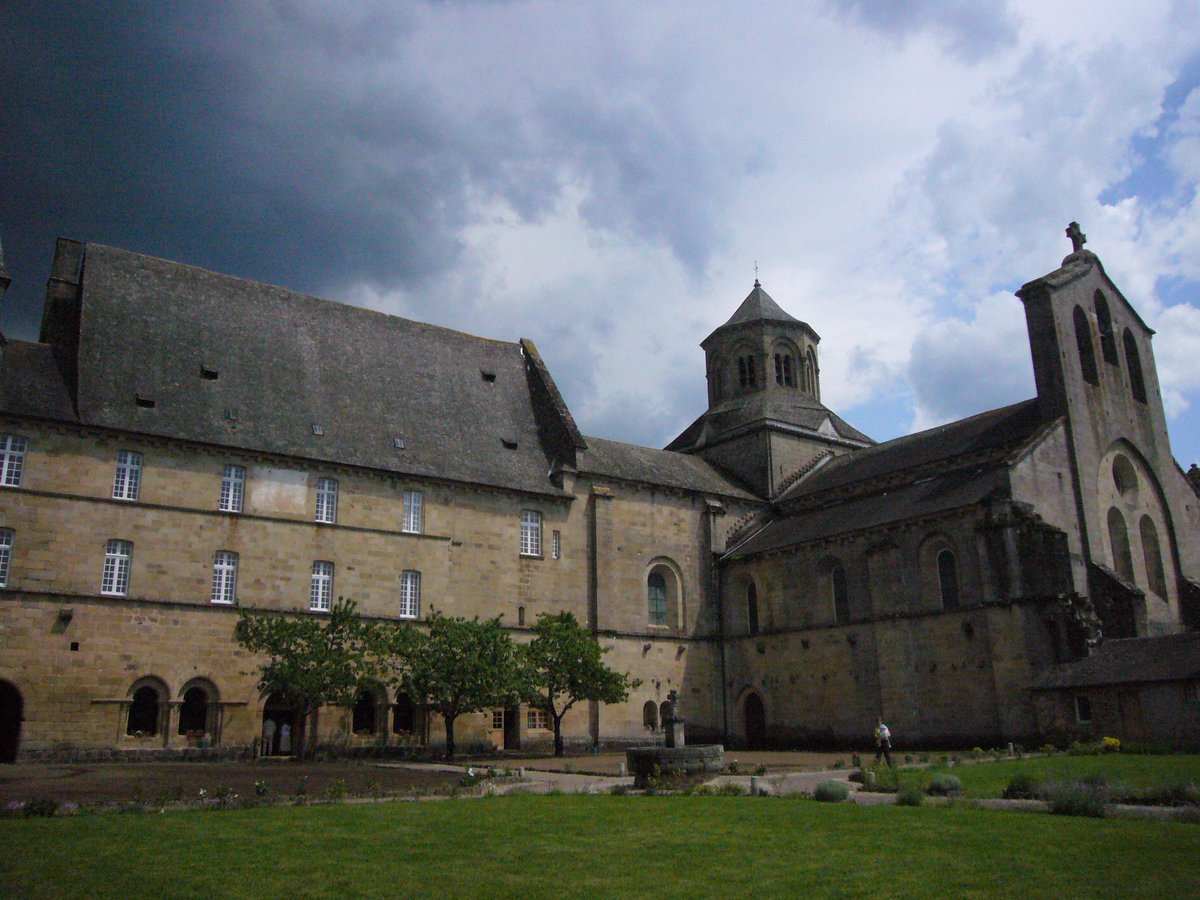
Deep in a valley near a stream, the Monastère du Coyroux was founded as a double Cistercian monastery with its counterpart in Aubazine. This arrangement was the vision of the priest Étienne de Vielzot, who believed women could not live honestly among men. While the men remained in Obazine on the heights, the women were cloistered 600 meters away in a valley where the Coyroux stream flows. The women's monastery had no land or dependencies and relied on the men's monastery for survival, receiving bread, wine, wood, and medical herbs through a secure passage with separate keys.
As the 14th century approached, the men's monastery faced recruitment struggles and struggled to provide for the nuns. In 1355, with the support of Pope Clément VI - who was related to two nuns of the Coyroux - and Innocent VI, the prioress and the nuns obtained the revenues of the church of Cornac in Quercy. This gave the Coyroux monastery its own revenues and a legal personality for the first time, although the men's monastery was not released from its obligations toward the nuns.
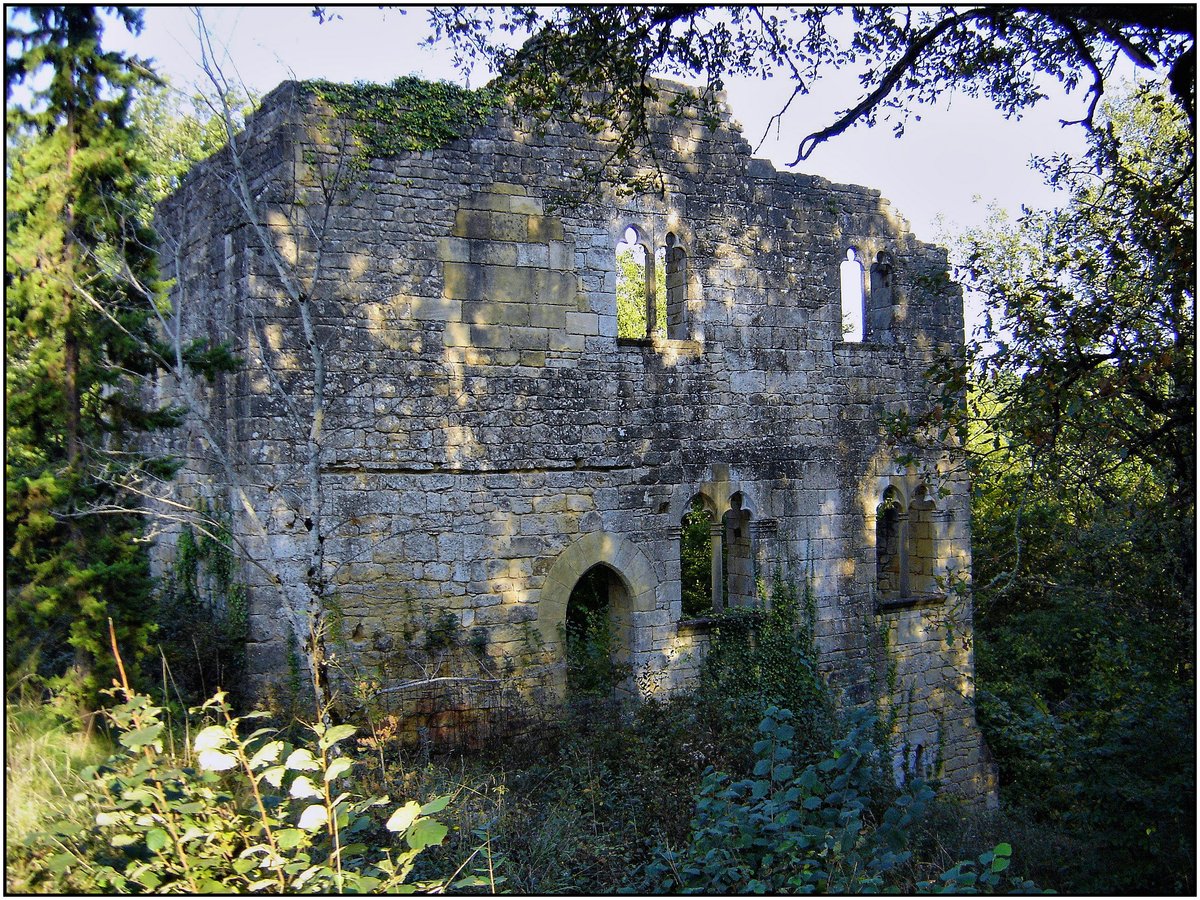
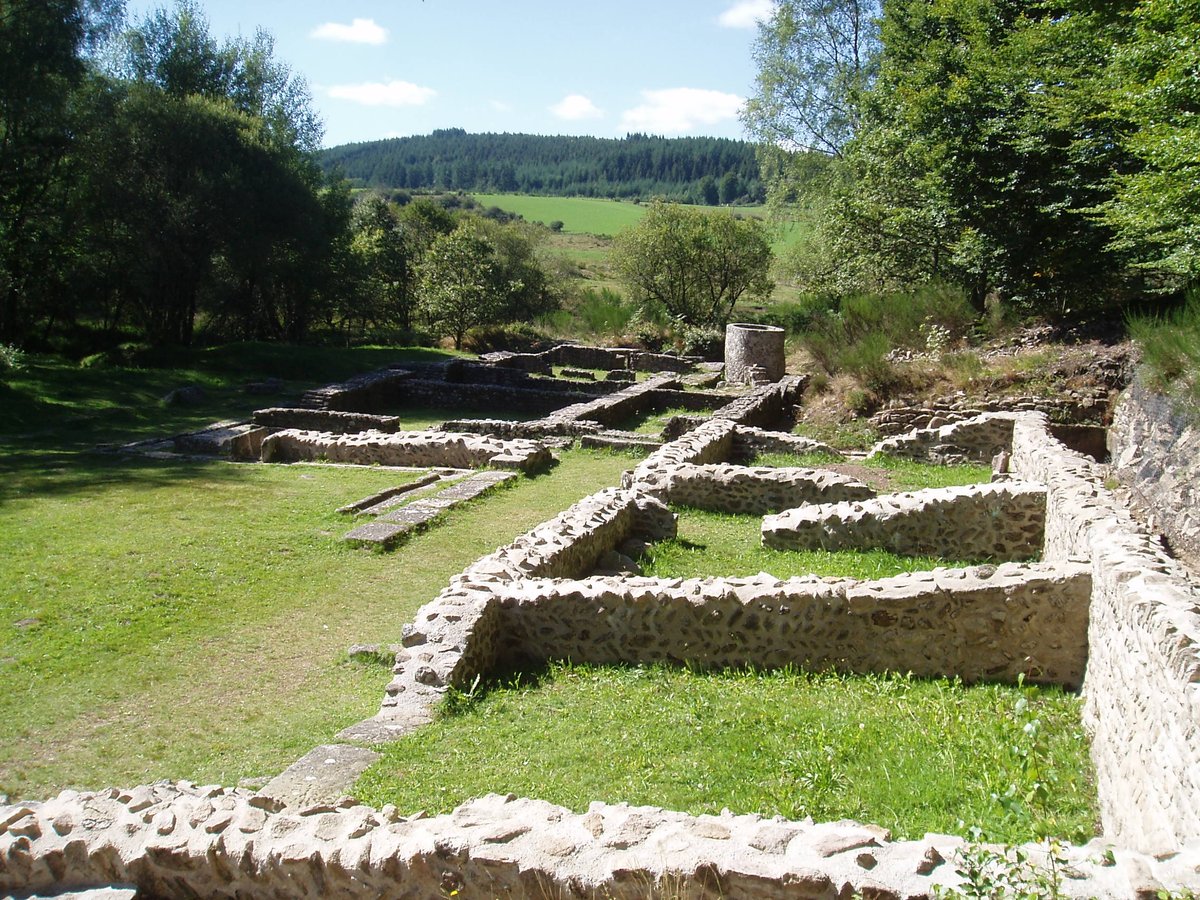
By 1741, only eight nuns and one lay sister remained in the Monastère du Coyroux. In 1790, the community was closed, leaving behind the ruins of the site today. The monastery's layout featured a square cloister with a central basin and a large drainage pipe, designed to handle the stream during floods.
Sources: Wikipedia, OpenStreetMap, Wikidata, Wikimedia Commons

Written by Nicolo Ciampini
Discuss this with the author and others
No comments yet. Be the first to start the conversation.