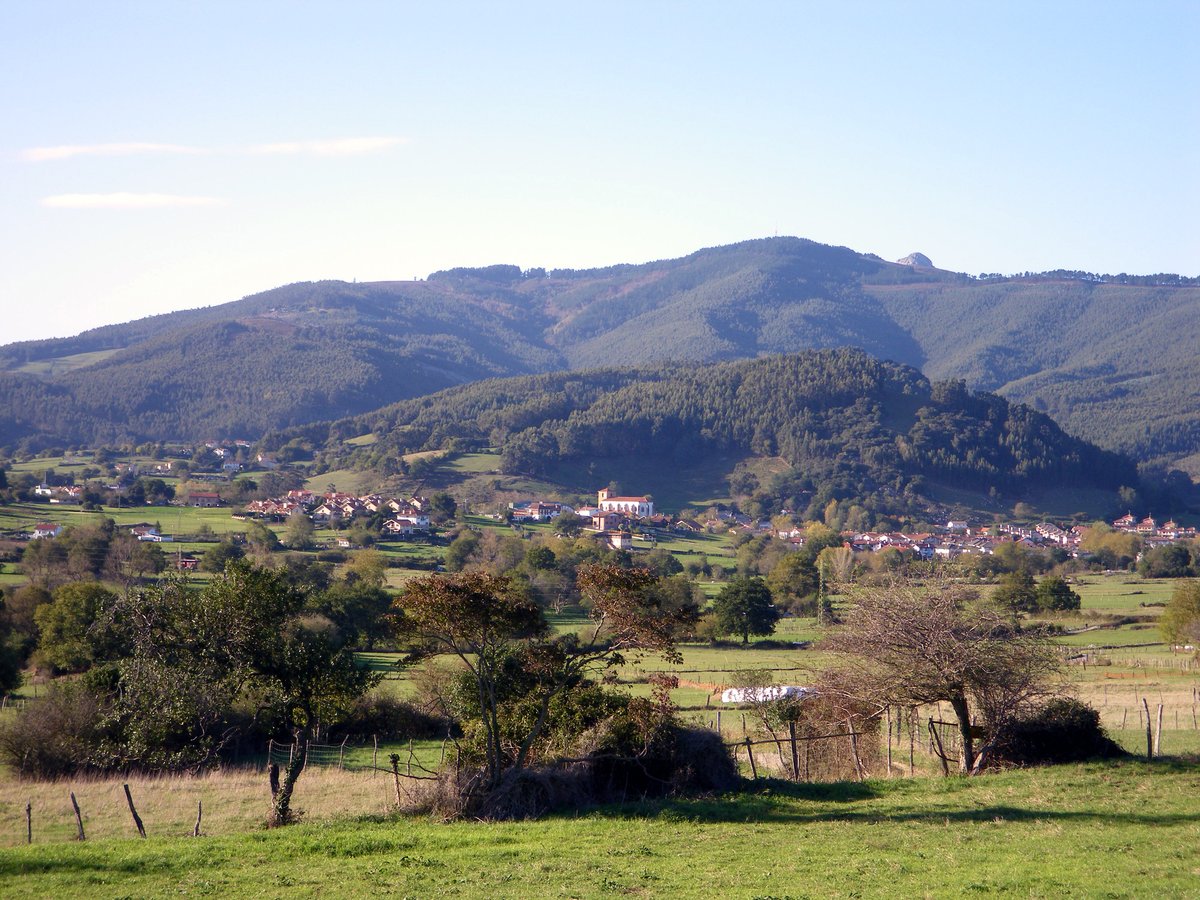

Castro de la Peña de Sámano, located in the Junta Vecinal de Sámano, Castro Urdiales, in Cantabria, Spain, was a strategic fortification from the Bronze Age to the Roman period. The site, fortified with thick walls spanning about half a kilometer, was built to leverage the site's natural defensive conditions. The large entry point, 'Puerta de la Sangaza', in the northern part of the castro, was approximately half a kilometer long and 3 meters wide. The eastern end of the wall was strengthened to resist a potential attack from the Peña de Santullán. A smaller entrance, 'La Puerta del Vallegón', provided access to the western part of the castro. In the western part of the castro, a small cave known as 'La Cueva del Ziguste' was discovered, containing Second Iron Age metallic materials. The castro faced looting before its official discovery.
Sources: Wikipedia, OpenStreetMap, Wikidata, Wikimedia Commons
Written by Nicolo Ciampini
Discuss this with the author and others
No comments yet. Be the first to start the conversation.