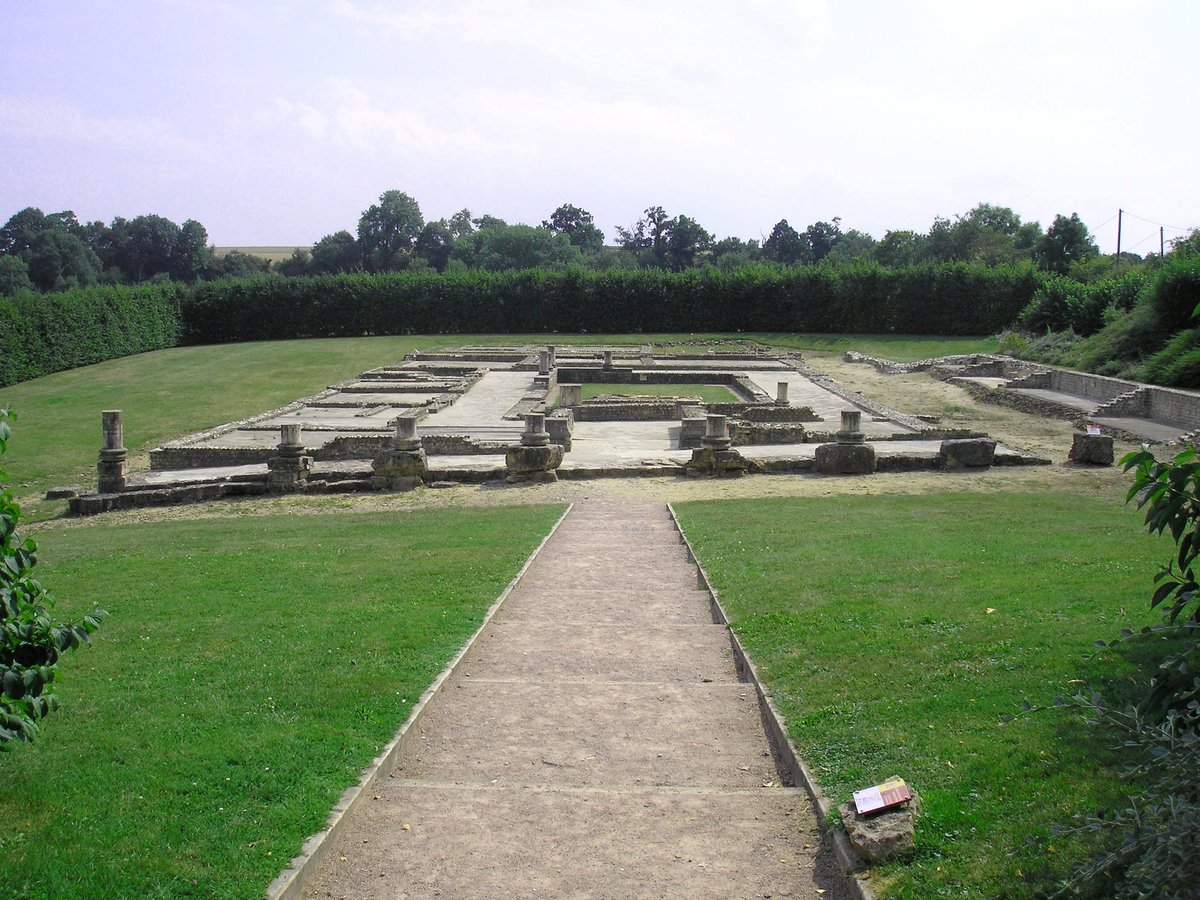

Aregenua was a significant settlement during the Augustan era, serving as the capital of the Viducasses people. The city possessed the monuments and buildings characteristic of a Gallo-Roman capital of a civitas, including grand public buildings, large baths, and a theater. It reached its peak during the 2nd and 3rd centuries as the process of Romanization was completed. However, starting in the 3rd century, the city began to decline and lost its quality of capital.
While the city was considered somewhat marginal, it was situated in a favorable location with good exposure on the north bank of the Guigne river in a non-floodable area. The site also benefited from geological resources including sandstone, schist, and a type of limestone known as Vieux marble. Over time, the materials of the ancient city were massively reused. By the 11th century, while the village was still mentioned in written sources, Caen had become the major city of the region.
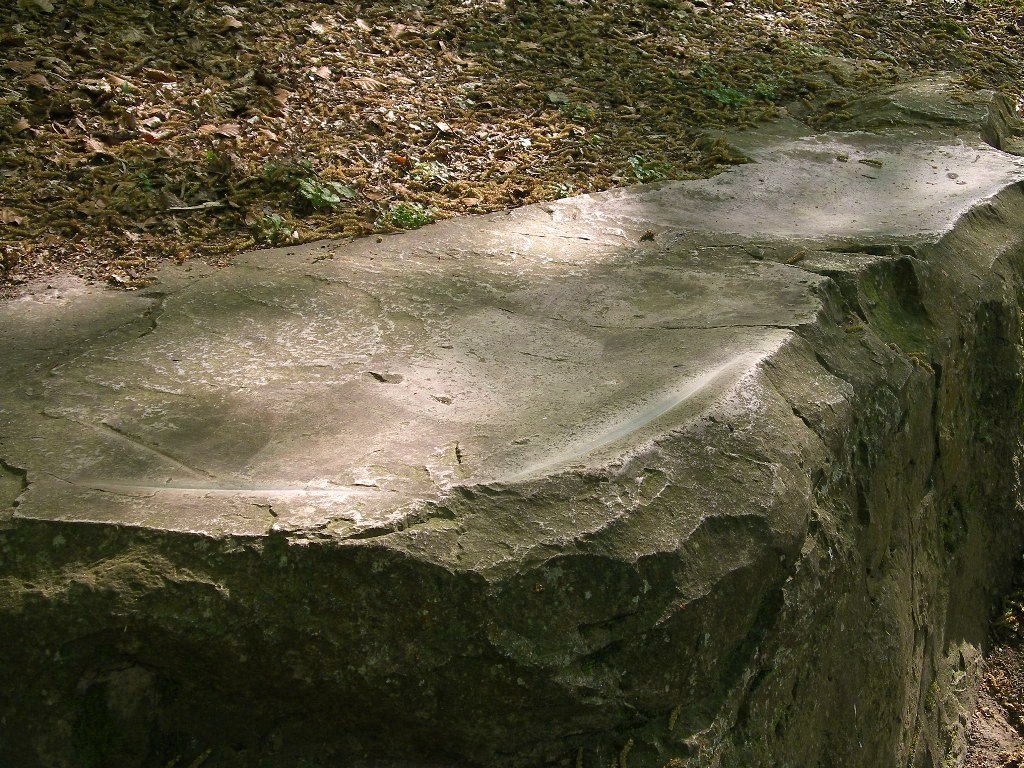
Modern scientific excavations in the 20th and 21st centuries have revealed significant details of daily life. Archaeologists uncovered a remarkable house with a large peristyle and a more modest house with a courtyard. These findings were so rich that they led to the construction of the archaeological museum of Vieux-la-Romaine. Visitors can still see these remains, which offer a clear picture of a small Gallo-Roman city in the northwest of the region.
Historical research and excavations have made Vieux one of the Gallo-Roman cities whose history is best known. The site was situated at a crossroads of ancient roads, including the chemin Haussé, which appears on the Tablet of Peutinger. The city's history reflects the artificial character of administrative urban settlements, preserved today through the archaeological site and museum.
Sources: Wikipedia, OpenStreetMap, Wikidata, Wikimedia Commons
Written by Nicolo Ciampini
Discuss this with the author and others
No comments yet. Be the first to start the conversation.