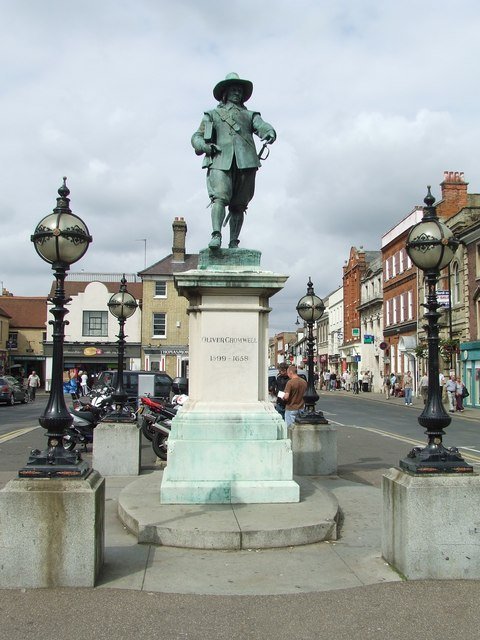

In 1899, the nearby town of Huntingdon abandoned their plan to erect a statue to Oliver Cromwell. St Ives seized the opportunity, commissioning sculptor F. W. Pomeroy to create a likeness of the Lord Protector of the Commonwealth of England, Scotland and Ireland. The resulting statue was exhibited at the Royal Academy of Arts in London to good reviews.
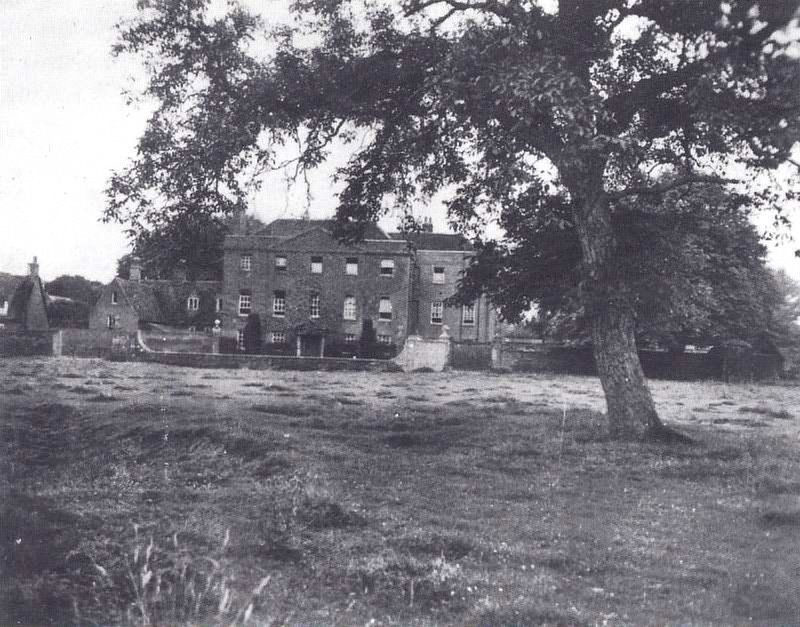
St Ives sought to claim the honor of having once been Cromwell's place of abode, as he lived in the town at Old Slepe Hall between 1631 and 1636. The town took pride in this connection, resulting in a monument that remains one of five public statues of Cromwell in the United Kingdom. It is currently one of the second most visited and photographed monuments in St Ives.
The statue stands on Market Hill and features Cromwell standing and pointing. It is approached by three steps of Aberdeen granite with ornamental lamps on each corner. The monument was unveiled on 23 October 1901 by the Liberal politician Lord Edmond Fitzmaurice.
The history of the site includes an 1849 letter from historian Thomas Carlyle, who expressed private suspicions about the public display of statues to Cromwell. He noted that while the public might forfeit the right to remember him in a public manner, he would privately resolve to subscribe to the cause if it did prosper.
Sources: Wikipedia, OpenStreetMap, Wikidata, Wikimedia Commons


Written by Nicolo Ciampini
Discuss this with the author and others
No comments yet. Be the first to start the conversation.