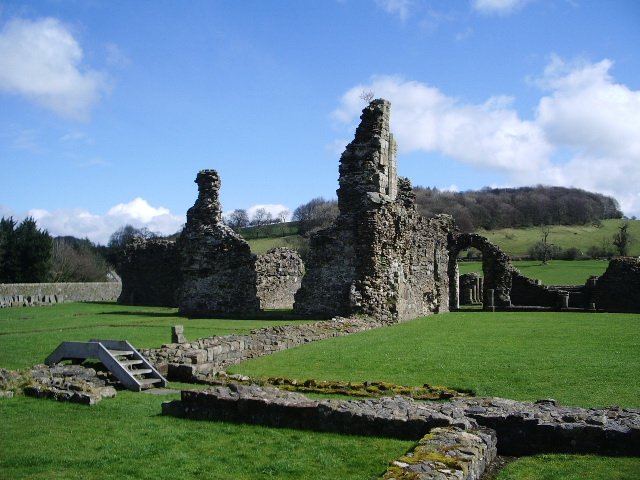
Six metres of wall and earth hold six hundred years of story in the quiet Lancashire village of Sawley. Founded in the 12th century as a daughter-house of Newminster Abbey, the abbey was officially opened in 1147 and remained operational until its dissolution in 1536 under King Henry VIII. The abbey was a creation of William de Percy II, the feudal baron of Topcliffe who offered a site in the mid-1140s along with more land and wood in Swanside. The abbey benefited from additional grants, but faced a dispute when the Cistercian community needed to move, leading to excommunication.
The abbey was Augustinian in origin but converted to the Cistercian rule in 1155, and it is significant for its placement among the Cistercian network. The site was a Grade I listed building and Scheduled Ancient Monument and has been controlled by English Heritage since 1911. The ruins include a church, chapter house, and three ranges of buildings, and many elements have been incorporated into other buildings or structures, including carvings on the chancel screen at All Hallows Church in Great Mitton.
Sources: Wikipedia, OpenStreetMap, Wikidata, Wikimedia Commons
Written by Nicolo Ciampini
Discuss this with the author and others
No comments yet. Be the first to start the conversation.