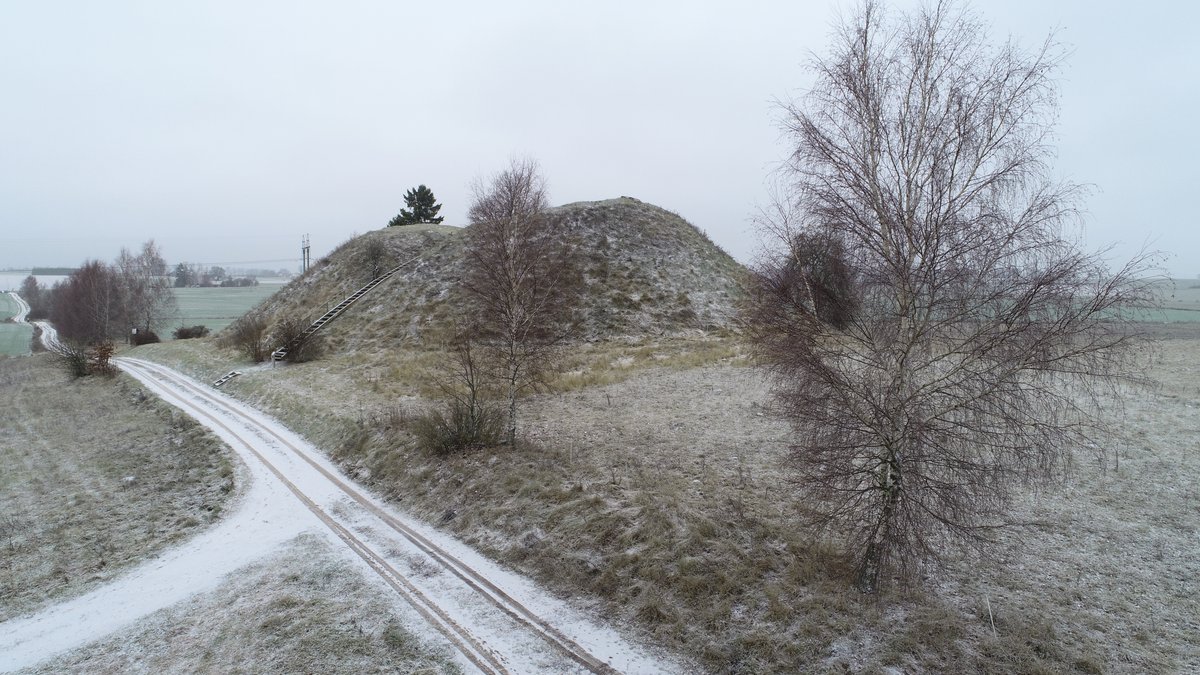

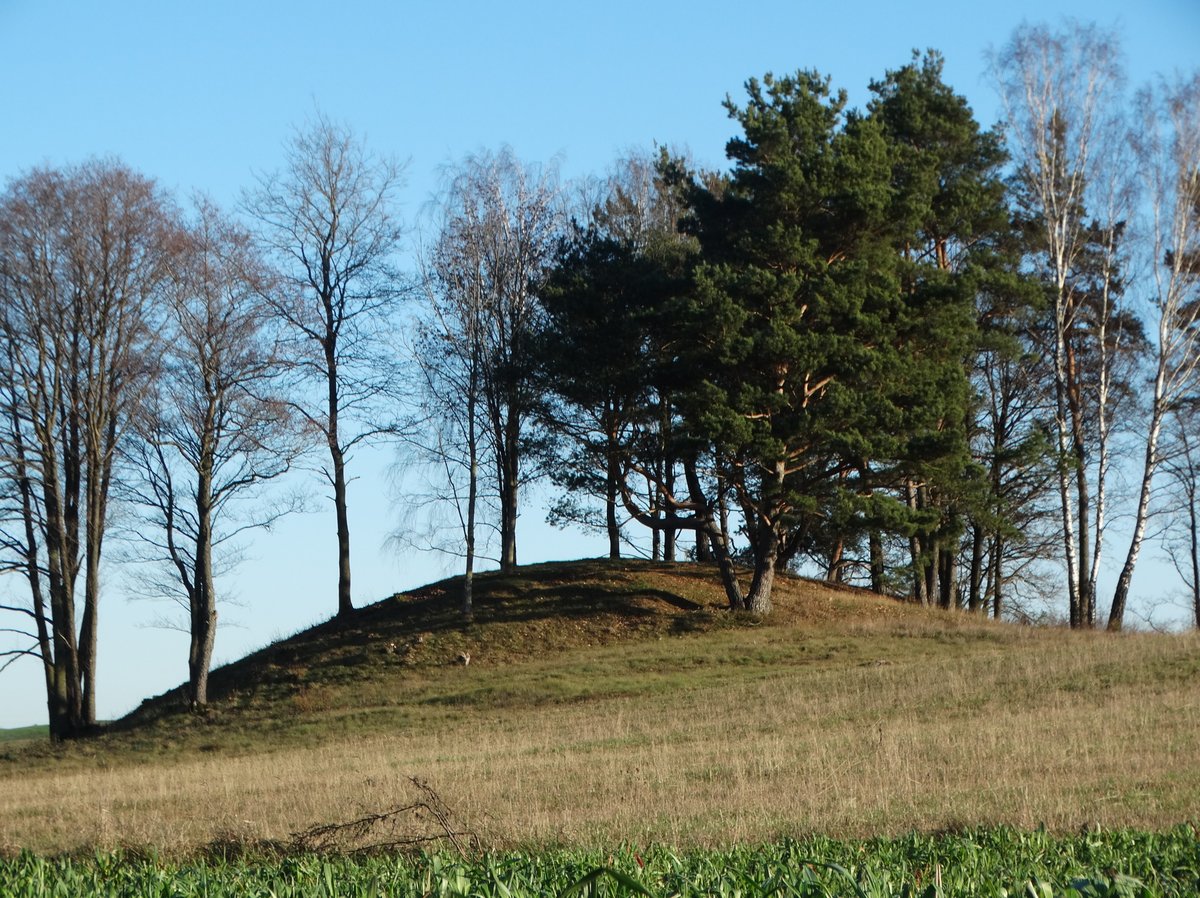
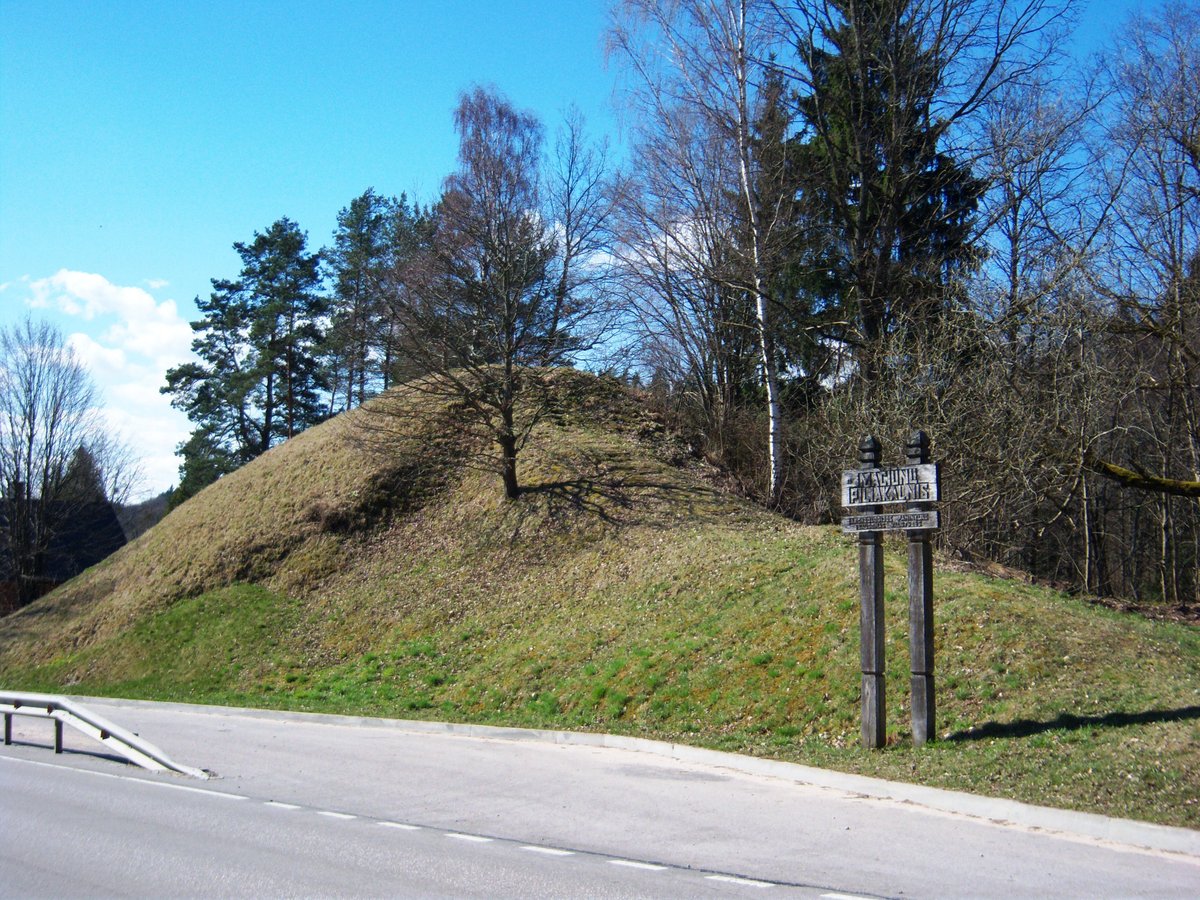
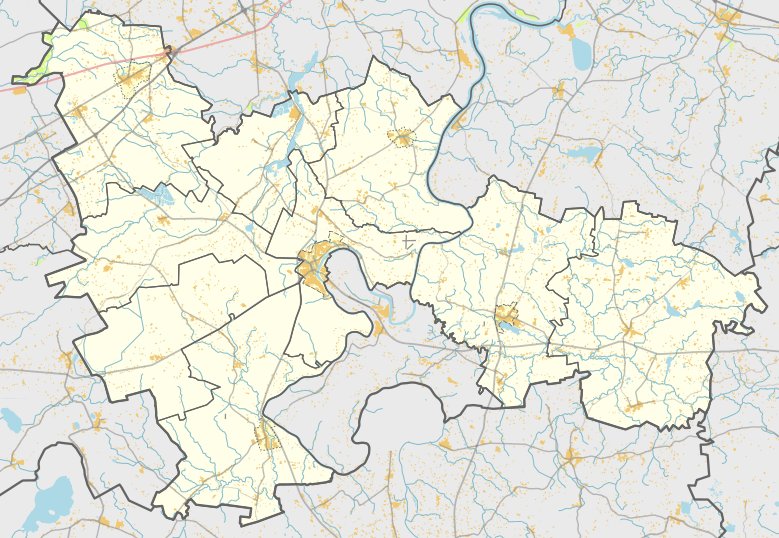
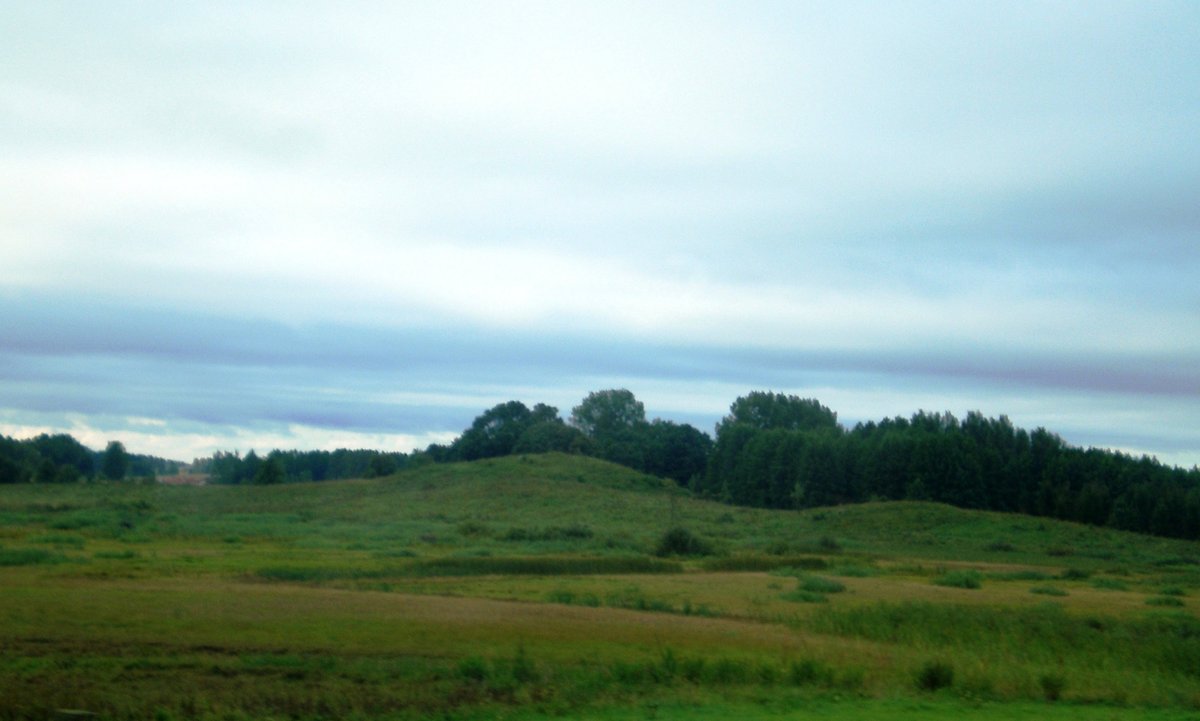
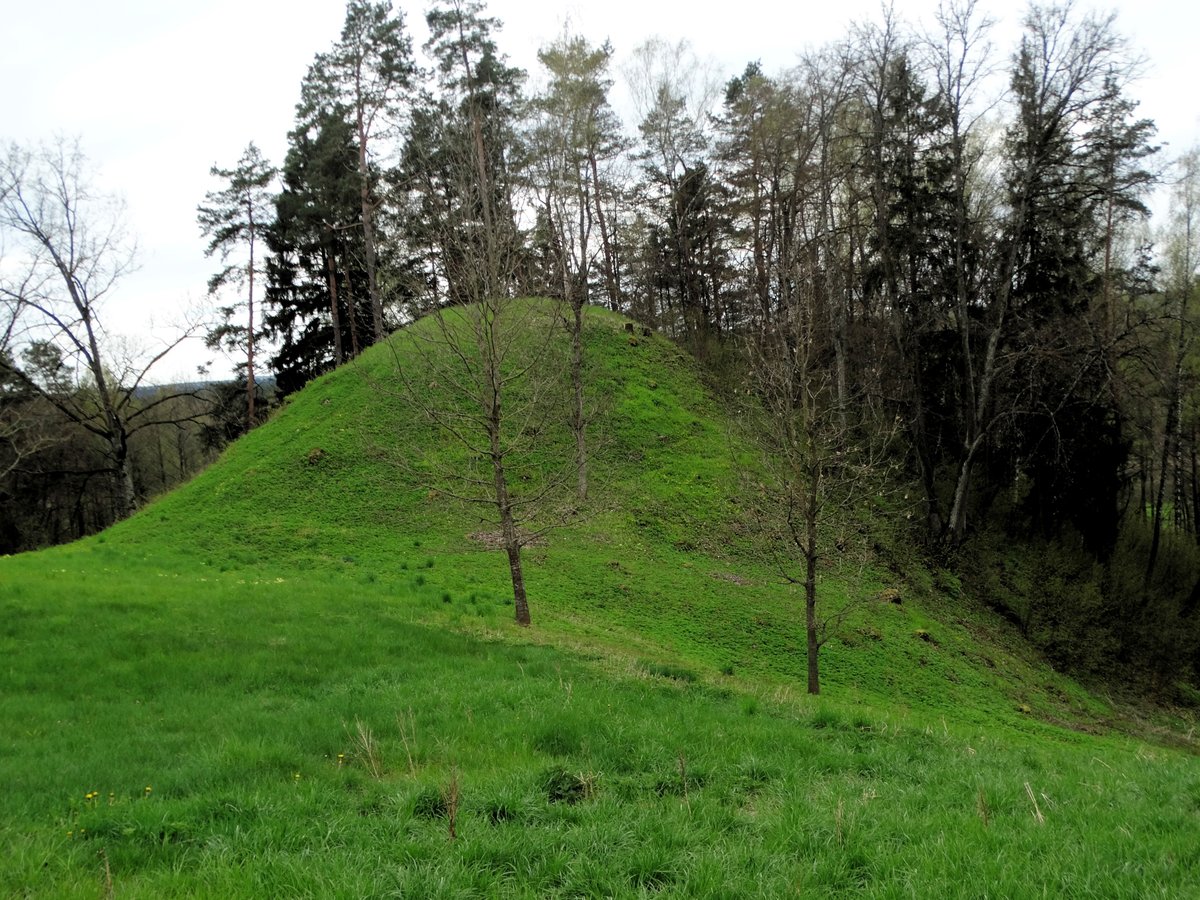
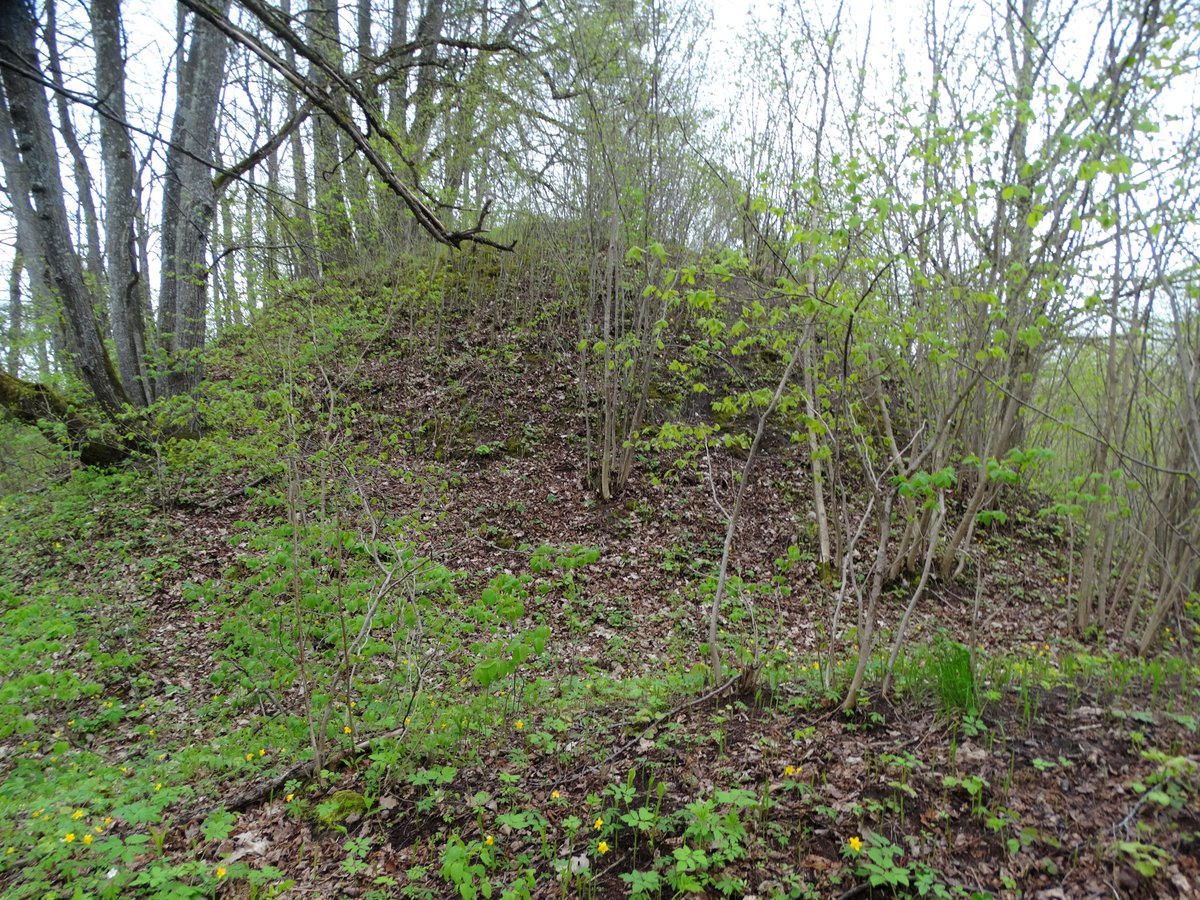
This archaeological site is situated in the Prienai district, 7 km north of Pašlavantys village in the Šilavota seniūnija. It sits on a solitary hill where the oval enclosure measures 13x8 meters. The hillfort's slopes reach heights of 10-12 meters, and its surrounding area is protected by a hedge of varying heights.
During the middle of the 19th century, a local priest named Kazakevičius dug pits in the hillfort. During this work, two wheels and a shoulder blade were found. The hillfort is dated to the period between the 1st millennium and the beginning of the 2nd millennium. It was officially declared a cultural monument by a Government Resolution on 1998-05-19, No.612, covering an area of 36,000 square meters.
Archaeological research conducted in 1954 identified a settlement covering 3 hectares surrounding the hillfort. Findings from this site include mill wheels, incised, coarse, and smooth ceramics, as well as slag. The artifacts are currently preserved in the National Museum of Lithuania and the Vytautas the Great War Museum in Kaunas.
Sources: Wikipedia, OpenStreetMap, Wikidata, Wikimedia Commons
Written by Nicolo Ciampini
Discuss this with the author and others
No comments yet. Be the first to start the conversation.